
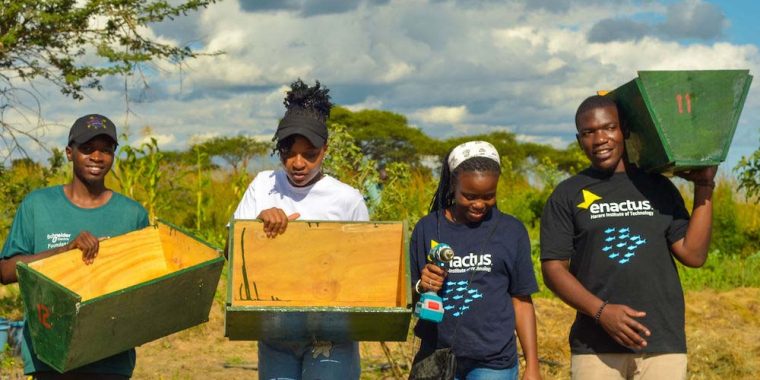
20.6.2025
19:29
A
project
from
our
Zimbabwe
Chapter
is
helping
local
beekeepers
overcome
challenges
and
monitor
their
beehives
remotely.
Fadziso
Mudzingwa
sighed
in
frustration.
It
was
June
2024,
the
middle
of
winter
in
Zimbabwe,
and
the
low
temperatures
were
killing
her
bees.
She
was
tired,
too—she’d
spent
the
day
trekking
between
her
home
and
her
hives
in
the
forest,
checking
them
frequently
in
the
hope
of
saving
both
the
colonies
and
her
barely
profitable
honey
business.
Despite
her
protective
gear,
Fadziso
had
been
stung
twice,
and
she
was
falling
behind
in
her
other
tasks.
The
sun
was
setting,
and
her
children
were
waiting
for
dinner.
She
didn’t
know
it
yet,
but
everything
was
about
to
change
for
the
better.
She
was
about
to
take
part
in
a
pilot
project
in
her
hometown,
Marondera,
led
by
the
Internet
Society
Zimbabwe
Chapter,
learning
to
monitor
hive
conditions
remotely
and
in
real
time
using
a
mobile
app
connected
to
smart
sensors.
This
technology
would
truly
make
a
difference—one
year
later,
Fadziso’s
work
is
much
easier
and
her
hives
are
thriving,
as
is
her
business.
While
she
sold
just
50
liters
of
honey
in
2024,
before
the
project
began,
she
has
already
produced
130
liters
in
the
first
half
of
2025.
An
Industry
in
Need
of
Solutions
Beekeeping
can
be
profitable
in
Zimbabwe,
especially
as
people
commonly
use
honey
and
other
apiary
products—beeswax,
pollen,
propolis,
and
royal
jelly—for
medicinal
purposes.
The
industry
is
also
a
positive
force
for
the
environment,
acting
as
a
catalyst
for
forest
renewal
and
biodiversity
conservation
through
plant
pollination.
Yet
things
weren’t
always
positive
for
Marondera
beekeepers,
most
of
whom
faced
challenges
similar
to
Fadziso’s.
Chamunorwa
Rupiya
also
struggled
to
juggle
multiple
responsibilities.
“As
the
owner
of
a
tuck
shop,
I
needed
to
pay
someone
to
fill
in
for
me
while
I
was
away
inspecting
my
hives,”
he
said.
Many
struggled
to
find
time
to
sell
products.
“I
spent
most
of
my
days
tending
to
my
bees,”
said
John
Chivamba.
“I
worried
about
them
constantly.
Then,
when
I
had
the
chance,
I
would
go
and
sell
honey
on
the
road
leading
to
Harare.”
And
when
poor
conditions
or
predators
harmed
their
colonies,
the
resulting
drop
in
yields
meant
greater
financial
hardship
for
beekeepers.
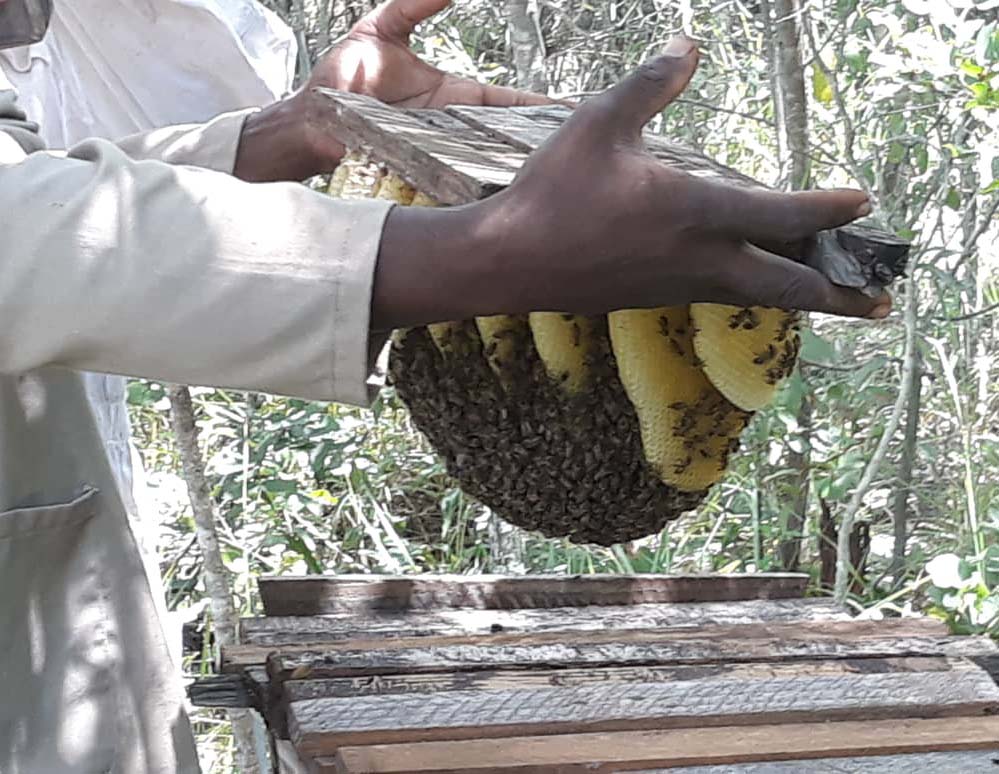
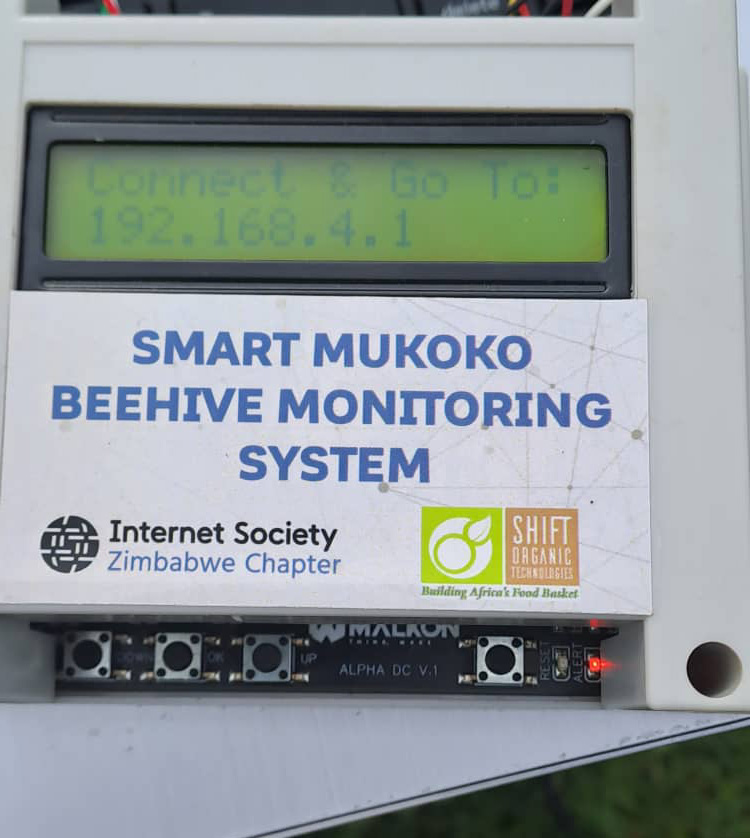
Monitoring
Beehives
Remotely
In
late
2024,
the
Zimbabwe
Chapter
launched
a
project
designed
to
solve
these
challenges
and
safeguard
the
beekeepers’
livelihoods
as
well
as
the
community’s
food
security.
Partnering
with
Shift
Organic
Technologies
and
the
Harare
Institute
of
Technology,
they
developed
an
Internet
of
Things
(IoT)
solution
comprising
hive
sensors
and
a
user-friendly
mobile
app.
Beekeepers
can
use
this
app
to
check
factors
such
as
temperature,
humidity,
and
bee
activity
at
a
glance,
from
anywhere,
without
having
to
open
up
their
hives
or
disturb
the
bees.
The
data
collected
can
also
predict
potential
health
issues
and
environmental
changes,
enabling
farmers
to
take
proactive
measures.
This
project,
called
IoT
for
Apiary
Analytics,
included
training
for
the
beekeepers.
The
20
initial
participants
not
only
learned
to
use
the
technology
but
also
received
instruction
in
advanced
techniques,
such
as
protecting
hives
from
winter
temperatures.
“The
trainers
taught
us
which
flowers
to
plant
around
our
hives
so
our
bees
can
always
get
their
favorite
pollen,”
said
Fadziso.
“We
also
learned
to
set
up
water
points
to
maintain
the
hives’
natural
humidity.”
Technology
Changes
the
Game
Being
able
to
monitor
their
hives
remotely
has
revolutionized
beekeeping
for
Fadziso,
Chamunorwa,
and
John.
“Now,
instead
of
hiking
into
the
forest
first
thing
every
morning,
I
simply
look
at
my
phone
for
hive
updates,”
said
Fadziso.
“I
can
check
on
them
in
minutes,
not
hours,
so
I
have
more
time
for
my
children,
household
chores,
and
developing
new
products
like
floor
wax.”
This
IoT
solution
has
been
a
game
changer!
I
can
now
keep
an
eye
on
my
bees
while
selling
honey
on
the
road.
I
make
more
money
and
enjoy
peace
of
mind.”
Meanwhile,
Chamunorwa
saves
money
by
relying
on
hired
help
less
often,
since
he
can
manage
his
hives
from
his
shop.
The
project
has
yielded
undeniable
improvements
in
bee
health
and
hive
productivity.
“My
production
has
risen
30
percent
and
the
wax
quality
is
better
too,”
said
Fadziso.
Chamunorwa
has
seen
similar
improvements,
noting
that
his
colonies
have
grown
since
the
installation
of
the
devices.
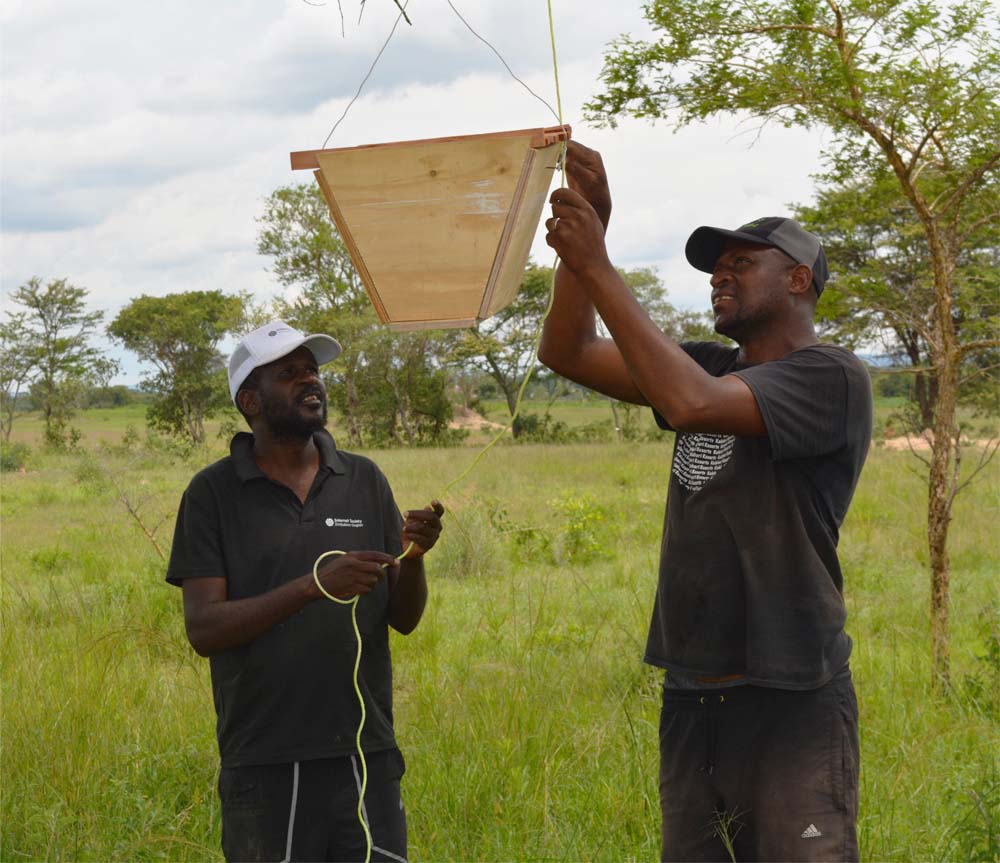
Benefits
for
the
Whole
Community
This
solution’s
arrival
has
been
transformative
for
the
entire
Marondera
community.
“Local
markets
now
resell
our
honey,
since
people
have
seen
that
it’s
pure,
not
mixed
with
brown
sugar,”
said
Fadziso.
“This
is
vital
when
people
take
honey
as
medicine.”
This
improvement
in
honey
quality
has
also
attracted
out-of-town
bulk
buyers,
leading
to
higher
sales
for
everyone.
And
with
their
additional
income,
the
beekeepers
can
more
easily
pay
their
children’s
school
fees,
an
advantage
for
the
community
over
time.
“Seeing
what
we’ve
achieved,
our
neighbors
are
becoming
curious
about
beekeeping
and
technology
in
general,”
Fadziso
said.
She
has
shared
her
experience
at
public
events
organized
by
the
project
leaders.
This
remote-sensing
technology’s
benefits
are
clear,
demonstrating
the
potential
of
technology
in
agriculture.
“Joining
in
this
project
has
opened
my
eyes
to
new
things,”
said
John.
“Today,
I’m
constantly
advising
people
to
learn
about
technology.”
Charting
the
Path
Forward
Looking
to
the
future,
the
beekeepers
plan
to
invest
their
extra
earnings
in
more
sensors
to
expand
their
businesses.
“My
new
aim
is
to
sell
in
major
cities,
like
Harare
and
Bulawayo,
and
even
to
export
my
honey!”
Fadziso
said
with
a
smile.
They
hope
to
see
further
tech
innovations
in
areas
such
as
pest
management
and
honey
harvesting.
Learning
to
build
the
IoT
sensors
locally
to
bring
down
their
cost
is
another
goal.
All
agree
that
embracing
technology
has
been
life-changing.
Being
part
of
this
project
means
a
lot
to
me.
It’s
empowered
me
to
take
control
of
my
work
and
improve
my
family’s
quality
of
life.”
This
project
was
funded
by
an
Internet
Society
Foundation Beyond
the
Net
Grant.
Post
published
in:
Agriculture