
Last
week,
the
U.S.
Department
of
Health
and
Human
Services
(HHS)
announced
that
it
is
restricting
undocumented
immigrants’
access
to
numerous
federal
benefits,
causing
an
outcry
from
advocacy
organizations
focused
on
health
and
immigration.
HHS
rescinded
a
1998
interpretation
of
the
Personal
Responsibility
and
Work
Opportunity
Reconciliation
Act
of
1996
(PRWORA),
which
extended
certain
federal
public
benefits
to
undocumented
immigrants.
It
provided
a
revised
list
of
programs
now
classified
as
federal
public
benefits,
which
includes
certified
community
behavioral
health
clinics,
Head
Start,
the
Title
X
Family
Planning
Program
and
more.
The
new
restrictions
went
into
effect
on
July
14
with
a
30-day
comment
period
ending
August
13.
“For
too
long,
the
government
has
diverted
hardworking
Americans’
tax
dollars
to
incentivize
illegal
immigration,”
said
HHS
Secretary
Robert
F.
Kennedy,
Jr,
in
a
statement.
“Today’s
action
changes
that—it
restores
integrity
to
federal
social
programs,
enforces
the
rule
of
law,
and
protects
vital
resources
for
the
American
people.”
Several
health
and
immigration
advocacy
organizations
have
come
out
against
the
decision,
arguing
that
these
programs
are
lifesaving
for
immigrant
families.
And
it’s
not
just
undocumented
immigrants
that
will
be
harmed
by
this
decision.
Under
PRWORA,
“qualified
immigrants”
are
eligible
for
federal
public
benefits
programs.
This
includes
lawful
permanent
residents
or
people
with
a
green
card,
refugees
and
people
granted
asylum.
However,
numerous
lawfully
present
immigrants
are
not
listed
as
qualified
immigrants
and
are
therefore
ineligible
for
these
programs,
such
as
people
with
Temporary
Protected
Status
who
have
fled
an
emergency,
domestic
violence
survivors
with
special
“U”
visas
and
child
abuse
survivors
with
“Special
Immigrant
Juvenile
Status,”
according
to
Protecting
Immigrant
Families
(PIF),
a
coalition
advocating
for
immigrant
rights.
Those
who
have
been
approved
for
lawful
permanent
residency
but
have
not
yet
been
issued
a
green
card
are
also
not
listed
as
qualified
immigrants.
HHS’
decision
will
also
harm
U.S.
citizens
in
immigrant
families,
PIF
argued.
It’s
common,
for
example,
for
a
parent
to
be
undocumented
and
for
the
kids
to
be
U.S.
citizens.
If
someone
in
the
family
is
ineligible
for
federal
health
programs,
then
it’s
less
likely
for
other
family
members
who
are
eligible
to
access
those
services.
“This
change
could
have
a
huge
impact
on
the
27%
of
the
US
population
living
in
immigrant
families,”
said
Esther
Reyes,
campaign
strategist
of
PIF,
in
an
email.
“That
includes
not
only
people
who
are
undocumented,
but
also
lawfully
present
immigrants
and
US
citizens
in
immigrant
families.
Immigrant
families
typically
include
people
–
often
children
–
who
are
US
citizens,
people
who
have
green
cards
or
other
lawful
statuses,
and
people
who
are
undocumented.
Our
experience
with
exclusionary
policies
–
especially
confusing
policy
changes
like
this
one
–
is
that
they
harm
whole
families.”
These
comments
were
echoed
by
Isha
Weerasinghe,
director
of
public
benefits
justice
at
the
Center
for
Law
and
Social
Policy
(CLASP),
a
nonprofit
focused
on
advancing
policy
for
people
with
low
incomes.
HHS’
change
will
also
make
it
difficult
for
healthcare
and
social
service
facilities
to
determine
who
is
eligible
for
services,
“potentially
refusing
to
care
for
many
more
than
those
who
are
deemed
‘qualified,’
making
it
harder
for
everyone
to
access
services,”
Weerasinghe
added.
“If
our
health
care
system
is
less
efficient
for
U.S.
citizens
it’s
not
because
an
immigrant
went
to
a
health
clinic
—
rather
it’s
because
this
administration
has
laid
off
thousands
of
HHS
staff
who
help
to
administer
programs
and
just
signed
a
$4
trillion
bill
into
law
with
the
largest
Medicaid
cuts
in
the
program’s
history.
This
change
in
interpretation
of
longstanding
law
would
be
devastating
for
public
health
and
have
widespread
impacts
on
the
well-being
of
our
entire
country,”
Weerasinghe
said.
Reyes
added
that
health
centers
are
a
“lifeline”
for
families
with
low
incomes,
including
many
immigrant
families,
providing
basic
care
like
mammograms
as
well
as
more
complex
care
like
cancer
treatment.
An
executive
at
UnidosUS,
a
Hispanic
civil
rights
and
advocacy
organization,
agreed
with
this,
arguing
that
providing
immigrant
families
access
to
these
programs
has
been
beneficial
to
communities.
She
particularly
called
out
the
Women,
Infants
and
Children
program,
which
provides
food
assistance
to
pregnant
women,
new
mothers
and
young
children.
“These
are
people
that
are
part
of
the
workforce.
These
are
people
who
are
contributing,”
said
Carmen
Feliciano,
vice
president
of
policy
&
advocacy
at
UnidosUS,
in
an
interview.
“These
are
children
that
are
being
born
here.
So
all
these
years,
almost
30
years
of
policy
that
has
been
working
correctly,
to
just
come
out
with
this
very
broad
policy
without
any
data
backing
this
up
that
it
has
been
detrimental
or
harmful
to
the
communities,
that
doesn’t
make
any
sense.”
What
can
be
done
Many
advocacy
organizations
are
taking
advantage
of
the
30-day
comment
period,
including
Families
USA,
which
supports
healthcare
consumers.
“This
opportunity
is
critical
for
a
broad
coalition
of
stakeholders
including
employers
and
small
businesses,
immigrants,
their
families,
their
neighbors,
and
people
who
serve
or
work
with
immigrant
communities
to
weigh
in
and
raise
concerns
with
HHS’s
interpretation,
and
advocate
for
continued
access
to
these
vital
programs,”
said
Staci
Lofton,
senior
director
of
health
equity
at
Families
USA.
“If
enough
pushback
is
generated,
HHS
may
revise
its
position.”
UnidosUS
will
also
be
submitting
comments
about
the
harm
this
policy
could
have
on
the
U.S.,
Feliciano
said.
“No
one
will
benefit
from
having
underdeveloped
children
or
people
that
are
hungry
and
that
cannot
go
to
work,”
she
said.
“That’s
not
a
benefit
to
anyone.”
Reyes
of
PIF
also
called
on
states
and
Congress
to
take
action.
“States
understand
that
denying
people
access
to
care
doesn’t
eliminate
their
need
for
care
–
it
just
shifts
the
costs
to
emergency
rooms
and,
by
extension,
state
taxpayers
and
employer-sponsored
insurance,”
she
said.
“States
should
be
documenting
the
harm
resulting
from
this
HHS
policy
and
pushing
their
congressional
delegations
for
action.
“And
I’ve
been
concerned
that
this
came
out
a
few
days
ago,
and
there’s
been
no
public
response
from
the
Democrats
on
the
House
Energy
and
Commerce
Committee
or
the
Senate
HELP
Committee,”
she
continued.
“This
policy
is
a
major
threat
to
the
nation’s
health,
and
the
folks
running
the
nation
need
to
be
taking
action.”
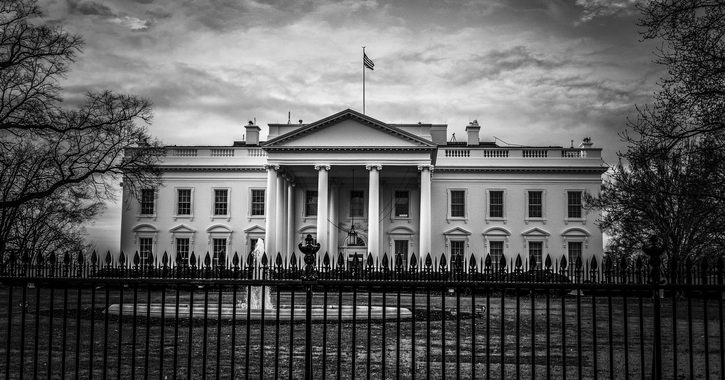
Photo:
Philip
Rozenski,
Getty
Images