
HARARE,
ZIMBABWE
—
It’s
been
months
since
lecturers
at
the
University
of
Zimbabwe,
the
country’s
oldest
and
most
prestigious
university,
stepped
aside.
Their
salaries,
eroded
by
inflation
and
currency
devaluation,
could
no
longer
cover
their
basic
needs,
they
said.
That
was
in
April,
and
there’s
no
sign
yet
that
they’ll
return
to
their
lecture
halls.
“We
have
been
betrayed
and
no
longer
have
passion
for
our
work,”
says
J.T.,
a
lecturer
who
has
taught
at
the
university
for
more
than
10
years.
He
asked
to
be
identified
only
by
his
initials
for
fear
of
retaliation
from
the
institution.
The
indefinite
strike
has
left
thousands
of
students
struggling.
Many
are
trying
to
study
on
their
own
but
are
uncertain
if
their
lecturers
will
ever
return
to
work.
The
University
of
Zimbabwe’s
registrar’s
office
did
not
respond
to
a
Global
Press
Journal
request
for
comment.
But
in
May,
the
office
issued
a
statement
saying
the
issues
lecturers
had
raised
were
legitimate
and
the
university
is
working
with
the
government
to
address
them.
However,
Obvious
Vengeyi,
a
professor
and
spokesperson
for
the
Association
of
University
Teachers,
says
that
in
June,
the
university
dismissed
him
and
three
other
executive
members
of
the
association.
All
had
been
leading
the
strike.
The
university,
he
says,
has
also
hired
adjunct
lecturers
to
fill
the
gap
left
by
striking
lecturers,
and
some
contract
lecturers
have
returned
to
work.
Narshon
Kohlo,
chairperson
of
the
Zimbabwe
National
Students
Union
at
the
University
of
Zimbabwe,
says
this
is
only
a
stopgap
measure
—
one
that’s
failing
students.
“Some
of
them
are
just
recent
graduates,”
he
says,
adding
that
they
lack
experience
to
adequately
fill
the
gap.
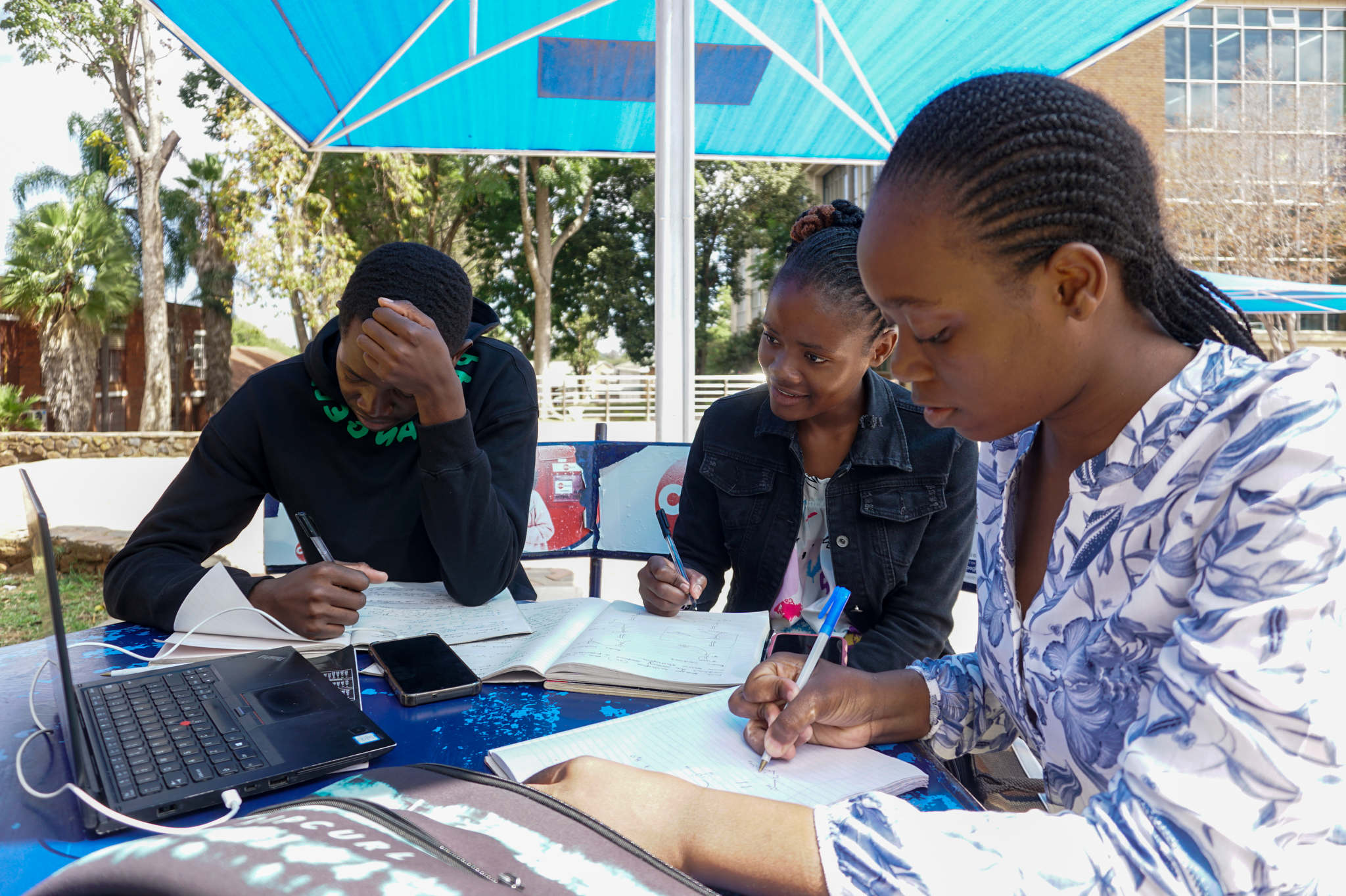
Students
who
began
the
semester
with
their
regular
lecturers
have
been
left
without
continuity,
and
not
all
have
been
assigned
replacements.
Problems
extend
beyond
the
university.
The
country’s
struggling
economy
has
hollowed
out
many
of
its
institutions.
Hospitals
face
worrying shortages
of
medicine
and
staff. Primary
and
secondary
schools struggle
to
retain
teachers.
And
that
sector’s
higher
education
system,
once
a
model
on
the
continent,
is
now
losing
its
footing.
Years
of
hyperinflation,
currency
instability
and
dwindling
government
support
have
stripped
the
institutions
of
resources,
slashed
salaries
and
driven
professionals
out
of
the
country.
Experts
worry
about
the
long-term
damage
this
might
cause
a
country
already
grappling
with
economic
collapse.
“If
you
destroy
the
education
system,
you
have
destroyed
the
foundation
for
a
viable
and
sustainable
economic
system,”
says
Eldred
Masunungure,
a
political
scientist.
A
legacy
undone
In
the
1980s
—
the
decade
after
independence
—
the
University
of
Zimbabwe,
the
first
ever
in
the
country,
was
rated
among
the
best
in
Africa.
It
was
heavily
subsidized
by
the
government
with
minor
support
from
donors.
Around
this
time,
the
government
also
provided
grants
to
university
students.
Soon
after
independence,
the
country
had
the
highest-educated
workforce
and
one
of
the
highest
literacy
rates
in
southern
Africa.
Demand
for
education
grew
rapidly.
Then-President
Robert
Mugabe’s
government
began
implementing
an
ambitious
program
in
1996:
to
build
a
university
in
every
province
in
an
effort
to
address
colonial
inequalities
and
expand
access
to
higher
education.
But
the
government
lacked
resources
to
fully
fund
all
the
universities.
In
the
1990s,
supported
by
the
World
Bank
and
other
multilateral
institutions,
Zimbabwe
adopted
the
second
part
of
an
economic
adjustment
program.
The
government
slashed
spending
on
public
universities
and
stopped
student
grants
to
state
institutions.
By
2001,
the
government
had
introduced
fees
in
post-secondary
institutions
to
help
cover
costs.
Over
time,
Zimbabwe’s
economic
fortunes
have
worsened,
further
weakening
the
government’s
ability
to
support
its
13
state
universities.
In
the
last
decade,
the
government
has
slashed
the
higher
education
budget,
with
its
share
of
total
government
spending
falling
by
more
than
half,
from
6.9%
in
2016
to
3.2%
in
2025.
A
shaky
currency
An
unstable
currency
system
and
other
economic
shocks
have
made
it
difficult
for
public
institutions
that
depend
on
government
funding
to
function
effectively,
says
Godfrey
Kanyenze,
founding
director
of
the
Labour
and
Economic
Development
Research
Institute
of
Zimbabwe.
The
country,
he
says,
has
been
trapped
in
a
loop
of
economic
instability
since
the
Zimbabwean
dollar
crashed
in
1997
and
again
in
2008.
While
there
was
some
stability
between
2009
and
2013
after
the
government
introduced
a
multi-currency
system,
2018
was
a
major
turning
point.
That
year,
the
government replaced
United
States
dollars
with
a
new
local
currency,
claiming
it
was
equal
in
value
to
the
US
dollar.
However,
the
local
currency
quickly
collapsed,
wiping
out
people’s
savings,
driving
prices
up
more
than
fivefold
and
shattering
public
trust
in
the
banking
system.
Like
many
workers
in
the
public
sector,
lecturers
were
severely
affected,
and
they
say
they
have
never
recovered.
Vengeyi
says
that
this
2018
move
slashed
the
value
of
lecturers’
salaries
by
nearly
90%,
from
US$2,250
per
month
to
US$230
per
month.
The
country
has
experienced
several
currency
changes
since,
but
the
local
currency’s
value
against
the
US
dollar
has
continued
to
erode.
By
end
of
March
2024,
the
exchange
rate
had
fallen
so
far
that
one
US
dollar
was
equivalent
to
nearly
20,000
Zimbabwean
dollars.
The
next
month
in
an
attempt
to
stabilize
the
situation,
the
government issued
yet
another
new
currency —
dubbed
Zimbabwean
gold
—
which
is
backed
in
part
by
the
government’s
gold
reserves.
But
the
value
has
halved
since
then, and
people
mostly
use
(and
prefer)
the
US
dollar.
The
government
has
tried
to
help
civil
servants
cushion
these
economic
shocks,
but
lecturers
say
the
fixes
haven’t
helped.
In
January
2020,
the
government
introduced
an
allowance
to
civil
servants
paid
in
local
currency,
ranging
from
400
Zimbabwean
dollars
to
800
Zimbabwean
dollars
per
month.
Then
in
June
that
same
year,
the
government
introduced
a
US$75
monthly
allowance.
By
2023,
the
allowances
reached
about
US$300
per
month.
These
allowances
were
not
subject
to
tax.
However,
in
2024,
the
government
folded
these
allowances
into
regular
salaries,
meaning
they’d
be
taxed,
further
reducing
employees’
income.
Educational
product
‘is
defective’
The
ongoing
strike
at
the
University
of
Zimbabwe
is
just
one
example
of
the
accumulated
frustrations
across
the
country’s
universities
over
the
crumbling
economy.
What
many
lecturers
earn
now
can
barely
sustain
a
basic
life,
sapping
their
motivation,
Vengeyi
says.
This
in
turn,
he
says,
affects
the
quality
of
teaching
and
research.
Although
Zimbabwe
maintains
a
high
research
output
in
sub-Saharan
Africa,
after
South
Africa
and
Kenya,
the
quality
and
impact
is
low,
according
to
a
2020
World
Bank
report.
“Without
institutional,
financial
and
other
support
mechanisms,
the
[educational]
product
is
defective,”
Vengeyi
says.
“What
quality
can
come
from
someone
whose
children
cannot
afford
health
care,
food,
clothes,
education?”
Some
lecturers
have
turned
to
side
jobs
to
make
ends
meet.
Some
even
sell
a
variety
of
goods
on
campus.
“Women
use
their
handbags
as
tuckshops,”
Vengeyi
says.
“Some
sell
vegetables,
tomatoes,
perfumes
and
the
like.”
J.T.
says
the
chicken-rearing
projects
and
other
small
businesses
he
invested
in
back
when
he
earned
well
have
been
sustaining
him.
Others
are
leaving,
Kanyenze
says.
Accurate
data
is
hard
to
come
by,
but
anecdotal
evidence
suggests
that, much
like
in
the
health
care sector,
professionals
in
the
education
sector
are
leaving
for
better
opportunities
abroad.
Vengeyi
says
since
2018,
when
salaries
plummeted,
most
departments
at
the
University
of
Zimbabwe
have
lost
at
least
five
senior
lecturers.
In
J.T.’s
department,
10
out
of
18
lecturers
have
left
for
opportunities
abroad.
“It
is
a
huge
loss
to
the
country,”
Vengeyi
says.
“It
is
Zimbabwe
that
spends
resources
training
citizens,
but
other
nations
benefit
without
spending
anything.”
To
maintain
its
manpower,
policymakers
need
to
budget
appropriately
for
all
institutions
of
higher
learning
so
they
“do
not
decay,”
Masunungure
says.
“The
decay
of
such
institutions
will
inevitably
result
in
the
decay
of
the
economy
and
the
whole
national
ecosystem.”
‘They
have
a
right’
The
prolonged
strike
has
been
destabilizing,
says
Tinotenda
Kahenga,
a
first-year
pharmaceutical
chemistry
student.
“This
is
very
tough
and
stressful
for
me.”
Like
others
among
thousands
of
students
enrolled
at
the
university,
he
has
spent
weeks
studying
alone
or
with
classmates.
But
Kohlo,
the
chairperson
of
the
Zimbabwe
National
Students
Union
at
the
University
of
Zimbabwe,
doesn’t
blame
lecturers
for
leaving
students
adrift.
“They
have
a
right
to
fight
for
fair
salaries,
not
the
slave
wages
they
are
currently
getting,”
he
says,
adding
that
it’s
the
university
that’s
responsible
for
providing
students
with
education
“in
return
for
the
exorbitant
amounts
of
fees
that
they
charge.”
Meanwhile,
the
student
body
has
written
to
the
administration
several
times
about
the
disruption
the
strike
is
causing
and
has
held
“peaceful
protests”
of
their
own,
Kohlo
says.
The
response?
He
and
six
other
students
were
arrested
and
charged
with
disorderly
conduct,
though
they
were
released
later
that
day.