
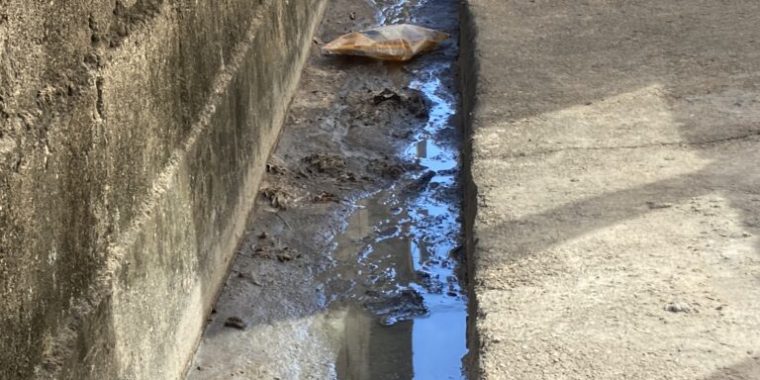
What
was
once
a
basic
municipal
service
has
now
become
a
severe
health
hazard,
leaving
families
frustrated
and
demanding
urgent
intervention.
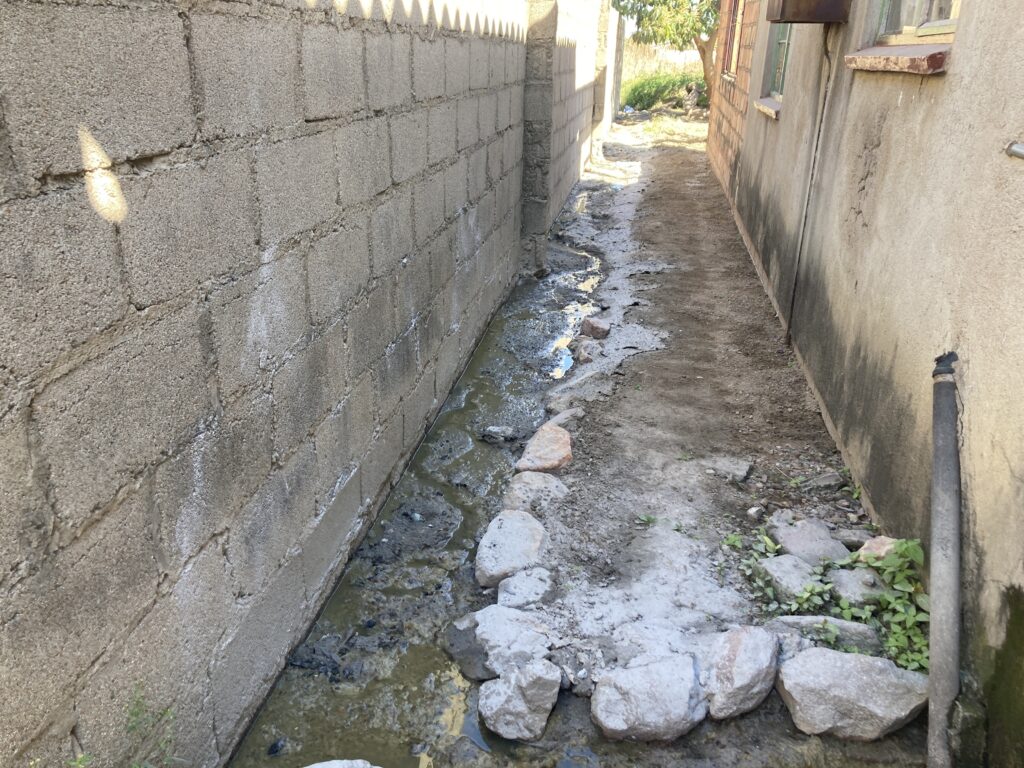
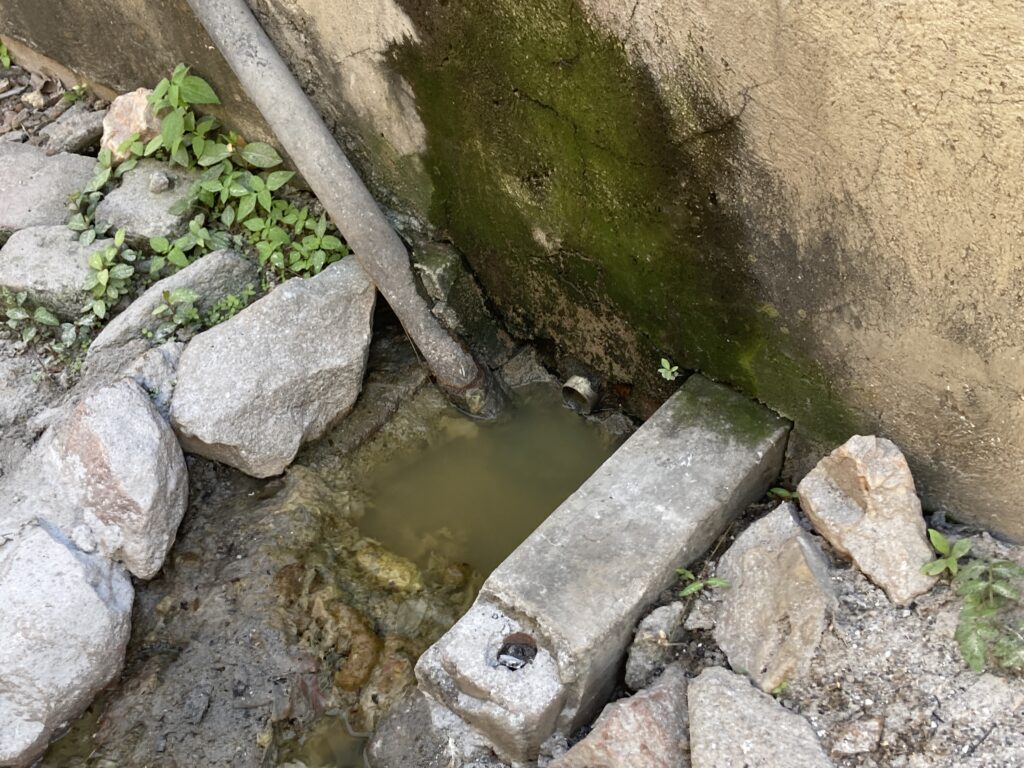
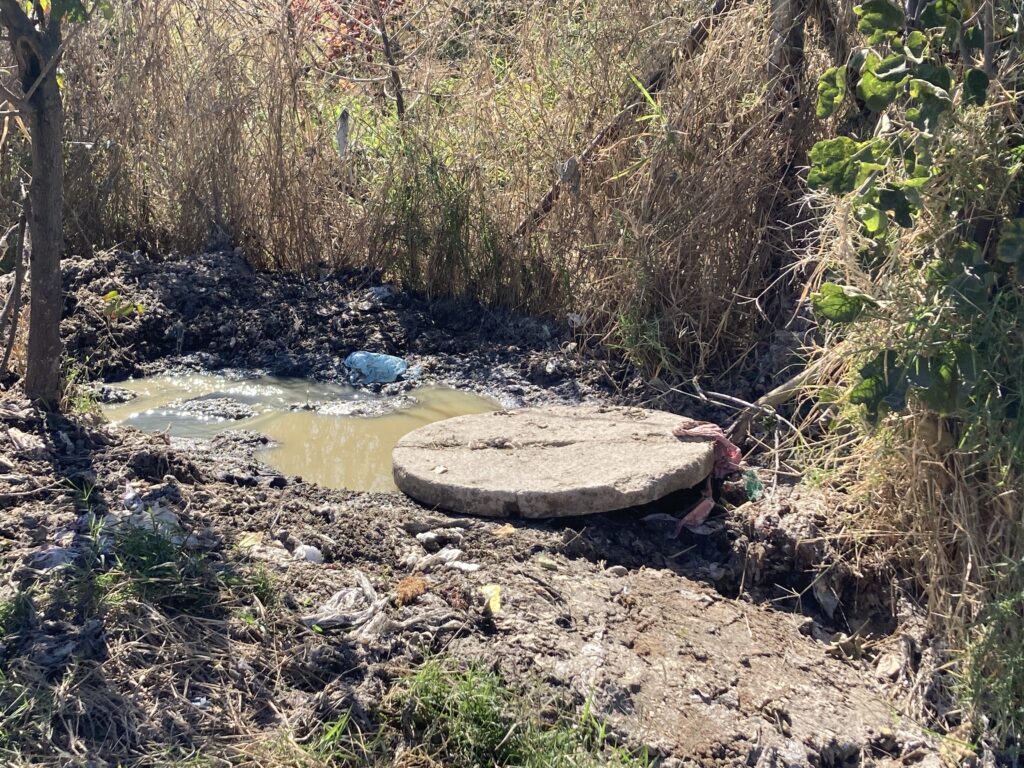
For
years,
residents
have
endured
sewage
spilling
into
their
homes
and
yards,
especially
during
the
rainy
season
or
when
municipal
water
is
restored,
often
without
any
support
from
authorities.

While
the
City
of
Bulawayo
has
acknowledged
the
problem,
affected
residents
say
promises
mean
little
without
visible
action
on
the
ground.
Michael
Ndlovu,
a
representative
of
Ward
28
under
the
Bulawayo
Progressive
Residents
Association
(BPRA),
said
the
infrastructure
has
not
been
maintained
for
decades.
“These
drainages
haven’t
been
repaired
since
the
time
of
[Ian]
Smith.
We’re
now
forced
to
live
among
faeces
and
disease.
The
council
should
just
admit
it
has
run
out
of
resources,
because
clearly,
nothing
has
been
done
to
help
residents,”
Ndlovu
said.
He
added
that
the
issue
had
escalated
beyond
a
sanitation
crisis
and
now
posed
a
humanitarian
emergency,
affecting
more
than
40
homes.
“Children
are
getting
sick.
Some
people
can’t
even
cook
inside
their
homes
because
the
smell
is
unbearable.
The
council
keeps
saying
they’re
‘planning’.
We’re
tired
of
plans,
we
want
action.
When
they
do
come,
they
patch
things
up
and
the
next
day,
the
drains
are
blocked
again,”
he
said.
Patrick
Sibanda,
another
resident
who
lives
near
the
local
shopping
centre,
described
daily
life
as
a
struggle
against
constant
contamination.
“My
house
smells
of
faeces.
When
the
drainage
system
blocks,
it’s
not
just
water,
it’s
sewage
from
the
shops
flowing
into
our
yards
and
homes.
When
I
flush
the
toilet,
I
get
waste
coming
from
the
terminus
instead
of
my
own.
We
try
to
sit
down
and
eat,
but
all
we
can
smell
is
sewage,”
he
said.
“It
gets
even
worse
during
the
rainy
season
or
when
water
is
restored,
levels
rise
and
sewage
overflows
directly
into
homes.”
Noxolo
Mahlangu,
another
resident,
said
every
week
when
water
is
restored,
she
is
forced
to
clean
faeces
that
gush
out
of
the
drains.
“I
clean
sewage
out
of
my
house
every
week.
I
put
sand
on
it
to
absorb
the
smell.
I’ve
been
doing
this
for
three
years.
Sometimes,
when
water
is
brought
in
the
evening,
I
have
to
mop
and
sweep
through
sewage
in
the
dark
while
my
children
cry
from
the
smell.
This
is
my
life,
sand,
water,
faeces,
repeat,”
Mahlangu
said.
Thabani
Ndebele,
another
affected
resident,
said
the
situation
had
severely
affected
his
health.
“I
got
sick
cleaning
up
the
mess.
I’ve
been
to
hospital
more
than
four
times
because
I
was
infected
by
the
sewage.
The
last
time
council
workers
came
to
unblock
the
pipes,
sewage
burst
out
and
they
just
left.
They
didn’t
even
come
back
to
clean
it
up,”
he
said.
Ward
28
Councillor
Ntando
Ndlovu,
said
the
local
authority
is
aware
of
the
situation
and
is
undertaking
daily
maintenance
to
manage
the
crisis.
“The
council
is
aware
of
the
persistent
sewer
blockages
in
Section
1A,
near
the
terminus.
Our
teams
are
conducting
daily
maintenance,
including
rodding,
jetting,
and
winching
to
manage
and
relieve
blockages
as
they
occur,”
Councillor
Ndlovu
said.
He
acknowledged
the
pressure
on
municipal
services
due
to
widespread
sewer
chokes
across
the
city
and
a
limited
response
capacity.
“To
enhance
our
response,
we’ve
subcontracted
private
companies
to
assist
with
technical
assessments
and
remedial
works.
This
ensures
that
residents
continue
to
receive
essential
support,”
he
said.
Ndlovu
added
that
the
council
currently
has
no
plans
to
relocate
or
compensate
residents,
as
efforts
remain
focused
on
resolving
the
sewer
blockages.
“A
private
contractor
has
been
engaged
to
replace
the
existing
sewer
lines
and
manholes
in
the
affected
areas.
This
is
a
long-term
fix
intended
to
address
the
root
cause
of
the
recurring
problems,”
he
said.
The
City
of
Bulawayo
is
also
conducting
technical
assessments
in
identified
hotspot
areas
as
part
of
broader
infrastructure
upgrades.
“Our
aim
is
to
implement
lasting
improvements,
including
the
replacement
of
aging
or
defective
lines,
to
prevent
future
blockages
and
improve
the
reliability
of
the
system,”
said
Ndlovu.
He
assured
residents
that
updates
would
be
shared
via
the
council’s
Public
Relations
Office
and
his
ward
office.
“A
dedicated
community
liaison
officer
is
also
working
closely
with
subcontractors
to
provide
real-time
updates
and
ensure
that
residents’
concerns
are
addressed
promptly,”
he
said.
However,
Ndlovu
admitted
that
delays
in
service
delivery
were
partly
due
to
a
shortage
of
vehicles,
equipment,
and
personnel.
“We
recognise
the
burden
this
has
placed
on
residents.
We
are
working
to
optimise
the
use
of
available
resources
to
reach
all
affected
areas
as
swiftly
as
possible,”
he
said.
When
asked
how
long
it
would
take
to
resolve
the
crisis,
Ndlovu
said
the
council
could
not
provide
a
definitive
timeline
due
to
the
technical
complexity
of
the
work
and
the
unpredictable
challenges
involved.
“One
of
the
contributing
factors
is
the
city’s
ongoing
water
shortages,
which
hinder
sewer
flow
and
worsen
blockages.
Nevertheless,
we
remain
committed
to
finding
a
permanent
solution,”
he
said.