
Data
from
the
Surveillance
and
Disease
Intelligence
Division
of
the
Africa
Centres
for
Disease
Control
and
Prevention
(Africa
CDC)
reveals
a
dramatic
spike
in
Zimbabwe,
where
suspected
cases
have
increased
in
2025.
As
of
epidemiological
week
23,
of
2025,
Zimbabwe
has
reported
111,998
cases
and
310
deaths
(case
fatality
rate
[CFR]:
0.27%)
as
compared
to
29,031
cases
with
49
deaths
(CFR:
0.17%)
in
the
same
period
in
2024.
“This
surge
is
no
coincidence,”
says
Dr
Memory
Mapfumo,
an
epidemiologist
at
the
Africa
CDC.
“Prolonged
rains
have
fuelled
mosquito
breeding,
while
activities
like
gold
panning,
fishing
and
artisanal
mining
are
exposing
more
individuals
to
risk,
especially
during
peak
mosquito
activity
hours.”
A
contributing
factor
is
the
interconnectedness
of
the
countries,
which
drives
transmission.
Across
Zimbabwe,
115
out
of
1,705
health
facilities
have
been
affected,
highlighting
the
widespread
impact
of
the
disease
on
healthcare
infrastructure.
Since
the
start
of
2025,
Mashonaland
Central
Province
has
accounted
for
32%
of
all
malaria
cases,
while
Manicaland
reported
25%
of
the
malaria-related
deaths.
The
situation
is
worsened
by
the
low
use
of
insecticide-treated
bed
nets
(ITNs),
leaving
communities
exposed
and
placing
further
strain
on
already
stretched
health
systems.
This
reflects
a
broader
challenge
across
southern
Africa,
where
shifting
climate
patterns
and
expanding
high-risk
livelihoods
are
driving
a
growing
malaria
threat,
necessitating
quicker,
more
targeted
and
sustained
responses.
However,
malaria
is
endemic
across
sub-Saharan
Africa,
particularly
in
regions
with
high
temperatures
and
rainfall,
which
create
ideal
breeding
grounds
for
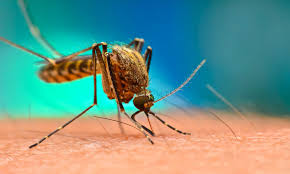
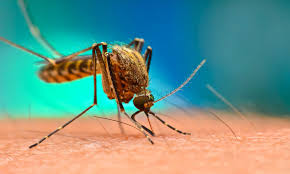
Anopheles
mosquitoes,
the
vector
that
transmits
the
malaria
parasite.
The
central
part
of
the
continent
–
both
north
and
south
of
the
equator
–
experiences
the
highest
malaria
incidence.
Other
factors
include
the
tropical
climate,
as
well
as
displacement
and
limited
access
to
preventive
measures.
Southern
Africa,
although
comparatively
less
affected,
remains
vulnerable
to
the
disease
due
to
climatic
conditions
that
favour
mosquito
breeding,
cross-border
population
movements
and
localised
outbreaks
in
high-risk
areas.
The
region’s
malaria
burden
fluctuates
with
rainfall
patterns,
human
activities
such
as
mining
and
agriculture,
and
gaps
in
healthcare
access,
making
sustained
intervention
crucial
for
reducing
transmission.
“As
climate
change
accelerates,
we
are
witnessing
shifts
in
temperature
and
rainfall
that
are
expanding
the
range
of
malaria-carrying
mosquitoes,
introducing
vectors
into
previously
unaffected
regions,”
said
Dr
Merawi
Aragaw,
head
of
Africa
CDC’s
Surveillance
and
Disease
Intelligence.
He
emphasised
that
this
is
not
only
a
regional
issue
but
a
global
challenge
that
calls
for
coordinated
international
efforts.
“Sustained
vector
control
measures
–
including
environmental
management,
strengthening
surveillance,
drug
and
diagnostic
resistance
monitoring,
and
fostering
cross-border
collaboration
–
will
be
critical
in
mitigating
the
growing
threat
of
vector-borne
diseases,
especially
malaria,”
said
Dr
Merawi.
The
regional
surge
underscores
a
broader
global
trend,
with
malaria
cases
worldwide
climbing
to
263
million
in
2023,
up
from
252
million
the
previous
year,
and
Africa
accounting
for
95%
of
all
malaria-related
deaths.
Despite
these
alarming
figures,
there
have
been
significant
successes:
Cabo
Verde
was
certified
malaria-free
in
2023,
and
Egypt
is
poised
to
achieve
the
same
in
2024.
Yet
for
many
countries
in
southern
Africa,
the
road
to
elimination
remains
steep,
with
outbreaks
threatening
to
reverse
years
of
progress.
Take
Botswana,
which
since
epidemiological
weeks
1–23
of
2025
has
recorded
2,223
cases
and
11
deaths,
compared
to
218
cases
and
no
deaths
in
the
same
period
in
2024.
Okavango
has
been
hit
hardest,
accounting
for
69%
of
the
cases.
Since
the
outbreak
began
in
November
2024,
a
total
of
2,344
cases
have
been
reported,
with
sporadic
outbreaks
appearing
in
non-endemic
districts.
Flooding
caused
by
heavy
rains
has
contributed
significantly
to
the
outbreak
by
creating
favourable
conditions
for
mosquito
breeding.
Furthermore,
many
local
residents
remain
unaware
of
the
risks,
contributing
to
delayed
responses
when
symptoms
first
appear.
To
counter
this,
Botswana’s
Ministry
of
Health
has
intensified
case
management
and
surveillance,
launched
community
engagement
campaigns,
and
distributed
ITNs.
However,
efforts
have
been
hindered
by
inadequate
funding
and
community
resistance
to
the
interventions.
Although
the
Kingdom
of
eSwatini
is
in
the
malaria
elimination
phase,
eSwatini,
too,
is
grappling
with
an
upsurge
in
malaria
cases.
The
Ministry
of
Health
recently
issued
a
press
notice
to
draw
attention
to
the
issue.
From
July
2024
to
March
2025,
the
kingdom
has
recorded
187
malaria
cases.
Children
under
15
years
account
for
15%
of
the
reported
cases,
which
has
led
to
increased
school
absenteeism.
Twenty
per
cent
of
cases
have
been
among
farmers,
especially
those
involved
in
illegal
farming
activities
in
the
mountains.
These
farmers
often
work
at
night,
guarding
their
crops
without
any
protective
measures,
leaving
them
exposed
to
mosquito
bites.
The
majority
of
cases
are
concentrated
in
the
Hhohho
and
Lubombo
regions,
prompting
the
Ministry
of
Health
to
increase
its
response
efforts,
including
indoor
residual
spraying
(IRS)
and
the
distribution
of
ITNs.
Despite
these
interventions,
eSwatini’s
malaria
elimination
programme
faces
significant
hurdles.
There
are
challenges
in
achieving
complete
coverage
of
IRS
and
ITN
distribution,
and
many
individuals
still
fail
to
adopt
protective
behaviours.
Nonetheless,
the
government
remains
committed
to
eliminating
malaria
and
addressing
the
underlying
causes,
such
as
illegal
farming
and
inadequate
community
awareness.
Namibia
is
another
country
witnessing
a
significant
rise
in
malaria
cases,
with
over
89,959
cases
and
146
deaths
reported
since
November
2024
from
37
of
121
districts.
Of
these
cases,
18%
(15,954
cases)
are
imported
from
neighbouring
countries
experiencing
malaria
outbreaks,
and
82%
are
local.
The
hardest-hit
districts
in
Namibia
include
Katima
Mulilo,
Nkurenkuru,
Andara,
Outapi
and
Rundu.
Malaria
continues
to
have
a
severe
impact
on
children
above
five
years
and
pregnant
women,
who
represent
11%
and
3%
of
the
reported
cases,
respectively.
Most
cases
reported
were
among
males
(58%).
Of
major
significance
is
the
interconnectedness
of
southern
Africa,
which
complicates
malaria
control
efforts,
especially
in
border
regions.
In
Botswana,
districts
bordering
Namibia
and
Zimbabwe
are
particularly
vulnerable
to
cross-border
transmission,
with
malaria
spreading
easily
between
neighbouring
countries
with
ongoing
outbreaks.
This
highlights
the
importance
of
regional
cooperation
and
cross-border
surveillance
in
combating
the
disease.
Efforts
to
enhance
case
management,
improve
surveillance
and
increase
the
use
of
ITNs
are
critical
in
curbing
transmission
in
these
high-risk
areas.
According
to
Africa
CDC,
the
increase
in
malaria
cases
in
the
region
highlights
the
pressing
need
for
continued
vigilance
and
investment
in
malaria
control.
Governments
need
to
enhance
their
efforts
to
improve
the
use
of
ITNs,
strengthen
community
engagement,
and
address
the
environmental
and
social
factors
driving
the
outbreaks,
such
as
illegal
farming
and
exposure
to
mosquito
breeding
grounds.
Equally
important
is
the
need
for
a
concerted
effort
to
address
delays
in
reporting,
ensuring
the
timely
and
accurate
collection
of
data
to
inform
public
health
interventions.
Yet,
while
the
fight
against
malaria
remains
an
uphill
battle,
the
successes
in
Cabo
Verde
and
Egypt
offer
hope
that
with
the
right
strategies,
the
elimination
of
malaria
in
southern
Africa
is
possible.
Post
published
in:
Featured