

Librarians
don’t
come
across
as
folks
who
storm
the
Bastille.
But
when
the
118th
annual
meeting
of
the
American
Association
of
Law
Libraries
met
in
Portland
this
week
under
a
banner
exhorting
the
group
to
“Be
Bold,”
deep
thoughts
about
the
Dewey
decimal
system
gave
way
to
revolutionary
resolve.
In
his
keynote
address,
Roosevelt
Weeks,
the
Fort
Bend
County
library
director,
reaffirmed
the
core
values
of
the
profession
to
serve
the
public
and
preserve
knowledge.
And
that
calling
requires
librarians
to
be
both
“strategic
and
subversive,”
prompting
a
cathartic
release
from
an
assembled
body
battered
by
an
assault
of
budget
cuts
and
book
bans.
Step
outside
the
comfort
zone
to
make
sure
the
money
people
understand
the
library’s
importance
and
make
sure
the
customer
gets
the
knowledge
they
seek
at
a
time
where
powerful
interests
keep
throwing
up
roadblocks.
It
sparked
the
librarian
equivalent
of
running
through
a
wall
after
a
locker
room
speech:
filing
out
of
the
room
in
an
orderly
fashion.
The
attendees
needed
this
sort
of
a
pep
talk
to
heal
some
cracks
in
solidarity.
Rumbling
under
the
buzz
of
the
vendor
hall,
some
public-side
librarians
harbored
some
frustration
toward
their
private-sector
counterparts.
It’s
a
professional
conference
and
not
Real
Housewives
so
I
never
had
the
opportunity
to
Andy
Cohen
my
way
through
the
dispute,
but
the
folks
suffering
the
brunt
of
DOGE-fueled
haphazard
budget
cuts
and
“wokeness”
crackdowns
orchestrated
by
grandstanding
politicos
feel
a
little
abandoned
by
Biglaw
and
private
school
librarians
keeping
their
heads
down.
If
it’s
a
professional
organization,
where’s
the
professional
support?
It’s
a
dicey
situation
though.
When
Biglaw
managing
partners
cower
in
fear
whenever
Trump
talks,
a
Biglaw
firm
librarian
doesn’t
necessarily
enjoy
the
freedom
to
stand
up
in
righteous
indignation.
That’s
how
authoritarianism
works:
atomize
communities
to
divide
and
conquer.
Forcing
rifts
within
the
guild
is
the
whole
play.
It’s
also
further
support
for
the
need
to
be
“strategic
and
subversive.”
Recognize
that
not
everyone
can
fight
the
same
fight
the
same
way,
but
those
who
can’t
fight
can’t
forfeit
their
obligation
to
find
creative
avenues
to
support
their
colleagues.
Because,
as
the
experience
of
Biglaw
surrender
firms
shows,
the
machine
can
and
will
come
for
the
private
sector
soon
enough.
A
panel
on
media
literacy
briefed
librarians
on
the
struggle
against
disinformation.
Or
how
civilization
is
circling
the
drain
while
we
play
whack-a-mole
with
InfoWars.
Randy
Blazak,
Chair
of
the
Oregon
Coalition
Against
Hate
Crime,
framed
the
discussion
through
the
work
of
Emile
Durkheim.
You
know,
like
most
lawyer
conversations.
But
specifically,
Durkheim’s
concept
of
anomie:
a
condition
of
normlessness
where
people
suffer
free-floating
dismay
at
their
inability
to
cope.
Durkheim’s
work
focused
on
a
rise
in
suicide
during
industrialization.
Today
it’s
getting
into
QAnon
to
deal
with
the
fact
that
minorities
live
down
the
street.
There’s
a
reason
Make
America
Great
Again
never
gets
too
explicit
about
what
they
mean
by
“great.”
The
descent
into
crazy
has
long
been
a
funnel,
taking
mainstream
conservative
thought
at
the
top
and
watching
as
some
of
those
Republican
Rotarians
get
a
little
too
into
anti-government
rhetoric
and
then
QAnon
and
then
zip-tying
a
member
of
Congress.
And
then,
obviously,
getting
a
senior
DOJ
post
in
this
administration.
But
the
mouth
of
the
funnel
is
wider
than
ever
post-COVID
and
the
process
is
compressed.
The
red-pill
brick
road
from
anti-vaxxing
to
January
6
is
a
lot
shorter
than
it
was
from
William
F.
Buckley
to
Oklahoma
City.
Librarians
can’t
fix
everything,
but
they
do
serve
as
a
key
intervention
point
in
the
disinformation
process.
For
law
librarians,
they
can
tend
the
switch
that
diverts
the
next
sovereign
citizen.
It’s
a
little
like
a
flu
shot
in
the
middle
of
a
bioweapon
attack,
but
it’s
a
role
that
the
librarians
can
uniquely
fill.
A
panel
on
the
librarian’s
role
in
historical
research
provided
an
unintentional
counterpoint.
If
the
morning
session
addressed
fighting
disinformation,
this
one
involved
librarians
being
used
to
manufacture
it.
With
originalist
judges
getting
high
on
18th-century
vibes,
librarians
are
tasked
with
compiling
the
material
that
feeds
that
fuels
that
judicial
addiction.
Some
quantitative
data
from
the
session
revealed
that
the
Supreme
Court
—
in
particular
the
conservatives
—
are
increasingly
citing
endogenous
materials
outside
of
any
of
the
briefs.
And
while
judges
should
endeavor
to
get
the
right
answer
regardless
of
the
briefing,
the
briefs
have
the
benefit
of
surviving
the
adversarial
process.
When
a
judge
yanks
a
book
from
obscurity
and
tells
the
parties,
“interesting
argument,
but
anyway
I
read
this
instead”
it
undermines
the
deliberative
process.
Anyway,
it’s
the
librarians
gathering
all
that
endogenous
history
at
the
behest
of
the
justices.
And
certainly
it’s
their
job
to
deliver
for
their
customers,
it
just
felt
like
a
process
designed
to
enable
the
worst
impulses
in
disingenuous
jurists.
For
example,
judges
prefer
online
materials
for
the
same
reasons
of
convenience
we
all
do,
but
this
by
its
nature
exclude
wide
swaths
of
actual
history.
Librarians,
by
and
large
don’t
want
to
deliver
half
the
story
just
because
it’s
the
only
part
that
someone
bothered
to
digitize,
but
that’s
what
the
courts
demand.
One
librarian
noted
taking
the
time
to
learn
corpus
linguistics
to
serve
judges
who
might
request
the
fashionable
academic
tool
to
abuse
in
search
of
a
cherry-picked
textual
meaning.
Apparently,
no
judge
had
yet
taken
up
that
service
at
the
library
in
question,
but
maybe
it’s
because
they’ve
already
started
using
AI
for
all
their
fake
language
history
needs.
Hell,
soon
the
Federalist
Society
won’t
need
librarians
at
all!
As
the
research
presented
at
the
panel
revealed,
justices
(and
presumably
the
judges
copying
them)
are
citing
more
secondary
sources
these
days.
Research
can
be
so
darn
inconvenient
for
reverse
engineering
a
result,
but
prepackaged,
pseudo-historical
law
reviews
written
by
intellectual
fellow
travelers
provide
an
end
run
around
the
academic
rigor
librarians
bring
to
the
process.
Get
some
FedSoc
flunkies
to
slap
together
some
historical-ish
footnotes
and
get
it
published
by
some
2L
journal
staff
hoping
to
bolster
their
future
clerkship
prospects!
It’s
not
so
much
research
as
it’s
intellectual
laundering.
Bringing
us,
inevitably,
to
the
robots.
Like
everywhere
else
in
2025,
artificial
intelligence
dominated
the
conference.
The
vendor
hall
provided
an
AI
petting
zoo
showing
off
the
proprietary
work
being
done
to
herd
large
language
models
into
professionally
responsible
pens.
Law
librarians
may
not
control
the
tech
budget,
but
they
might
be
the
fiercest
internal
constituency
a
vendor
can
nurture.
They
survived
the
digital
revolution
and
came
out
the
other
side
as
knowledge
managers…
they
will
hold
a
lot
of
sway
in
how
the
next
phase
of
legal
research
plays
out.
Yet
for
all
its
promise,
AI
is
already
part
of
the
legal
research
problem.
Stephen
Embry
already
wrote
about
the
risk
AI
poses
to
the
very
development
of
critical
thinking
skills.
But
the
decision
to
jam
AI
into
everything
causes
fundamental
research
miscues
too.
No
one
writes
a
brief
off
Google,
but
sometimes
you
need
a
basic
internet
search
just
to
figure
out
where
to
even
begin.
But
now
users
don’t
even
go
into
the
various
primary
resources
the
engine
finds
because
there’s
a
half-assed
summary
at
the
top
that
dissuades
anyone
from
scrolling
down.
This
even
came
up
in
at
the
conference
—
during
the
originalism
panel,
someone
mentioned
Elena
Kagan
saying
“we’re
all
originalists
now”
at
her
confirmation
hearings.
Except
she
didn’t.
The
“we’re
all
______
now”
construction
comes
from
Kagan’s
2015
Harvard
Law
School
lecture
where
she
said
we’re
all
textualists
now.”
During
her
confirmation
hearings,
in
response
to
an
inquiry
about
the
Framers
and
search
and
seizure,
Kagan
said,
“sometimes
they
laid
down
very
specific
rules.
Sometimes
they
laid
down
broad
principles.
Either
way
we
apply
what
they
say,
what
they
meant
to
do.
So
in
that
sense,
we
are
all
originalists.”
A
minor
distinction
to
be
sure,
especially
when
you
remember
textualism
and
originalism
are
just
advertising
copy
for
the
same
garbage
jurisprudence.
BUT,
the
error
made
its
way
into
the
session
because
when
you
ask
Google
you
get:

This
is
the
slop
people
have
to
wade
through
now.
As
John
Adams
might
say,
“vibes
are
stubborn
suggestions.”
That’s
an
exact
quote
I’m
sure
because
AI
tells
me
so.
Librarians
form
the
last
line
of
defense
against
an
information
apocalypse.
It’s
not
just
those
budget
cuts
and
book
bans.
They’re
also
watching
AI
slop
supercharge
disinformation
campaigns
and
casually
mislead
users
while
being
told
that
the
real
threat
to
democracy
is
a
drag
queen
reading
Where
the
Wild
Things
Are.
Law
librarians
may
not
face
the
latter
problem
as
often
but
as
the
guardians
of
the
body
of
legal
research
that
undergirds
a
common
law
system,
they’re
fighting
off
all
the
other
problems
while
being
told
they’re
going
to
be
replaced
by
a
mansplaining
machine
spitting
out
fake
cases.
It’s
an
all
around
depressing
moment.
But
one
that
the
librarians
can
face
down
if
they’re
strategic
and
subversive
enough.
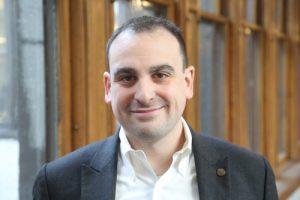 Joe
Joe
Patrice is
a
senior
editor
at
Above
the
Law
and
co-host
of
Thinking
Like
A
Lawyer.
Feel
free
to email
any
tips,
questions,
or
comments.
Follow
him
on Twitter or
Bluesky
if
you’re
interested
in
law,
politics,
and
a
healthy
dose
of
college
sports
news.
Joe
also
serves
as
a
Managing
Director
at
RPN
Executive
Search.