

Even
when
a
drug
finishes
its
production
in
the
U.S.,
its
active
and
inactive
components
often
come
from
overseas.
While
pharmaceutical
companies
have
been
unveiling
plans
for
new
U.S.
manufacturing
plants
in
response
to
the
Trump
administration’s
threat
of
tariffs,
few
of
these
plans
mention
the
production
of
active
pharmaceutical
ingredients,
or
APIs.
The
Trump
administration’s
policy
goal
of
bringing
of
bringing
drug
manufacturing
back
to
the
U.S.
is
now
expanding
to
APIs
under
a
new
executive
order
signed
Wednesday.
The
administration
is
making
a
list
of
medicines
“especially
critical
to
the
health
and
security
interests
of
the
Nation.”
Based
on
that
list,
the
government
will
stockpile
APIs
for
these
drugs.
In
the
order,
the
administration
states
that
nearly
two
in
five
prescription
drugs
are
finished
in
the
U.S.
But
by
volume,
only
about
10%
of
APIs
for
these
finished
products
are
made
in
the
U.S.
The
executive
order
builds
on
a
stockpiling
initiative
started
under
the
first
Trump
administration.
In
2020,
the
administration
created
the
Strategic
Active
Pharmaceutical
Ingredient
Reserve
(SAPIR)
to
stockpile
APIs.
According
to
the
order,
drug
procurement
and
stockpiling
did
not
increase
under
President
Biden
and
the
SAPIR
is
now
nearly
empty.
The
order
directs
the
Office
of
the
Assistant
Secretary
for
Preparedness
Response
(ASPR),
a
part
of
the
Department
of
Health
and
Human
Services
(HHS),
to
develop
a
list
of
about
26
critical
drugs.
The
order
also
directs
the
office
to
account
for
funds
that
can
be
used
to
stock
and
maintain
SAPIR,
maintaining
a
six-month
supply
of
APIs
for
these
medicines.
“Stockpiling
APIs
is
advantageous
as
APIs
are
generally
lower-cost
and
have
longer
shelf
lives
than
the
finished
drug
products
they
make,”
the
order
states.
“Filling
the
SAPIR
will
also
insulate
the
United
States
from
the
concentration
of
foreign,
sometimes
adversary,
nations
in
the
world-wide
supply
of
the
Key
Starting
Materials
used
to
make
APIs.
Moreover,
Government
purchases
of
APIs
to
fill
the
SAPIR
can
encourage
more
domestic
production
of
APIs.”
There
is
some
movement
in
domestic
API
production.
Ahead
of
the
executive
order,
AbbVie
this
week
announced
plans
to
invest
$195
million
in
an
existing
North
Chicago-based
facility
to
expand
its
API
manufacturing
capabilities.
The
announcement
is
part
of
more
than
$10
billion
in
capital
investments
planned
by
the
drugmaker.
Construction
of
the
API
facility
will
begin
later
this
year
and
is
projected
to
become
operational
in
2027.
When
Eli
Lilly
last
year
announced
plans
for
a
$5.3
billion
expansion
of
an
Indiana
site,
the
company
said
this
location
will
make
the
active
pharmaceutical
ingredient
in
its
metabolic
medicines
Mounjaro
and
Zepbound.
But
it’s
not
clear
that
such
products
would
make
the
cut
of
being
critical
or
essential
medicines.
In
2020,
the
Trump
issued
an
executive
order
directing
the
FDA
to
make
a
list
of
essential
medicines,
medical
countermeasures,
and
critical
inputs.
ASPR
later
narrowed
that
list
to
86
essential
medicines.
The
latest
executive
order
directs
ASPR
to
update
the
list
of
essential
medicines
and
provide
a
plan
for
obtaining
these
drugs,
with
a
preference
for
domestic
manufacturers.
SAPIR
will
also
maintain
a
six-month
supply
of
these
essential
medicines
(if
they
are
not
already
on
the
critical
drug
list).
It
doesn’t
appear
Trump
will
seek
new
Congressional
funding
for
the
stockpile.
The
order
states
that
the
Office
of
Management
and
Budget
will
help
HHS
facilitate
repurposing
of
available
funds,
consistent
with
the
law.
This
step
will
happen
within
the
next
30
days.
Within
120
days
of
the
order,
and
subject
to
the
availability
of
funding,
ASPR
will
prepare
SAPIR
to
receive
APIs.
The
order
also
calls
for
a
proposal
and
cost
estimate
for
opening
a
second
SAPIR
in
the
U.S.
within
one
year.
In
a
note
sent
to
investors,
Leerink
Partners
analyst
Puneet
Souda
said
it’s
hard
to
assess
the
order’s
impact
until
the
26
critical
drugs
are
selected.
He’s
also
awaiting
clarity
on
financial
details,
such
as
whether
the
administration
is
willing
to
pay
much
higher
prices
for
stockpiling
API
and
generics
that
are
manufactured
in
the
U.S.
when
cheaper
alternatives
are
available
from
other
countries,
mainly
India
and
China.
“The
essential
medicines
list
published
by
FDA
in
2020
is
skewed
toward
generics
such
as
amoxicillin,
acetaminophen,
and
antibiotics,
i.e.,
low-cost,
high-volume
drugs,”
Souda
said.
“Manufacturing
such
APIs
in
the
U.S.
would
likely
increase
the
cost
per
pill
due
to
higher
labor,
energy,
and
compliance
costs.”
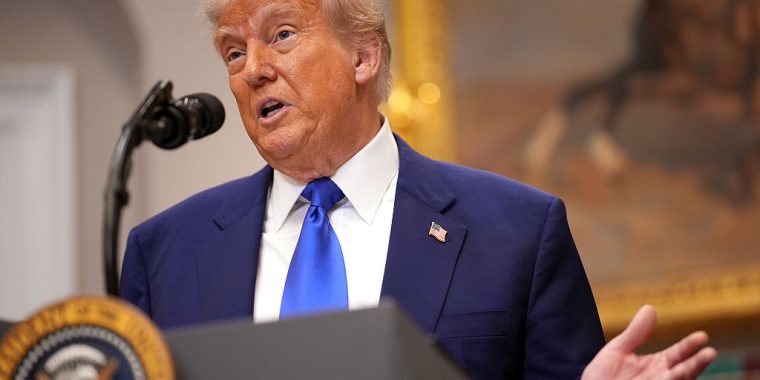
Photo:
Andrew
Harnik,
Getty
Images