

WASHINGTON
—
Depending
on
who
you
ask,
the
Department
of
Government
Efficiency
(DOGE)
has
either
been
a
radical
effort
that
has
saved
taxpayers
tens
of
billions
of
dollars,
or
a
wild
goose
chase
that
has
crippled
the
government
for
years
to
come.
One
thing
that
many
can
agree
on,
however,
is
uncertainty
about
exactly
how
much
money
has
been
saved,
and
where.
That’s
true
especially
in
the
Pentagon,
where
numbers
thrown
around
by
different
officials
don’t
seem
to
line
up.
Pentagon
Press
Secretary
Sean
Parnell
said
in
June
the
DoD
had
saved
“over
$10
billion.”
A
month
later,
the
Air
Force
said
in
a
statement
that
officials
“reviewed
over
500
contracts
and
50
business
systems,
realizing
savings
and
cost
avoidance
of
$10.4B.”
Then
earlier
this
month
the
Pentagon
released
a
budget
overview
for
fiscal
2026
[PDF]
that
identified
$13.8
billion
saved
“through
the
reduction
of
excess
bureaucratic
costs,”
but
that
was
only
part
of
“nearly
$30
billion
that
was
realigned”
from
some
DoD
projects
to
“higher
priority
programs”
following
“efficiency
reviews.”
Amid
all
the
figures,
one
document
quietly
provided
some
black-and-white
clarity:
the
fiscal
2026
defense
budget,
which
listed
hundreds
of
cases
of
DOGE-related
savings
—
a
few
million
dollars
here,
a
few
thousand
dollars
there,
scattered
across
pages
and
pages.
No
total
amount
of
savings
was
originally
offered
in
the
budget
submission,
so
at
Breaking
Defense’s
request,
the
American
Enterprise
Institute
conducted
a
line-by-line
analysis
of
the
budget
to
determine
DOGE’s
impact
on
the
DoD
so
far.
AEI’s
work
concluded
that
the
budget
documents
show
roughly
$11.1
billion
in
DOGE-related
cuts,
largely
through
workforce
reductions
across
a
number
of
Pentagon
programs.
Budget
documents
also
reflect
other
measures
to
reduce
spending
like
slashing
travel.
In
some
ways,
it’s
the
most
granular
accounting
put
on
paper
for
DOGE’s
time
at
the
Pentagon,
but
as
with
DOGE’s
work
elsewhere,
comes
with
a
host
of
caveats
and
no
small
amount
of
confusion.
“What
is
a
DOGE
cut
versus
a
program
reduction
versus
some
other
efficiency
initiative
that
may
have
been
going
on,”
said
AEI’s
Todd
Harrison,
a
longtime
budget
expert.
“So
it’s
a
little
hard
to
define,
but
they
are
at
least
claiming
credit
for
these
cuts
that
we
can
see
in
the
budget
request.
There
may
be
other
reductions
elsewhere
that
we
can’t
see.”
What
The
Budget
Analysis
Shows
The
listing
of
DOGE-led
savings
are
somewhat
unique,
noted
AEI’s
Elaine
McCusker,
a
former
Pentagon
comptroller
who
served
during
the
first
Trump
administration.
Whereas
most
administrations
in
their
first
year
are
eager
to
get
their
budget
on
Capitol
Hill
—
leaving
little
time
to
make
significant
changes
—
the
inaugural
budget
from
the
second
Trump
administration
reflected
tangible
efforts
to
reshape
military
spending.
And
while
the
savings
were
difficult
to
identify
and
compile
in
the
budget
documents,
“the
fact
that
they
did
it
at
all,
I
think,
is
interesting
and
commendable,”
she
said.
McCusker’s
AEI
colleagues
cautioned
that
the
DOGE
savings
data
they
manually
extracted
may
have
some
inaccuracies
due
to
how
they
were
written
in
budget
documents,
which
at
times
showed
positive
or
negative
numbers,
misspellings
and
other
inconsistencies.
(One
Democratic
lawmaker
recently
chided
the
Pentagon
for
a
number
of
what
he
called
“big
mistakes”
in
the
DoD’s
budget
proposal.)
of
Defense
Pete
Hegseth
testifies
during
a
Senate
Armed
Services
Committee
hearing
on
the
Department
of
Defense
budget
request
for
fiscal
year
2026
and
the
Future
Years
Defense
Program
at
the
Dirksen
Senate
Office
Building,
Washington,
D.C.,
June
18,
2025.
(DoD
photo
by
U.S.
Navy
Petty
Officer
1st
Class
Alexander
Kubitza)
By
service,
the
Navy,
which
includes
the
Marine
Corps,
led
the
way
in
DOGE
savings
with
what
was
identified
as
nearly
$3.7
billion
in
cuts
across
its
spending
accounts,
according
to
AEI’s
analysis.
Close
behind
was
the
Army
with
$3.2
billion.
The
Air
Force,
which
includes
the
Space
Force,
followed
with
approximately
$2.3
billion
in
cost
reductions.
Defense-wide
savings
further
totaled
$1.9
billion.
The
AEI
analysis
shows
a
clear
trend
toward
savings
found
primarily
by
targeting
two
types
of
civilian
workers:
employees
who
worked
directly
for
DoD
and
contractors.
Pentagon
civilians
were
targeted
through
various
layoffs
and
a
deferred
resignation
program
encouraging
exits.
Contractors
were
hit
with
contract
cancellations,
hitting
big-name
firms
and
federally
funded
research
and
development
centers
(FFRDCs).
Many
of
the
savings
discussed
in
budget
documents
recycle
similar
language,
typically
pointing
to
one
of
two
DOGE-focused
executive
orders
—
one
on
“cost
efficiency”
and
another
on
“workforce
optimization”
—
to
justify
the
reductions.
Take
the
Air
Force’s
KC-46
Pegasus
refueler
tanker.
Procurement
documents
list
a
roughly
$6.3
million
cut
to
the
program
“for
Advisory
and
Assistance
Services,”
which
the
description
says
was
carried
out
“to
promote
efficiencies
and
advance
the
policies
of
the
Administration
in
alignment
with
Executive
Order
14222,
‘Implementing
the
President’s
Department
of
Government
Efficiency
Cost
Efficiency
Initiative.’”
The
Navy’s
CH-53K
King
Stallion
heavy-lift
helicopter
procurement
similarly
saw
its
personnel
funding
reduced
via
DOGE,
this
time
by
about
$3.4
million.
The
service’s
budget
documents
say
the
cut
was
“for
civilian
personnel
to
optimize
the
workforce
in
compliance
with
Executive
Order
14210,
Implementing
the
President’s
Department
of
Government
Efficiency
Workforce
Optimization
Initiative.”
The
program’s
advisory
and
assistance
services
were
reduced
by
nearly
$1
million
as
well,
according
to
the
documents.
Considering
the
cuts
to
staff
positions,
it’s
perhaps
no
surprise
that
the
Pentagon’s
operations
and
maintenance
(O&M)
account
came
in
first
among
DOGE
cuts,
with
over
$8.1
billion
in
savings.
The
Pentagon’s
research
and
development
account
came
in
a
distant
second
with
over
$1.8
billion
in
spending
cuts,
followed
by
procurement
that
saw
a
decrease
of
nearly
$1.1
billion.
Revolving
and
management
spending
rounded
out
the
DOGE
cuts
with
$11.9
million
reduced,
according
to
AEI’s
analysis.
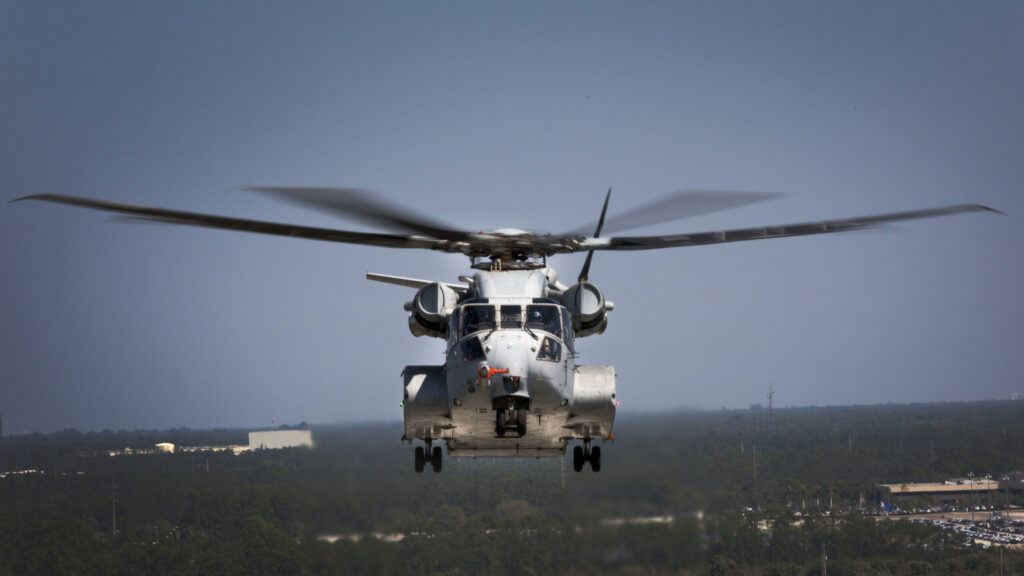
CH-53K
King
Stallion
flies
a
test
flight
in
West
Palm
Beach,
Fla.
on
March
22,
2017.
(U.S.
Marine
Corps
photo
by
Lance
Cpl.
Molly
Hampton)
Travel
appeared
to
be
another
main
source
of
DOGE
savings,
with
no
number
too
small.
The
Army’s
O&M
budget
documents,
for
example,
show
that
along
with
workforce
cuts,
the
service
trimmed
roughly
$45,000
from
the
Industrial
Preparedness
subactivity
group
for
“discretionary
travel
funding
to
align
with
Executive
Order
14222,
‘Implementing
the
President’s
Department
of
Government
Efficiency
Cost
Efficiency
Initiative.’”
What
The
Pentagon
Says
About
Its
Own
Numbers
Recently,
the
Pentagon
released
an
official
budget
overview
detailing
changes
to
the
DoD’s
spending
as
a
result
of
administration
initiatives,
which
announced
that
“efficiency
reviews”
yielded
“nearly
$30
billion
that
was
realigned
to
higher
priority
programs”
—
a
number
that
includes
$12.7
billion
in
program
changes
like
the
cancellation
of
the
E-7
Wedgetail
radar
plane,
among
other
categories.
That
same
overview
claims
the
Pentagon’s
FY26
budget
cuts
$13.8
billion
“through
the
reduction
of
excess
bureaucratic
costs
by
reshaping
and
optimizing
the
civilian
workforce,
reducing
contracts
for
advisory
and
assistance
services,
and
reducing
travel
costs.”
Of
those
claimed
figures,
$6.8
billion
was
saved
by
“workforce
optimization/working
capital
fund
efficiencies,”
whereas
$5.5
billion
was
cut
from
advisory
and
assistance
service
contracts
and
FFRDCs.
Workforce
optimization
primarily
refers
to
civilian
employees,
while
advisory
and
assistance
services
cover
contracted
work.
The
document
then
says
$1.1
billion
was
saved
on
travel
and
$400
million
from
“other
reforms.”
The
overview
doesn’t
attribute
these
personnel
savings
specifically
to
DOGE,
saying
only
that
the
efficiency
reviews
were
performed
to
“implement
executive
orders,”
though
the
budget
documents
show
that
labor
cuts
were
justified
by
the
DOGE-related
executive
orders.
A
section
in
the
overview
that
bears
the
title
of
DOGE
“identified
savings”
doesn’t
list
a
dollar
value,
but
does
read
that
“390
contracts
and
grants
have
been
terminated
or
adjusted
by
DOGE
efforts,
and
Department-wide
reviews
are
continuing
to
scrutinize
over
400,000
open
contracts
and
grants
for
additional
savings
in
FY
2026
and
beyond.”
DOGE-driven
“efficiency
efforts,”
the
document
adds,
“are
multi-layered
and
will
be
enacted
over
multiple
budget
cycles.”
But
those
aren’t
the
only
figures
the
Pentagon
has
put
out.
Earlier
this
year,
Defense
Secretary
Pete
Hegseth
directed
the
military
services
to
collectively
free
up
$50
billion
that
could
be
directed
to
new
priorities
in
FY26,
and
the
lines
between
DOGE-specific
cuts,
general
priority
reviews
and
other
administration
initiatives
can
be
somewhat
hazy.
It’s
further
unclear
exactly
how
those
differing
figures
match
up
with
what
is
in
the
FY26
budget
documents.
A
spokesperson
for
the
Pentagon
said,
“The
Secretary
continues
to
actively
pursue
the
President’s
agenda
by
ridding
out
the
waste,
fraud,
and
abuse
in
the
Department
and
reallocating
the
savings
to
fund
different
parts
of
the
critical
war
fighting
ability,”
but
declined
to
respond
on
the
record
to
specific
questions
about
DOGE
savings
in
the
budget
request.
The
Army
and
Navy
did
not
respond
to
a
request
for
comment.
An
Air
Force
spokesperson
told
Breaking
Defense
in
July
that
the
Department
of
the
Air
Force
“conducted
efficiency
reviews”
which
“achieve[d]
cost
savings
or
avoidance
on
contracts”
by
“descoping,
reducing
the
contract
ceiling,
terminating,
or
declining
to
exercise
contract
option
periods.”
As
one
example,
the
spokesperson
said
officials
“terminated
or
descoped
the
Air
Force
Strategic
Transformation
Support
Contract
which
yielded
approximately
$4.8B
in
cost
savings/avoidance,”
noting
that
duties
under
the
contract
“will
be
performed
by
our
highly
skilled
DoD
workforce.”
The
FY26
budget
documents
“do
not
reflect
comprehensive
DOGE
savings,”
they
added.
Considering
the
volume
of
cuts
touted
by
the
Air
Force,
it’s
possible
that
savings
detailed
in
budget
documents
overlap.
It’s
unclear
what
programs
exactly
are
involved
in
the
Strategic
Transformation
Support
contract,
but
government
notices
say
the
contract
vehicle
is
for
“advisory
and
assistance
services,”
the
same
type
of
activity
that
budget
documents
list
as
cut.
Exact
figures
and
their
links
to
programs
remain
difficult
to
parse
without
further
clarity
from
the
Pentagon.
Confusion
Remains
About
DOGE
Impact
John
Ferrari,
a
retired
two-star
Army
general
and
AEI
analyst,
praised
DOGE
“for
the
actual
cuts
they
did,”
but
cautioned
that
officials
should
avoid
“overstating”
them.
Noting
the
disparity
between
the
$13.8
billion
figure
in
the
overview
and
the
$11.1
billion
identified
in
AEI’s
analysis,
Ferrari
remarked
the
two
numbers
are
“remarkably
close,”
and
that
the
analysis
appeared
to
be
“fairly
accurate”
as
a
result.
He
added
that
the
Trump
administration
should
be
“commended”
for
the
summary
providing
DOGE’s
impact,
but
pointed
out
that
the
overview
arrived
well
after
the
budget
was
unveiled.
Additionally,
he
noted
the
overview
doesn’t
track
DOGE’s
changes
to
individual
programs
—
making
it
more
difficult
for
some
officials,
like
congressional
staffers,
to
see
specific
effects.
“They
need
to
come
up
with
a
better
way
for
next
year”
to
illustrate
the
DOGE
cuts,
he
said.
The
questions
about
what
exactly
is
being
“saved”
and
where
also
runs
into
concerns
about
whether
the
DOGE
cuts
are
helping
the
Pentagon’s
core
mission.
The
Trump
administration
has
emphasized
the
staff
reductions
carried
out
across
the
federal
government
have
increased
efficiency
by
simply
doing
the
same
work
with
fewer
workers.
But
the
nature
of
how
those
cuts
were
carried
out
raises
questions
about
whether
that
goal
was
really
achieved,
said
AEI’s
Harrison.
“I
think
the
way
you
make
the
reduction
matters
a
whole
lot,”
Harrison
said,
pointing
to
DOGE’s
aggressive
campaign
to
shrink
the
federal
government.
“I
have
serious
questions
and
concerns
about
how
they
went
about
making
these
DOGE
reductions,
you
know,
the
‘Fork
in
the
Road’
email,
the
bullying
tactics,”
adding
those
measures
“could
be
very
counterproductive
to
efficiency.”
He
later
added
that
“you
can
save
a
lot
of
money
by
cutting
personnel,
but
if
you
don’t
cut
the
work
that
has
to
be
done,
you’re
just
gonna
end
up
paying
those
costs
in
a
different
way.”
The
Pentagon’s
budget
overview
paints
a
particularly
stark
picture.
According
to
a
table
included
in
the
overview,
the
FY26
budget
cuts
over
5
percent
of
the
department’s
civilian
workforce,
amounting
to
more
than
40,000
full-time
positions.
The
Department
of
the
Army
led
the
way
with
a
planned
nearly
11
percent
reduction,
whereas
the
Department
of
the
Air
Force,
which
includes
the
Space
Force,
came
in
second
with
over
4
percent.
Defense-wide
personnel
reductions
came
in
third
at
about
3.6
percent,
and
the
Department
of
the
Navy
rounded
out
the
list
at
about
3.4
percent
in
cuts.
(The
summary
lists
Full-Time
Equivalents,
or
FTEs,
which
measure
the
workload
of
a
full-time
employee,
since
many
workers
may
be
part-time
or
temporary.)

Source:
DoD
budget
overview
“That
much
of
a
reduction
in
one
year?”
Harrison
asked.
“That
is
highly
unusual,
if
not
unprecedented.”
Harrison
did
a
deep
dive
in
the
FY26
budget
documents
on
the
impacts
on
Space
Force
personnel,
calculating
that
the
service
axed
roughly
400
to
450
civilian
workers,
an
approximate
10
percent
reduction
in
its
workforce.
Another
1,000
or
so
contracted
personnel
were
also
let
go,
at
a
time
the
Space
Force’s
responsibilities
are
growing
and
ambitious
new
projects
like
the
Golden
Dome
missile
defense
scheme
are
taking
shape.
“For
the
Space
Force,
that’s
pretty
significant,”
he
said.
Some
DOGE
savings
may
be
somewhat
illusory.
For
example,
a
contract
could
be
canceled
well
short
of
its
ceiling
value
—
as
was
the
case
in
the
Air
Force’s
Strategic
Transformation
Support
contract
—
which
Harrison
noted
may
never
be
reached
anyway.
Some
of
those
cuts
could
be
better
understood
as
cost
avoidance,
rather
than
a
saving.
Many
of
the
cuts
in
the
budget
documents
reflect
workforce
reductions
and
slashed
travel,
meaning
that
they
could
measure
up
to
true
savings,
though
it
appears
the
DoD
reinvested
those
dollars
instead
of
pocketing
them.
Considering
the
DoD
is
actively
culling
its
workforce,
it’s
likely
many
cuts
are
already
being
realized.
Despite
Elon
Musk’s
unceremonious
exit
from
the
Trump
administration,
officials
have
said
DOGE’s
work
will
continue.
About
154,000
federal
workers
took
the
administration’s
offer
for
a
deferred
resignation,
according
to
the
Washington
Post,
and
in
July,
the
Supreme
Court
cleared
the
way
for
more
mass
layoffs.
A
government-wide
hiring
freeze,
with
some
exceptions,
means
many
of
those
vacant
positions
may
not
be
filled
any
time
soon.
“DOGE’s
work
as
the
department
is
not
going
to
stop,
that
is
absolutely
for
certain.
We
are
committed
to
cutting
government
waste
and
bureaucracy
wherever
we
can,”
DoD
spokesperson
Kingsley
Wilson
said
in
a
gaggle
with
reporters
on
Aug.
7.
“At
the
end
of
the
day,
we
want
to
make
sure
our
warfighters
are
equipped
to
do
their
jobs,
and
that
relies
on
a
department
that
is
functioning
efficiently.”
AEI
Research
Assistant
Dillon
Prochnicki
and
interns
David
Glick
and
Evangelina
Meyer
contributed
analysis
for
this
story.
Breaking
Defense’s
Ashley
Roque
contributed
reporting.