
Ed.
note:
Please
welcome
Renee
Knake
Jefferson
back
to
the
pages
of
Above
the
Law.
Subscribe
to
her
Substack,
Legal
Ethics
Roundup, here.
Happy
Monday!
Hello
from
California
(again)!
As
I
write
you,
I’m
heading
back
from
my week
of
leadership
conferences where
I
managed
to
also
catch
some
football
in
LA
(even
if
it
was
a rough
night for
Sparty).

on
Half
Moon
Bay
(photo
by
Renee
Jefferson)
After announcing
the
publication of
my
new
article Ethics
Accountability:
The
Next
Era
for
Lawyers
and
Judges last
week
I
have
another
to
share hot
off
the
press,
this
one
co-authored
with Hannah
Johnson (Southern
Illinois)
and
published
in
the
U.C.
Davis
Law
Review.
You
can
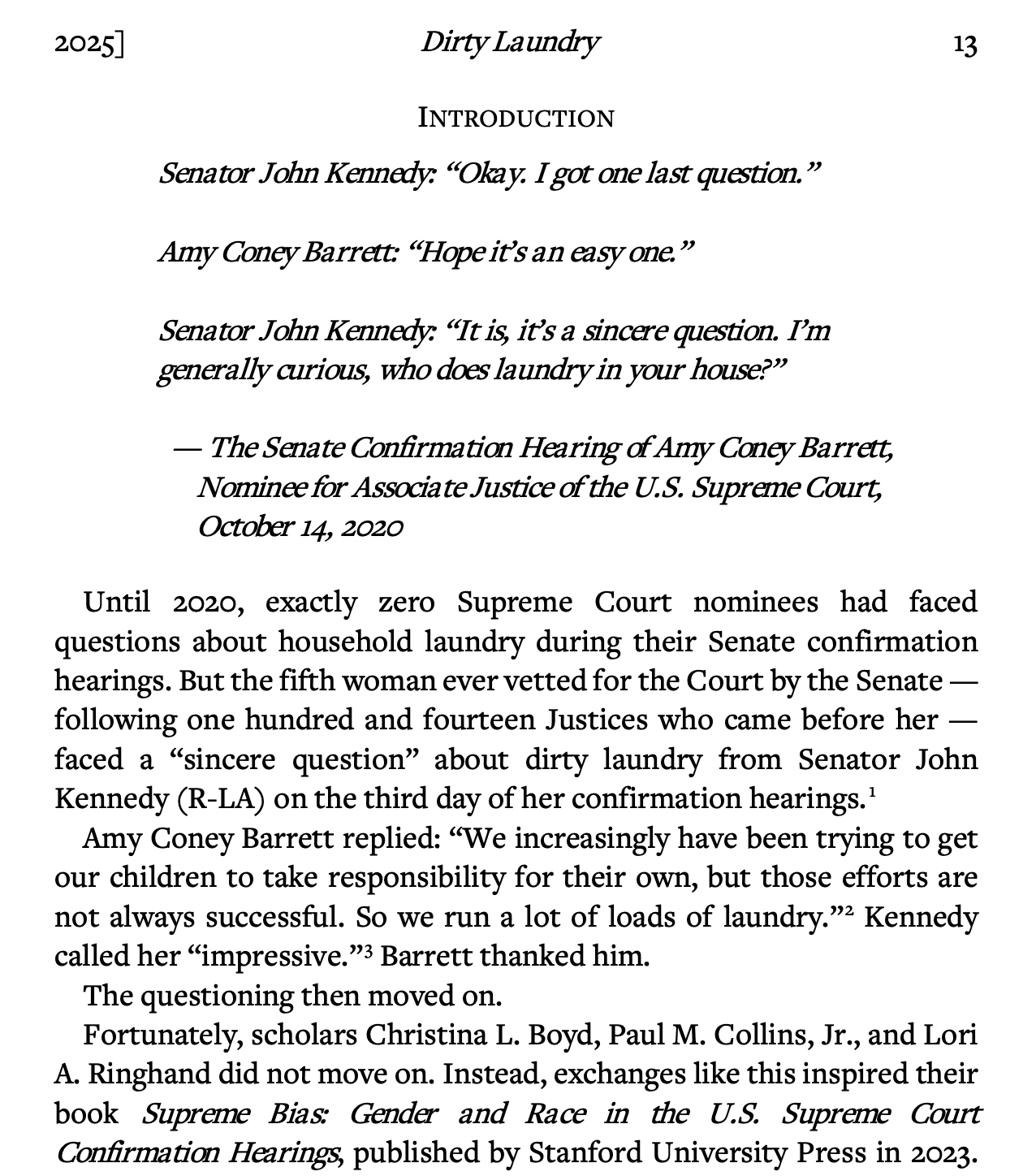
download Dirty
Laundry: A
Book
Review
of Supreme
Bias:
Gender
and
Race
in
U.S.
Supreme
Court
Confirmation
Hearings by
Christina
L.
Boyd,
Paul
M.
Collins,
Jr.,
and
Lori
A.
Ringhand (Stanford
University
Press) for
free
at
this link.
Here’s
a
teaser.
I
recently
talked
with Bloomberg
Law reporter Ben
Miller about
the
limits
of
bar
discipline
proceedings
and
you
can
read
more
about
that
conversation
below
at
Headline
#1.
Speaking
of
headlines,
let’s
dive
right
in.
Be
sure
to
scroll
to
the
end
for
a
bonus
headline
–
some
special
news
about
innovation
and
access
to
legal
services
from
our
friends
down
under.
Highlights
from
Last
Week –
Top
Ten
Headlines
#1 “Bar
Complaints
Offer
‘Imperfect
Tool’
to
Challenge
Trump’s
DOJ.” From Bloomberg
Law: “Justice
Department
lawyers—including
political
appointees
and
career
staff—are
facing
bar
complaints
over
their
work
defending
the
Trump
administration,
but
complainants
alleging
ethical
violations
shouldn’t
expect
swift
resolution.
…
‘The
disciplinary
process
is
at
times
an
imperfect
tool
for
addressing
actions
by
lawyers
that
run
afoul
of
our
ethical
obligations,’
said Renee
Knake
Jefferson,
a
professor
of
legal
ethics
at
the
University
of
Houston
Law
Center.
But
the
message
that
lawyers
send
to
the
public
and
their
professional
community
by
calling
out
perceived
misconduct
at
the
DOJ
sets
a
critical
standard,
law
professors
and
advocates
said.”
Read
more here.
#2
“GOP
Bill
Seeks
to
Eliminate
District
Commission
that
Nominates
DC
Court
Judges.” From ABC
News: “Legislation
that
would
eliminate
the
District
of
Columbia’s
Judicial
Nomination
Commission
(JNC)
is
among
the
14
D.C.-related
bills
up
for
consideration
by
Congress.
Currently,
the
JNC
is
responsible
for
selecting
nominees
to
fill
judicial
vacancies
in
D.C.’s
local
courts:
the
Superior
Court
and
the
Court
of
Appeals.
The
seven-member
commission
includes
appointments
by
the
president,
the
mayor,
the
D.C.
Council,
the
chief
judge
of
the
U.S.
District
Court,
and
the
D.C.
Bar.
After
the
commission
recommends
candidates,
the
president
makes
appointments
with
Senate
confirmation.
The
proposed
bill
would
scrap
this
commission
entirely.”
Read
more here.
#3 “America’s
Judges
are
Under
Attack
–
Lawyers
Have
a
Duty
to
Defend
Them.” From Kellye
Testy (AALS)
and Austen
Parrish (UC
Irvine)
in The
Hill: “American
judges
are
under
attack.
Approximately one-third
of
the
federal
judiciary have
received
threats
over
the
last
year,
and
the U.S.
Marshals
Service reports
more
than
500
threats were
made
against
federal
judges
over
the
past
11
months,
with
a
noticeable
spike
in
recent
months.
The
sheer
number
of
threats,
including
to
judges’
families,
are
unprecedented.”
Read
more here.
#4
“New
Study
Confirms
Your
Associates
Are
Already
Using
ChatGPT.
Here’s
What
To
Do.” From JD
Supra: “New
research
from
the National
Bureau
of
Economic
Research reveals
that
700
million
people
use
ChatGPT
weekly,
and
the
demographics
should
terrify
any
managing
partner
still
clinging
to
committee-approved
AI
pilots.
Nearly
half
of
all
adult
ChatGPT
messages
come
from
users
under
26.
Your
incoming
associate
class
doesn’t
just
know
about
AI;
they’ve
been
using
it
daily
since
law
school.
…
Here’s
the
uncomfortable
truth:
while
your
AI
committee
debates
whether
to
approve
a
six-figure
contract
with
a
legal
AI
vendor,
your
associates
are
copying
confidential
client
information
into
ChatGPT..
They’re
not
doing
it
maliciously.
They’re
doing
it
because
the
tool
works,
it’s
free,
and
your
firm’s
official
technology
stack
feels
like
using
a
typewriter
in
the
iPhone
era.”
Read
more here.
#5 “New
Bluebook
Rule
On
Citing
to
AI
Generates
Criticism
from
Legal
Scholars
and
Practitioners.” From LawSites: “Has
there
ever
been
a
time
since
the
advent
of
legal
reporting
systems
when
citations
have
been
under
greater
attack?
Driven
by
their
unwitting
reliance
on
AI
to
generate
legal
briefs,
lawyers
seem
to
have
forgotten
everything
they
ever
learned
in
law
school
about
how
to
research
and
cite
the
law.
Standing
as
a
bulwark
against
this
attack,
one
would
think,
is The
Bluebook,
the
uniform
system
of
citation
that
is
among
the
first
things
taught
to
a
first-year
law
student,
and
to
which
virtually
all
lawyers
are
expected
to
abide,
except
where
excused
by
local
rules
of
court.
Yet
now
that
very
bulwark
is
itself
under
attack,
thanks
to
the
release
last
May
of
its
22nd
edition,
which
introduced
Rule
18.3, The
Bluebook’s first
standardized
format
for
citing
to
generative
artificial
intelligence
content.
While
the
addition
of
AI
citation
guidance
would
seem
to
reflect The
Bluebook’s expected
role
of
evolving
to
address
new
types
and
formats
of
sources,
the
new
rule
has
sparked
criticism
from
legal
scholars
and
practitioners
who
argue
it
is
fundamentally
flawed
in
both
conception
and
execution.”
Read
more here.
#6 “Fani
Willis
Must
Remain
off
Trump
Case
after
Georgia
Supreme
Court
Rejects
Her
Appeal.” From USA
Today: “The
Supreme
Court
of
Georgia
is
leaving
in
place
an
appeals
court
decision
that
disqualified Fulton
County
District
Attorney
Fani
Willis from
prosecuting President
Donald
Trump because
of
her
romantic
relationship
with
a
special
prosecutor
on
the
case.
…
Four
Georgia
Supreme
Court
justices
came
together
to
form
a
majority
in
the
decision
to
turn
down
the
appeal.
Three
justices
dissented.
One
further
justice
didn’t
participate
in
the
decision,
and
one
justice
was
disqualified.”
Read
more here.
#7 “Training
Better
Lawyers.” From Daniel
Theis in
the Washington
Post: “Attacks
on
the
Council
of
the
American
Bar
Association
Section
of
Legal
Education
and
Admissions
to
the
Bar, the
only
national
accreditor
of
law
schools,
ignore
the
value
of
the
council’s
work
on
behalf
of
students
and
the
practice
of
law.
The
council
accredits a
wide
range of
law
schools.
The
consistent
quality
of
accredited
schools
equips
graduates
to
serve
their
clients
and
the
public.
In
2024,
the overall
bar
exam
passage rate
for
graduates
of
accredited
law
schools
was
44
percentage
points
higher
than
for
nonaccredited
schools.
…
Finally,
our
work
is
separate
and
independent
from
the
general
ABA
and
is
nonpartisan.
Whatever
one
thinks
of
the
politics
of
the
ABA,
it
is
not
involved
in
council
enforcement
actions,
does
not
choose
council
personnel
and
cannot
dictate
the
content
of
any
standard.
Lawyers
perform
vital
work
for
their
clients,
and
accrediting
the
schools
that
train
these
lawyers
comes
with
a
profound
responsibility.
The
council
has
met
this
responsibility
for
more
than
a
century.”
Read
more here.
[Full
disclosure: I
am
an
elected
member
of
the
Council
of
the
ABA
Section
of
Legal
Education
and
Admission
to
the
Bar,
and
Daniel
Theis
is
the
Chair
of
the
Council.]
#8 “Tennessee
Joins
States
Eying
End
to
ABA’s
Role
in
Law
School
Accreditation.” From Reuters: “Tennessee
is
considering
whether
to
stop
relying
on
the
American
Bar
Association
to
accredit
law
schools
in
the
state,
joining
Florida,
Texas
and
Ohio
in
reconsidering
the
organization’s
primary
role
in
U.S.
legal
education.
The
Supreme
Court
of
Tennessee
on
Tuesday asked
the
public
to
weigh
in on
a
series
of
potential
reforms
to
how
the
state
licenses
lawyers
and
regulates
law
firms.”
Read
more here.
#9 “Former
US
Judges
Defend
Judicial
Independence
as
Threats
Rise.” From Bloomberg
Law: “Former
federal
judges
are
taking
advantage
of
Constitution
Day
to
speak
out
against
threats
against
sitting
judges.
A letter
signed
by
42
former
judges and
published
Wednesday
on
the
anniversary
of
the
document’s
signing
in
1787
says
as
judges
they
took
oaths
to
‘support
and
defend
the
Constitution.’
The
signatories
were
appointed
by
presidents
of
both
parties,
including Ronald
Reagan, Bill
Clinton,
and George
W.
Bush,
and
are
members
of
the
group
Keep
Our
Republic’s
Article
III
Coalition.
The
former
judges
said
while
sitting
judges
are
limited
in
being
able
to
speak
publicly,
they
‘are
no
longer
so
constrained.’
Federal
judges
have
come
under
attack
by Trump and
his
allies
for
rulings
that
block
the
administration’s
policies.
That
dynamic
has
also
combined
with
increased
threats
against
federal
judges
in
recent
years.”
Read
more here.
#10
“Insurance
for
In-House
Counsel:
Understanding
‘Employed
Lawyer’
Policies.” From JD
Supra: “Do
in-house
lawyers
need
their
own
malpractice
insurance?
Some
might.
If
needed,
the
type
of
insurance
in-house
counsel
should
explore
is
called
employed
lawyers
professional
liability
(ELPL)
insurance.”
Read
more here.
Bonus
Headline!
#11 News
from
Down
Under
–
RMIT
and
Anika
Legal
Launch
New
Partnership
to
Provide
Legal
Help
to
Those
in
Need. From Noel
Lim (Anika
Legal)
on LinkedIn: “Last
night
two
historic
things
were
launched:
the
RMIT
Law
School
[partnership],
and
the
RMIT
x Anika
Legal Virtual
Student
Clinic.
When
we
started
Anika
back
in
2018,
I
knew
partnerships
with
law
schools
would
be
critical.
What
I
didn’t
know
was
how
tough
it
would
be
–
doors
closed,
ideas
dismissed,
and
even
a
meeting
that
brought
a
co-founder
to
tears.
That’s
why
this
milestone
means
so
much.
Thank
you
to
RMIT
University
for
believing
in
Anika’s
vision
–
backing
innovation,
social
justice,
and
students.
Together,
we’ve
built
a
clinic
that
helps
hundreds
of
renters
stay
in
safe
homes
each
year,
while
giving
law
students
the
chance
to
change
lives
from
day
one
of
their
careers.
…
And
to
make
this
partnership
even
stronger
Anika
is
moving
our
office
onto
the
RMIT
campus!.”
Read
more here.
[Side
note: Noel
was
one
of
the
first
people
I
met
with
when
conducting
research
on
law
and
innovation
as
part
of
my
work
as
the Fulbright
Distinguished
Chair
in
Entrepreneurship
and
Innovation where
I
was
hosted
by
Australia’s
RMIT
University
Law
School
in
2019.
So
I
am
thrilled
to
see
this
partnership!
Congrats
to
Anika
Legal
and
RMIT
Law!]
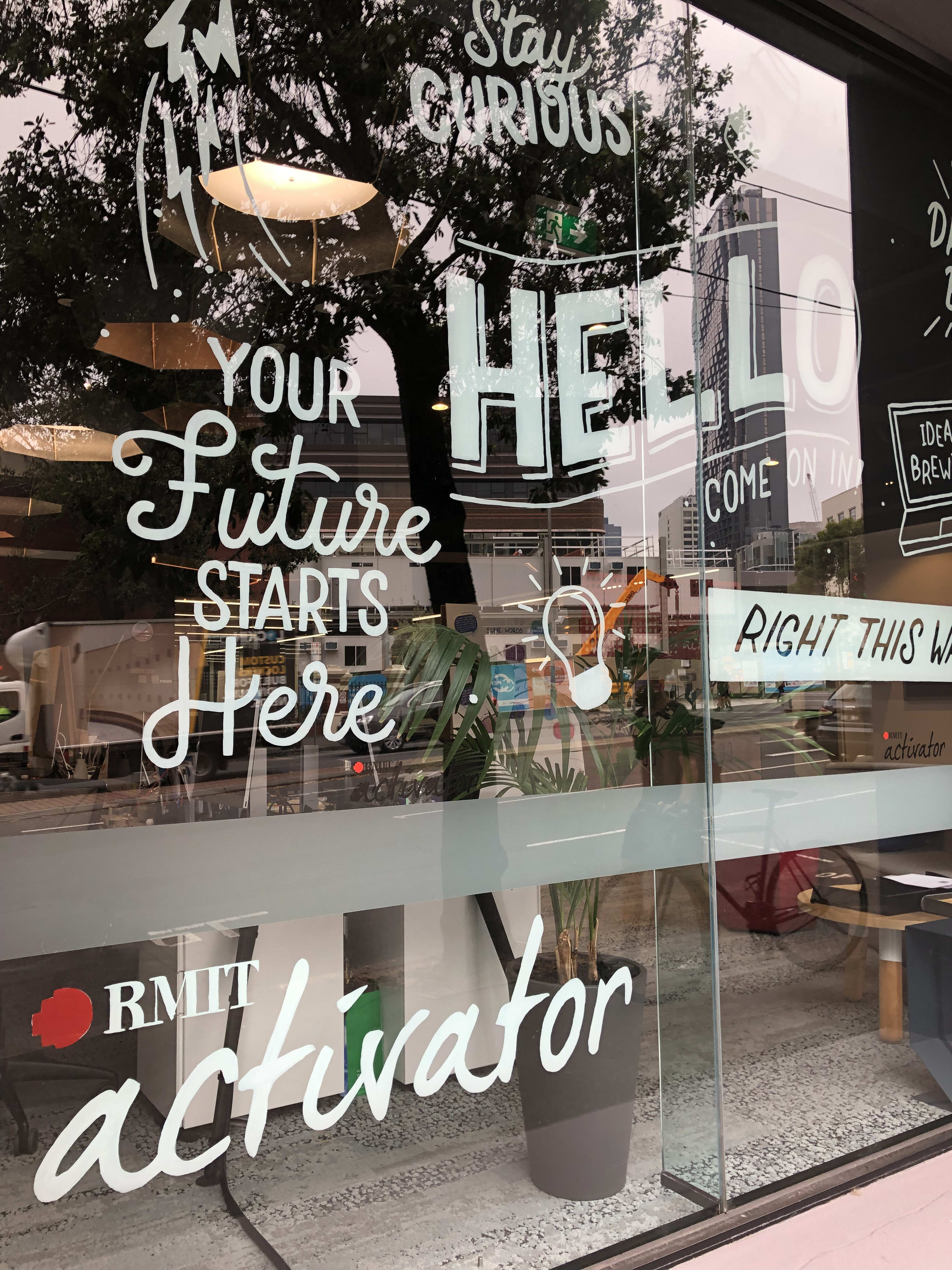
University,
Melbourne,
Australia
(photo
by
Renee
Jefferson)
Get
Hired
Did
you
miss
the
350+
job
postings
from
previous
weeks?
Find
them
all here.
Upcoming
Ethics
Events
&
Other
Announcements
Did
you
miss
an
announcement
from
previous
weeks?
Find
them
all here.
Keep
in
Touch
News
tips?
Announcements?
Events? A
job
to
post? Reading
recommendations? Email [email protected] –
but
be
sure
to
subscribe
first,
otherwise
the
email
won’t
be
delivered.
Renee
Knake
Jefferson
holds
the
endowed
Doherty
Chair
in
Legal
Ethics
and
is
a
Professor
of
Law
at
the
University
of
Houston.
Check
out
more
of
her
writing
at
the Legal
Ethics
Roundup.
Find
her
on
X
(formerly
Twitter)
at @reneeknake or
Bluesky
at legalethics.bsky.social.