
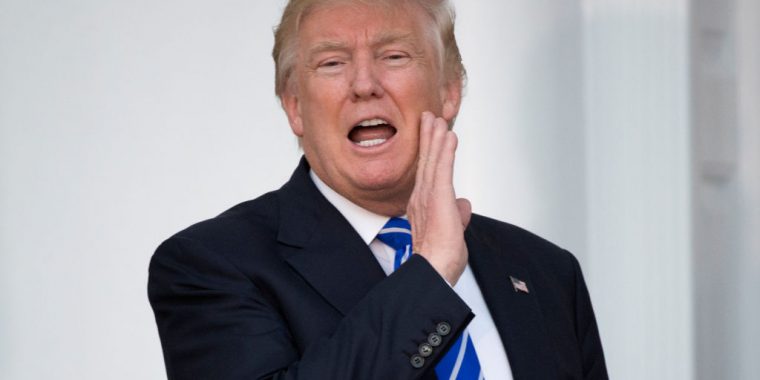
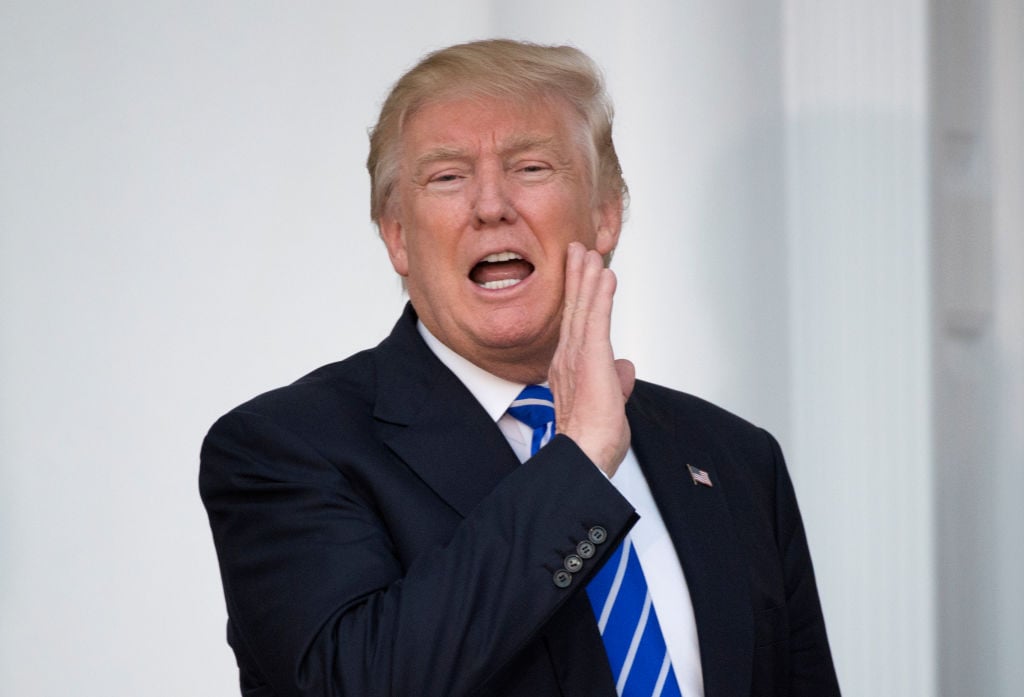
by
DON
EMMERT/AFP
via
Getty
Images)
Last
night
at
12:01
a.m.,
the
federal
government
shut
down
due
to
a
partisan
impasse.
This
means
that
thousands
of
government
employees
will
be
furloughed
and
many
government
services
will
be
unavailable
until
a
funding
bill
is
passed.
If
that
wasn’t
bad
enough,
a
few
days
earlier,
up
to
150,000
federal
employees
submitted
their
resignations
as
part
of
a
large-scale
reduction
in
force
program.
What
will
this
mean
for
the
federal
government?
The
federal
government
shut
down
last
night
because
it
failed
to
pass
an
appropriation
bill
that
would
fund
the
government.
While
the
Senate
is
controlled
by
the
Republicans,
the
bill
requires
60
votes,
which
means
seven
Democratic
senators
must
vote
along
with
the
Republicans.
Only
three
Democratic
senators
support
the
Republican
bill.
Democrats
are
demanding
an
enhancement
and
extension
of
health
care
subsidies
under
the
Affordable
Care
Act.
Otherwise,
Americans
receiving
subsidies
could
see
their
health
insurance
premiums
rise
substantially.
How
long
the
shutdown
will
last
is
uncertain.
Shutdowns
have
been
threatened
but
most
were
resolved
at
the
last
minute.
Since
1976,
the
government
has
shut
down
20
times.
Most
of
the
time,
it
only
lasted
a
few
days.
The
last
government
shutdown
happened
in
2018-2019
and
lasted
a
record
35
days.
Also,
around
this
time,
between
100,000
to
150,000
federal
employees
have
resigned
under
the
Deferred
Resignation
Program.
Soon
after
the
results
of
the
2024
election,
President
Trump
teamed
up
with
Elon
Musk
to
establish
the
Department
of
Government
Efficiency
(DOGE).
Musk’s
goal
with
DOGE
was
to
identify
and
cut
unnecessary
government
staff,
similar
to
how
he
cut
the
number
of
Twitter’s
staff
soon
after
he
acquired
that
company.
Federal
employees
who
signed
on
to
the
Deferred
Resignation
Program
would
continue
to
receive
pay
and
benefits
until
the
end
of
September.
Otherwise,
they
could
be
subject
to
layoffs
in
the
future.
People
with
jobs
that
are
considered
essential
will
continue
to
work,
although
in
some
cases
will
not
be
paid
until
a
spending
bill
is
passed,
at
which
point
back
pay
will
be
disbursed.
Essential
positions
generally
involve
the
military,
aviation,
and
courts,
to
name
a
few.
This
means
that
ICE
agents
will
still
be
around
to
conduct
immigration
raids
and
antagonize
protestors
even
though
they
will
not
be
paid
during
the
shutdown.
Hopefully
they
got
their
$50,000
sign-up
bonuses
up
front.
One
interesting
note
is
that
the
Office
of
Personnel
Management
has
clarified
that
agencies
can
let
employees
working
on
“reduction-in-force”
(RIF)
activities
continue
doing
their
jobs,
with
no
lapses,
throughout
a
government
shutdown.
RIF
activities
are
basically
plans
for
large-scale
layoffs
—
something
that
was
planned
when
DOGE
was
initially
set
up.
Courts
have
invalidated
some
of
the
mass
terminations.
Also,
Musk
and
Trump
apparently
had
a
falling
out
which
led
to
Musk
leaving
DOGE
and
later
disparaging
Trump
on
Twitter/X,
including
an
accusation
that
he
is
in
the
Epstein
files.
Some
agencies
may
have
contingency
plans
in
case
of
a
shutdown.
For
example,
at
the
IRS,
funding
has
been
reserved
to
pay
for
an
additional
five
business
days.
What
happens
after
is
uncertain.
But
in
2023
when
a
government
shutdown
was
likely,
the
IRS
plan
was
to
furlough
two-thirds
of
its
staff.
The
short
term
effects
of
the
shutdown
and
resignations
are
likely
to
be
profound.
A
shutdown
can
mean
temporarily
stopping
unnecessary
government
services.
According
to
Rep.
Ami
Bera,
during
the
2018-2019
partial
shutdown,
the
Food
and
Drug
Administration
suspended
routine
inspections,
increasing
public
health
risks.
The
National
Park
Service
stopped
trash
collection
and
road
repairs,
creating
unsanitary
conditions
and
unsafe
roads,
while
some
national
parks
and
museums
closed
entirely.
Resignations
could
increase
the
unemployment
rate.
It
could
also
result
in
a
brain
drain
as
some
of
them
could
get
a
job
in
the
private
sector.
Unfortunately,
some
may
turn
to
working
for
rogue
countries.
Sadly,
in
the
future,
shutdowns
may
be
more
frequent
due
to
stubborn
politicians,
and
escalation
in
rhetoric.
Perhaps
a
bipartisan
task
force
should
be
established
to
discuss
procedures
that
would
encourage
negotiations
and
penalize
shutdowns.
This
can
include
withholding
pay
for
legislators
with
no
reimbursement,
eliminating
fringe
benefits,
stiff
campaign
finance
limitations,
or
possibly
even
denial
of
security
personnel.
Chances
are
the
shutdown
will
not
last
long
based
on
history.
But
the
resignations
will
stick
unless
a
court
invalidates
the
Deferred
Resignation
Program
or
the
president
rescinds
it.
But
the
large
drop
in
federal
employees
from
various
sectors
will
have
a
negative
effect
on
the
federal
government’s
operations
in
the
short
term.
Whether
the
government
will
act
more
efficiently
in
the
long
run
is
anyone’s
guess.
Steven
Chung
is
a
tax
attorney
in
Los
Angeles,
California.
He
helps
people
with
basic
tax
planning
and
resolve
tax
disputes.
He
is
also
sympathetic
to
people
with
large
student
loans.
He
can
be
reached
via
email
at
[email protected].
Or
you
can
connect
with
him
on
Twitter
(@stevenchung)
and
connect
with
him
on LinkedIn.