

The
bar
exam
is
less
of
a
test
of
legal
competence
and
more
of
a
Scantron-centric
hazing
ritual.
A
three-year
crucible
of
critical
learning
and
professional
training
capped
off
with
a
few
weeks
of
rote
memorization
for
the
sake
of
a
test
on
subjects
the
lawyer
will
never
advise
a
client
on
again.
In
the
real
world,
a
time-crunched,
doctrinal,
memory
test
on
issues
where
the
lawyer
has
no
experience
is
called
“malpractice,”
but
for
the
summer
before
entering
practice
we
call
it
“the
bar
exam”
and
pretend
it
makes
sense.
This
week,
Utah
announced
that
it
will
formally
introduce
an
alternate
pathway
to
licensure
to
allow
prospective
lawyers
to
skip
the
bar
exam
ritual
altogether
and
earn
their
license
through
a
combination
of
formal
education,
supervised
professional
experience,
and
a
tailored,
skill-based
exam.
Anyone
who
wants
to
take
the
bar
exam
is
still
welcome
to
it,
but
the
state
now
has
another
path
that
is
not
only
sufficient
for
vetting
competent
practitioners…
it’s
probably
better.
Utah
began
its
journey
toward
a
bar
exam
alternative
back
in
2020.
With
COVID
locking
down
the
country,
Utah
bucked
the
nation’s
hand-wringing
bar
examiners
and
pioneered
an
“emergency
diploma
privilege
plus”
admission
program
rather
than
cram
law
grads
into
an
exam
hall
and
see
who
coughed
first.
Spoiler
alert:
it
worked.
Lawyers
got
licensed.
Clients
got
represented.
The
judicial
system
didn’t
collapse.
While
the
National
Conference
of
Bar
Examiners,
the
surprisingly
financially
flush
“non-profit”
that
monetizes
this
gatekeeping
ritual
spent
the
lockdowns
ranting
that
diploma
privilege
a
threat
to
civilization.
With
a
straight
face,
they
claimed
the
exam
was
necessary
to
protect
the
public
—
and
not
without
a
dash
of
sexist
and
racist
tropes
for
flavor
—
even
though
the
evidence
weighed
entirely
to
the
contrary.
An
ABA
study
tracking
attorney
discipline
rates
found
no
difference
between
a
diploma
privilege
jurisdiction
and
states
that
cling
to
the
bar
exam.
Something
you’d
think
the
NCBE
would
understand
since
they’re
based
in
Wisconsin
and
led
by
a
diploma
privilege
recipient.
Upon
the
success
of
the
COVID-era
trial
program,
Utah
decided
to
explore
a
permanent
option.
To
that
end,
the
courts
set
up
a
panel
featuring
a
broad
spectrum
of
legal
experience
from
judges
to
professors
to
practitioners.
Importantly,
as
BYU
Law
Professor
Catherine
Bramble,
who
served
on
the
committee,
explained
the
group
included
alternative
pathway
skeptics
who
joined
the
group
expecting
to
reject
any
move
away
from
the
bar
exam.
But
after
years
of
meetings
with
the
NCBE,
the
scholarly
research
on
attorney
licensure,
and
reviewing
the
empirical
results
of
the
COVID
experiment,
the
body
voted
unanimously
to
adopt
an
alternative.
BYU
Law
Professor
Catherine
Bramble,
who
served
on
that
committee
and
then
joined
the
smaller
task
force
charged
with
settling
the
particulars,
explained
that
the
group
rose
to
the
challenge
to
“build
a
better
way
to
license
attorneys
based
on
understanding
the
skills
attorneys
need
for
practice.”
The
skills-centric
approach
draws
heavily
on
the
work
done
by
Professor
Deborah
Merritt,
whose
expansive
study
of
the
licensing
process
and
the
practical
needs
of
attorneys
earned
a
“fake
news”
shrug
from
the
NCBE.
Unsurprisingly,
based
on
that
response,
neither
the
current
bar
exam
—
and
the
much
ballyhooed
NextGen
exam
—
directly
satisfied
the
group
as
a
solution
meeting
the
identified
needs
of
future
practitioners.
According
to
Bramble,
the
task
force
flagged
a
few
key
areas
they
wanted
to
emphasize
in
any
alternative
process.
First,
a
commitment
to
curriculum
learning.
Applicants
spent
three
years
in
law
school…
honor
that.
We’ve
talked
about
that
here
at
Above
the
Law
before.
To
the
extent
specific
coursework
is
needed,
work
on
making
sure
it’s
available.
Second,
ample
supervised
practical
work
to
convey
satisfactory
achievement.
The
new
plan
requires
240
hours
of
supervised
work
(of
which
50
must
be
pro
bono),
which
is
on
top
of
the
ABA’s
requirement
that
graduates
complete
6
credit
hours
of
practical
work.
All
told,
this
amounts
to
over
500
hours
of
practical
work.
The
final
leg
of
the
new
procedure
is
a
written
exam,
though
it’s
a
far
cry
from
the
existing
bar
exam.
Instead,
applicants
will
take
a
Utah-commissioned
exam
that
provides
the
examinee
a
closed
universe
of
materials
and
asks
them
to
perform
tasks
that
a
typical
first-year
attorney
would
be
asked
to
perform.
“One
of
our
biggest
concerns
was
that
most
practicing
lawyers
couldn’t
pass
the
bar
exam
today,”
Bramble
explained.
“Either
we’re
all
not
competent
attorneys,
or
the
bar
exam
is
fatally
flawed
at
measuring
competence.”
Remember
when
Kathleen
Sullivan
of
all
people
couldn’t
pass
a
bar
exam?
Yeah,
that.
With
this
in
mind,
the
task
force
made
it
a
priority
that
the
written
exam
be
something
that
a
practicing
attorney
could
pick
up
and
pass
right
now
based
on
their
knowledge
and
experience.
It’s
not
just
a
waste
of
time
to
test
applicants
on
a
doctrinal
memory
test,
it
skews
the
whole
process
toward
applicants
with
more
resources.
If
you
have
disposable
income
for
a
prep
course
and
the
luxury
of
taking
off
work,
you’re
more
likely
to
pass
the
test.
That’s
not
a
useful
indicia
of
competence,
and
it
closes
off
the
profession
to
potential
lawyers
that
the
public
needs
to
address
mounting
access
to
justice
concerns.
This
is
the
sort
of
innovation
that
needs
to
take
root
across
the
country.
Go
back
to
first
principles…
what
is
the
goal
of
licensure?
If
it’s
attorneys
who
know
how
to
competently
and
ethically
do
the
job,
what
gives
a
state
the
confidence
that
an
applicant
can
handle
that
duty?
It’s
probably
not
“cramming
for
a
memory
test.”
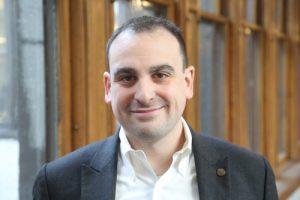 Joe
Joe
Patrice is
a
senior
editor
at
Above
the
Law
and
co-host
of
Thinking
Like
A
Lawyer.
Feel
free
to email
any
tips,
questions,
or
comments.
Follow
him
on Twitter or
Bluesky
if
you’re
interested
in
law,
politics,
and
a
healthy
dose
of
college
sports
news.
Joe
also
serves
as
a
Managing
Director
at
RPN
Executive
Search.