
AJ
Shankar,
CEO
and
founder
of
e-discovery
company
Everlaw,
used
the
company’s
annual
Everlaw
Summit
in
San
Francisco
to
announce
that
Deep
Dive,
a
new
AI
tool
within
the
company’s
platform
that
enables
legal
teams
to
ask
questions
across
millions
of
documents,
will
reach
general
availability
before
the
end
of
the
year
following
a
successful
eight-month
beta
testing
program.
The
announcement,
made
during
Shankar’s
Oct.
22
keynote
address,
highlighted
Deep
Dive’s
ability
to
allow
legal
professionals
to
ask
complex,
natural
language
questions
across
entire
document
collections
–
including
terabytes
of
data
across
different
file
types.
I
previously
wrote
about
Deep
Dive
in
August,
after
the
company
demonstrated
the
beta
version
at
ILTACON.
During
the
beta
program,
which
involved
thousands
of
user
queries,
the
average
database
size
was
166,000
documents,
with
the
largest
matter
successfully
tested
containing
tens
of
millions
of
documents,
Shankar
said.
“The
launch
of
Deep
Dive
ushers
in
a
new
era
for
legal
discovery,”
Shankar
said
in
a
press
release
announcing
the
news.
“Deep
Dive
empowers
legal
teams
of
all
areas
to
interrogate
the
entire
corpus
from
day
one,
expediting
insights
and
strategic
fact-finding,
then
and
throughout
the
lifecycle
of
a
matter.”
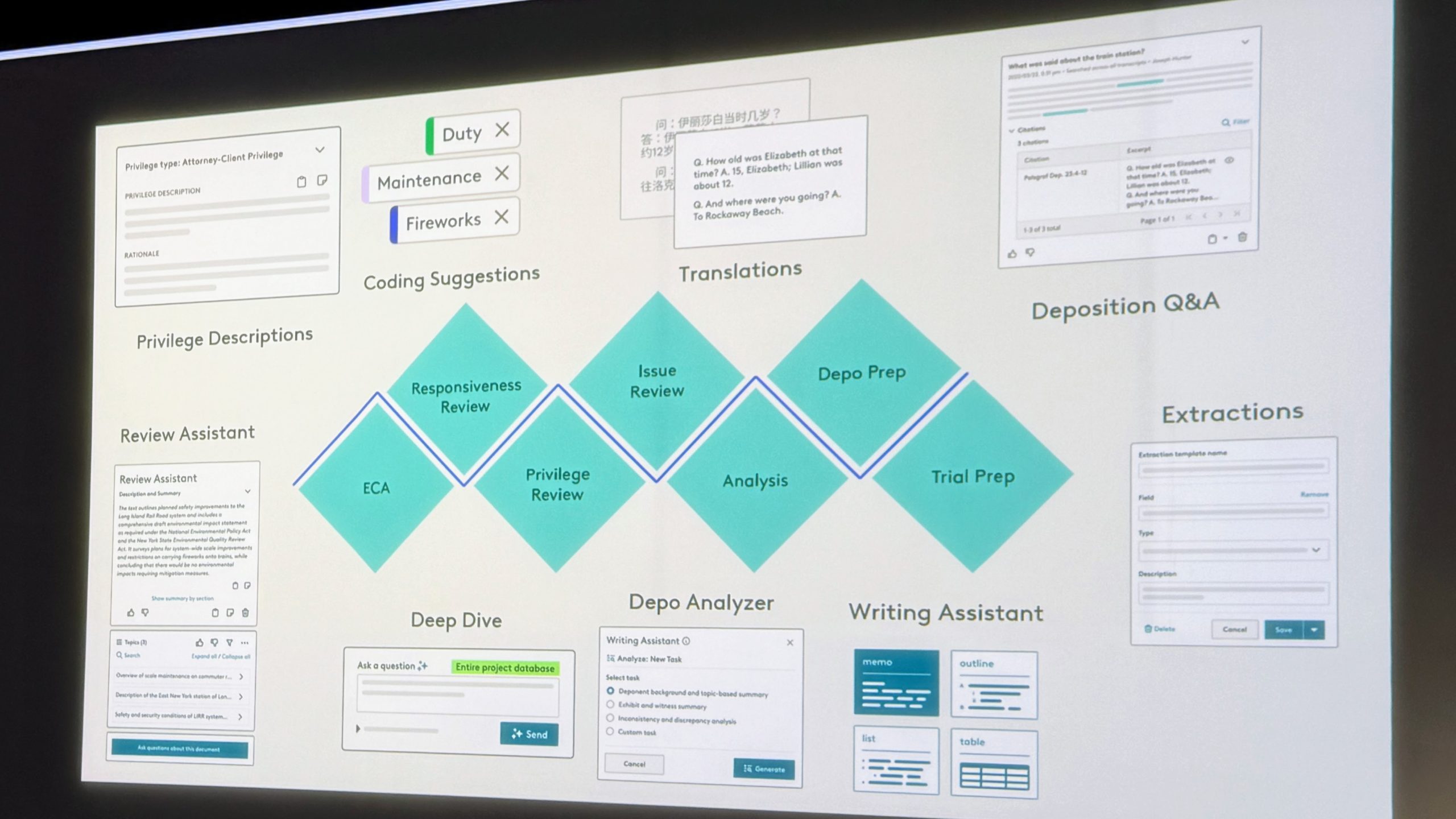
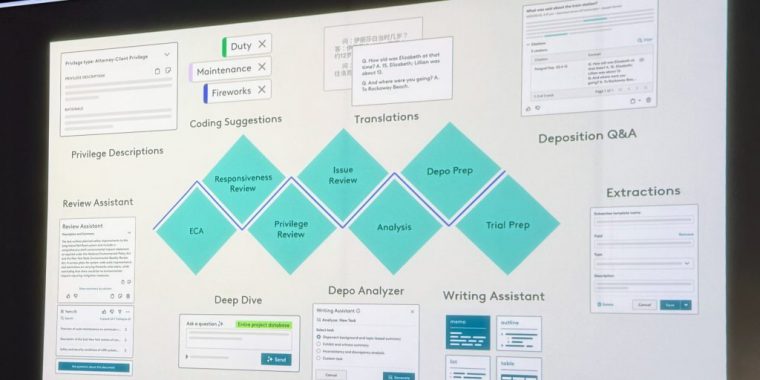
Shankar’s
keynote
included
this
slide,
showing
the
array
of
Everlaw’s
AI
products
and
the
e-discovery
tasks
for
which
they
can
be
used.
Shankar
emphasized
that
Deep
Dive
was
designed
specifically
to
reduce
hallucinations
by
searching
exclusively
within
the
document
corpus
rather
than
relying
on
embedded
knowledge.
Answers
are
ranked
by
confidence
level
and
supported
with
lists
of
facts
and
referenceable
resources.
When
insufficient
evidence
exists
to
answer
a
query,
the
system
says
so
explicitly
rather
than
generating
unreliable
content.
“Ask
an
LLM
why
the
sky
is
blue,
and
it
will
use
its
embedded
knowledge
to
answer,”
Shankar
said.
“That’s
not
helpful
when
you’re
trying
to
make
an
argument
supported
by
hard
evidence
from
within
your
discovery
universe.
Worse,
if
the
LLM
doesn’t
know
the
answer,
it
may
make
something
up.
“If
you
ask
Deep
Dive
these
questions,
it
will
say
that
it
cannot
find
evidence
within
the
corpus
to
answer
the
question.
By
anchoring
answers
to
specific
facts
present
in
their
corpus,
Deep
Dive
gives
our
users
actionable
intelligence.”
Significant
AI
Pricing
Restructuring
Perhaps
equally
significant
was
Everlaw’s
announcement
of
a
major
restructuring
of
its
AI
pricing
model.
Starting
with
the
company’s
October
release,
three
key
AI
features
–
Review
Assistant
for
single
documents,
Writing
Assistant
in
Story
Builder,
and
Deposition
Analyzer
–
will
be
included
in
the
core
per-gigabyte
rate
at
no
additional
charge.
Despite
adding
these
features,
Everlaw
is
not
increasing
its
per-gigabyte
pricing.
The
included
features
encompass
translations,
coding
suggestions,
summaries,
extractions,
sentiment
analysis
and
Q&A
capabilities,
as
well
as
memo
writing,
outline
creation
and
deposition
analysis.
This
is
departure
from
Everlaw’s
existing
credit-based
system
for
AI
features.
“We
know
how
hard
it
is
for
you
to
operationalize
the
use
of
these
really
powerful
tools
with
a
system
where
every
usage
is
metered,”
Shankar
said.
“We’ve
been
spending
a
lot
of
time
in
the
last
year
on
how
we
can
make
the
experience
better
for
you,
on
how
we
can
give
your
teams
more
of
the
value
we’ve
built
with
Everlaw
AI
without
charging
you
extra.”
Additionally,
Everlaw
announced
a
more
than
40%
price
reduction
for
batch
coding
suggestions,
one
of
its
most
popular
batch
AI
actions.
The
company
also
introduced
unified
contracts
that
allow
customers
to
access
staging,
drive-to-ECA,
active
and
suspend
functionality,
and
AI
credits
through
a
single
agreement.
Beta
Tester
Experiences
According
to
several
beta
testers
who
spoke
during
the
keynote
to
describe
their
experiences,
Deep
Dive’s
capabilities
provide
advantages
across
the
litigation
lifecycle,
including
early
case
assessment
for
understanding
core
facts
and
testing
hypotheses,
production
review
for
analyzing
large
data
dumps
and
identifying
gaps,
and
deposition
or
trial
readiness
for
generating
key
facts
and
quotes
based
on
actual
case
content.
Julie
Brown,
director
of
practice
management
at
Vorys,
an
Am
Law
200
firm,
described
the
tool
as
“remarkably
easy”
to
implement
and
“intuitive
and
user
friendly.”

Julie
Brown,
director
of
practice
management
at
Vorys,
joined
Shankar
during
his
keynote
to
share
her
experience
beta
testing
the
new
Deep
Dive
feature.
Brown
highlighted
three
key
use
cases:
investigations
for
identifying
key
people
and
events,
quality
control
to
catch
documents
missed
by
other
review
methods,
and
deposition
and
trial
preparation.
In
one
notable
example,
her
team
used
Deep
Dive
on
a
2
million-document
collection
with
a
week-long
production
deadline,
employing
the
tool
as
a
quality
control
mechanism
to
identify
potentially
missed
documents.
“The
attorneys
were
just
in
awe
when
they
saw
the
results,”
Brown
said,
noting
that
in
their
first
300,000-document
test
case
during
deposition
preparation,
Deep
Dive
not
only
confirmed
information
the
attorneys
already
knew
but
also
identified
new
relevant
documents.
Practical
Applications
Another
beta
tester,
Steve
Delaney,
director
of
litigation
support
at
Am
Law
200
firm
Benesh,
described
his
firm’s
rigorous
approach
to
implementing
AI
coding
suggestions.
Benesh
has
developed
a
systematic
process
that
involves
building
targeted
samples,
iterating
on
prompts
and
using
Story
Builder’s
drafts
section
to
track
all
revisions
and
validation
steps.
“The
biggest
takeaway
is
that
if
you
haven’t
started
using
coding
suggestions
yet,
like
do
it,
start,
find
a
way
to
get
yourself
using
it,”
Delaney
advised
the
audience
of
Everlaw
customers.
He
emphasized
that
firms
using
AI
tools
now
can
gain
competitive
advantage.
“You
don’t
get
competitive
advantage
by
doing
what
everyone
else
is
doing.”
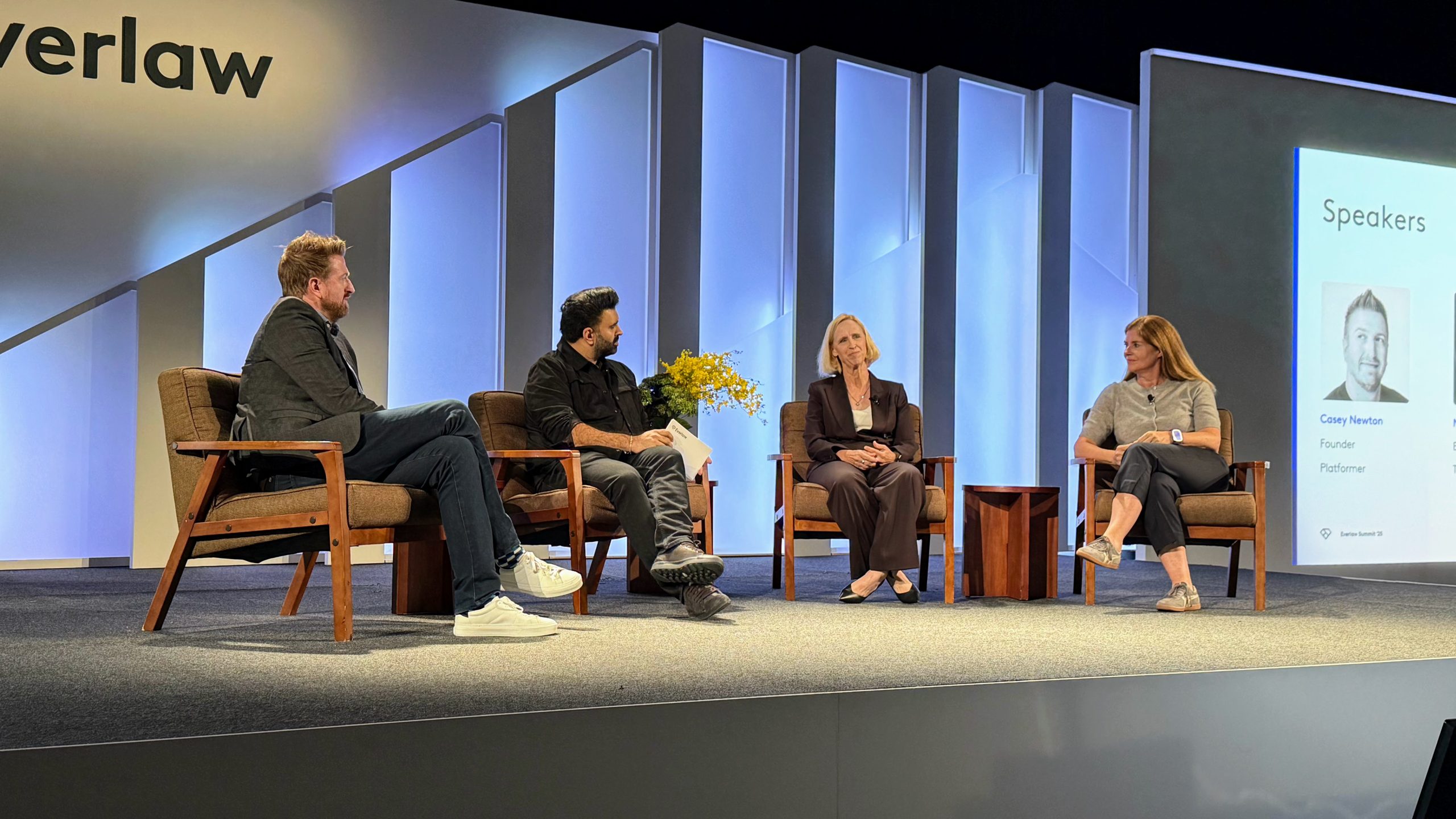
For
a
panel
on
how
AI
is
impacting
dispute
resolution,
technology
journalists
Casey
Newton,
founder
of
Platformer
and
co-host
of
The
New
York
Times’
podcast
“Hard
Fork,”
and
Nilay
Patel,
co-founder
and
editor-in-chief
of
The
Verge,
interviewed
Rebecca
Delfino,
associate
professor
of
law
at
LMU
Loyola
Law,
and
Bridget
May
McCormack,
president
of
the
American
Arbitration
Association
and
former
chief
justice
of
the
Michigan
Supreme
Court.
Ed
Valio,
director,
eDiscovery
and
records
management
at
Geico,
described
an
unusual
use
case
where
his
team
needed
to
evaluate
tens
of
thousands
of
contracts
in
48
hours
to
answer
a
specific
business
question.
By
combining
custom
extractions,
Review
Assistant
coding
suggestions,
and
predictive
coding,
they
identified
just
one
relevant
contract
out
of
50,000
and
later
pulled
in
related
email
traffic
for
context.
Deep
Dive
Pricing
Deep
Dive
will
operate
as
a
batch
feature
with
a
one-time
per-gigabyte
ingestion
fee
that
provides
unlimited
questions
for
the
lifetime
of
a
case.
Shankar
emphasized
that
the
pricing
model
gives
customers
control
over
when
and
how
they
deploy
AI
tools.
More
than
250
customers
currently
use
Everlaw’s
suite
of
generative
AI
features,
including
federal
customers
and
participants
in
the
Everlaw
for
Good
program
serving
nonprofits.
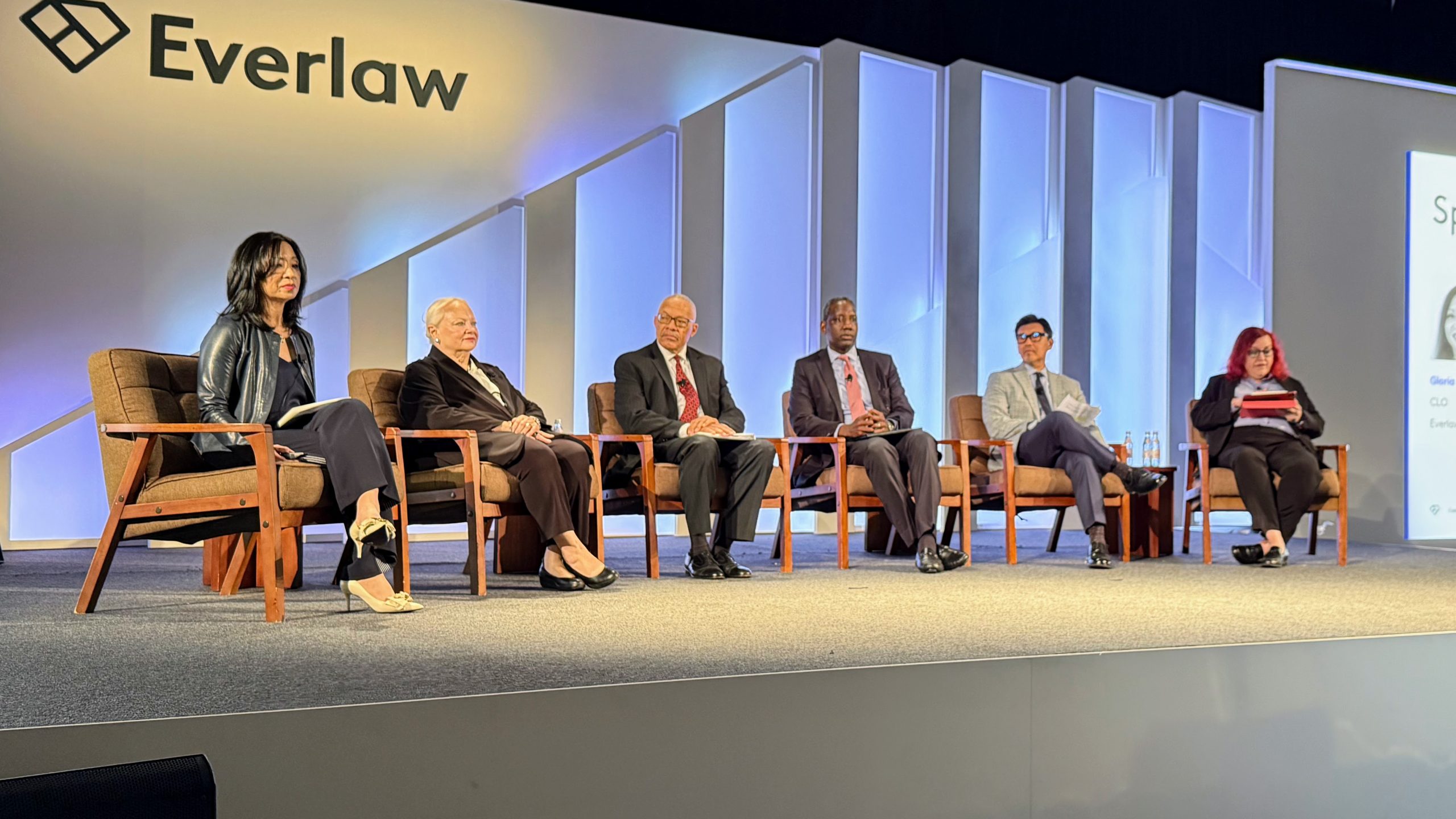
A
panel
of
judges
shared
their
insights
on
technology
and
the
law.
From
left:
Gloria
Lee,
chief
legal
officer,
Everlaw,
who
served
as
moderator;
Senior
District
Judge
Joy
Conti,
W.D.
Pa.;
Judge
David
Cunningham,
Los
Angeles
County
Superior
Court;
Chief
U.S.
Magistrate
Judge
Willie
Epps
Jr.,
W.D.
Mo.;
U.S.
Magistrate
Judge
Young
B.
Kim,
N.D.
Il.;
and
Judge
Victoria
Kolakowski,
Alameda
County
Superior
Court.
The
keynote
also
included
an
early
preview
of
Workflow
Builder,
a
forthcoming
tool
designed
to
help
legal
teams
construct
and
execute
complex,
repeatable
workflows.
While
Shankar
emphasized
this
is
in
the
early
development
stage,
the
tool
will
allow
users
to
orchestrate
document
flow
through
various
Everlaw
features,
including
AI
capabilities,
with
automated
triggering,
conditional
branching,
and
human
approval
gates.
“Instead
of
getting
in
the
guts
of
Everlaw,
you’re
orchestrating
outcomes,”
Shankar
said.
“Your
colleagues
can
step
in
at
exactly
the
right
time
to
add
value
in
a
defensible,
repeatable
way.”
Responsible
AI
Development
Throughout
his
presentation,
Shankar
emphasized
Everlaw’s
approach
to
responsible
AI
development,
including
protecting
customer
data
from
model
training,
minimizing
hallucinations
by
focusing
on
document
content
rather
than
general
legal
knowledge,
and
conducting
extensive
beta
testing
before
general
releases.
The
company’s
Value
AI
team,
composed
of
experienced
legal
professionals,
is
available
to
help
customers
navigate
AI
adoption
challenges,
including
economics,
functionality,
firm
policy,
client
approvals,
and
team
training.
Everlaw
continues
to
release
new
features
on
a
monthly
basis,
with
upcoming
tools
including
a
Depositions
Q&A
tool
for
comprehensive
cross-deposition
queries
and
a
Privilege
Descriptions
tool
for
generating
explanations
of
privilege
designations.
Shankar
emphasized
that
Deep
Dive
is
designed
to
work
as
part
of
the
broader
Everlaw
platform.
“Deep
Dive
is
best
used
as
one
of
many
powerful
tools
in
the
Everlaw
platform,”
he
said.
“Combined
with
Coding
Suggestions,
Clustering
and
Story
Builder,
Deep
Dive
provides
a
strong
platform
for
legal
teams
to
drive
successful
outcomes.”