

Trust
in
the
U.S.
healthcare
system
is
eroding
—
but
this
decline
isn’t
happening
evenly
across
the
system,
one
leader
pointed
out.
People
largely
trust
individual
clinicians,
but
they
tend
to
distrust
payers,
drugmakers
and
hospital
leadership,
said
Kristin
Wikelius,
chief
program
officer
at
the
United
States
of
Care,
a
national
health
policy
advocacy
group.
That
split
in
trust
becomes
particularly
apparent
when
patients
move
beyond
the
exam
room.
Wikelius
noted
that
people
routinely
run
into
contradictory
answers
about
costs
and
coverage,
leaving
them
feeling
like
the
healthcare’s
major
institutions
are
opaque
at
best
and
self-interested
at
worst.
“Say
someone
needs
to
have
a
procedure
—
then
they
have
to
figure
out
for
their
insurance.
Is
this
provider
in-network?
What’s
it
going
to
cost?
They
get
a
set
of
answers,
and
then
they
go
ask
the
provider’s
office
—
and
they
can’t
tell
them
how
much
it’s
going
to
cost,
and
they’re
not
sure
if
they’re
in-network.
And
so
it
feels
to
people
—
even
when
they’re
trying
to
do
their
due
diligence
—
there’s
never
a
simple
answer,”
she
explained.
To
her,
better
transparency
—
especially
when
it
comes
to
costs
—
and
simpler
navigation
will
be
key
in
helping
rebuild
people’s
confidence
in
the
healthcare
system.
She
pointed
out
that
people
are
resentful
about
healthcare’s
rising
costs.
“Individuals
themselves
don’t
have
a
place
to
cost-shift.
If
your
insurance
is
going
up,
there’s
no
place
for
you
to
move
that
cost
—
you
have
to
find
that
money.
What
that
means
for
people
is
often
just
foregoing
care
that
they
need,”
Wikelius
remarked.
The
expensive
nature
of
healthcare
makes
it
so
that
many
people
only
seek
care
when
they
feel
their
need
is
dire
—
but
this
“sick-care”
system
isn’t
what
they
want,
she
said.
People
want
a
more
preventive,
health-maintaining
system,
not
one
that
only
treats
illness.
Some
of
this
sentiment
is
reflected
in
the
public
support
for
the
“Make
America
Healthy
Again”
movement,
Wikelius
pointed
out,
noting
that
there
is
a
strong
public
appetite
for
holistic
care,
healthy
food
access
and
avoiding
unnecessary
medical
encounters.
She
also
highlighted
how
linking
coverage
to
politics
or
employment
creates
major
anxiety
for
Americans.
People
dislike
that
their
insurance
stability
can
swing
because
of
new
lawmakers
or
job
changes
—
which
is
why
United
States
of
Care
focuses
on
“durable”
policies
that
can
survive
political
shifts,
Wikelius
stated.
“We’re
looking
for
policies
that
can
stand
the
test
of
time,
so
people
don’t
feel
like
the
coverage
or
the
care
that
they’re
getting
is
at
risk
as
a
result
of
an
election.
I
think
below
the
surface,
there
are
a
lot
of
areas
of
continuity
—
of
really
nonpartisan
agreement
and
alignment
—
on
changes
that
we
need
to
make
in
healthcare,”
she
declared.
Wikelius
said
the
challenge
now
is
translating
that
public
desire
for
stability,
transparency
and
preventive
care
into
policies
that
actually
deliver
it.
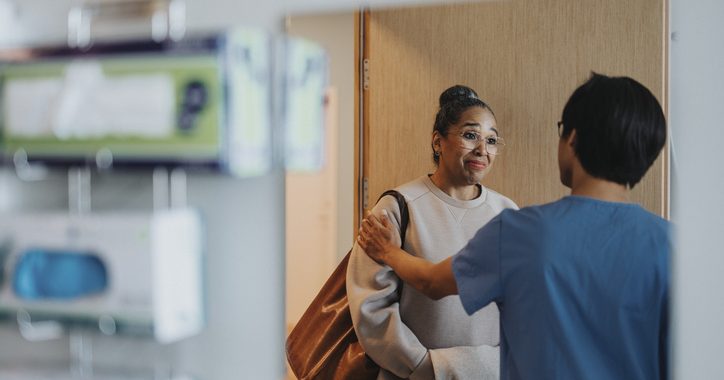
Photo:
Maskot,
Getty
Images