

by
Carolyn
Elefant)
Jurisdiction
isn’t
just
a
legal
concept.
It’s
a
destination
that
exists
in
the
form
of
an
eponymous
curated
boutique,
Jurisdiction
Clothing
in
Potomac,
Maryland,
owned
by
family
law
attorney
Jessica
Markham,
founder
of
the
Markham
Law
Firm.
If
you’re
interested
in
learning
what
motivates
a
successful
attorney
to
launch
a
second
business
venture
outside
the
jurisdiction
of
her
legal
practice,
or
how
lawyers
with
entrepreneurial
side
passions
can
do
the
same,
read
on.
Markham’s
foray
into
ownership
began
when
she
founded
her
family
law
firm
in
2015
which
has
since
grown
to
10
attorneys
supported
by
a
robust
professional
team.
The
firm
handles
the
full
spectrum
of
family
law,
including
many
matters
other
firms
decline:
international
parental
kidnapping,
interstate
custody
disputes,
appellate
work,
adoption
and
guardianship,
domestic
violence
matters,
and
qualified
domestic
relations
orders
(QDROs).
Unlike
many
law
firm
owners,
Markham
continues
to
actively
practice
law,
trying
cases,
mentoring
associates,
teaching
CLEs,
and
serving
as
a
strategic
resource
within
the
firm.
But
Markham
remains
firm
about
boundaries,
limiting
herself
and
her
team
to
9-5
workweeks
to
avoid
burnout.
As
it
would
turn
out,
these
boundaries
weren’t
limits
but
instead,
the
secret
to
more
opportunity.
After
the
firm
hired
a
director
of
operations,
Markham
found
herself
working
fewer
hours
without
losing
momentum.
But
she
still
had
creative
energy.
And
so
she
asked
herself,
“What
already
exists
in
my
life
that
I
love,
understand,
and
do
instinctively?”
The
answer
was
fashion.
For
years,
Markham
had
followed
runway
shows,
read
fashion
publications,
advised
friends
on
purchases,
and
thought
deeply
about
quality,
longevity,
and
personal
style.
Fashion
was
not
a
distraction
from
her
work;
it
was
how
she
recharged.
by
Carolyn
Elefant)
Once
Markham
decided
on
a
store
as
an
outlet
for
her
passion,
the
venture
came
together
at
a
remarkable
pace.
First,
Markham
spoke
with
three
boutique
owners
and
an
online-store
owner
to
gather
intelligence
on
the
experience
of
starting
and
running
a
store.
By
February
2023,
a
month
later,
Markham
had
an
online
shop
up
and
running
but
quickly
realized
that
it
did
not
provide
the
experience
she
wanted
to
create.
So,
in
June,
Markham
pivoted
to
a
brick-and-mortar
boutique
offering
a
personalized,
relationship-based
shopping
experience
that
simply
did
not
exist
in
the
D.C.
area.
Jurisdiction
Clothing
opened
in
October
2023,
just
five
months
later
—
so
quickly
that
Markham
had
to
use
her
law
firm
as
a
staging
area
for
clothes
until
the
store
could
obtain
necessary
permits
to
open.
To
run
the
store’s
day-to-day
operations,
Markham
hired
a
store
manager
who
was
introduced
by
a
friend.
The
store
is
also
staffed
by
part-time
staff
and
college
students
during
the
holidays.
Turnover
is
minimal
since
employees
are
paid
above
market,
offered
benefits,
and
given
stability
unusual
in
retail.
Lawyers
in
the
local
community
are
a
source
of
business,
as
is
foot
traffic
in
the
busy
shopping
center
where
the
store
is
located.
Jurisdiction
also
hosts
after-hours
gatherings
that
combine
shopping
with
community
and
philanthropy.
Customers
select
charities
to
receive
a
percentage
of
proceeds.
Instead
of
traditional
Black
Friday
discounts,
the
store
directs
funds
to
local
nonprofits,
reinforcing
values
over
volume.
I
interviewed
Markham
at
Jurisdiction,
which
gave
me
a
firsthand
look
at
the
boutique’s
jam-packed
collection
of
distinctive
clothing
—
items
rarely
found
in
chain
stores
—
and
the
surprisingly
wide
selection
for
such
a
small
shop.
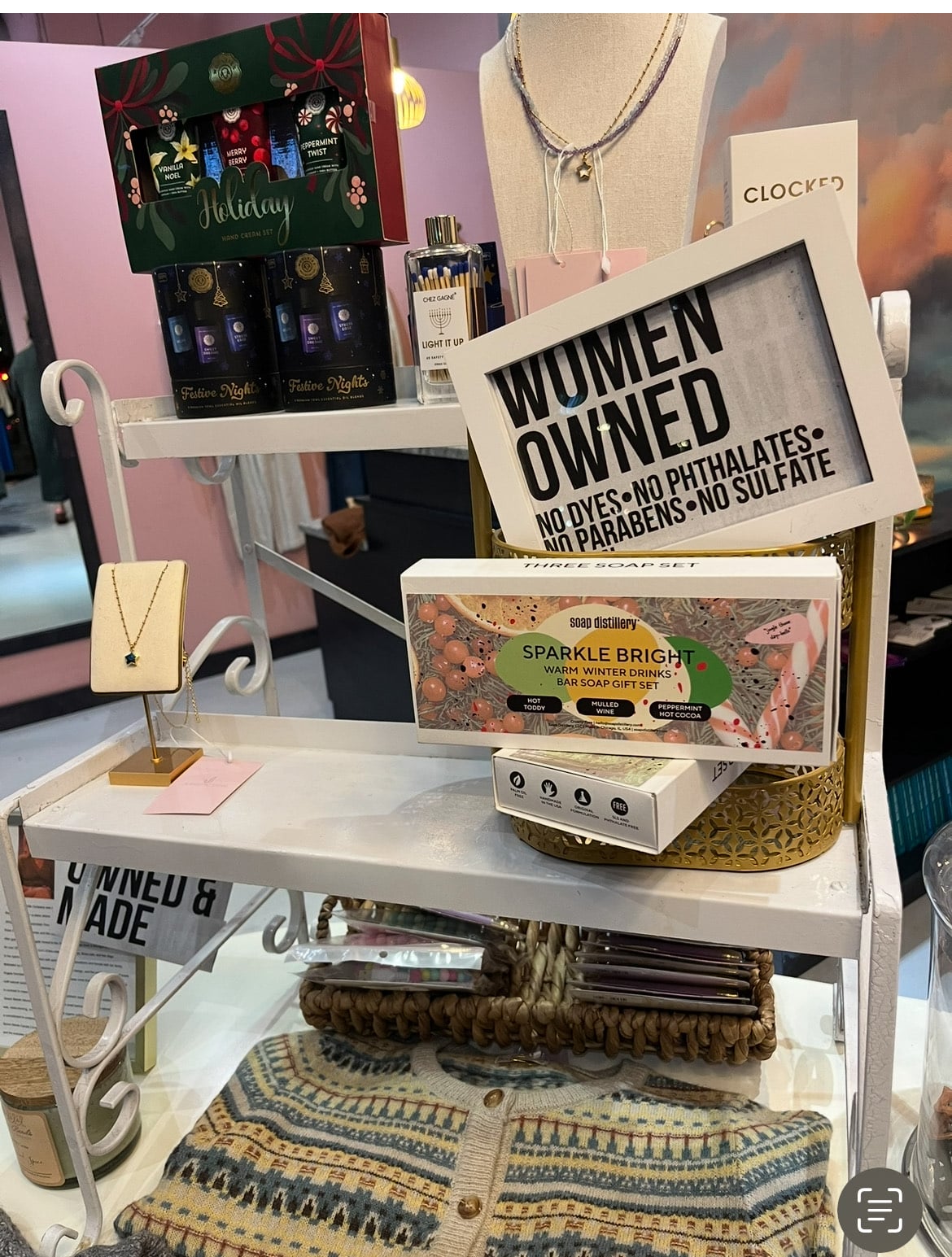
The
space
is
also
stuffed
with
accessories
purchased
from
women-owned
brands
and
other
unique
gift
items.
The
store
had
several
customers
while
I
was
there
and
I
watched
as
Andi,
the
store
manager,
skillfully
offered
personalized
feedback
and
suggestions
to
them.
The
store
features
a
neon
sign,
“We
are
all
beautiful,”
which
Markham
said
reflects
the
store’s
philosophy.
Law
firm
owners
like
Markham
have
unique
advantages
in
other
entrepreneurial
spaces.
In
Markham’s
view,
running
a
law
firm
is,
in
many
ways,
more
complex
than
running
a
store,
with
more
moving
parts,
higher
stakes,
and
constant
ethical
and
operational
demands.
But
that
complexity
also
builds
transferable
skills.
Success
in
both
environments
depends
on
understanding
people,
using
data,
leveraging
technology,
and
–
critically
—
knowing
when
and
how
to
delegate.
Markham’s
story
underscores
a
broader
point:
law
firm
ownership
can
be
a
foundation,
not
a
constraint.
The
same
skills
that
allow
lawyers
to
build
sustainable
practices
—
judgment,
discipline,
delegation,
and
an
understanding
of
people
—
can
also
support
passion
projects
beyond
the
law.
For
lawyers
who
have
imagined
a
life
outside
the
jurisdiction
of
the
law,
Markham’s
experience
is
a
reminder
that
it
is
attainable.

Carolyn
Elefant
is
one
of
the
country’s
most
recognized
advocates
for
solo
and
small
firm
lawyers.
She
founded
MyShingle.com
in
2002,
the
longest-running
blog
for
solo
practitioners,
where
she
has
published
thousands
of
articles,
resources,
and
guides
on
starting,
running,
and
growing
independent
law
practices.
She
is
the
author
of
Solo
by
Choice,
widely
regarded
as
the
definitive
handbook
for
launching
and
sustaining
a
law
practice,
and
has
spoken
at
countless
bar
events
and
legal
conferences
on
technology,
innovation,
and
regulatory
reform
that
impacts
solos
and
smalls.
Elefant
also
develops
practical
tools
like
the AI
Teach-In to
help
small
firms
adopt
AI
and
she
consistently
champions
reforms
to
level
the
playing
field
for
independent
lawyers.
Alongside
this
work,
she
runs
the
Law
Offices
of
Carolyn
Elefant,
a
national
energy
and
regulatory
practice
that
handles
selective
complex,
high-stakes
matters.