
Let’s
think
about
the
American
criminal
justice
system.
After
you
get
arrested,
I
can
still
hang
around
with
you. You
are,
after
all,
innocent
until
proven
guilty.
After
you’re
convicted,
and
while
you’re
imprisoned,
I
guess
I’m
supposed
to
shun
you. You
are,
after
all,
separated
from
society.
When
you’re
released
from
prison
(and
have
satisfied
any
post-confinement
restraints),
I’m
supposed
to
welcome
you
back
into
society. Felons
who
have
served
their
time,
for
example,
should
have
their
right
to
vote
restored. Those
ex-felons
should
also
be
given
jobs,
so
the
ex-felons
aren’t
forced
into
a
life
of
perpetual
crime. After
you’ve
repaid
your
debt
to
society,
we
welcome
you
back.
Do
I
have
that
right?
Let’s
apply
those
rules
to
three
examples. First,
a
guy
who
steals
milk
and
bread
for
his
family
is
arrested. No
problem;
he’s
innocent
until
proven
guilty. The
guy’s
convicted;
now
I
shun
him
for
the
duration
of
the
punishment. When
the
punishment’s
over,
I
welcome
him
back,
restoring
his
right
to
vote
and
offering
a
job. He’s
repaid
his
debt
to
society
and
all
that.
Second
example:
A
16-year-old
attacks
a
Vietnamese-American
man
with
a
large
stick,
knocking
him
unconscious,
and
later
that
night
punches
another
Vietnamese-American
man,
all
while
using
racial
slurs. The
16-year-old
is
charged
as
an
adult,
pleads
guilty
to
felony
assault,
and
serves
45
days
in
prison.
May
you
associate
with
that
person
after
he’s
released
from
prison? If
the
guy
later
assaults
another
Vietnamese-American,
and
that
new
assault
somehow
becomes
a
matter
of
public
interest,
then
the
world
will
surely
condemn
your
poor
judgment: “He
seems
to
be
a
racially
motivated
lunatic! How
could
you
have
spoken
to
him? You
should
have
known!”
On
the
other
hand,
if
the
guy
never
attacks
anyone
else,
and
becomes
a
famous
movie
star,
the
world
will
forgive
your
decision
to
associate
with
him:
“Of
course
you
should
spend
time
with Mark
Wahlberg.”
Now
that
we’re
clear
on
how
this
works,
we
can
move
on
to
my
last
hypothetical
situation.
A
guy
is
arrested
on
July
27,
2006,
on
felony
charges
relating
to
soliciting
prostitution
from
a
minor. It’s
no
problem
socializing
with
the
guy
before
2006,
because
he
hasn’t
been
arrested
for
anything. And
I
should
keep
socializing
with
him
after
July
27,
because
he’s
only
been
arrested,
not
convicted. Innocent
until
proven
guilty,
and
all
that.
On
June
30,
2008,
the
guy
pleads
guilty
to
two
charges
—
procuring
a
person
under
18
for
prostitution
and
soliciting
prostitution.
I
now
have
to
shun
the
guy
for
a
while. He’s
been
convicted,
so
he’s
no
longer
presumed
innocent.
The
guy
is
sentenced
to
18
months
in
prison. (He
serves
only
13
months,
with
extensive
work
release,
allowing
release
for
up
to
12
hours
daily,
six
days
a
week.)
I’m
not
exactly
sure
how
long
I’m
supposed
to
shun
the
guy,
but
let’s
call
it
the
entire
length
of
the
original
sentence
—
18
months. (I’m
also
not
sure
what
to
do
with
the
year
of
house
arrest
after
release
from
prison
and
the
registration
as
a
sex
offender. In
most
states,
a
sex
offender’s
right
to
vote
is
restored
after
release
from
prison,
so
I
guess
sex
offenders
are
deemed
to
have
repaid
their
debts
to
society
upon
release.)
That
means
that
at
year-end
2009
—
18
months
after
conviction,
when
the
sentence
is
over
—
the
guy
has
repaid
his
debt
to
society.
I’m
supposed
to
embrace
him
again
—
because
anything
else
wouldn’t
be
fair.
The
guy
is
arrested
again
on
July
6,
2019,
for
assorted
sex
trafficking
offenses.
The
guy
dies
in
jail,
so
there’s
no
decision
—
either
acquittal
or
conviction
—
on
the
second
set
of
charges. For
the
second
arrest,
the
guy
is
once
more
presumed
innocent
from
July
6
until
his
death. There’s
no
shunning
an
innocent
man.
Here’s
my
point. (You hoped knew
I’d
get
there
eventually.) This
guy
was
supposed
to
be
shunned
by
society
only
from
June
30,
2008,
the
date
of
his
first
(and
only)
conviction,
through
year-end
2009,
when
his
sentence
expired. All
the
rest
of
the
time,
he
was
either
not
yet
arrested,
presumed
innocent,
or
had
repaid
his
debt
to
society.
Tell
me
again
why
there’s
all
that
fuss
about
people
who
were
hanging
around
with
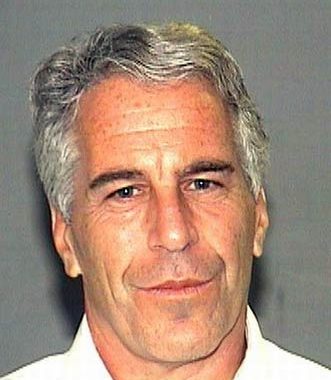
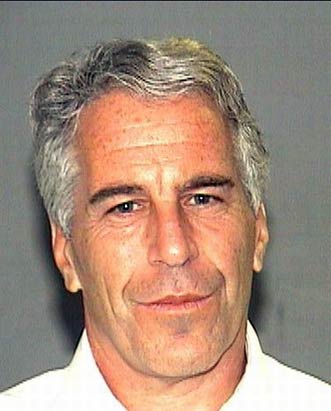
Jeffrey
Epstein
during
the
1990s
or
from
2010
until
his
death.
Just
think
about
it. I’m
not
sure
how
you’ll
resolve
that
thought
experiment,
but
you
owe
it
to
yourself
to
be
consistent.
(In
case
you’re
interested,
Donald
Trump
was
presumed
innocent
until
May
30,
2024,
when
he
was
convicted
of
34
felony
offenses. Trump
received
an
unconditional
discharge
on
January
10,
2025. MAGA
Republicans
didn’t
do
too
good
a
job
of
shunning
him
during
the
intervening
months. Maybe
they’ll
do
better
next
time.)
Mark Herrmann spent
17
years
as
a
partner
at
a
leading
international
law
firm
and
later
oversaw
litigation,
compliance
and
employment
matters
at
a
large
international
company.
He
is
the
author
of The
Curmudgeon’s
Guide
to
Practicing
Law and Drug
and
Device
Product
Liability
Litigation
Strategy (affiliate
links).
You
can
reach
him
by
email
at [email protected].