
WASHINGTON
—
By
blasting
Anthropic
on
social
media
and
in
the
press,
President
Donald
Trump,
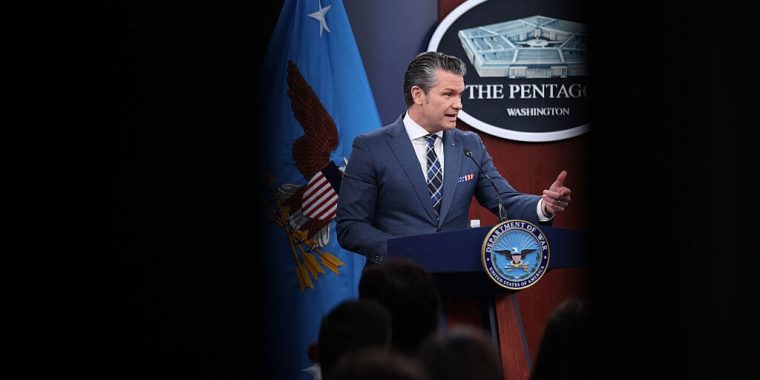
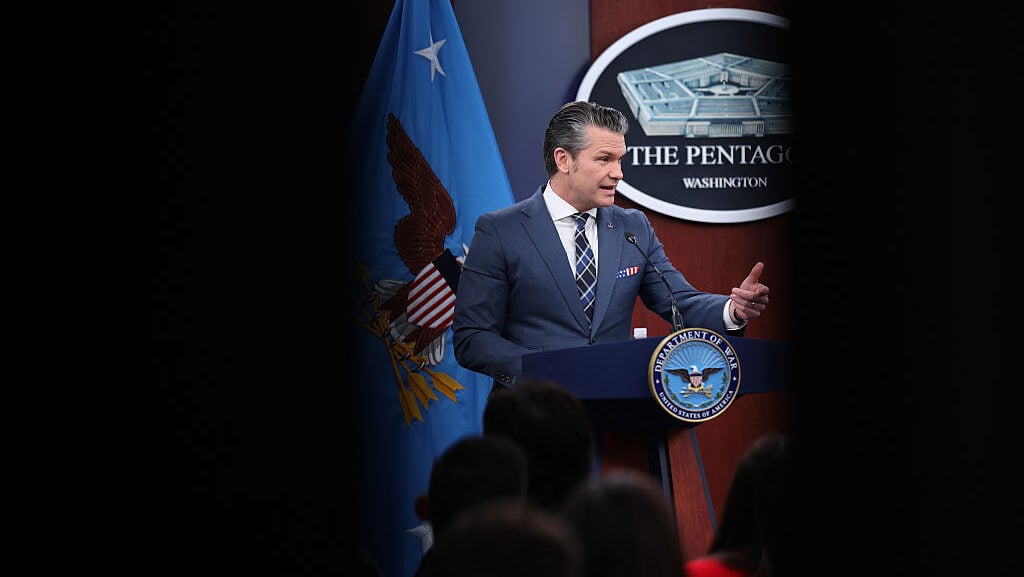
Defense
Secretary
Pete
Hegseth,
and
other
top
officials
have
given
the
AI
titan
a
ton
of
ammunition
to
overturn
administration’s
attempt
to
sanction
Anthropic
as
a
“supply
chain
risk,”
legal
experts
told
Breaking
Defense.
These
statements,
four
experts
agreed,
could
undercut
what
could
have
been
a
strong
case
for
the
government
—
and
at
a
crucial
time:
The
two
sides
are
preparing
for
a
key
hearing
Tuesday
afternoon,
when
a
judge
will
decide
whether
to
grant
Anthropic
an
injunction
that
would
pause
the
Pentagon’s
punishments
from
going
into
effect.
Those
DoD
sanctions
came
after
negotiations
between
the
company
and
the
Pentagon
broke
down
over
contract
language
governing
permissible
uses.
Pentagon
officials
publicly
declared
Anthropic
an
unreliable
partner
and
ordered
an
end
to
any
use
of
its
products,
not
only
within
the
Defense
Department,
but
by
any
contractor
working
on
a
defense
contract.
Trump
further
banned
Anthropic’s
use
by
any
federal
agency.
Anthropic
filed
two
lawsuits
on
March
9,
one
seeking
to
overturn
the
Pentagon
supply-chain-risk
designation
and
the
other
to
reverse
Trump’s
government-wide
ban.
“Anthropic’s
got
a
strong
case,
stronger
than
it
should,”
said
Sean
Timmons,
a
former
military
JAG
who
now
represents
troops
and
veterans
against
the
government.
“And
the
case
is
strong
primarily
because
the
President’s
made
‘admissions
against
interest,’”
he
said,
meaning
public
statements
that
are
admissible
for
the
opposing
side
to
cite
in
court.
Indeed,
“if
you
read
Anthropic’s
complaints,
they
lean
very
heavily
on
statements
by
Pentagon
officials,
both
on
social
media
and
stuff
anonymous
officials
have
been
quoted
in
the
press,”
said
Charlie
Bullock
of
the
Institute
for
Law
&
AI.
“Courts
do
generally
give
the
Pentagon
a
lot
of
deference
when
it
comes
to
national
security
decisions,
and
that’s
what
makes
me
think
the
Pentagon
has
a
chance.
[But]
I
would
give
Anthropic
greater
than
50
percent
odds
of
securing
some
kind
of
preliminary
injunction.”
The
court
will
have
to
consider
extensive
social
media
postings
by
Trump,
Hegseth,
Pentagon
Chief
Technology
Officer
Emil
Michael,
Pentagon
spokesman
Sean
Parnell,
and
even
acting
Under
Secretary
of
State
Jeremy
Lewin.
Trump
denounced
“the
Leftwing
nut
jobs
at
Anthropic,”
Hegseth
spoke
of
the
company’s
“arrogance
and
betrayal,”
and
Michael
called
its
CEO
“a
liar
[with]
a
God-complex.”
Without
such
“statements
against
interest”
in
the
record,
the
government
would
have
had
a
huge
advantage,
the
experts
agreed.
Even
with
them,
Timmons
argued,
“Anthropic
is
running
uphill
because
the
government’s
given
a
lot
of
leeway
[and]
the
courts
are
excessively
deferential.”
Contrary
to
some
of
Anthropic’s
loftier
arguments
that
it’s
being
unconstitutionally
punished
for
exercising
its
freedom
of
speech,
for
example,
an
agency
can
even
decide
to
cancel
a
contract
solely
because
a
contractor
publicly
voiced
its
disagreement
with
administration
policy,
he
said:
“The
First
Amendment
protects
speech,
but
it
doesn’t
compel
the
government
to
give
you
money.”
Also,
in
this
particular
case,
the
relevant
statutes
give
federal
agencies
wide
latitude
to
determine
whether
a
company
is
“supply
chain
risk.”
The
Defense
Department
in
particular
even
has
the
authority
(under
Title
10,
Sec.
3252)
to
declare
its
reasons
are
classified
on
grounds
of
national
security
and
therefore
cannot
be
subjected
to
judicial
review.
But
by
stating
its
reasons
so
publicly
and
in
so
much
detail,
argued
University
of
Minnesota
law
professor
Alan Rozenshtein,
the
government
effectively
waived
its
right
to
keep
them
secret
and
immune
from
challenge.
“The
classification
[power]
does
not
apply
here
because
the
government
did
not
classify
the
basis
for
action:
It
talked
about
it
loudly
on
X,”
Rozenshtein
told
Breaking
Defense.
“So
that
cat’s
out
of
the
bag.”
The
tone
of
these
public
statements
also
makes
it
tricky
for
government
lawyers
to
argue
the
determination
was
made
on
the
dryly
rational
grounds
laid
out
in
the
law,
the
experts
said.
“There’s
limitations
to
what
the
government
can
do
vindictively,
and
the
president
often
goes
on
these
vindictive
tirades
on
social
media,”
Timmons
said.
“It
might
rise
to
the
level
of
…
‘extreme
and
outrageous’
targeting
that
is
beyond
the
scope
of
permissible
due
process.”
Jessica
Tillipman,
associate
dean
for
government
procurement
law
at
George
Washington
University,
agreed.
“If
ever
you
were
going
to
argue
the
use
of
the
statute
was
a
pretext
…
they
have
statements
on
the
record
right
now
that
feel
very
much
like
this
is
a
punitive,
retaliatory
act,”
she
told
Breaking
Defense.
“Trump
saying
‘I
fired
[them]
like
dogs,’
that’s
Exhibit
No.
1.
[And]
when
I
saw
the
Secretary’s
statement
I
was
like,
I’m
sure
the
lawyers
for
Anthropic
could
have
it
framed.”
Pentagon
officials
declined
to
comment
on
a
pending
legal
matter,
while
Anthropic
has
not
replied
to
multiple
queries
from
Breaking
Defense.
One
Fight,
Two
Cases
The
first
opportunity
for
the
administration’s
statements
to
blow
back
on
them
in
court
would
come
at
a
key
hearing
Tuesday
afternoon
in
the
Northern
District
of
California.
That’s
where
Anthropic
is
seeking
an
injunction
to
pause
Hegseth’s
declaration
—
first
posted
on
X.com
—
of
the
company
as
a
“supply
chain
risk”
whose
products
are
unsafe
for
any
contractor
to
use
on
any
work
for
the
Defense
Department.
The
relevant
statute
used
by
the
DoD,
Title
10,
Sec.
3252,
has
only
been
invoked
once
before,
just
last
year,
against
a
Swiss
company.
The
statute
defines
“supply
chain
risk”
as
“the
risk
that
an
adversary
may
sabotage
…
or
otherwise
subvert”
key
defense
technology,
which
experts
said
suggests
it
only
applies
to
foreign
adversaries,
not
US
firms.
“The
way
these
statutes
are
written,
it
defines
‘supply
chain
risk’
very
narrowly,”
Bullock
told
Breaking
Defense.
While
the
language
doesn’t
explicitly
distinguish
foreign
companies
from
domestic
ones,
he
said,
“these
statues
have
never
been
invoked
against
an
American
company
before,
and
I
don’t
think
anyone
thought
they
would
be.”
Rozenshtein
made
an
even
blunter
assessment:
“Anthropic
is
just
not
a
supply
chain
risk
as
the
statute
understands
it,”
he
told
Breaking
Defense.
“The
clear
purpose
was
to
prohibit
foreign
companies
that
pose
a
threat
of
sabotage.
Anthropic
is
a
US
company
that
just
does
not
want
its
product
used
in
certain
ways.”
Anthropic
has
also
filed
a
second,
parallel
lawsuit
in
the
Washington,
DC
federal
circuit
court
seeking
to
overturn
Trump’s
order
—
posted
on
Truth
Social
—
“directing
EVERY
Federal
Agency,”
not
just
the
Pentagon,
to
stop
using
Anthropic
“immediately”
(albeit
over
“a
Six
Month
phase
out
period”)
and
“not
do
business
with
them
again.”
Subsequent,
more
formal
administration
statements
have
justified
that
ban
under
a
different
supply-chain-risk
statute,
Title
41,
Sec.
4713.
Unlike
the
Title
10
language,
Title
41
Sec.
4713
applies
to
all
federal
agencies.
But,
in
contrast
Title
10’s
streamlined
process,
Title
41
requires
a
more
extensive
“debarment”
procedure
that
the
administration
has
not
followed,
Tillipman
told
Breaking
Defense.
“Even
if
what
they
want
is
justifiable
—
a
product/service
that
doesn’t
do
what
they
need
it
to
do
—
we
have
other
ways
to
deal
with
this:
don’t
contract
with
a
company
or
terminate
the
contract,”
Tillipman
said.
“We
don’t
blacklist
by
tweet
in
the
United
States.
We
have
a
process
and
none
of
it
was
followed.”
Come
Tuesday
afternoon,
it
will
be
much
clearer
whether
the
courts
agree
that
the
Administration
has
overstepped
or
will
give
wide
deference
to
the
executive
branch.