
By
Pamenus
Tuso
The
46-year-old
single
mother
from
Mupamaonde
village
in
Masvingo
province
believed
the
payments
would
secure
admission
to
a
coveted
nursing
programme
at
Silveira
Mission
Hospital.
Instead,
the
money
disappeared
and
her
daughters
were
never
enrolled.
Jakata
reportedly
sold
four
cattle
in
an
attempt
to
secure
nursing
placements
for
her
two
daughters,
Masvingo
Province,
Zimbabwe
on
15
January
2026
Photograph
Pamenus
Tuso/SAAJP
Jakata’s
experience
is
part
of
what
interviews
with
other
victims
and
insiders
in
Zimbabwe’s
health
sector
suggest
is
a
growing
racket
in
which
scamsters
claim
political
connections
and
demand
bribes
from
families
desperate
to
secure
nursing
school
placements.
They
prey
on
the
public’s
widely
held
belief
that
political
influence
can
facilitate
such
placements.
In
Zimbabwe,
nursing
qualifications
are
highly
sought
after.
But,
places
are
limited
and
competition
is
intense.
Trainees
also
receive
government
stipends
while
the
profession
offers
opportunities
for
employment
abroad.
These
pressures
have
created
fertile
ground
for
individuals
claiming
influence
over
recruitment
processes.
Zimbabwe
currently
has
32
nurse
and
midwifery
training
institutions,
according
to
the
country’s
National
Health
Strategy
2021-2025.
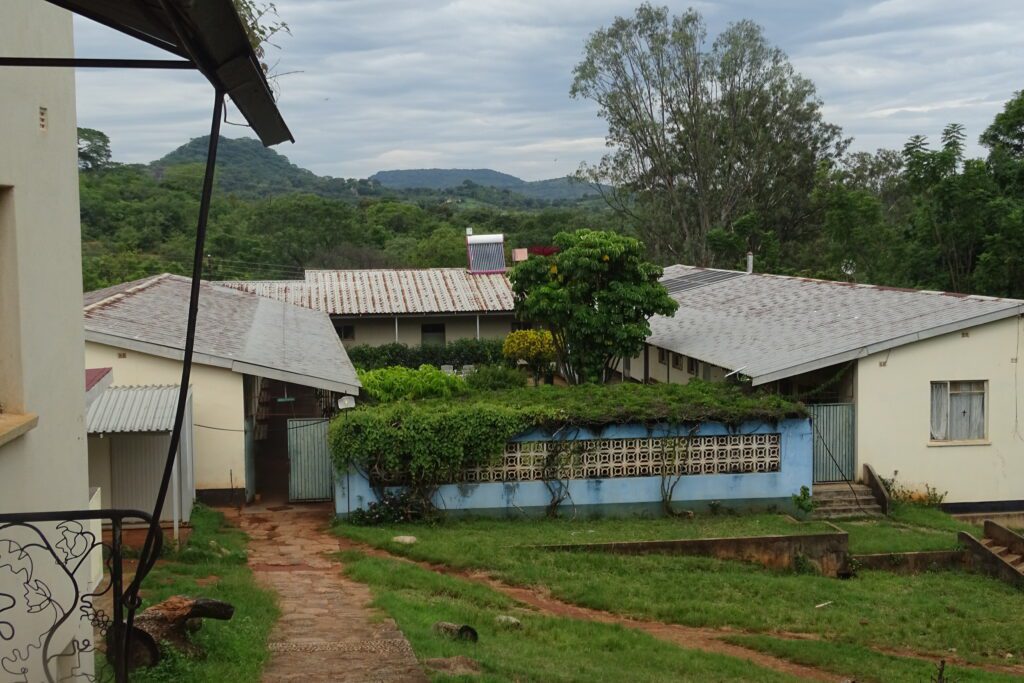
general
view
of
Silveira
School
of
Nursing,
allegedly
associated
with
incidents
of
bribery
in
nursing
placements,
Masvingo
Province,
Zimbabwe
on
16
January
2026.
Photograph
Pamenus
Tuso/SAAJP
Recruitment
system
under
scrutiny
In
2019,
the
government
introduced
the
National
Electronic
Recruitment
for
General
Nurse
Training
system
in
an
effort
to
curb
alleged
corruption
and
improve
transparency
in
nursing
recruitment.
The
system
was
discontinued
in
January
2022
after
authorities
said
it
disadvantaged
applicants
in
remote
areas
with
limited
internet
access.
Recruitment
was
subsequently
decentralised
to
provinces
and
health
institutions
with
quotas
intended
to
ensure
representation
across
districts.
At
least
half
of
each
intake
is
meant
to
come
from
local
districts.
But
a
senior
official
at
Mpilo
Central
Hospital
in
Bulawayo,
told
this
reporter
that
informal
arrangements
and
quotas
may
influence
the
process.
Speaking
on
condition
of
anonymity,
the
official
described
what
he
called
a
“confidential”
recruitment
structure
operating
alongside
official
procedures.
He
said
that
officials
from
the
Ministry
of
Health,
Ministry
of
State
for
Provincial
Affairs
and
Devolution,
chief
medical
officers
and
provincial
medical
directors
all
have
allocation
quotas
accounting
for
nearly
half
the
nursing
college
placements
at
Mpilo.
The
remaining
quota
is
reserved
for
local
recruits,
although
the
source
claimed
political
actors
and
security
agencies
sometimes
submit
names
within
that
pool
too.
“These
instructions
come
boss-to-boss.
You
will
never
see
official
documents,”
the
source
said.
When
queried,
the
Ministry
of
Health
and
Child
Care
denied
that
such
political
allocations
exist.
“The
quota
system
is
clear
on
how
the
candidates
are
selected,”
ministry
spokesperson
Donald
Mujiri
said,
adding
that
no
informal
allocations
occur
outside
of
that
system.
A
mother’s
ordeal
Jakata’s
case
illustrates
how
some
of
the
scamsters
operate.
Her
ordeal
began
in
August
2024
when
she
visited
Silveira
Mission
Hospital
with
a
sick
child
and
asked
nurses
about
recruitment
procedures.
Her
daughters
had
applied
several
times
previously
for
nursing
training
without
success.
During
the
conversation,
Thomas
Wasosa,
then
a
student
nurse,
offered
to
help
secure
placements
for
the
two
girls.
Months
later,
on
3
June
2025,
Wasosa
phoned
Jakata
claiming
he
had
spoken
to
his
“superiors”
and
that
money
was
required
to
bribe
officials
who
could
fast-track
the
enrolment.
He
referred
her
to
Tapiwa
Marongera,
whom
he
presented
as
a
senior
official
at
the
hospital.
Marongera
demanded
US$1
700
to
secure
placements
for
the
daughters.
The
amount
was
later
reduced
to
US$1
300
after
it
emerged
that
one
daughter
did
not
meet
the
mathematics
requirement.
WhatsApp
messages,
EcoCash
records
and
audio
recordings
show
that
Jakata
transferred
the
money
on
4
June
2025
after
being
told
the
payment
would
be
shared
among
those
involved.
Soon
afterwards,
Wasosa
made
contact
again
and
told
Jakata
that
mathematics
had
been
dropped
as
a
requirement
and
that
both
daughters
now
qualified.
But
another
US$1,000
was
required.
With
no
other
source
of
income,
Jakata
sold
her
four
cattle.
“I
sold
the
four
cattle
I
had
to
raise
the
money.
Those
were
the
only
beasts
I
owned.
Now
I
have
nothing.
All
I
wanted
was
a
chance
for
my
child,”
she
said.
The
additional
cash
was
delivered
at
Nyika
Growth
Point
in
Bikita
district,
she
added.
Jakata’s
daughter
Alice
was
then
instructed
to
travel
to
Harare
to
meet
Wellington
Mutisi,
who
allegedly
promised
to
guide
the
process
further.
In
November
last
year,
the
Masvingo
Mirror
identified
Mutisi
as
a
pro-Zanu
PF
activist
who
rubbed
shoulders
with
the
party’s
elite
and
the
national
commissar
for
Varakashi
4ED,
a
loose
network
of
pro-government
activists
who
operate
online.
The
report
added
that
he?
was
wanted
by
police
for
his
involvement
in
defrauding
Jakata.
According
to
Jakata,
Mutisi
assured
her
that
the
placements
had
been
secured
before
referring
Alice
to
the
office
of
the
Minister
of
State
for
Provincial
Affairs
and
Devolution
in
Masvingo.
It
remains
unclear
whether
the
minister
or
his
office
had
any
knowledge
of
the
alleged
arrangement.
Alice
said
she
travelled
overnight
and
submitted
application
papers
at
the
minister’s
office
where
two
officials
reportedly
received
them.
Despite
repeated
assurances,
neither
daughter
was
called
for
interviews
or
enrolled
in
the
September
2025
intake.
When
Jakata
demanded
answers
she
was
told
the
applications
had
been
deferred
to
the
January
2026
intake.
In
a
WhatsApp
audio
message,
Marongera
said:
“Mother,
if
you
look
at
how
I
handled
the
issue
from
the
beginning
you
will
realise
that
I
was
showing
commitment
and
love…
But
if
the
minister
says
he
will
take
a
certain
number
from
the
list
and
defer
the
rest
to
January,
what
was
I
supposed
to
do?”
Jakata
later
approached
the
nursing
training
office
at
Silveira
Mission
Hospital
and
was
told
Marongera,
Wasosa
and
Mutisi
had
no
role
in
recruitment.
Jakarta’s
revelation
led
to
Wasosa’s
arrest.
Masvingo
police
spokesperson
Inspector
Kudakwashe
Dhewa
confirmed
the
case.
“The
case
is
now
before
the
Bikita
Magistrates’
Court.
One
of
the
suspects,
Tapiwa
Marongera
who
is
facing
fraud
charges
is
still
on
the
run,”
Dhewa
said.
According
to
a
response
to
queries
from
the
National
Prosecuting
Authority
of
Zimbabwe
(NPAZ),
Wasosa
was
placed
on
remand
in
October
2025
on
fraud
charges
related
to
soliciting
money
under
the
pretext
of
facilitating
nursing
placements.
Investigations
are
continuing.
Marongera
has
not
been
formally
charged
because
he
could
not
be
located.
Police
are
also
searching
for
another
alleged
accomplice,
identified
by
the
NPAZ
as
Mutisi
William,
but
understood
to
refer
to
Wellington
Mutisi.
When
contacted,
Mutisi
denied
involvement.
“The
case
is
before
the
courts
and
we
leave
it
there…
You
just
want
to
tarnish
my
good
reputation,”
he
said.
Other
victims
Jakata’s
experience
is
not
isolated.
A
teacher
at
Gwindingwi
Secondary
School
in
Bikita
said
she
was
approached
by
a
Zanu-PF
youth
leader
who
promised
to
secure
a
nursing
training
place
for
her
daughter
through
party
connections.
He
demanded
US$1
300.
She
paid
US$450
in
cash
at
Nyika
Growth
Point
taxi
rank
but
her
daughter
was
never
called
for
interviews.
Two
other
alleged
victims
initially
agreed
to
tell
their
stories.
But,
they
later
declined
to
speak,
citing
fears
that
complaining
could
damage
their
chances
of
securing
training
places
in
the
future.
Political
recommendations
Evidence
obtained
during
the
investigation
suggests
political
figures
may
play
a
role
in
recommending
candidates
for
nursing
training.
Bulawayo
Central
Member
of
Parliament
Surrender
Kapokikilu
confirmed
that
he
wrote
a
letter
requesting
“special
consideration”
for
a
nursing
training
applicant.
“MPs
and
local
leadership
are
allowed
to
recommend.
They
have
10%
in
the
quota
system
to
ensure
locals
are
not
short
changed,”
Kapokikilu
said
via
text
message.
Responding
to
questions
submitted
via
WhatsApp,
Donald
Mujiri,
the
Ministry
of
Health
and
Child
Care’s
spokesperson,
denied
the
existence
of
any
arrangement
whereby
specific
quotas
in
nurse
recruitment
are
allocated
to
political
offices
and
senior
officials.
Unanswered
questions
Authorities
say
they
are
unaware
of
widespread
bribery
linked
to
nursing
recruitment.
Responding
to
allegations
that
intermediaries
are
soliciting
payments
while
claiming
influence
over
recruitment
decisions,
the
Ministry
of
Health
and
Child
Care
said
no
formal
reports
had
been
submitted.
The
National
Prosecuting
Authority
of
Zimbabwe
urged
the
public
to
avoid
paying
individuals
who
claim
they
can
facilitate
recruitment.
“Legitimate
recruitment
processes
are
conducted
through
official
channels
and
do
not
require
payments
to
private
individuals,”
said
Kennedy
Khombo
NPAZ
Deputy
Director
Corporate
Affairs
and
Communications.