

A
federal
inquiry
into
the
financial
and
national
security
implications
of
pharmaceutical
imports
is
leading
President
Trump
to
impose
steep
new
fees,
but
they
won’t
touch
the
medicines
that
most
Americans
take
—
at
least
not
yet.
While
the
coming
pharmaceutical
tariffs
cover
brand
name
drugs,
they
exempt
the
generic
medications
that
represent
the
vast
majority
of
U.S.
prescriptions.
The
exemptions
also
include
some
less-prescribed
products.
Rare
disease
drugs
and
certain
types
of
cancer
therapies
are
spared,
as
are
fertility
drugs,
cell
and
gene
therapies,
and
medicines
for
chemical,
biological,
and
nuclear
threats.
But
for
biopharmaceutical
companies
covered
by
the
president’s
new
policy,
the
cost
is
steep:
a
100%
tariff
for
branded
products
and
pharmaceutical
ingredients
that
enter
the
country
from
abroad.
The
policy
announced
Thursday
continues
Trump’s
refrain
to
various
industries
since
his
first
term:
Make
your
products
here
or
pay
tariffs.
For
biopharma
companies
facing
these
new
tariffs,
the
financial
levy
starts
at
the
end
of
July
for
large
firms
and
at
the
end
of
September
for
smaller
ones.
That
still
gives
them
time
to
strike
a
tariff-sparing
deal.
Trump
has
been
pursuing
tariffs
on
multiple
fronts.
In
February,
the
U.S.
Supreme
Court
ruled
the
president
does
not
have
the
authority
to
impose
tariffs
under
the
International
Emergency
Economic
Powers
Act.
Trump
is
basing
the
new
pharma
tariffs
on
the
findings
of
an
investigation
by
the
U.S.
Department
of
Commerce.
Under
Section
232
of
the
Trade
Expansion
Act
of
1962,
the
department
secretary
may
investigate
the
effect
of
imports
on
national
security.
Trump
successfully
used
such
investigations
to
justify
tariffs
on
aluminum
and
steel
during
his
first
presidential
term.
A
year
ago,
he
announced
a
Section
232
investigation
into
pharmaceuticals
and
their
ingredients,
both
branded
and
generic
products.
In
a
presidential
proclamation,
Trump
cited
FDA
figures
stating
that
53%
of
patented
drugs
distributed
in
the
U.S.
come
from
outside
the
country
and
just
15%
of
active
pharmaceutical
ingredients
(APIs)
by
volume
are
produced
in
the
U.S.
for
the
domestic
market.
The
Commerce
Department’s
report
concluded
that
reliance
on
drug
imports
threatens
to
limit
U.S.
access
to
life-saving
medicines
if
there
is
a
global
supply
chain
disruption.
Reliance
on
drugs
and
APIs
from
overseas
is
a
security
matter,
Trump
said.
“The
Secretary
found
that
patented
pharmaceuticals
and
associated
pharmaceutical
ingredients
are
essential
to
the
United
States’
military
and
civilian
healthcare,”
the
proclamation
states.
“A
self-sufficient
domestic
manufacturing
and
industrial
base
for
pharmaceutical
products
is
vital
for
the
ability
to
support
national
defense
requirements
and
maintain
public
health
security
during
a
national
emergency
or
wartime.”
Trump
had
already
been
trying
to
address
drug
and
API
production
with
policy,
though
not
in
partnership
with
Congress.
Last
summer,
he
issued
an
executive
order
directing
the
government
to
stockpile
APIs
for
certain
medicines
“critical
to
the
health
and
security
of
the
nation.”
He
has
also
been
goading
pharmaceutical
companies
to
reshore
their
drug
manufacturing
operations.
The
threat
of
tariffs
was
the
stick
that
brought
companies
to
the
negotiating
table.
Pfizer
was
first
to
strike
a
deal,
agreeing
last
September
to
match
the
price
of
certain
medicines
to
a
product’s
lowest
price
in
a
comparable
developed
nation,
which
is
called
most-favored
nation
(MFN)
pricing.
The
pharma
company
also
agreed
to
invest
in
domestic
manufacturing.
Several
other
companies
have
followed
with
their
own
MFN
deals.
Those
that
have
cut
such
deals
are
exempt
from
Section
232
tariffs
for
the
remainder
of
Trump’s
term.
A
reduced
tariff
rate
applies
to
companies
that
have
an
administration-approved
onshoring
plan.
Rather
than
facing
a
100%
rate
on
imported
products,
the
rate
for
these
companies
will
be
20%.
But
if
they
don’t
eventually
strike
a
formal
MFN
deal,
their
rates
will
increase
to
100%
within
four
years
of
the
proclamation.
Lower
rates
apply
to
companies
in
countries
or
regions
where
the
U.S.
has
a
trade
deal,
such
as
the
European
Union,
Japan,
and
South
Korea.
The
zero
tariff
rate
for
generic
drugs
also
applies
to
biosimilars
and
their
ingredients.
But
for
both
generics
and
biosimilars,
exemption
from
Section
232
tariffs
could
be
temporary.
The
proclamation
states
that
within
one
year,
the
commerce
secretary
may
inform
the
president
of
any
necessary
policy
changes
for
these
drugs
and
their
ingredients.
Industry
trade
groups
do
not
like
the
new
tariff
policy.
PhRMA
contends
tariffs
will
jeopardize
the
U.S.
capital
investments
that
biopharmaceutical
companies
have
announced
in
the
past
year.
In
a
prepared
statement,
PhRMA
President
and
CEO
Stephen
Ubl
said
every
dollar
spent
on
tariffs
is
a
dollar
that
can’t
go
toward
those
investments.
John
Crowley,
president
and
CEO
of
the
Biotechnology
Innovation
Organization,
said
in
a
prepared
statement
that
tariffs,
MFN
pricing,
and
an
uncertain
policy
environment
work
against
goals
of
business
expansion
in
the
U.S.
He
added
that
the
tariff
risks
are
acute
for
small
and
mid-size
biotech
companies
that
often
lack
the
capital
to
build
dedicated
manufacturing.
“While
we
appreciate
the
administration’s
recognition
of
the
need
for
tariff
exemptions
for
certain
critical
biotech
products,
the
reality
is
that
any
tariffs
on
America’s
medicines
will
raise
costs,
impede
domestic
manufacturing,
and
delay
the
development
of
new
treatments
—
all
while
doing
nothing
to
enhance
our
national
security,”
Crowley
said.
More
tariffs
are
looming.
In
a
fact
sheet
explaining
the
new
policy,
the
Trump
administration
said
Section
232
investigations
are
ongoing
in
sectors
adjacent
to
pharmaceuticals:
personal
protective
equipment,
medical
consumables,
and
medical
equipment
and
devices,
and
robotics.
“These
investigations
will
help
ensure
that
harmful
imports
in
any
strategic
sector
do
not
compromise
national
security,”
the
White
House
said.
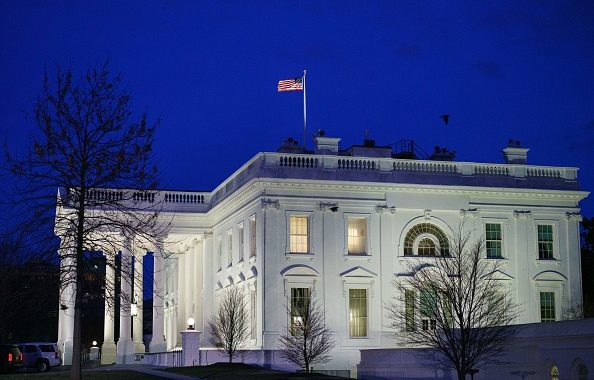
Photo:
Mandel
Ngan/AFP,
via
Getty
Images