
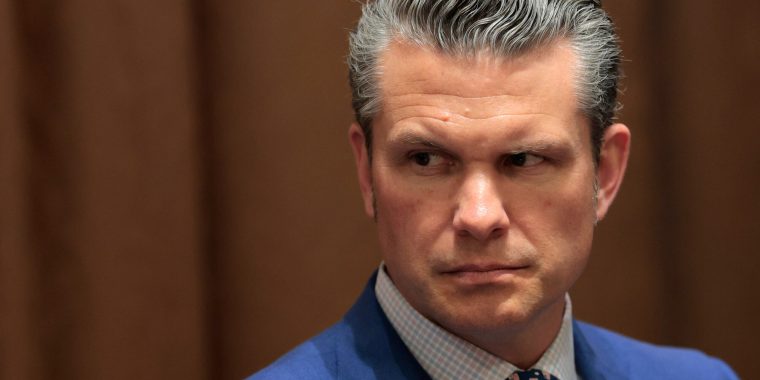

by
Anna
Moneymaker/Getty
Images)
Call
me
a
skeptic
from
the
start: If
you
wanted
to
keep
criminals
from
bringing
cocaine
into
the
United
States,
then
you’d
work
with
our
allies,
rather
than
work
alone;
you’d
secure
evidence,
rather
than
destroy
it;
you’d
capture
and
interrogate
suspects,
rather
than
bomb
them;
and
you’d
work
your
way
up
to
the
ringleaders
of
a
cartel,
and
then
go
after
them.
Voila! Real
progress
in
your
new
war
on
drugs.
But
the
Trump
administration
has
chosen
to
go
after
supposed
drug
traffickers
from
Venezuela
exactly
the
opposite
way: The
United
States
works
alone;
we
blow
up
boats
with
evidence
aboard;
we
kill
suspects;
we
make
no
effort
to
work
our
way
up
the
criminal
chain.
Trump
can
say
the
operation
off
the
shores
of
Venezuela
is
meant
to
stop
crime,
but
it’s
nothing
of
the
sort. It’s
an
effort
to
appeal
to
emotionally
underdeveloped
morons
who
feasted
on
“Dirty
Harry”
films
in
their
youth
and
think
it’s
cool
when
vigilantes
kill
the
bad
guys.
I
don’t
feel
so
lucky.
The
strike
that’s
gotten
Secretary
of
Defense
Pete
Hegseth
into
hot
water
is
remarkable. The
military
blew
up
a
boat,
killing
nine
people
and
leaving
two
alive. The
alleged
drug
boat
was
apparently
split
in
two. The
two
survivors
were
clinging
to
the
top
of
a
capsized
piece
of
a
boat
trying
to
right
it. The
admiral
in
charge
of
the
mission
decided
that
the
two
survivors
might
radio
for
help,
collect
some
floating
bales
of
cocaine,
and
continue
their
effort
to
smuggle
drugs. Because
the
two
might
radio
for
help,
they
were
not
“out
of
combat”
and
remained
a
legitimate
target. The
admiral
ordered
the
two
killed
in
a
follow-up
strike.
Hegseth
had
seemingly
left
the
room
by
the
time
the
second
strike
occurred.
Can
you
find
the
mistakes
in
this
picture?
Go
ahead;
make
my
day.
First,
Hegseth
is
the
clown
with
the
intelligence
of
a
12-year-old
overseeing
this
operation. A
few
months
back,
he
tried
to
prove
that
he
was
important
by
sharing
secret
messages
about
a
forthcoming
strike
in
Yemen
in
a
Signal
chat
with
other
people: “I’m
the
Secretary
of
Defense!
I
know
some
confidential
things,
and
I’m
going
to
prove
that
I’m
cool! Let
me
share
some
secrets
with
you!”
The
guy
with
this
mindset
decides
that
he
doesn’t
want
to
stay
in
the
room
to
watch
the
follow-up
strike,
but
instead
voluntarily
walks
off
to
attend
to
more
important
business?
Maybe.
Second,
the
admiral
and
others
remaining
in
the
room
can’t
contact
the
Secretary
when
they’re
deciding
whether
to
make
a
follow-up
strike. I
guess
the
SecDef
doesn’t
have
either
a
cell
phone
or
a
military
aide
nearby
when
he’s
in
the
Pentagon. I
sure
hope
no
war
starts
when
Hegseth
is
in
the
Pentagon:
“Where’s
the
Secretary? It’s
an
emergency!”
“Damned
if
I
know.”
“Anyone
got
his
phone
number?”
“He
doesn’t
carry
a
phone.”
“Can
we
contact
him
through
one
of
his
aides?”
“We
don’t
have
his
aides’
phone
numbers
either.”
And
the
conversation
stops,
because
the
Pentagon
was
nuked
while
the
military
rooted
around
trying
to
find
the
missing
Hegseth.
Are
you
buying
it?
But
accept
it
all.
Hegseth
has
left
the
room. The
remaining
folks
in
the
room
can’t,
or
don’t
want
to,
contact
Hegseth. The
admiral
looks
at
the
situation
and
draws
some
conclusions: Two
guys
are
clinging
to
the
top
of
a
capsized
boat. Admittedly,
the
two
hadn’t
committed
a
“hostile
act,”
and
they
hadn’t
“attempt[ed]
to
escape,”
which
are
the
actions
that
the DOD
Law
of
War
Manual says
might
allow
targeting
them. But
the
shipwrecked
men
might
try
to
radio
for
help
(if
they
have
a
radio
on
top
of
their
capsized
boat)
or
otherwise
flag
down
help. The
admiral
thinks
this
means
the
two
men
are
trying
to
re-enter
combat,
which
justifies
killing
them.
Really? If
I
were
clinging
to
the
top
of
a
capsized
boat
in
the
open
ocean,
I’d
try
to
radio
(or
otherwise
call
for)
help
too,
not
because
I
wanted
to
get
back
in
the
fight,
but
because
I
was
clinging
to
the
top
of
a
capsized
boat
in
the
open
ocean,
for
chrissake! I
could
use
some
help. This
would
make
me
a
legitimate
military
target?
Finally,
for
the
military
to
make
its
case
to
the
American
people,
the
military
could
release
the
video
of
the
second
strike. Remember: The
military
voluntarily
chose
to
release
the
film
of
the
first
strike: Hegseth
played
the
video
when
he
bragged
about
the
strike
on
Fox
News,
and
Trump
later
also
showed
the
film.
(If
you
don’t
actually
show
the
film
to
the
public,
you
don’t
satisfy
the
bloodlust
of
your
emotionally
underdeveloped
vigilante
fans.)
It’s
thus
apparently
okay
to
release
the
film
of
the
first
strike. That
film
is
not
secret,
does
not
disclose
sources
and
methods
for
gathering
intelligence,
and
there’s
no
other
reason
to
keep
it
under
wraps.
Play
it
on
Fox
News.
But
when
the
public
asks
to
see
the
film
of
the
second
strike,
all
of
a
sudden
that’s
off
limits? (Or
at
least
it’s
still
off
limits
as
I’m
writing
this,
on
Saturday
afternoon. Perhaps
the
second
video
will
have
been
released
by
Monday.)
What
possible
justification
is
there
for
releasing
the
film
of
the
first
strike
and
then
withholding
the
film
of
the
second?
Unless,
maybe,
the
second
film
would
be
unhelpful
to
the
military’s
story.
I’m
not
a
military
lawyer. I’m
out
here
in
the
cheap
seats,
thinking
about
what
we’re
being
told,
what
makes
sense,
and
who’s
telling
the
truth.
Don’t
let
your
partisanship
cloud
your
vision.
Just
use
your
own
common
sense,
instead
of
your
bloodlust,
and
work
this
out
for
yourself.
Mark Herrmann spent
17
years
as
a
partner
at
a
leading
international
law
firm
and
later
oversaw
litigation,
compliance
and
employment
matters
at
a
large
international
company.
He
is
the
author
of The
Curmudgeon’s
Guide
to
Practicing
Law and Drug
and
Device
Product
Liability
Litigation
Strategy (affiliate
links).
You
can
reach
him
by
email
at [email protected].