

BULAWAYO
–
Two
families
are
reeling
after
discovering
that
their
daughters,
now
18,
were
swapped
at
birth
at
Mpilo
Central
Hospital
on
May
13,
2007,
ZimLive
can
reveal.
The
heartbreaking
mix-up
came
to
light
after
the
father
of
one
of
the
girls,
whose
family
lives
in
Bulawayo,
grew
suspicious
that
his
youngest
child
looked
nothing
like
her
siblings.
Acting
on
his
doubts,
he
secretly
commissioned
a
DNA
test,
which
revealed
the
girl
was
not
biologically
his.
A
family
source
said:
“He
naturally
accused
his
wife
of
cheating
and
they
became
estranged.
The
wife
was
devastated
because
she
knew
she
had
been
faithful.”
Determined
to
uncover
the
truth,
the
woman
returned
to
Mpilo
Hospital
to
investigate.
Records
showed
that
only
two
girls
were
born
that
day,
and
she
managed
to
obtain
the
name
of
the
other
mother,
though
no
contact
details
were
available.
“She
began
searching
and
in
2023
found
the
other
woman
on
social
media,”
the
source
continued.
“They
met,
shared
their
stories
and
agreed
to
do
a
DNA
test.
It
confirmed
beyond
doubt
that
their
babies
had
been
swapped.”
The
discovery
upended
both
families’
lives.
Mpilo
Hospital
allegedly
admitted
negligence,
saying
baby
identification
tags
had
likely
slipped
off
and
been
replaced
incorrectly.
“The
hospital
pleaded
that
in
2007
the
country
was
going
through
a
severe
economic
crisis,
they
were
short-staffed
and
systems
were
compromised,”
the
source
said.
Mpilo
Hospital
chief
medical
officer
Dr
Narcisius
Dzvanga
said
he
needed
more
time
to
respond
to
questions
sent
by
ZimLive.
We
asked
the
hospital
to
explain
how
the
mix-up
occurred,
whether
similar
risks
remain,
and
what
assistance
—
psychological
or
otherwise
—
has
been
provided
to
the
affected
families.
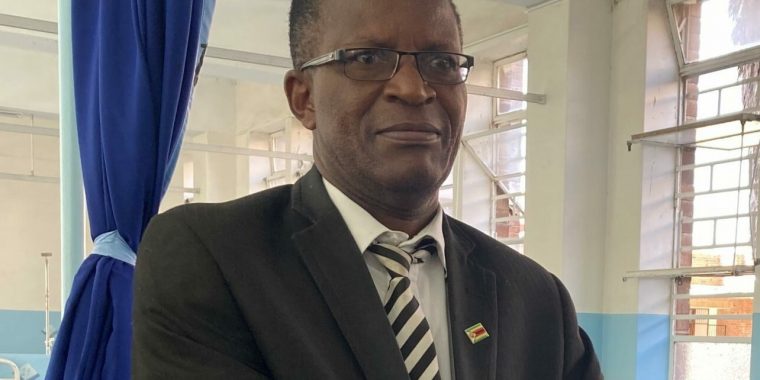
Central
Hospital
chief
medical
officer
Narcisius
Dzvanga
Sources
close
to
the
families
said
the
hospital
has
done
little
more
than
advise
them
to
find
common
ground.
“The
least
they
could
have
done
was
deploy
psychologists
—
they
have
no
shortage
of
them
under
the
ministry
of
health
—
to
help
them
through
the
trauma,”
said
the
source.
“Instead,
the
families
have
been
left
to
deal
with
the
fallout
alone.”
The
ordeal
was
compounded
by
the
death
of
the
father
of
the
Shurugwi-based
girl,
who
passed
away
before
learning
the
truth.
“The
Bulawayo
family
is
well-off
and
has
offered
to
take
care
of
both
girls,
but
the
Shurugwi
relatives
are
still
deciding.
It’s
not
made
better
by
the
fact
that
the
Shurugwi
mum
lives
in
South
Africa,
trying
this
and
that
to
make
ends
meet.
It’s
difficult
for
everyone,
understandably,”
the
source
added.
Efforts
have
been
made
for
the
girls
to
spend
time
with
both
families
to
help
them
adjust
and
bond,
though
differences
in
language
and
culture
—
one
family
is
Shona-speaking,
the
other
Ndebele
—
have
complicated
the
process.
The
two
families
have
reportedly
engaged
lawyers
over
potential
lawsuits
against
the
hospital.
The
Mpilo
Hospital
case
comes
just
months
after
a
similar
baby
swap
at
the
United
Bulawayo
Hospitals
(UBH)
in
January.
In
that
incident,
a
Cowdray
Park
mother
who
had
delivered
a
boy
by
Caesarean
section
was
handed
a
girl
after
the
babies
were
taken
for
cleaning.
She
maintained
that
her
child
was
in
fact
a
boy,
but
the
nurses
refused
to
entertain
her
protests.
Her
suspicions
led
her
to
pay
for
a
private
DNA
test,
which
confirmed
her
fears.
UBH
later
referred
the
case
to
the
Applied
Genetics
Testing
Centre
at
the
National
University
of
Science
and
Technology
(NUST),
which
confirmed
the
babies
had
indeed
been
switched.
The
Esigodini
couple
who
had
received
the
boy
reportedly
refused
DNA
testing
until
police
intervened.
The
father,
a
small-scale
miner,
had
been
desperate
for
a
son.
The
Mpilo
Hospital
baby
swap
bears
a
striking
resemblance
to
a
precedent-setting
case
in
South
Africa.
In
2014,
the
North
Gauteng
High
Court
in
Pretoria
ruled
on
an
almost
identical
situation
from
Tambo
Memorial
Hospital,
where
two
children
were
accidentally
swapped
in
2010.
The
truth
in
that
case
emerged
when
a
paternity
test
revealed
a
man
was
not
the
father
of
the
boy
he
was
raising.
The
court
was
faced
with
an
agonising
decision:
return
the
children
to
their
biological
families
or
preserve
the
bonds
they
had
formed
over
years.
The
court
ultimately
ruled
that
the
children
should
remain
with
the
families
who
had
raised
them,
prioritising
the
psychological
bonds
of
attachment
over
biological
ties.
The
biological
parents
were
granted
contact
rights,
but
not
custody
—
a
judgement
that
underscored
the
profound
and
irreversible
emotional
trauma
inflicted
by
such
a
mix-up.
Today’s
revelations
could
not
have
come
at
a
worse
time
for
Mpilo
Central
Hospital,
the
biggest
referral
health
centre
in
Zimbabwe’s
south-western
region,
which
serves
Matabeleland
South,
Matabeleland
North,
Bulawayo,
Midlands
and
Masvingo.
The
hospital
has
recently
been
engulfed
in
scandal
over
the
recruitment
of
nursing
students
with
falsified
O’
Level
certificates
—
not
long
after
a
man
claiming
to
be
a
doctor
was
found
attending
to
patients.
Thelma
Gurupira,
23,
of
Mbare
in
Harare,
trained
at
the
hospital
as
a
nurse
between
2022
and
2025
after
presenting
a
fake
certificate
showing
she
had
passed
six
O’
Level
subjects.
She
is
currently
on
remand
following
her
arrest
for
fraud.
Sandra
Kudzaishe
Ndege,
25,
of
Murehwa,
twice
failed
her
O’
Levels
but
was
admitted
to
train
as
a
nurse
at
Mpilo
in
2023.
She
was
arrested
after
the
Zimbabwe
Schools
Examinations
Council
said
her
purported
eight
O’
Level
passes
were
a
forgery.
Another
nursing
student
from
the
2023
intake,
Jonathan
Mukwenha
from
Gokwe,
allegedly
stole
the
results
of
one
Memory
Moyo
—
a
former
student
at
Tsungai
High
School
in
the
district
—
and
manipulated
them
through
a
computer
programme.
Lazarus
Munatsi,
50,
the
deputy
headmaster
at
Tsungai
High
School,
has
also
been
arrested,
accused
of
handing
over
Moyo’s
certificate
for
digital
alteration
by
one
Tonderai
Mukakati,
who
remains
on
the
run.
The
scandals
have
raised
serious
questions
about
patient
safety
at
the
hospital,
which
was
already
battling
to
repair
its
image
after
Taurayi
Prosper
Vanhuvaone,
29,
posed
as
a
doctor
for
several
months
—
prescribing
dubious
medicines
and
swindling
patients
before
he
was
caught.