
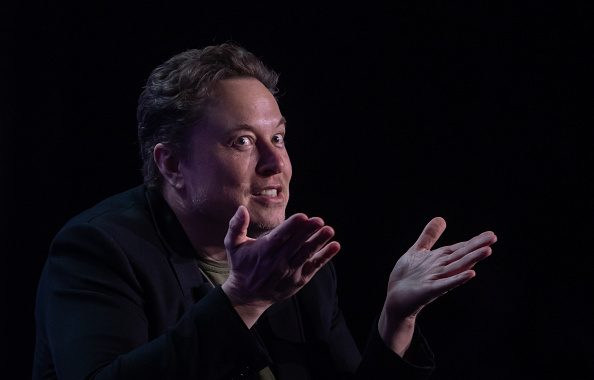
by
Apu
Gomes/Getty
Images)
Elon
Musk
is
already
the
best-paid
CEO
in
the
world.
He
is
also
the
richest
man
in
the
world.
Naturally,
this
led
Tesla’s
board
to
introduce
a
ludicrous
pay
package
that
could
more
than
treble
his
net
worth
and
make
him
the
world’s
first
trillionaire.
Today,
the
423.7
million
additional
Tesla
shares
that
Musk
could
acquire
are
worth
“merely”
$148.7
billion.
If
Musk
can
meet
12
highly
ambitious
milestones
over
the
coming
decade,
including
increasing
Tesla’s
overall
value
eightfold
to
$8.5
trillion,
those
extra
shares
will
be
his,
and
will
at
that
point
be
worth
close
to
$1
trillion.
This
$1
trillion
pay
package
is
a
bit
of
a
gimmick,
and
Tesla
investors
like
myself
will
still
get
to
vote
on
it
come
November.
It
is
unique
not
only
in
its
amount,
but
also
in
the
fact
that
it
seems
to
partially
be
a
product
of
a
CEO
holding
his
own
company
hostage.
Normally
the
CEO
of
a
car
company
overseeing
a
year
of
disastrous
sales
numbers,
primarily
as
a
result
of
his
political
activities
that
seemed
almost
intentionally
engineered
to
alienate
large
swathes
of
his
customer
base,
would
not
be
up
for
a
big
reward.
But
in
negotiations
with
the
board
Musk
threatened
to
“pursue
other
interests”
if
his
demands
for
a
truly
historic
pay
package
were
not
met.
For
most
of
us,
I
don’t
think
saying,
“Pay
me
more
than
anyone
else
has
ever
been
paid
or
I
will
continue
to
do
my
job
poorly,”
would
be
a
very
good
negotiating
tactic.
To
be
fair
to
the
Tesla
board,
though,
they’re
kind
of
between
a
rock
and
a
hard
place.
As
odious
a
man
as
he
continually
proves
himself
to
be,
Musk
has
achieved
borderline
miraculous
things
with
Tesla
and
his
other
companies
before,
and
keeping
him
challenged
at
Tesla
might
be
the
best
way
to
keep
him
out
of
further
forays
into
politics
and
social
media.
That,
of
course,
leaves
open
the
question
of
what
he
will
do
with
his
additional
$1
trillion
a
decade
into
the
future
if
he
is
able
to
pull
another
rabbit
out
of
his
hat.
This
all
makes
for
a
troubling
moral
conundrum.
Not
for
Tesla’s
shareholders,
or
its
board,
or
even
Musk
himself.
It
is
the
job
of
a
company
to
make
money
(hopefully
at
least
somewhat
ethically),
and
billionaires
are
not
going
to
police
themselves.
No,
I
place
the
blame
for
what
is
happening
to
install
Musk
and
others
like
him
permanently
at
the
levers
of
power
squarely
on
the
American
voter.
Look,
at
the
risk
of
engaging
in
my
own
mythmaking
here,
I
do
not
have
a
problem
with
capitalism.
I
worked
my
way
up
from
the
floor
of
a
meatpacking
plant
to
my
investments
being
almost
entirely
the
source
of
whatever
financial
security
I
have,
and
sure
wouldn’t
mind
the
value
of
my
own
Tesla
shares
being
multiplied
by
eight.
And
that,
in
the
wake
of
smashing
Victorian
era
monopolies
and
regulating
financial
markets
in
the
early
20th
century,
is
what
modern
capitalism
was
supposed
to
be:
providing
normal
people,
working
people,
with
a
relatively
secure
avenue
to
save
and
invest
wisely
and
someday
have
the
freedom
that
participating
in
well-regulated
financial
markets
provides.
That
is,
hypothetically,
why
the
capital
gains
tax
rate
is
less
than
all
but
the
lowest
marginal
tax
rates
for
income
from
working.
The
theory
was
that
you
were
already
taxed
once
on
your
income
when
you
earned
it,
so
you
should
get
a
bit
of
a
tax
break
on
the
fruits
of
investing
that
income.
Instead
of
such
a
Utopian
vision
coming
to
pass
and
elevating
everyday
people,
we
had
a
generation
of
CEOs
restructuring
their
pay
to
take
advantage
of
every
tax
loophole
know
to
the
savviest
tax
lawyers
of
America.
We
had
several
generations
of
Americans
kept
deliberately
ignorant
of
how
the
financial
markets
functioned.
Did
any
of
your
teachers
mention
to
you
even
once
in
high
school
what
an
IRA
is
or
how
a
stock
market
index
fund
works?
We
had
big
money
flood
into
politics
with
a
wink
from
a
compliant
Supreme
Court
so
as
to
more
efficiently
spread
lies
to
people
to
keep
them
stupid
and
to
keep
career
politicians
busy
fundraising
rather
than
advocating
for
their
constituents.
The
top
marginal
tax
rate
for
most
of
the
1950s
was
91%,
and
it
only
applied
to
the
portion
of
a
person’s
income
that
was
over
the
equivalent
of
about
$2
million
in
today’s
money.
While
we
do
need
to
go
back
to
higher
income
tax
rates
for
high
earners,
what
we
really
need
is
to
levy
wealth
itself
and
close
the
huge
loopholes
that
allow
the
mega-rich
to
have
a
lower
overall
tax
burden
by
percentage
than
a
grocery
store
clerk.
This
is
our
own
fault.
It’s
yours
and
mine.
If
you
want
politicians,
left
or
right,
to
reign
in
the
power
of
men
like
Musk,
it’s
on
you
to
get
out
there
and
f*cking
demand
it.
Ten
years
is
a
long
time.
We
can
tax
the
rich.
We
can
levy
wealth.
We
can
pay
down
our
national
debt.
If
Musk
is
getting
a
$1
trillion
payday
a
decade
hence,
and
we,
the
U.S.
taxpayers,
are
not
capturing
a
quarter,
a
third,
half
of
it,
then
we
have
all
failed
yet
again.
Jonathan
Wolf
is
a
civil
litigator
and
author
of Your
Debt-Free
JD (affiliate
link).
He
has
taught
legal
writing,
written
for
a
wide
variety
of
publications,
and
made
it
both
his
business
and
his
pleasure
to
be
financially
and
scientifically
literate.
Any
views
he
expresses
are
probably
pure
gold,
but
are
nonetheless
solely
his
own
and
should
not
be
attributed
to
any
organization
with
which
he
is
affiliated.
He
wouldn’t
want
to
share
the
credit
anyway.
He
can
be
reached
at [email protected].