
Zimbabwe has
stepped
into
2025
as
one
of
the
world’s
most
admired travel
destinations,
blending
natural
grandeur
with
modern
convenience.
Recognized
globally
for
its scenic
beauty, diverse
attractions,
and
forward-looking tourism
policies,
the
nation
is
redefining
how
visitors
experience
Southern
Africa.
The
country’s
transformation
is
visible
in
its
new tourism
strategy,
a
focus
on sustainability,
and
major
improvements
in infrastructure and traveler
services.
From
the
thundering Victoria
Falls to
the Great
Zimbabwe
Monument,
and
from
the
wilds
of Hwange
National
Park to
the
serenity
of Lake
Kariba,
every
corner
of
Zimbabwe
has
been
crafted
for
memorable
exploration.
Tourism
Growth
and
Global
Recognition
Recent
data
has
reflected
a
strong
upward
trend
in
Zimbabwe’s
tourism
sector.
Over 1.6
million
international
arrivals were
recorded
in 2024,
generating
around US$1.2
billion in
tourism
receipts
and US$190.5
million in
new
investments.
The
first
half
of
2024
alone
saw
a 27%
rise in
arrivals
and
a 24%
increase in
earnings,
showing
the
confidence
travelers
have
placed
in
Zimbabwe’s
tourism
recovery.
This
growth
has
been
supported
by transparent
reporting from
the Zimbabwe
Tourism
Authority
(ZTA),
which
continues
to
release Tourism
Trends
and
Statistics
Reports.
These
updates
reflect
consistent
expansion,
proving
Zimbabwe’s
ability
to
thrive
amid
global
competition
and
shifting
traveler
expectations.
Tourism
Leadership
and
Policy
Vision
Under
the
leadership
of Tourism
Minister
Barbara
Rwodzi,
the
government
has
pushed
for
policies
that
simplify licensing,
reduce operational
costs,
and
encourage private
sector
investment.
Tourism
has
been
officially
recognized
as
a
pillar
of
national
economic
growth,
contributing
to employment, foreign
exchange,
and community
development.
The Tourism
and
Hospitality
Industry
Policy
(2025–2030) is
at
the
heart
of
this
reform.
It
emphasizes modernization, sustainability, diversification,
and quality
enhancement.
The
policy
encourages
cooperation
between
public
agencies,
private
operators,
and
local
communities,
ensuring
that
tourism
growth
benefits
both
visitors
and
residents.
Key
Tourism
Initiatives
Transforming
Visitor
Experiences
1.
ZimBho!
Domestic
Tourism
Drive
The ZimBho!
campaign—short
for Zimbabwe
is
Beautiful—has
been
developed
to
inspire
locals
and
the
diaspora
to
explore
their
homeland.
The
initiative
has
promoted
road
trips,
cultural
tourism,
and
weekend
escapes,
helping
spread
tourism
income
across
lesser-known
regions.
For
international
travelers,
this
program
has
created
new
experiences:
improved
roads,
revitalized
lodges,
and
community-led
tourism
products
that
provide
authentic
cultural
encounters.
2.
Simplified
Licensing
and
Investor
Incentives
Zimbabwe
has
overhauled
its tourism
licensing
system,
cutting
bureaucratic
delays
and
offering tax
incentives for
investors.
Hotels,
lodges,
and
safari
companies
can
now
import
equipment
duty-free,
leading
to
upgrades
in
accommodation
quality
and
availability.
Investment
has
surged—rising
over 120% between
2021
and
2022—showing
growing
confidence
in
the
country’s business-friendly
environment.
The
result
is
more
choices,
improved
comfort,
and
higher
standards
for
tourists.
3.
The
2025–2030
Strategic
Tourism
Policy
The Strategic
Tourism
and
Hospitality
Policy sets
a
clear
roadmap
for
sustainable
and
inclusive
tourism.
The
plan
focuses
on eco-friendly
development, heritage
preservation, community
participation,
and service
excellence.
Under
this
policy,
emphasis
has
been
placed
on
developing adventure
tourism, wellness
travel,
and heritage-based
experiences,
making
Zimbabwe
appealing
to
both
luxury
travelers
and
explorers
seeking
meaningful
connections.
4.
Infrastructure
and
Airport
Upgrades
Zimbabwe’s
key
airports,
including Victoria
Falls
International
Airport,
are
undergoing
major
expansions.
Runways
are
being
lengthened
and
new
terminals
are
being
developed
to
handle
larger
aircraft.
Victoria
Falls has
also
been
designated
as
a Tourism
Special
Economic
Zone
(SEZ) and
an International
Financial
Center,
drawing
global
attention
to
the
area.
These
projects
make
travel
smoother,
safer,
and
more
accessible
for
both
international
tourists
and
regional
travelers.
5.
Community-Based
Tourism
and
Local
Development
Zimbabwe’s community-based
tourism (CBT)
projects
have
been
essential
in
empowering
local
communities
to
benefit
from
the
tourism
economy.
Visitors
can
experience
traditional
villages,
cultural
performances,
and
locally
guided
tours
while
contributing
directly
to
community
growth.
These
programs
preserve
heritage
and
ensure
that
tourism
profits
are
distributed
fairly.
Initiatives
supported
by UNESCO,
such
as
the Great
Zimbabwe
Destination
Development
Strategy,
have
upgraded
heritage
sites
and
improved
visitor
infrastructure.
6.
MICE
and
Business
Tourism
Promotion
Zimbabwe
is
now
a
rising
hub
for Meetings,
Incentives,
Conferences,
and
Exhibitions
(MICE) through
its National
Convention
Bureau.
The
country’s
improved
facilities,
modern
hotels,
and
event
centers
have
made
it
an
attractive
choice
for
regional
business
events.
The
expansion
of
business
travel
helps
maintain
steady
tourism
flow
throughout
the
year,
reducing
seasonal
dips
and
enhancing
hospitality
standards
nationwide.
7.
Destination
Image
and
Brand
Promotion
To
change
outdated
perceptions,
Zimbabwe
has
launched
comprehensive destination
image
programs aimed
at
strengthening
global
confidence.
Through
social
media,
digital
storytelling,
and
international
partnerships,
Zimbabwe’s
image
as
a safe,
welcoming,
and
world-class
destination is
being
effectively
promoted.
This
image
transformation
aligns
with
travelers’
growing
preference
for sustainable, authentic,
and culturally
rich experiences.
Travel
Made
Easier:
Modern
Visa
Policies
and
Border
Upgrades
The
eVisa
Revolution
Zimbabwe’s official
eVisa
system allows
visitors
to
apply
online
for single, double,
or multiple-entry
visas before
traveling.
This
upgrade
has
drastically
reduced
airport
queues
and
simplified
arrival
formalities.
Travelers
from
various
nationalities
can
still
access visa-on-arrival options,
but
the
eVisa
remains
the
fastest
and
most
convenient
pathway
for
most
tourists.
Digital
Arrival
Forms
A
newly
introduced digital
immigration
form now
replaces
paper
declarations.
Visitors
are
encouraged
to
complete
it
online
before
travel,
although
airport
kiosks
are
available
for
on-site
completion.
The
system
shortens
entry
time
and
supports
Zimbabwe’s
broader
digital
transformation
agenda.
The
KAZA
Univisa
The KAZA
Univisa allows
easy
travel
between Zimbabwe, Zambia, Botswana, Angola,
and Namibia for
up
to 30
days.
This
regional
initiative
encourages
seamless
multi-country
exploration
and
enhances
Zimbabwe’s
connectivity
within
Southern
Africa’s
tourism
circuit.
Unforgettable
Destinations
and
Experiences
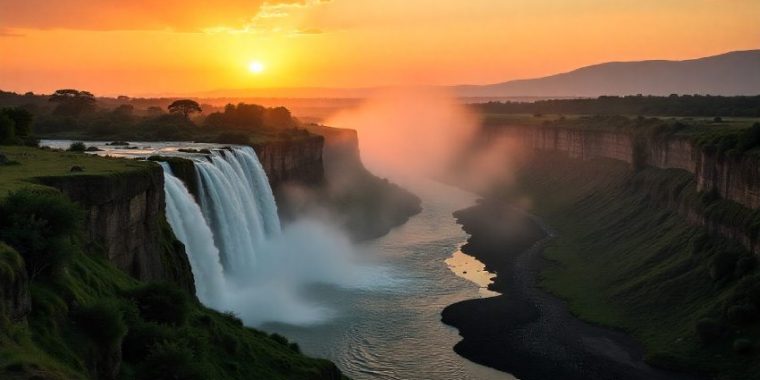
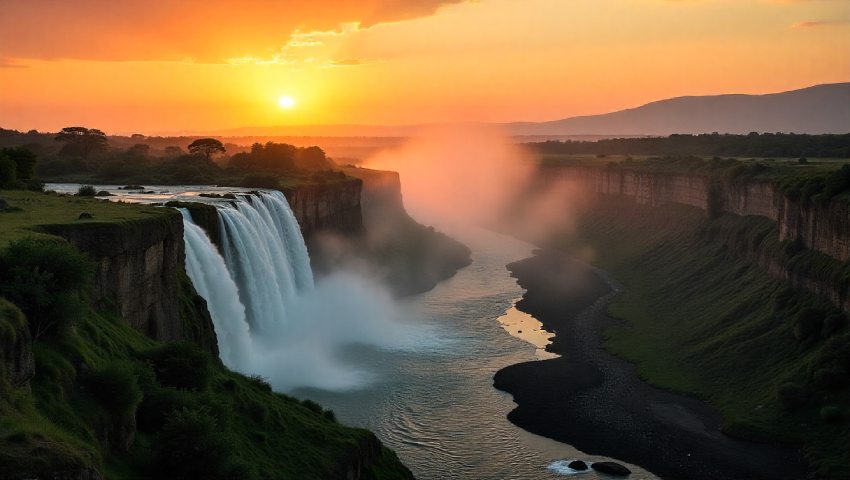
Victoria
Falls:
The
Natural
Wonder
The
journey
often
begins
at Victoria
Falls,
one
of
the
planet’s
most
dramatic
landscapes.
Visitors
can
walk
through
the
rainforest
trails,
enjoy
panoramic
viewpoints,
and
witness
the
Zambezi
River
plunging
into
deep
gorges.
Beyond
sightseeing,
travelers
can
take helicopter
flights, river
cruises,
and adventure
sports such
as
bungee
jumping
or
white-water
rafting.
Evenings
often
conclude
with
tranquil sunset
cruises and
vibrant
local
entertainment.
Hwange
National
Park:
The
Safari
Capital
From
Victoria
Falls,
travelers
typically
move
toward Hwange
National
Park,
the
country’s
largest
reserve
and
home
to
vast
elephant
herds
and
predators.
The
park
offers morning
and
evening
game
drives, walking
safaris,
and
opportunities
for
close
wildlife
photography.
Well-developed
lodges
and
eco-camps
offer
guests
the
chance
to
experience
Africa’s
wilderness
with
both
comfort
and
authenticity.
Lake
Kariba:
Africa’s
Inland
Sea
A
shift
from
savanna
to
water
takes
travelers
to Lake
Kariba,
famous
for
its
houseboats,
fishing
excursions,
and
spectacular
sunsets.
Visitors
can
enjoy boat
safaris, birdwatching,
and local
village
tours while
surrounded
by
tranquil
scenery.
Kariba
serves
as
a
refreshing
midpoint
between
safari
adventures
and
relaxation,
offering
a
combination
of
leisure
and
wildlife.
Mana
Pools
National
Park:
Untamed
Beauty
Further
along
the
Zambezi
lies Mana
Pools
National
Park,
a UNESCO
World
Heritage
Site celebrated
for
its walking
and
canoe
safaris.
The
park’s
floodplains,
dotted
with
acacia
and
fig
trees,
attract
elephants,
hippos,
and
a
rich
variety
of
birds.
Mana
Pools
provides
a
raw,
immersive
wilderness
experience—one
of
Africa’s
most
intimate
encounters
with
nature.
Cultural
and
Highland
Escapes
Inland,
travelers
can
explore
the Great
Zimbabwe
Monument,
an
ancient
stone
city
that
tells
the
story
of
centuries-old
African
civilization.
To
the
east,
the Eastern
Highlands invite
visitors
to
misty
mountains,
waterfalls,
and
hiking
trails.
These
regions
add
cultural
depth
and
scenic
variety,
balancing
Zimbabwe’s
wildlife
adventures
with
history,
art,
and
natural
tranquility.
A
10-Day
Explorer’s
Itinerary
Day
1–2:
Victoria
Falls –
Arrival,
guided
waterfall
tour,
rainforest
walk,
and
Zambezi
River
cruise.
Day
3–5:
Hwange
National
Park –
Safari
drives,
wildlife
viewing,
and
conservation
experiences.
Day
6–8:
Lake
Kariba
&
Matusadona –
Boat
cruises,
fishing,
and
sunset
leisure.
Day
9–10:
Mana
Pools –
Walking
and
canoe
safaris
followed
by
return
to
Victoria
Falls
or
onward
travel.
For
travelers
with
more
time,
optional
extensions
to Harare, Bulawayo,
or
the Eastern
Highlands add
urban
culture
and
mountain
exploration
to
the
adventure.
Essential
Travel
Tips
-
Visa
&
Entry: Use
the eVisa platform
or
check visa-on-arrival eligibility.
Complete
the digital
arrival
form in
advance
for
faster
processing. -
Best
Season: The dry
season
(May–October) is
ideal
for
safaris;
the rainy
season
(November–April) showcases
lush
landscapes
and
peak Victoria
Falls flow. -
Health
&
Safety: Malaria
prevention
is
recommended
in
some
regions.
Follow
ranger
guidance
during
safaris
and
standard
safety
practices
in
cities. -
Transport: Use light
aircraft or 4×4
transfers between
parks;
plan
extra
time
for
scenic
road
routes. -
Accommodation: Choose
from luxury
lodges, eco-camps,
and boutique
hotels—many
offering
all-inclusive
packages. -
Sustainability: Support community
tourism,
respect
local
culture,
and
minimize
environmental
impact
through
responsible
travel.
Why
Zimbabwe
Captures
2025
Zimbabwe’s
transformation is
anchored
in
real
progress—modern
entry
systems,
well-managed
parks,
and
a
commitment
to
sustainable
development.
Its
ability
to
combine ancient
heritage, untamed
nature,
and traveler
convenience makes
it
stand
out
in
Africa’s
tourism
renaissance.
Visitors
today
experience
a
seamless
blend
of
authenticity
and
comfort:
from
digital
border
entry
to
untouched
wilderness,
from
historic
ruins
to
modern
eco-lodges.
Zimbabwe
represents
a
living
journey—where
every
moment
connects
travelers
with
the
land,
the
people,
and
the
stories
that
endure.
Post
published
in:
Featured