
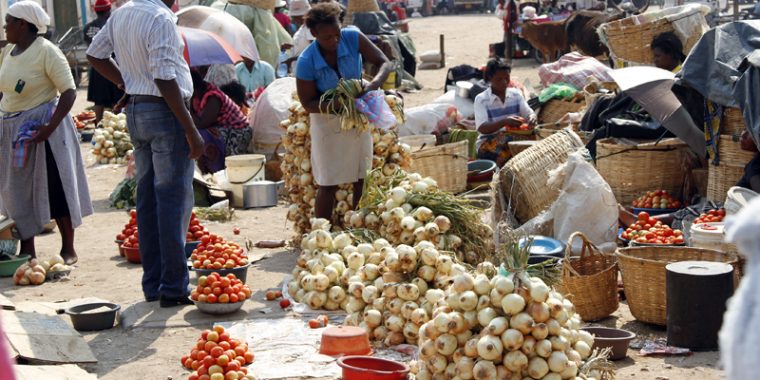

On
this
day,
civil
society
in
Zimbabwe
issued
statements
calling
for
the
restoration
of
the
worker’s
dignity,
recognition
of
the
burden
of
unpaid
care
and
domestic
work
as
well
as
urging
government
to
listen
to
citizens’
cries.
Also,
demands
were
made
for
government
to
“stop
the
sabotage
of
local
governance.”
The
Harare
Residents
Trust
(HRT)
said
the
day
is
a
profound
reflection
on
the
systemic
crises
that
have
reduced
the
dignity
of
the
Zimbabwean
worker
to
a
daily
struggle.
“Citizens
are
crushed
under
the
weight
of
hyper-inflated
costs
of
transport,
food,
electricity,
education
and
healthcare
costs
that
bear
no
relation
to
the
meagre
earnings
of
the
few
who
remain
employed.
“The
formal
economy
is
a
memory
for
many
as
thousands
have
been
forced
into
informal
trading
on
the
streets
of
Harare,”
part
of
HRT
statement
read.
It
said
those
in
the
informal
economy
lacked
support
and
were
being
criminalised,
harassed
and
forced
into
constant
conflict
with
the
municipal
police
and
Zimbabwe
Republic
Police
(ZRP).
On
the
other
hand,
the
Vendors
Initiative
for
Social
and
Economic
Transformation
(VISET)
reaffirmed
its
commitment
to
advocating
for
an
inclusive
economy
that
values
every
worker,
protects
livelihoods,
and
recognised
care
work
as
an
essential
pillar
of
national
development.
“We
are
particularly
encouraged
by
the
remarks
made
by
the
Public
Service
deputy
minister
Mercy
Dinha
during
the
VISET
National
Care
Work
Symposium
where
she
committed
to
advancing
initiatives
aimed
at
recognising,
reducing
and
rewarding
unpaid
care
work.
“Formalisation
Strategy
has
the
potential
to
become
a
transformative
policy
instrument
capable
of
restoring
dignity,
recognition,
protection
and
economic
justice
to
millions
of
informal
workers
who
have
been
for
too
long,
marginalised
and
criminalised,”
VISET
stated.
Opposition
political
party,
Labour
Economists
and
African
Democrats
(LEAD)
leader
Linda
Tsungirirai
Masarira
condemned
the
erosion
of
labour
rights,
citing
violations
of
the
Labour
Act
(Chapter
29:01),
Section
65
of
the
Constition.
“Workers
are
not
beggars.
Workers
are
nation
builders.
Workers
are
the
economy,”
Masarira
said.
The
LEAD
president
said
it
was
disturbing
to
note
that
some
Zimbabwean
workers
were
underpaid,
overworked,
and
systematically
neglected.
Speaking
on
informal
workers,
Masarira
highlighted,
“Informal
workers
remain
excluded
from
protection
and
recognition.
This
is
not
governance
but
exploitation.”
In
his
message
on
the
Workers’
Day,
President
Emmerson
Mnangagwa
said,
“the
day
reminds
us
that
labour
is
the
foundation
of
our
socio-economic
development.
Post
published
in:
Business