

This
administration
has
hit
pretty
hard
against
schools
found
lacking
in
their
fight
against
antisemitism.
Threats
about
losing
accreditation,
snatching
away
billions
in
ear
marked
federal
funding…
dire
consequences
all
around.
Given
the
climate,
universities
—
especially
public
ones
—
are
and
should
be
on
high
alert
to
punish
and
distance
themselves
from
actual
instances
of
antisemitism.
Being
associated
with
a
student
who
boldly
declared
that
“Jews
must
be
abolished
by
any
means”
definitely
wasn’t
a
good
look
for
University
of
Florida.
This
student
also
gained
infamy
for
writing
a
White
supremacist
constitutional
law
paper
that
advocated
for,
among
other
things,
shoot
to
kill
orders
at
the
border.
Once
word
of
his
digital
footprint
got
out,
the
university
expelled
Preston
Damsky
from
the
school.
The
expulsion
prompted
Damsky
to
sue
the
school
for
violating
his
right
to
free
speech.
The
Gainsville
Sun
has
coverage:
A
federal
judge
heard
arguments
Oct.
29
in
the
case
of
a
University
of
Florida
law
student
expelled
for
antisemitic
tweets.
…
[Damsky’s
lawyer]
said
Damsky’s
statements
were
not
literal
or
targeted.
“It
was
basically
trolling,”
he
said.
Damsky
tweeted
that
Jews
should
be
abolished
to
around
25
followers.
It
wasn’t
until
a
UF
law
professor
responded,
asking
if
Damsky
would
murder
her
and
her
family,
that
the
tweet
raised
broad
concerns
among
UF
law
students
and
faculty.
“Your
Honor,
my
client
would
have
been
fine
if
one
of
his
teachers
just
kept
her
mouth
shut.”
Nice
way
to
deflect
the
blame
on
to
a
professor
asking
questions
about
safety!
The
tension
between
“limiting
free
speech
off
campus”
and
the
duty
to
protect
students
and
faculty
from
threats
is
palpable.
It
would
be
an
easier
question
if
Damsky
ended
his
tweet
with
“and
I
will
do
my
part,”
but
the
tweet’s
lack
of
immediacy
makes
it
harder
to
read
as
a
time-sensitive
“true
threat.”
That
said,
the
tone
and
context
can
still
reasonably
be
received
as
threatening
or
at
least
the
intentional
creation
of
a
hostile
environment.
Legal
scholars
have
taken
a
turn
at
navigating
the
conflict
between
protecting
speech
and
protecting
victims
of
discriminatory
acts.
Can
institutions
even
fulfill
their
legal
obligations
to
students
without
punishing
other
students
in
ways
that
suppress
political
speech?
Academic
questions
aside,
one
thing
to
know
about
trolling
is
that
the
trolls
are
going
to
keep
pushing
the
limit
as
far
as
they
can.
The
point
is
to
use
their
freedom
to
make
others
feel
threatened
or
excluded,
and
they’ve
gotten
very
good
at
it
over
the
history
of
the
country.
So
whatever
the
law
concludes,
if
Damsky
wins
this
case,
expect
that
he
and
others
will
take
it
and
be
emboldened
to
go
out
and
make
similar
tweets
in
the
future.
And
maybe
even
test
out
being
a
little
more
aggressive
in
tone.
Judge
Hears
UF
Case
On
Law
Student’s
Antisemitic
Tweets
[Gainsville
Sun]
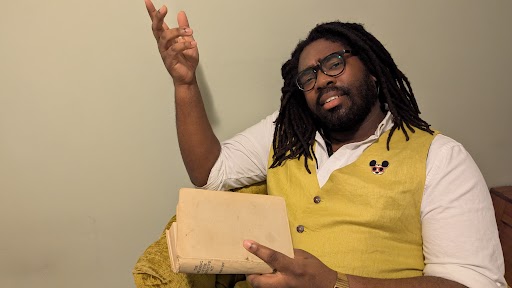
Chris
Williams
became
a
social
media
manager
and
assistant
editor
for
Above
the
Law
in
June
2021.
Prior
to
joining
the
staff,
he
moonlighted
as
a
minor
Memelord™
in
the
Facebook
group Law
School
Memes
for
Edgy
T14s
.
He
endured
Missouri
long
enough
to
graduate
from
Washington
University
in
St.
Louis
School
of
Law.
He
is
a
former
boatbuilder
who
is
learning
to
swim, is
interested
in
critical
race
theory,
philosophy,
and
humor,
and
has
a
love
for
cycling
that
occasionally
annoys
his
peers.
You
can
reach
him
by
email
at [email protected]
and
by
tweet
at @WritesForRent.