

A
new
case
usually
involves
a
flood
of
hundreds
or
thousands
of
documents
waiting
to
be
pored
over
and
deciphered.
The
deadline
to
understand
it
all
is
often
yesterday.
For
years,
Opus
2’s
litigation
management
software
has
made
that
process
more
sane,
but
the
company
recently
took
a
more
ambitious
step.
With
last
year’s
acquisition
of
Uncover,
a
Dutch
legal
tech
startup,
Opus
2
has
advanced
its
AI
to
make
the
platform
more
powerful
and
easier
to
use
than
ever.
“Everything
that
Opus
2
has
been
known
for
in
the
litigation
space,
that’s
still
here
as
a
core
part
of
the
platform,”
said
Dana
Morrison,
Product
Marketing
Manager.
“What
we’re
doing
now
is
adding
a
more
streamlined
UI
option,
and
additional
AI
functionality.”
Opus
2
recently
gave
us
a
tour.
Here
are
the
highlights.
Getting
Started
Opus
2
has
been
known
for
15
years
as
an
industry-leading
case
management
and
case
preparation
solution
where
dispute
teams
organize
documents,
transcripts,
issues,
chronologies
and
key
actors
into
a
structured
case
strategy.
It’s
still
comprehensive
and
configurable,
which
is
why
it
has
long
occupied
the
space
between
eDiscovery
and
trial
presentation,
giving
firms
a
centralized
environment—or
“situation
room”—
for
preparing
complex
matters.
That
foundation
remains
unchanged,
and
the
same
interface
of
the
previous
version
of
the
software
is
available
in
the
Detailed
View
section.
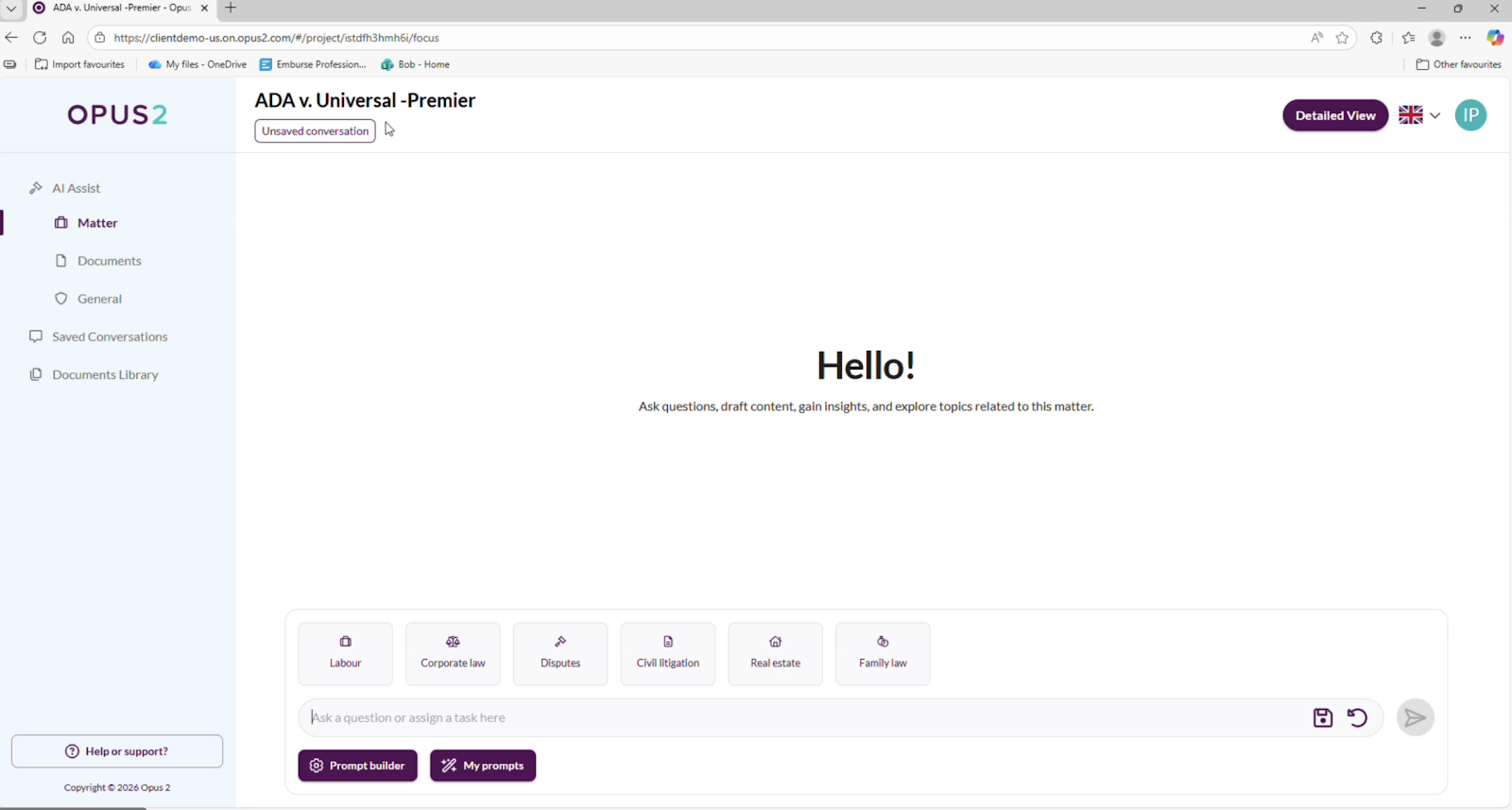
What’s
new
is
the
Focused
View,
which
applies
large-language
model
AI
to
access
the
same
information
in
a
simplified,
chatbot-like
environment.
“As
a
startup,
we
were
able
to
really
differentiate
ourselves,”
said
Ingrid
Van
de
Pol-Mensing,
who
co-founded
Uncover
and
is
now
Opus
2’s
Principal
AI
Solutions
Evangelist.
“Now
together
we
both
had
this
shared
goal
of
bringing
AI-driven
functionality
into
the
hands
of
more
lawyers.”
Users
can
toggle
between
Detailed
View
and
Focused
View
with
one
click.
But
the
intention
with
the
update
was
to
create
an
intuitive
design
that
puts
verifiable
AI
first,
streamlining
how
lawyers
interact
with
their
case
materials.
Lawyers
can
now
query
their
case
files
in
a
conversational
way
to
facilitate
analysis,
without
an
overload
of
information
clouding
their
view.
“We
do
not
want
to
distract
or
bother
people
with
information
that
isn’t
strictly
necessary
for
the
job
that
they
need
to
perform,”
Van
de
Pol-Mensing
said.
Using
Matter
Assist
to
Understand
a
Case
in
Minutes
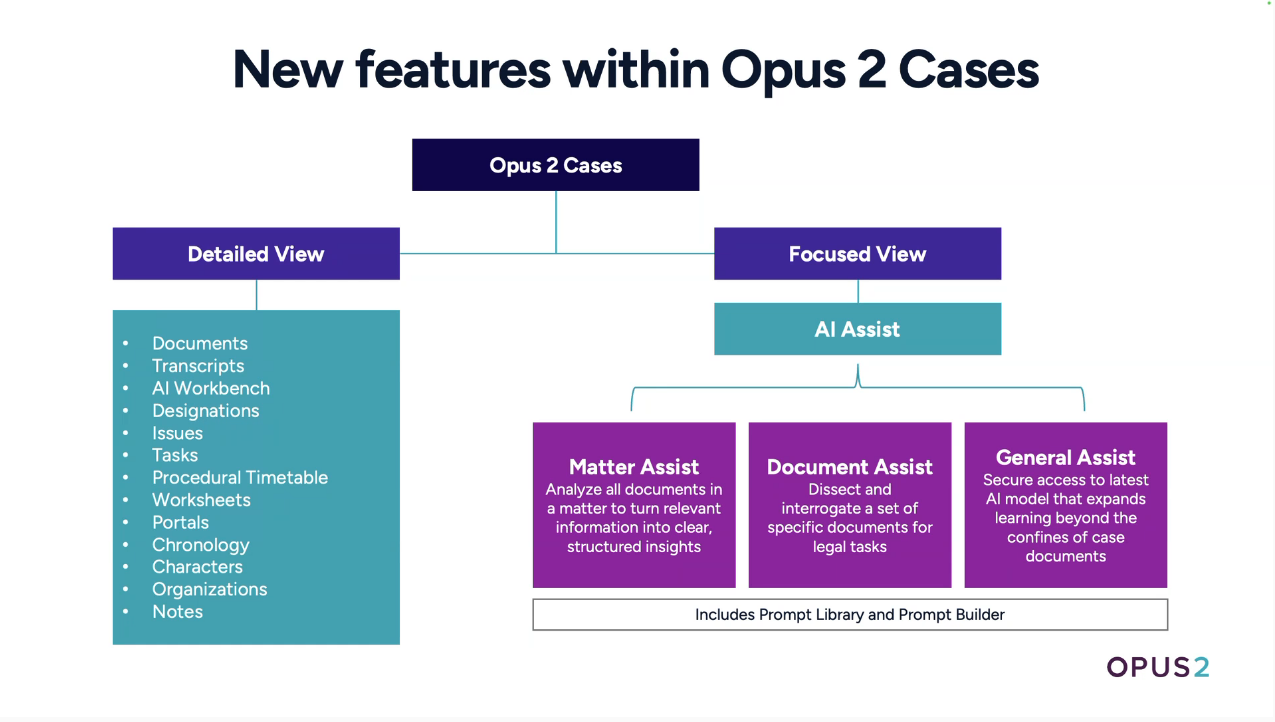
Opus
2
highlighted
three
new
AI
tools.
Matter
Assist
allows
lawyers
to
get
answers
sourced
from
all
documents
across
a
case.
Document
Assist
enables
specific
queries
on
one
document
or
set
of
documents.
General
Assist
is
an
enterprise
LLM
for
handling
research,
drafting,
and
analysis
not
tied
to
case
documents.
All
of
these
tools
include
access
to
a
prompt
library
and
prompt
builder.
With
Matter
Assist,
the
platform
analyzes
all
documents
within
the
matter
and
generates
structured
summaries,
thematic
insights
and
targeted
answers.
Van
de
Pol-Mensing
offered
the
example
of
a
new
associate
who
needs
to
get
up
to
speed
fast.
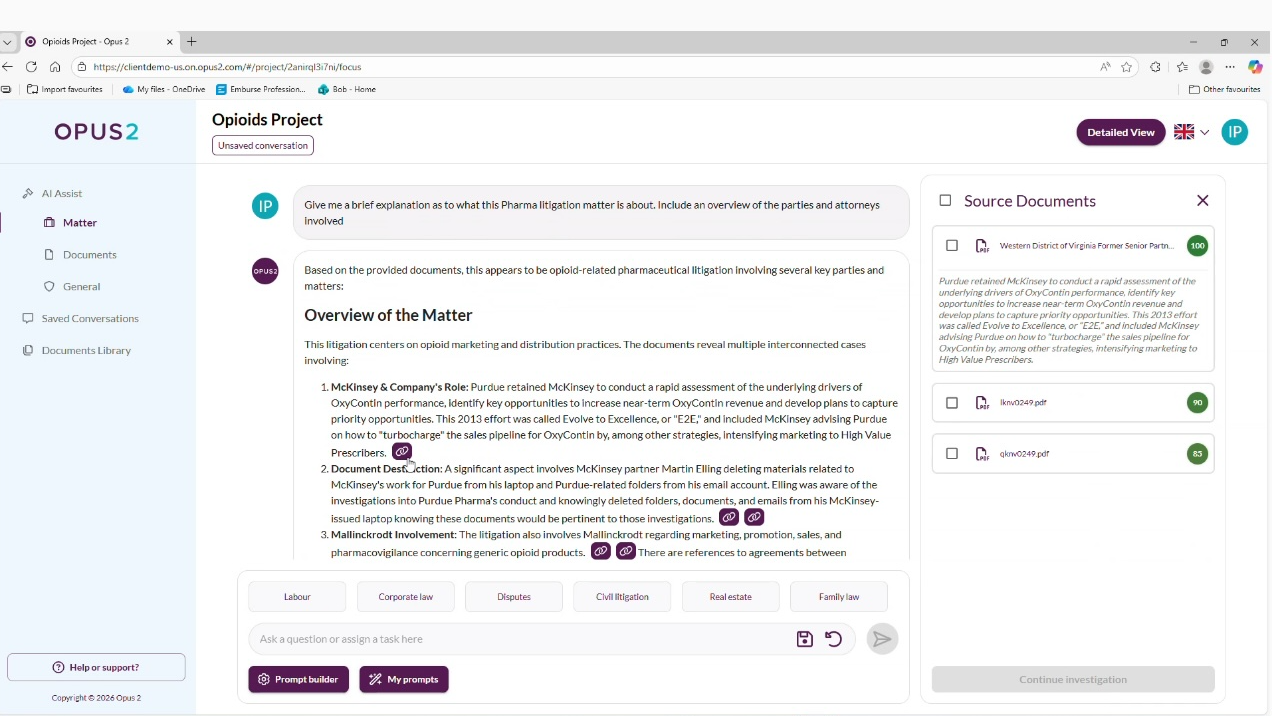
“Without
having
read
anything
or
opened
a
document,
you
can
ask,
‘Explain
to
me
what
this
litigation
is
about,
including
an
overview
of
the
parties
and
attorneys
involved.’”
The
system
extracts
relevant
text
and
synthesizes
a
detailed
response,
linking
directly
to
the
location
in
source
documents
that
support
it.
Lawyers
don’t
even
need
to
know
what
documents
they
need
to
search,
she
said.
The
AI
does
already.
Document
Assist
Dives
Deep
Into
Specific
Materials
If
Matter
Assist
provides
the
macro
view,
Document
Assist
handles
the
micro.
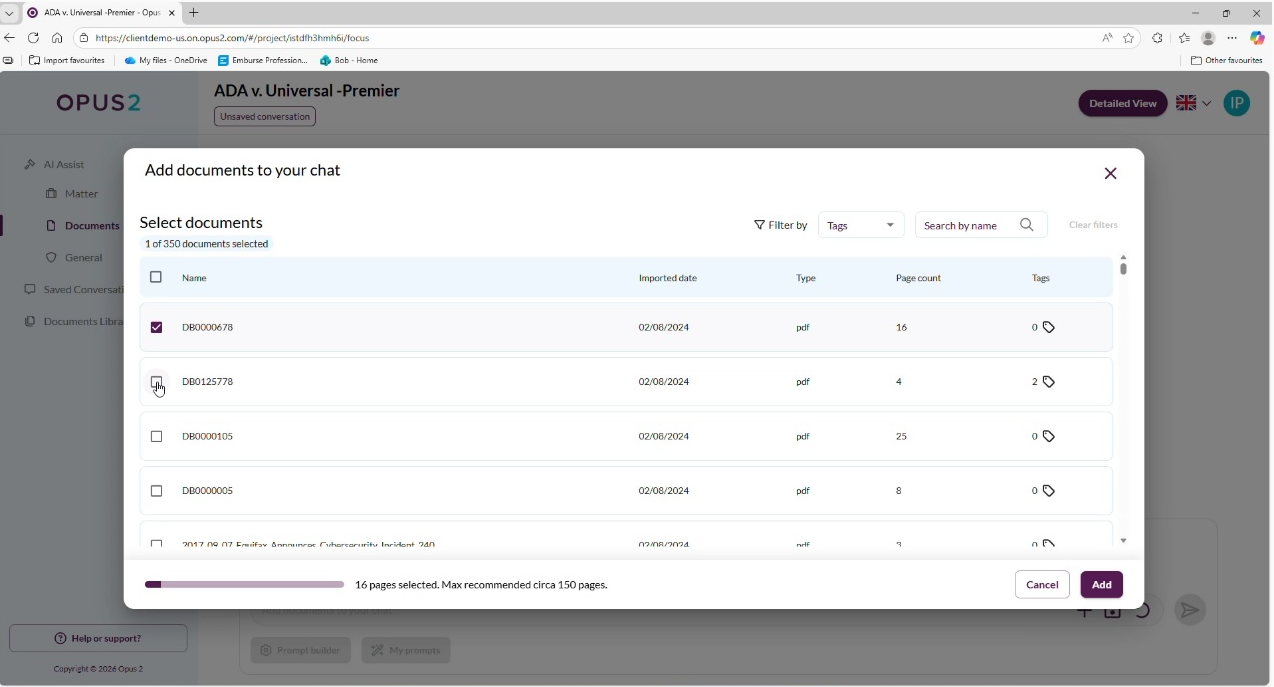
Document
Assist
allows
users
to
run
focused
queries
against
one
or
more
documents.
Lawyers
can
compare
clauses
across
contracts,
identify
inconsistencies
in
testimony,
summarize
complex
arguments,
or
extract
key
facts.
Rather
than
toggling
between
multiple
documents
and
manually
noting
differences,
lawyers
can
ask
questions
in
plain
language.
“For
example,
you
upload
20
employment
agreements
and
say,
‘Which
one
has
a
deviating,
non-compete
clause?’”
Van
de
Pol-Mensing
said.
“Or
you
upload
a
couple
versions
of
testimonies
and
say,
‘What
are
the
inconsistencies?’”
General
Assist
Expands
the
AI
Toolkit
The
third
major
addition,
General
Assist,
is
a
secure
workspace
embedded
within
the
platform
that
goes
beyond
any
particular
case.
It
can
help
draft
emails,
write
internal
memos,
prepare
client
updates,
simplify
research
into
new
industries
and
clarify
procedural
rules.
“It’s
a
really
great
tool
to
focus
on
specific
information
and
to
then
perform
follow-up
actions,”
Van
de
Pol-Mensing
said.
The
advantage
over
doing
the
same
thing
in
Gemini
or
ChatGPT
is
that
here,
it’s
a
closed
system
that
never
compromises
confidential
case
information.
Lawyers
can
generate
summaries
in
Matter
Assist
or
Document
Assist,
then
move
to
General
Assist
to
use
the
output
to
draft
an
email,
outline
arguments
or
prepare
talking
points
without
exposing
it
to
public
AI
tools.
A
Helpful
Prompt
Library
That
Will
Continue
Growing
The
new
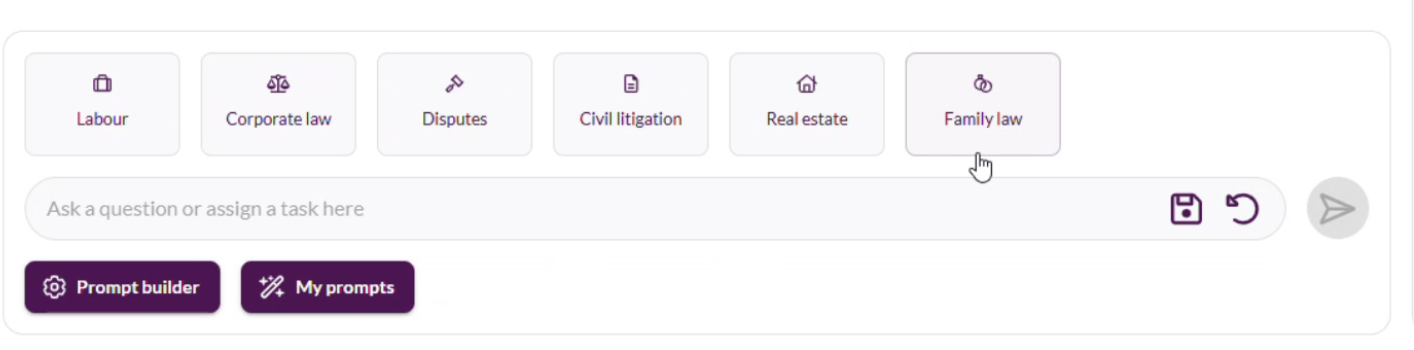
prompt
library
offers
pre-built
prompts
tailored
to
specific
practice
areas,
sparing
lawyers
from
having
to
engineer
effective
instructions
from
scratch.
The
prompts
users
will
see
are
quite
short,
but
they
are
much
more
complex
on
the
back
end
to
make
sure
they
will
get
an
answer
that
makes
sense,
Van
de
Pol-Mensing
said.
“So
the
whole
exercise
of
developing
an
effective
prompt,
we
try
to
take
that
burden
away
from
the
lawyer
to
make
it
quicker
and
easier,”
she
said.
The
library
will
also
continuously
evolve
as
more
users
engage
with
the
prompts.
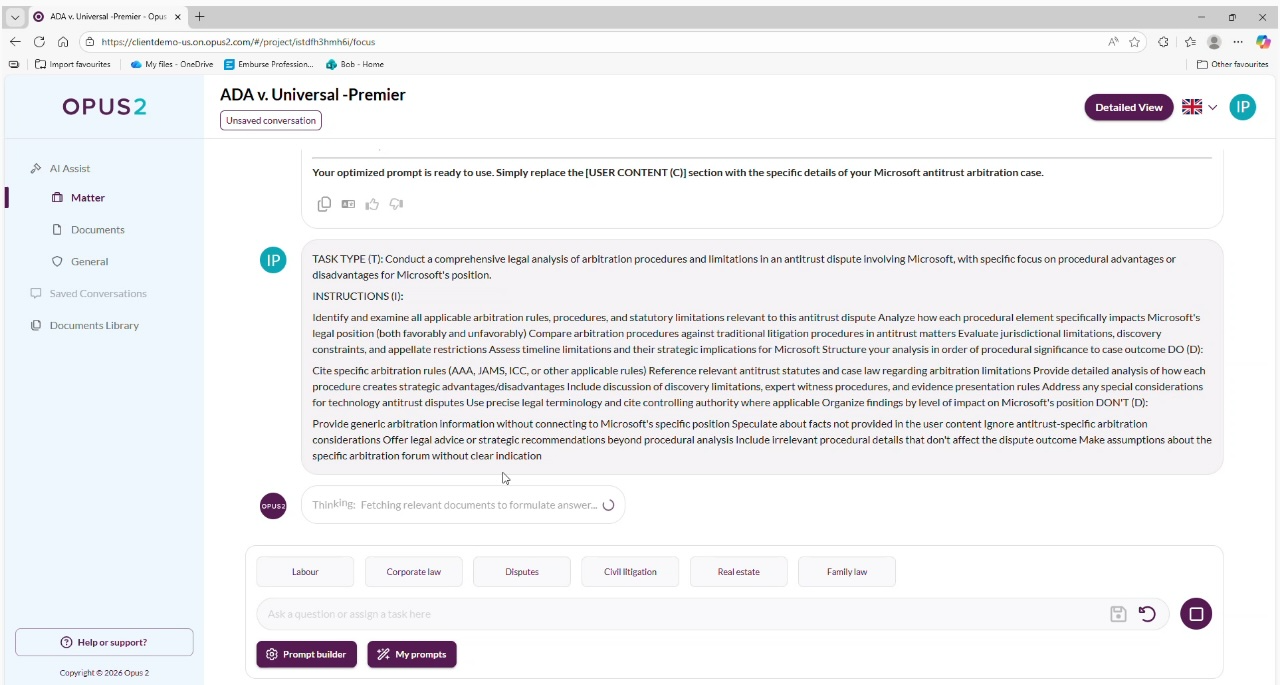
For
those
who
want
more
control,
the
prompt
builder
helps
structure
prompts
for
more
consistent
and
comprehensive
outputs.
“That
prompt
builder
is
a
pretty
big
deal
for
attorneys,”
Morrison
said.
“One
of
the
big
challenges
with
generative
AI
is
figuring
out
how
to
ask
a
question
in
a
way
that
gets
the
information
you
want,
in
the
format
you
want,
and
laid
out
in
a
way
that
makes
sense.”
Security—and
More
to
Come
in
the
Future
For
litigators,
AI
is
only
as
useful
as
it
is
verifiable.
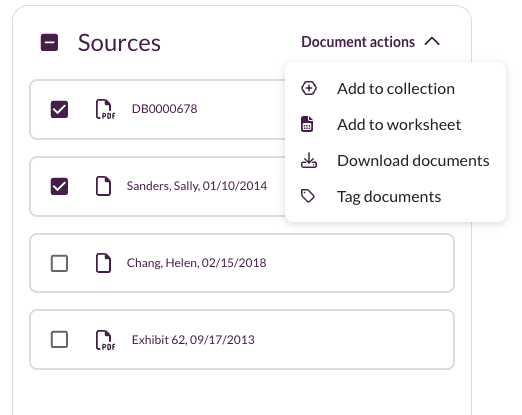
Outputs
generated
through
Matter
Assist
and
Document
Assist
are
tied
back
to
specific
source
documents,
so
lawyers
never
take
it
on
faith
in
the
AI’s
work.
They
can
easily
examine
the
underlying
evidence.
Morrison
acknowledged
that
one
of
the
biggest
hurdles
to
AI
adoption
in
law
is
trust.
Lawyers
often
worry
that
sensitive
client
data
is
being
shared
externally
or
used
to
train
outside
models.
She
emphasized
that
Opus
2
has
made
security
and
compliance
a
central
priority
throughout
its
15
years
in
the
legal
space.
“Because
the
AI
operates
entirely
within
the
Opus
2
platform,
attorneys
can
use
it
without
needing
to
anonymize
data,”
she
said.
“They
can
be
very
confident.”
The
acquisition
of
Uncover
also
bodes
well
for
the
future
of
Opus
2.
Besides
back-end
updates
that
increase
the
software’s
speed
and
power,
the
latest
release
features
only
a
portion
of
the
new
system’s
capability.
That
means
faster,
more
frequent
updates
in
the
future,
Morrison
said.
“It’s
only
step
one
of
many
to
continue
integrating
those
new
AI
features
and
growing
our
roadmap
to
accelerate
that
innovation,”
she
said.