
By
Leopold
Munhende
The
foreign
miners
are
being
shielded
by
heavyweights
in
Mashonaland
Central,
who
are
wantonly
disregarding
the
government’s
2020
ban
on
mining
activities
in
all
national
parks.
Located
near
the
towns
of
Guruve
and
Centenary,
Mavuradonha
covers
600
square
kilometres
of
the
eastern
part
of
the
Zambezi
escarpment.
It
was
declared
a
monument
by
the
government
in
2017
because
of
its
historical
and
cultural
importance.
Mavuradonha
is
also
renowned
for
its
rich
biodiversity
comprising
229
bird
species,
including
several
large
eagles,
and
41
species
of
large
and
medium
sized
mammals.
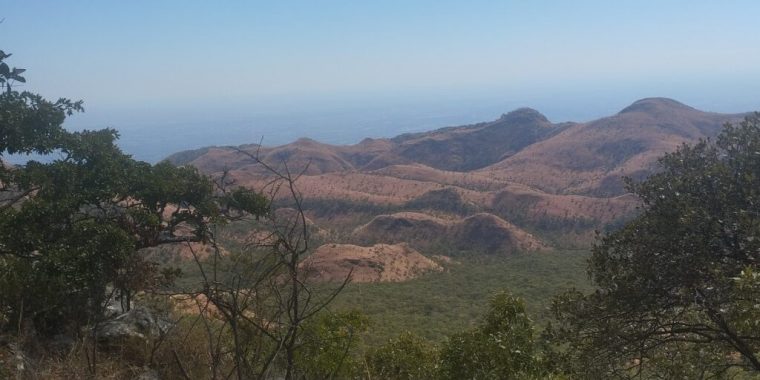
undisturbed
part
of
the
Mavuradonha
Wilderness
showing
a
glimpse
of
the
natural
wonder
In
1988
it
was
declared
a
protected
area
by
the
government
through
the
Muzarabani
Rural
District
Council
(RDC)
in
recognition
of
its
scenic
beauty
and
conservation
value.
The
nature
reserve
was
one
of
the
success
stories
of
the
Communal
Areas
Management
Programme
for
Indigenous
Resources
(CAMPFIRE),
whose
objective
was
to
ensure
that
local
communities
derived
direct
benefits
from
natural
resources
in
their
areas.
Mavuradonha
also
boasts
of
numerous
historical
and
cultural
sites,
including
San
rock
art
and
Mutota’s
Kraal
ruins,
which
makes
it
a
potential
tourism
magnet
for
Zimbabwe.
Over
the
years,
however,
encroaching
mining
activities
have
been
destroying
the
pristine
environment
and
investigations
by
CITE
exposed
how
some
Chinese
companies
are
being
allowed
to
plunder
Mavuradonha
with
impunity
with
the
aid
of
officials
from
institutions
that
should
be
protecting
the
reserve.
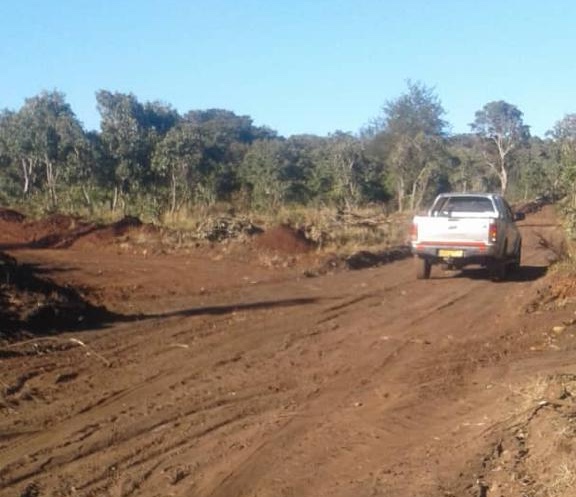
Chinese
miners
have
opened
roads
deep
inside
the
nature
reserve,
disturbing
the
wildlife
and
causing
serious
damage
to
the
environment
The
groundwork
for
the
destruction
of
the
reserve
was
laid
on
July
7,
2015
when
the
Muzarabani
RDC
signed
a
memorandum
of
understanding
(MOU)
with
Afrochine
Smelting,
a
subsidiary
of
China’s
second-biggest
stainless
steel
products
manufacturer,
the
Tsingshan
Group,
to
explore
for
chrome.
This
was
despite
the
fact
that
the
authorities
had
embarked
on
a
process
to
push
for
Mavuradonha
to
be
declared
a
World
Heritage
Site.
It
was
also
a
few
years
after
the
Muzarabani
RDC
signed
an
agreement
with
a
private
company
to
spruce
up
the
wilderness.
A
2012
agreement
with
Nzou
Safaris
was
meant
to
facilitate
the
restoration
of
the
nature
reserve
to
its
past
glory
to
attract
tourists
and
help
the
local
community
benefit
from
rich
natural
resources
in
their
area.
Floodgates
for
the
Chinese
The
MOU
with
Afrochine
appears
to
have
opened
the
floodgates
for
other
Chinese-owned
companies
to
invade
the
reserve
as
two
others,
namely
Labenmon
Investments
and
Alaska,
had
joined
the
scramble
for
chrome
at
Mavuradonha
by
2019.
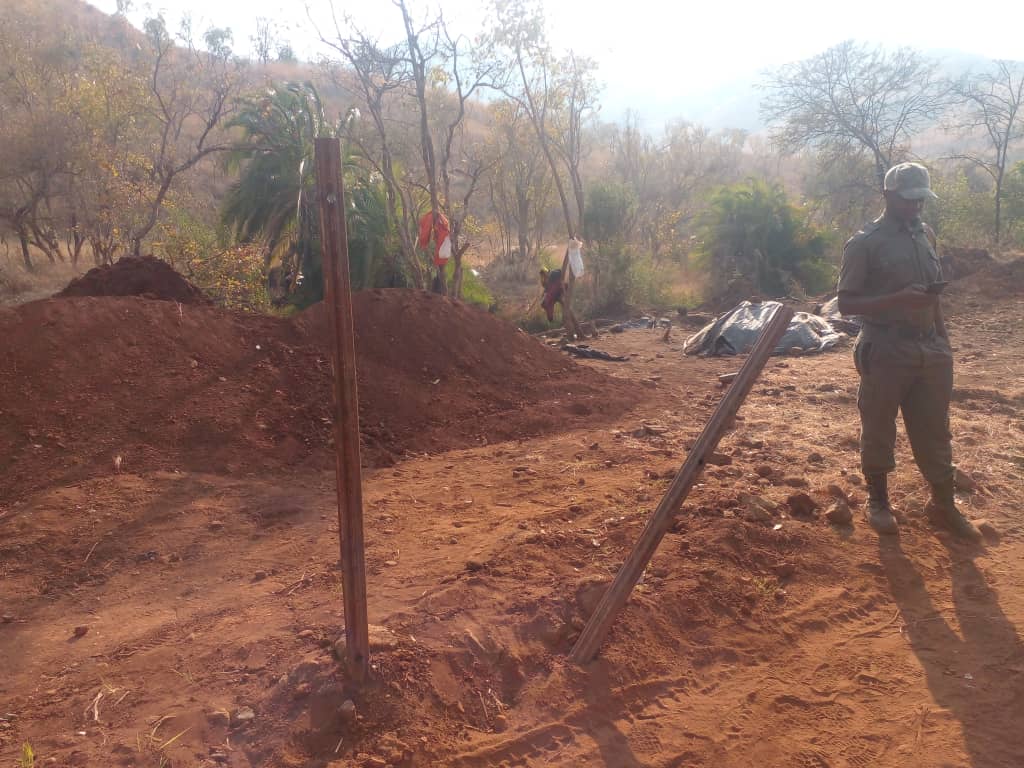
game
ranger
at
the
Mavhuradonha
Wilderness
is
seen
standing
in
one
of
the
areas
where
mining
operations
have
led
to
serious
land
degradation
Documents
obtained
during
investigations
showed
that
National
Monuments
and
Museums
of
Zimbabwe
(NMMZ)
regional
director
Godhi
Bvocho
promised
to
facilitate
Afrochine’s
entry
into
the
reserve
through
a
2017
letter.
The
NMMZ
is
a
parastatal
charged
with
the
preservation
of
ancient,
historical
and
natural
monuments,
relics
and
other
objects
of
historical
or
scientific
value
or
interest,
including
nature
reserves
such
as
Mavuradonha.
Bvocha
promised
to
link
Afrochine
with
the
Muzarabani
RDC,
the
community
and
traditional
leaders
as
well
as
Nzou
Safaris,
which
was
running
a
concession
at
the
reserve
at
the
time.
“Access
to
Mukura
100
Mine
(Reg
40712
BM)
is
hereby
granted,”
reads
part
of
the
letter
by
the
NMMZ
regional
boss
to
Afrochine,
which
is
in
our
possession.
“The
NMMZ
will
in
the
shortest
possible
time
convene
a
stakeholder
meeting
to
familiarise
with
your
operational
procedures
and
requirements
for
a
smooth
sailing
(sic)
of
activities.”
Bvocho
made
the
undertaking
despite
the
fact
that
the
Muzarabani
RDC
had
an
agreement
with
Mavuradonha
that
prohibited
mining
activities
inside
the
reserve,
including
prospecting
for
minerals.
He
even
proposed
to
give
the
Chinese
a
free
reign
to
carry
out
open
cast
mining
at
the
site,
the
documents
showed.
Afrochine
immediately
descended
on
Mavuradonha,
broke
down
locked
gates
and
opened
gravel
roads
to
access
its
mine,
leading
to
the
destruction
of
natural
habitat.
Afrochine
ignored
cancellation
of
MOU
This
alarmed
the
Muzarabani
RDC,
which
was
forced
to
cancel
the
controversial
MOU
with
the
Chinese
firm,
but
this
did
not
stop
Allen
Mashumba,
who
was
fronting
Afrochine
from
leading
the
foray
into
the
wilderness.
Mashumba
took
advantage
of
a
raging
border
dispute
between
the
Muzarabani
and
Guruve
RDCs
to
get
the
nod
to
continue
mining
through
the
latter’s
then
chief
executive
Tinos
Marisa.
Marisa
was
fired
by
the
Guruve
RDC
last
year
for
abuse
of
office
arising
from
a
matter
that
was
not
related
to
the
illegal
mining
activities
at
the
nature
reserve.
It
also
emerged
during
investigations
that
on
March
22,
2021,
Marisa
with
the
help
of
an
Environmental
Management
Agency
(EMA)
senior
official
Nicholas
Jombe
facilitated
the
granting
of
an
environmental
impact
assessment
(EIA)
certificate
for
Labenmon
to
mine
chrome
inside
the
reserve.
Jombe
is
EMA’s
EIA
and
ecosystems
protection
officer.
Labenmon’s
licence
was
granted
under
the
guise
that
it
was
for
a
Guruve
nickel
mine.
The
two
facilitated
the
issuing
of
the
certificate
despite
being
aware
that
Mavhuradonha
had
been
ascertained
to
be
under
the
jurisdiction
of
the
Muzarabani
RDC,
and
not
Guruve
through
a
government
process.
On
May
5,
2021
Marisa
wrote
to
Mavuradonha
to
exert
pressure
on
the
reserve
to
allow
Labenmon
to
start
mining
operations
following
indications
that
there
was
resistance
from
the
authorities
at
the
wilderness.
“A
complaint
has
been
raised
by
Labenmon
Investments
that
your
organisation
is
barring
access
to
its
mining
claims
by
way
of
locking
your
entrance
gates,”
the
letter
read.
“To
avoid
loss
of
time
and
financial
resources
to
both
parties
through
impending
litigation
against
you,
it
is
prudent
that
you
immediately
provide
them
with
their
lawful
access
to
resume
operations.”
Vandalising
infrastructure
CITE
obtained
four
copies
of
EIA
certificates
signed
by
Jombe
that
cleared
the
Chinese
to
start
mining
chrome
in
different
sites
inside
Mavhuradona,
which
are
wrongly
identified
as
under
the
jurisdiction
of
the
Guruve
RDC.
The
two
companies
tore
down
part
of
the
state-of-the-art
fence
that
was
erected
to
help
keep
animals
in
the
wilderness
safe
and
reduce
human
and
wildlife
conflicts.
They
changed
keys
at
the
main
gate
and
disrupted
business
that
had
attracted
interest
from
the
internationally
recognised
Global
Environment
Facility
(GEF)
worth
US$12
million.
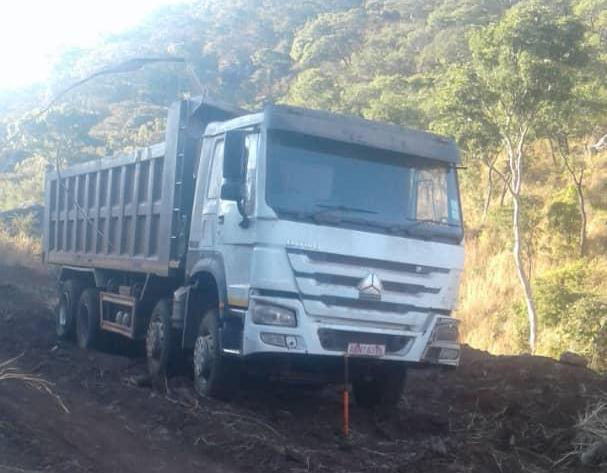
truck
belonging
to
one
of
the
Chinese
miners
at
the
Mavuradonha
Wilderness
seen
navigating
the
rugged
terrain.
Opencast
mining
being
done
by
Labenmon
and
Afrochine
has
left
gaping
holes
such
as
those
found
on
the
southern
parts
of
the
wilderness,
which
have
seen
wild
animals
falling
into
their
deaths
in
numbers.
Mining
activities
continued
despite
a
July
5,
2021
High
Court
order
that
barred
Afrochine
Smelting
and
Labenmon
Investments
“from
entering
the
gate
that
leads
to
Varden
Safaris’
game
breeding
and
botanical
reserves
without
Varden
Safari’s
prior
consent.”
The
court
order
came
at
a
time
Mavuradonha
Wilderness
was
awaiting
conclusion
of
processes
by
the
United
Nations
Education,
Scientific
and
Cultural
Organisation
(UNESCO)
to
review
its
application
for
a
World
Heritage
Site
status.
As
recently
as
September
4,
2024,
the
NMMZ’s
Bvocho
wrote
to
the
authorities
at
Mavhuradonha
Wilderness
asking
them
to
give
access
to
officials
from
another
Chinese
miner
Jin
An
Chrome
to
reach
a
mining
site
inside
the
reserve.
The
Chinese
nationals
were
identified
as
Kai
Wang,
Zhiyi
Guan
and
Chong
nan
Qia
and
the
purpose
of
their
visit
was
to
explore
for
mining
opportunities,
documents
in
our
possession
show.
Investigations
showed
that
the
scramble
for
chrome
inside
the
game
reserve,
which
is
being
facilitated
by
compromised
government
officials,
is
frustrating
efforts
by
the
Muzarabani
RDC
to
restore
Mavuradonha.
After
the
Nzou
Safraris
arrangement,
the
local
authority
also
reached
another
deal
with
Varden
Safaris
that
envisaged
improved
protection
of
the
reserve’s
flora
and
fauna,
developing
tourist
attractions
and
drawing
in
more
visitors.
According
to
the
agreement,
human
activities
that
included
mining
were
supposed
to
be
outlawed
as
the
council
agreed
to
“maintain
Mavhuradonha
Wilderness
area
free
from
human
settlement
and
construction
of
any
type.”
Murazabani
CEO
Ennie
Mutema
and
Andrew
Henderson
of
Varden
Safaris
appended
their
signatures
to
the
agreement
that
is
in
our
possession.
“The
council
also
agrees
to
maintain
the
area
free
from
miners,
mineral
panners
or
prospectors
for
the
duration
of
the
period
and
to
abide
by
all
EMA
and
Minerals
Act
laws,”
the
agreement
said
in
part.
NMMZ
boss
ignored
protests
Varden
Safaris’
Henderson
said
Bvocho
ignored
their
protests
that
allowing
mining
activities
in
the
reserve
would
harm
its
recently
acquired
national
monument
status.
“As
soon
as
we
achieved
national
monument
status,
Bvocho
wrote
a
letter
granting
Afrochine
access
into
Mavuradonha
and
it
is
that
letter
we
believe
has
emboldened
them
to
continue
breaking
our
locks,
gaining
illegal
entry
as
well
as
other
miners
as
they
have
realised
that
they
have
an
ally
in
the
NMMZ,”
he
said.
“Bvocho
chose
to
ignore
our
protests
and
continues
to
back
the
miners,”
said
Varden
Safaris’
Henderson.
“Already,
he
had
allowed
San
He
Mining,
another
Chinese
firm
to
invade
and
mine.”
The
decisions
were
made
against
recommendations
from
Muzarabani
RDC’s
executive
officer
natural
resources
Elmon
Kaombe.
Bvocho
also
ignored
a
Muzarabani
RDC
resolution
to
bar
prospecting
and
mining
in
the
Mavuradonha
Wilderness
area,
which
waspresented
to
him
on
May
31,
2023.
“The
area
of
concern
is
a
wilderness
area
declared
so
by
a
general
circular
No.
369
of
1988.
It
is
also
a
national
monument
area
declared
so
by
SI
6
of
2017,”
Kaombe
said.
“It
is
against
this
background
that
Muzarabani
RDC
wants
this
area
set
aside
for
conservation.
“Surface
and
alluvial
mining
of
chrome
cannot
leave
ecological
benefits,
but
degradation.
“San
He
Mining
needs
to
look
for
alternative
sites,
which
are
outside
the
wilderness
area.”
San
He
Mining
even
defied
a
November
15,
2024
order
from
President
Emmerson
Mnangagwa’s
office
to
stop
mining
activities
at
Mavuradonha,
investigations
showed.
The
Office
of
the
President
and
Cabinet
(OPC)
said
it
had
been
alerted
to
the
fact
that
San
He
Mining
had
started
chrome
mining
in
the
Mavuradonha
Wilderness,
along
Utete
River.
The
miner
had
closed
the
entire
riverine
system
in
the
area,
which
posed
dangers
of
flooding
especially
during
this
rainy
season
and
massive
land
degradation,
the
order
said.
San
He
Mining
was
ordered
to
rehabilitate
the
land
under
the
strict
supervision
and
monitoring
of
EMA,
Muzarabani
district
development
coordinator
and
the
OPC.
“All
costs
of
rehabilitation
are
carried
by
the
individual
or
company
that
degraded
the
land,”
the
order
said.
“(The
Zimbabwe
Republic
Police)
ZRP
and
EMA
are
being
requested
to
stop
the
activities,
impound
the
equipment
involved
as
well
as
effecting
arrests.”
‘Don’t
point
fingers’
Bvocho
defended
the
presence
of
Afrochine
Smelting
at
the
nature
reserve,
saying
Mavuradonha
was
not
yet
a
national
monument
when
the
Chinese
miner
obtained
a
lease
agreement
from
the
Muzarabani
RDC
and
EMA
licences.
He
said
some
of
the
mining
licenses
were
issued
as
far
back
as
during
the
colonial
era
and
that
authorities,
including
the
police
and
the
Mines
ministry
had
failed
to
stop
the
mining
activities.
“There
are
people
with
valid
mining
claims
in
Mavhuradonha
Wilderness
that
were
pegged
in
the
1960s
and
1970s,”
he
told
CITE.
“We
do
not
stop
them
from
getting
into
the
site
to
see
their
claim
but
will
then
deny
them
their
application
to
mine.
“When
someone
wants
permission
to
get
into
the
monument,
I
will
not
deny
them.”
Bvocho
said
it
was
unfair
to
blame
him
alone
for
the
chaos
at
Mavhuradonha
because
the
Muzarabani
RDC,
local
chiefs,
the
Local
Government
and
Mines
ministries
had
all
failed
to
remove
the
Chinese
miners
from
the
reserve.
“It
is
not
only
our
fault.
We
have
failed
together,”
he
said.
“Is
there
no
armed
ZRP
being
hired
to
guide?
Why
are
they
not
stopping
them?
“The
letter
I
wrote
is
not
more
powerful
than
a
court
order,
we
should
not
point
fingers
where
there
is
corporate
failure.”
Amkela
Sidange,
the
EMA
spokesperson,
said
although
the
agency
was
aware
of
the
cases,
most
of
the
issues
fell
under
the
purview
of
other
government
departments.
Sidange
said
they
had
handled
cases
of
violation
of
environmental
regulations
at
Mavhuradonha.
Efforts
to
get
responses
from
the
Chinese
miners
were
fruitless.
In
September
2020,
the
government
banned
mining
activities
in
all
wildlife
parks
and
game
reserves
in
response
to
pressure
from
conservationists
and
environmentalists,
who
accused
two
Chinese
companies
of
exploring
for
coal
in
the
biggest
national
park,
Hwange.
At
the
time,
then
Information
minister
Monica
Mutsvangwa
said
steps
were
being
undertaken
to
call
all
mining
titles
held
in
national
parks.
The
Chinese
embassy
in
Harare
recently
issued
a
strongly
worded
advisory
to
Chinese
investors
in
Zimbabwe
to
respect
local
laws.
The
investors
were
urged
to
“build
trust
through
community
and
environment
stewardship,
promote
fair
labour
practices
and
comply
with
environmental
laws.”