*
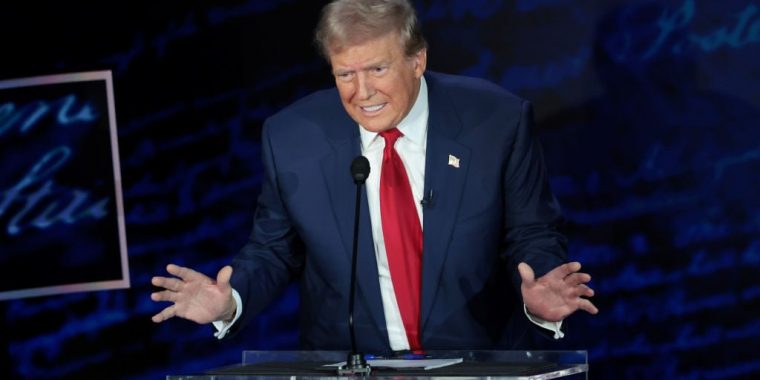
Trump
suing
the
IRS
for
$10
billion
over
leaking
of
the
tax
documents
that
he
promised
repeatedly
he
was
going
to
release
and
never
did.
Surely
Pam
Bondi
will
fight
this
case
zealously
to
protect
taxpayers!
[CNN]
*
Someone
tried
to
free
Luigi
using
a
pizza
cutter.
[Reuters]
*
Deputy
AG
Todd
Blanche
apparently
held
six
figures
worth
of
crypto
investments
while
using
his
job
to
shut
down
crypto
investigations.
[ProPublica]
*
California
Chief
Justice
wants
limits
on
ICE
presence
in
courthouses.
[The
Recorder]
*
Proposed
judiciary
AI
rule
may
come
away
from
criticism
stronger
than
ever.
[Law360]
*
Study
finds
jurors
perform
just
as
well
in
person
as
they
do
online.
[ABA
Journal]
*
Senate
may
repeal
law
that
allowed
colleagues
to
sue
the
government
over
federal
investigations.
[Politico]
“Super
Drunk”
Judge
Finds
Himself
On
Other
End
Of
The
Gavel:
Judge
Thomas
L.
Ludington
faces
misdemeanor
DUI
charges.
Louisiana’s
Solicitor
General
Glazes
Alito’s
Well,
Everything:
Just
kiss
already.
Judge
Schiltz
Reminds
ICE
That
They
Have
To
Follow
The
Law
Too:
Someone
has
to
do
it.
Boston
University
To
Offer
AI
Certificate:
Great
time
investment
or
waste
of
time?
Who
knows!
Nobody
Likes
A
Bully:
Second
Circuit
Judge
accused
of
bullying
her
law
clerks.
This
Week
On
Thinking
Like
A
Lawyer:
Extra
caramelization
on
Trump’s
Cook
case.
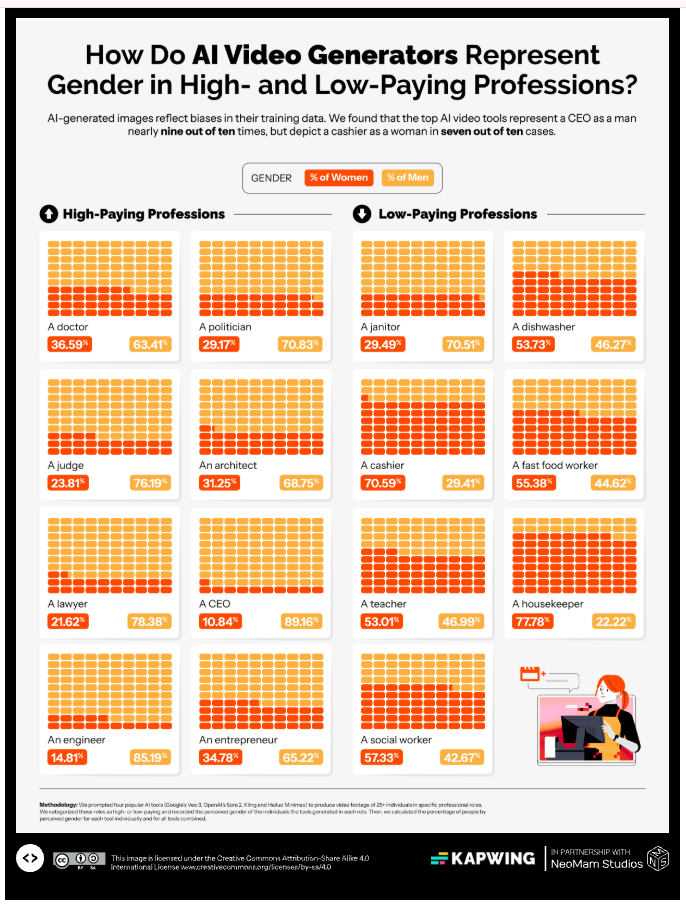
A
new
study
examining
bias
in
AI-generated
video
reveals
that
the
leading
AI
video
creation
tools
significantly
underrepresent
women
in
the
legal
profession,
depicting
female
lawyers
at
rates
far
below
their
actual
numbers
in
the
workforce.
AI
videos
also
underrepresent
lawyers
of
color,
although
by
a
lesser
percentage.
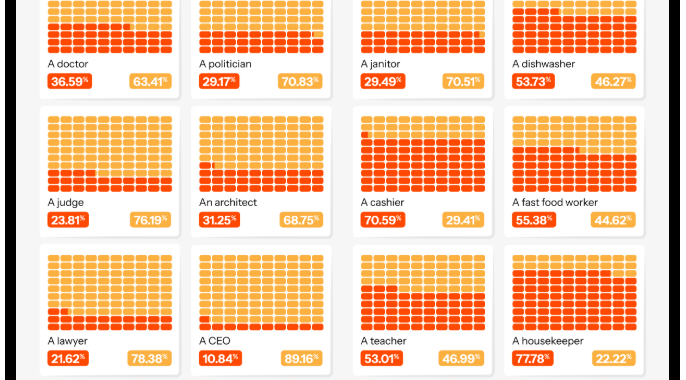
According
to
research
published
by
Kapwing,
which
analyzed
video
output
from
Google’s
Veo
3,
OpenAI’s
Sora
2,
Kling,
and
Hailuo
Minimax,
only
21.62%
of
lawyers
depicted
by
these
AI
tools
were
represented
as
women.
This
is
barely
half
the
real-world
figure.
According
to
2023
American
Bar
Association
data
cited
in
the
study,
women
make
up
41.2%
of
the
legal
profession.
For
judges,
videos
depict
women
in
judicial
roles
9.19%
less
that
is
true
in
real
life.
The
disparity
was
particularly
stark
with
Hailuo
Minimax,
which
failed
to
depict
any
lawyers
as
women
in
its
generated
videos.
The
study’s
findings
on
lawyer
representation
exemplify
a
broader
pattern
of
gender
bias
the
researchers
identified
across
high-paying
professions.
When
the
tools
were
prompted
to
generate
video
footage
of
CEOs,
they
depicted
men
89.16%
of
the
time.
Overall,
the
AI
tools
represented
women
in
high-paying
jobs
at
rates
8.67
percentage
points
below
real-life
levels.
The
researchers
tested
the
four
leading
AI
video
generation
platforms
by
prompting
them
to
produce
videos
containing
up
to
25
professionals
in
various
job
categories,
both
high-paying
and
low-paying.
They
then
manually
recorded
the
perceived
gender
expression
and
racialization
of
the
people
depicted
in
the
resulting
videos.
Racial
Disparities
Beyond
gender,
the
study
also
revealed
significant
racial
disparities
in
how
these
tools
depict
professionals.
Overall,
the
tools
portrayed
77.3%
of
people
in
high-paying
roles
as
white,
compared
to
just
53.73%
in
low-paying
roles.
Asian
people
were
depicted
in
low-paying
jobs
three
times
as
frequently
as
in
high-paying
positions.
Among
lawyers,
the
study
found
them
to
be
depicted
as
Black,
Latino
or
Asian
18.06%
of
the
time.
According
to
the
ABA,
the
percentage
of
lawyers
of
color
is
23%.
For
judges,
videos
depict
them
as
Black,
Latino
or
Asian
49%
of
the
time.
This
seems
to
be
much
higher
than
the
actual
percentage
of
all
state
and
federal
judges,
which
is
estimated
to
be
25%
or
less.
The
researchers
note
that
these
biases
in
AI-generated
media
matter
because
media
representation
can
establish
or
reinforce
perceived
societal
norms.
When
AI
tools
systematically
underrepresent
certain
groups
in
professional
contexts,
they
risk
perpetuating
the
very
stereotypes
and
structural
inequalities
they’ve
learned
from
their
training
data.
“These
stereotypes
can
amplify
hostility
and
bias
towards
certain
groups,”
the
study’s
authors
write,
noting
that
when
members
of
misrepresented
groups
internalize
these
limited
representations,
“the
effect
is
to
marginalize
them
further
and
inhibit
or
warp
their
sense
of
value
and
potential.”
The
study
comes
as
AI-generated
video
content
has
become
mainstream,
with
millions
of
videos
now
being
created
daily
using
these
tools.
The
research
suggests
that
as
these
technologies
become
more
prevalent
in
content
creation,
their
embedded
biases
could
have
increasingly
significant
social
impacts.
Kapwing,
which
integrates
several
third-party
AI
models
into
its
platform,
acknowledged
in
publishing
the
research
that
while
the
company
can
choose
which
models
to
make
available,
it
does
not
control
how
those
models
are
trained
or
how
they
represent
people
and
professions.
The
company
emphasized
that
“the
biases
examined
in
this
study
reflect
broader,
industry-wide
challenges
in
generative
AI.”
The
full
study,
which
includes
detailed
methodology
and
additional
findings
across
various
professions
and
demographic
categories,
is
available
on
Kapwing’s
website.
In
December
2023,
Second
Circuit
Chief
Judge
Debra
Livingston
published
a
whitewashed
disciplinary
order
disposing
of
the
first
complaint
against
Merriam.
The
laughable
remedies
delineated
in
that
order
—
watching
training
videos;
committing
to
treating
clerks
better;
checking
in
with
Livingston
periodically;
and
the
Director
of
Workplace
Relations
(DWR)
for
the
circuit
—
a
clerk
point
of
contact
—
would
check
in
with
Merriam’s
clerks
every
six
months
through
2025
—
were
toothless.
It
was
literally
the
least
the
circuit
could
do.
Immediately
thereafter,
incoming
Merriam
clerks
asked
whether
to
withdraw
from
their
clerkships.
Sadly,
since
the
order
misrepresented
the
clerk’s
allegations,
cherry-picking
to
paint
them
in
the
worst
possible
light,
incoming
clerks
were
misled
to
believe
the
clerkship
wouldn’t
be
that
bad
and
opted
to
proceed
anyway.
Big
mistake.
But
there’s
currently
no
outside
oversight
over
the
judicial
complaint
process
—
Congress
has,
unsurprisingly,
abdicated
its
oversight
responsibility
over
the
courts
—
and,
like
most
clerk
complainants,
the
clerk
did
not
have
a
lawyer
at
all
times.
So,
the
circuit
misled
the
public,
painting
the
situation
as
a
personality
conflict
between
judge
and
clerk
rather
than
the
hostile
work
environment
it
was.
Between
December
2023
and
December
2025,
LAP
fielded
troubling
allegations
from
clerks
—
those
who
endured
mistreatment,
one
who
quit
after
just
one
month
working
for
Merriam,
and
several
who
withdrew
from
clerkship
offers
after
learning
the
clerkship’s
realities.
LAP’s
complaint
alleges
Merriam
created
a
hostile
and
toxic
work
environment
—
nothing
like
the
exemplary
workplace
the
federal
judiciary
claims
to
foster.
Chambers
conditions
may
have
gotten
worse
after
the
public
reprimand.
Clerks
allege
Merriam
routinely
bullied,
belittled,
isolated,
and
dehumanized
them;
yelled
at
them;
and
sent
unhinged
emails
in
all
capital
letters.
The
complaint
alleges
Merriam’s
conduct,
including
sudden
and
unpredictable
outbursts,
is
part
of
an
emotional
rollercoaster
of
unpredictable
mood
swings.
Importantly,
the
complaint
also
alleges
Second
Circuit
clerk
points
of
contact
—
the
DWR
and
Circuit
Executive
—
were
aware
of
ongoing
misconduct
for
at
least
one
year
before
this
second
complaint
but
failed
to
report
this
to
Chief
Judge
Livingston
and
urge
her
to
open
a
second
investigation.
Frankly,
those
who
knowingly
and
willfully
conceal
information
about
judicial
misconduct
are
obstructing
justice.
There
is
an
enormous
power
disparity,
not
just
between
life-tenured
federal
judges
and
clerks,
but
also
between
clerks
and
judicial
branch
officials.
Clerks
are
particularly
vulnerable
during
investigations,
because
they
typically
lack
legal
representation,
while
going
up
against
the
full
weight
of
the
federal
judiciary
and
its
army
of
lawyers.
Disturbingly,
far
too
little
about
workplace
conduct
policies
is
delineated
in
writing.
That’s
by
design.
It’s
ironic,
considering
how
much
judges
love
to
expound
on
process
and
enforce
courtroom
rules.
Judiciary
officials
regularly
fail
to
follow
their
own
policies
or
change
the
rules
midway
through:
but
without
transparency
around
investigations,
it
can
be
challenging
to
allege
procedural
wrongdoing.
It
appears
that
Livingston
likely
either
knew
or
should
have
known
about
ongoing
issues
in
Merriam’s
chambers,
since
she
allegedly
met
with
Merriam
to
discuss
workplace
conduct,
according
to
the
2023
order.
And,
Livingston
supervises
the
DWR
and
Circuit
Executive,
who
knew
of
the
misconduct.
Circuit-wide
willful
ignorance
by
those
in
positions
of
power
who
should
know
better,
is
shameful.
Anyone
can
file
a
JCD
complaint
—
including
law
clerks,
litigants,
attorneys,
and
members
of
the
public
—
alleging
a
“judge
has
engaged
in
conduct
prejudicial
to
the
effective
and
expeditious
administration
of
the
business
of
the
courts.”
LAP
filed
this
complaint
because
we’re
able
to
shoulder
the
risk
that
law
clerks
believe
they
cannot.
Frankly,
clerks
don’t
do
their
best
work
when
they
are
being
mercilessly
bullied
—
risking
harm
to
litigants
who
depend
on
orders
and
opinions
issued
from
overworked
and
demoralized
chambers.
And
it
undermines
public
confidence
in
the
courts
when
judges’
workplace
conduct
is
so
lawless,
and
when
judges
display
such
callous
disregard
for
the
laws
they
interpret.
Why
the
discrepancy?
Law
clerks
—
and
more
than
30,000
federal
judiciary
employees
—
are
exempt
from
Title
VII
of
the
Civil
Rights
Act
of
1964
and
all
federal
anti-discrimination
laws,
including
legal
protection
against
retaliation
for
reporting.
It’s
simple:
clerks
do
not
and
will
not
report
misconduct
until
they’re
protected
against
retaliation.
The
judiciary
vociferously
opposes
extending
Title
VII
protections
to
the
Third
Branch,
even
while
Congress
extended
Title
VII
to
itself
and
the
Executive
Branch
in
1995,
because
exempting
clerks
from
legal
protection
against
retaliation
will
also
chill
complaints.
Judges
can
and
do
retaliate
against
clerks
by
intervening
in
their
bar
applications
and
by
contacting
employers
to
give
negative
references
and
blackball
them
from
jobs.
(That’s
what
happened
to
me,
following
my
clerkship
with
the
D.C.
U.S.
Attorney’s
Office
four
years
ago.)
The
judicial
complaint
process
is
flawed,
but
it’s
the
system
we
have:
using
the
system
is
how
we’ll
change
it.
Importantly,
since
LAP
is
the
named
complainant,
Merriam’s
current
and
former
clerks
will
be
confidential
witnesses:
they
can
speak
freely
with
the
circuit,
without
Merriam
knowing
who
said
what
to
whom,
better
protecting
them
against
retaliation.
Troublingly,
during
lengthy
investigations,
judges’
clerks
are
not
typically
reassigned.
For
example,
during
the
year-long
investigation
into
former
Alaska
federal
judge
Joshua
Kindred,
who
resigned
in
July
2024
amid
threat
of
further
discipline,
after
Kindred
was
credibly
accused
of
sexually
harassing
clerks,
they
were
forced
to
continue
working
under
him.
So,
LAP’s
complaint
requests
that
Merriam’s
clerks
be
immediately
reassigned
to
protect
them,
pending
an
investigation.
Clerks
tell
me
Merriam
should
not
be
a
judge.
She
cannot
manage
her
chambers
or
supervise
employees.
But
as
long
as
judges
like
Merriam
remain
on
the
bench,
they’ll
get
clerks:
someone
is
desperate
enough
for
the
credential,
or
believes
it
won’t
happen
to
them.
In
fact,
several
Merriam
clerks
didn’t
think
this
would
happen
to
them;
wish
they’d
listened
when
warned;
and
wouldn’t
have
accepted
the
clerkship
if
they
knew
how
bad
it
would
be.
While
federal
judges
enjoy
life
tenure
“during
good
behavior”
and
can
therefore
only
be
removed
by
congressional
impeachment,
some
resign
amid
threat
of
further
discipline.
Kindred
did.
I
hope
to
see
the
same
outcome
here.
But
while
the
judiciary
is
perpetrating
a
fraud
upon
the
public,
Congress
—
the
branch
of
government
empowered
to
act
—
refuses
to
act.
While
it’s
easy
to
blame
Republicans
for
everything
that’s
wrong,
much
responsibility
lies
with
feckless
congressional
Democrats,
who’ve
not
only
abdicated
their
oversight
responsibility
over
the
federal
courts
but,
frankly,
do
not
understand
what
their
responsibilities
are.
Congressional
Democrats
are
obsessed
with
Trump
—
to
the
exclusion
of
any
other
issue.
It’s
ironic
to
see
Democrats
on
the
news
demanding
“accountability”
for
government
actors
who
are
“above
the
law”
and
calling
for
“transparency”
—
accountability
and
transparency,
except
for
the
judiciary.
Democrats
failed
to
prioritize
the
courts:
if
they
had,
our
judiciary
might
actually
be
a
trusted
bulwark
against
creeping
autocracy.
Members
and
their
staff
tell
me
this
issue
“isn’t
in
their
legislative
agenda;”
they’re
“too
busy”
to
send
an
oversight
letter
(while
sending
letters
about
everything
else);
and
“if
it’s
not
about
Trump,
we
won’t
act.”
Yet
Congress
has
at
least
four
tools
in
its
toolbox
—
oversight,
legislation,
appropriations,
and
the
bully
pulpit
—
and
none
requires
them
to
be
in
the
majority
to
show
some
spine
right
now.
Congress’s
failure
to
act
shields
judges
like
Merriam
from
accountability
and
perpetuates
judicial
branch
lawlessness.
Oversight
Any
member
can
direct
questions
to
the
Administrative
Office
of
the
U.S.
Courts
(AO).
While
members
send
letters
about
countless
other
topics,
they
have
refused
to
do
this,
even
after
I
drafted
questions
for
them
—
including
one
member
whose
constituent
was
one
of
just
two
law
clerk
complainants
last
year.
Democrats
could
hold
a
“shadow
hearing”
(chaired
by
just
Democrats),
which
they’ve
held
on
several
other
rule
of
law
topics.
If
and
when
Democrats
retake
the
majority,
the
House
Judiciary
Committee
—
which
has
apparently
decided
judicial
branch
oversight
isn’t
in
its
job
description
anymore
—
should
immediately
hold
hearings.
Majority
members
with
subpoena
power
should
demand
notes
and
documents
revealing
systemic
misconduct
that
the
courts
may
have
withheld.
And,
when
Congress
calls
witnesses,
while
judiciary
leadership
will
stonewall,
underlings
like
DWRs
will
have
on-the-ground
information
from
conversations
with
clerks
about
abusive
judges,
and
an
insider’s
view
of
leadership’s
obfuscation.
Congress
controls
the
purse
strings
and
should
use
the
judiciary’s
annual
budget
request
as
a
sword
and
shield.
Congress
should
at
least
threaten
to
zero
out
the
judiciary’s
budget
until
they
implement
meaningful
reforms.
And
the
Appropriations
Committee
should
tie
judiciary
funding
to
benchmarks
for
progress.
Last
May,
AO
Director
Robert
Conrad
testified
before
the
Financial
Services
and
General
Government
Subcommittee:
workplace
conduct
was
the
second
item
in
his
written
testimony.
Yet
not
a
single
member
asked
about
workplace
conduct.
Conrad
will
be
back
this
spring:
Congress
should
ask
tough
questions.
Bully
Pulpit
Of
all
the
tools
at
their
disposal,
this
is
perhaps
members’
greatest
untapped
power.
Congresspeople
have
huge
national
platforms
to
do
new
interviews,
publish
op-eds,
and
utilize
social
media
to
raise
awareness,
spark
dialogue,
and
effect
change.
Their
silence
on
this
topic
is
shameful.
This
year,
every
House
member
and
many
senators
run
for
reelection.
Congress
believes
they
don’t
have
to
act,
because
constituents
don’t
know
the
judiciary
is
exempt
from
Title
VII,
don’t
believe
this
affects
them,
and
won’t
hold
them
accountable
by
demanding
action
or
voting
them
out
of
office.
Congress
doesn’t
understand
the
courts
affect
all
of
us.
If
you’re
frustrated
about
the
lack
of
accountability
for
judges
who
abuse
their
power
—
or
think
it
defies
logic
that
the
entire
federal
judiciary,
which
interprets
our
laws,
is
exempt
from
all
workplace
anti-discrimination
laws
—
hold
your
member
accountable
or
elect
someone
who
will
act.
The
judicial
complaint
process
was
not
crafted
with
law
clerks
in
mind.
Frankly,
it’s
set
up
to
shield
abusive
judges
from
accountability.
But
for
now,
it’s
the
system
we
have.
I
hope
clerks
see
LAP’s
complaint
and
are
empowered
to
come
forward,
because
fixing
the
system
from
the
inside
is
how
we’ll
create
meaningful
change.
Someday,
the
tide
will
turn:
we’ll
remember
who
was
on
the
right
side
of
history
when
it
was
hard.
It
would
be
a
stain
on
the
judiciary
to
shield
Judge
Merriam
from
accountability
under
these
circumstances,
LAP’s
complaint
concludes.
Pressuring
the
judiciary
to
act
requires
all
of
us
—
law
clerks,
law
students,
lawyers,
members
of
Congress,
and
the
press
—
to
demand
change
and
shine
a
light
on
misconduct
that’s
historically
been
hidden.
The
judiciary
has
long
exploited
clerks’
fears
and
benefitted
from
clerks’
silence.
Let’s
not
give
them
that
any
longer.
Aliza
Shatzman
is
the
President
and
Founder
of The
Legal
Accountability
Project,
a
nonprofit
aimed
at
ensuring
that
law
clerks
have
positive
clerkship
experiences,
while
extending
support
and
resources
to
those
who
do
not.
She
regularly
writes
and
speaks
about
judicial
accountability
and
clerkships.
Reach
out
to
her
via
email
at [email protected] and
follow
her
on
Twitter
@AlizaShatzman.
Discovery
is
the
part
of
litigation
everyone
claims
to
hate,
until
they
lose
a
case
because
of
it.
Young
lawyers
will
tell
you
discovery
is
“paperwork.”
Senior
lawyers
will
sigh
and
call
it
“a
grind.”
Judges
will
roll
their
eyes
and
treat
it
like
an
administrative
nuisance
that
keeps
them
from
the
real
work.
That
attitude
is
exactly
why
discovery
wins
cases.
Not
at
trial.
Not
at
the
dispositive
motion
hearing.
Not
on
some
dramatic
cross-examination
clip
you
dream
about
replaying
in
your
head
on
the
drive
home.
Discovery
wins
cases
quietly.
Incrementally.
Methodically.
It
wins
cases
by
building
leverage,
forcing
admissions,
and
shrinking
the
other
side’s
runway
until
they
have
nowhere
left
to
land.
If
you’ve
been
treating
discovery
like
a
box
to
check,
here’s
a
better
way
to
think
about
it
with
a
beginning,
middle,
and
end
that
will
actually
carry
your
case
from
“file
opened”
to
“case
resolved.”
The
beginning:
Stop
“doing
discovery”
and
start
planning
a
case
Before
you
write
a
single
interrogatory,
before
you
copy-and-paste
your
firm’s
form
requests,
before
you
send
a
boilerplate
preservation
letter
that
nobody
reads,
you
need
to
decide
what
game
you’re
playing.
Litigation
is
chess,
not
checkers.
In
checkers,
you
react.
You
make
the
obvious
move.
You
chase
what’s
directly
in
front
of
you.
In
chess,
you’re
thinking
eight
moves
ahead.
You’re
anticipating
what
your
opponent
is
trying
to
do,
you’re
setting
traps,
and
you’re
building
toward
an
endgame
from
move
one.
Discovery
is
where
that
endgame
is
designed.
So
the
first
move
isn’t
drafting.
The
first
move
is
clarity.
Ask
yourself:
What’s
my
theme?
What’s
their
theme?
What
facts
do
I
need
to
prove
mine?
What
facts
do
I
need
to
prevent
them
from
proving
theirs?
What
admissions
do
I
need
locked
in
early
so
nobody
can
“clarify”
later?
If
you
can’t
answer
those
questions,
you’re
about
to
spend
months
exchanging
words
and
documents
without
direction.
You’ll
drown
in
paper
and
call
it
“progress.”
And
while
you’re
doing
that,
the
other
side
might
be
building
a
narrative
you
can’t
undo.
Here’s
a
truth
that
doesn’t
get
taught
enough:
the
first
side
to
establish
themes
and
drive
discovery
to
support
those
themes
usually
has
the
upper
hand.
Because
themes
aren’t
something
you
slap
on
later
like
a
coat
of
paint.
Themes
get
built,
brick
by
brick,
through
the
record.
Written
discovery
is
one
of
the
earliest
opportunities
you
have
to
lay
those
bricks
and
force
the
other
side
to
help
you
do
it.
That’s
also
why
you
need
to
read
their
discovery
differently.
When
opposing
counsel
sends
interrogatories
and
requests
for
production,
they’re
not
just
asking
for
information.
They’re
telegraphing
what
matters
to
them.
Their
written
discovery
often
reveals
their
theory
of
the
case,
the
witnesses
they
care
about,
the
documents
they
think
exist,
and
the
issues
they
want
to
frame.
Treat
their
discovery
like
a
confession.
Study
it.
Learn
what
they’re
building.
Then
do
the
one
thing
younger
lawyers
rarely
do:
don’t
telegraph
your
own
case
theory
with
sloppy,
obvious
requests.
Ask
for
what
you
need,
but
don’t
announce
your
whole
plan
in
neon.
This
is
the
beginning
of
discovery:
not
sending
paper,
but
building
a
strategy.
The
middle:
Discovery
is
project
management,
psychology,
and
controlled
aggression
Once
the
plan
is
in
place,
the
work
begins.
And
this
is
where
most
cases
get
ugly,
not
because
the
law
is
hard,
but
because
humans
are
messy.
Clients
are
disorganized.
People
miss
deadlines.
Information
lives
in
places
nobody
anticipated.
Opposing
counsel
can
be
unreasonable.
Judges
are
busy.
And
then
you’ve
got
the
constant
pressure
of:
“We
need
this
done
yesterday.”
If
you
want
to
run
discovery
well,
you
have
to
stop
treating
it
like
a
purely
legal
exercise.
Discovery
is
also
project
management.
The
lawyers
who
thrive
are
the
ones
who
develop
systems
and
repeatable
workflows.
You
can
reduce
most
of
the
law
practice
to
checklists.
Discovery
especially.
A
real
discovery
checklist
isn’t
glamorous,
but
it’s
the
difference
between
controlling
a
case
and
chasing
it.
At
minimum,
it
should
force
you
to
do
the
basics
every
time:
preservation/litigation
hold
reminders
identifying
custodians
early
identifying
systems
(email,
chat,
shared
drives,
CRM,
phones)
building
initial
requests
that
match
the
themes
(and
tailored
add-ons)
calendaring
deadlines
with
internal
reminders
planning
privilege
review
instead
of
panicking
at
the
end
thinking
through
production
format
early
sequencing
depositions
around
document
production,
not
the
other
way
around
This
doesn’t
make
you
robotic.
It
makes
you
safe.
It
reduces
“I
forgot”
and
“I
assumed.”
And
“I
assumed”
is
the
birthplace
of
malpractice.
Now
let’s
talk
about
responding
to
discovery
because
that’s
where
careers
get
dented.
Responding
isn’t
hard
because
it’s
complicated.
It’s
hard
because
it’s
a
high-wire
act.
You’re
balancing
what
the
client
has,
what
they
can
reasonably
gather,
what
you
can
object
to,
what
you
should
object
to,
and
what
you
absolutely
should
not
say
in
writing
because
it
will
haunt
you
later.
A
practical
rhythm
helps:
Send
requests
to
the
client
immediately.
Give
them
runway.
Calendar
the
due
date
and
set
internal
reminders.
Identify
objections
early
and
research
the
scope
of
those
objections.
Get
on
the
phone
with
the
client
to
map
what
exists,
what
doesn’t,
and
what’s
going
to
be
a
fight.
If
delays
are
likely,
seek
extensions
early.
Set
expectations:
what
you’ll
produce,
what
you
can
object
to,
and
what
you
can’t.
Identify
production
issues:
privilege,
cost,
timing,
format.
Avoid
self-inflicted
wounds.
Don’t
produce
or
admit
something
without
thinking
about
how
it
affects
the
entire
case.
Most
discovery
disasters
are
self-inflicted.
They
don’t
happen
because
the
other
side
is
brilliant.
They
happen
because
someone
panicked,
rushed,
over-produced,
or
made
casual
admissions
that
felt
harmless
at
the
time.
That’s
also
why
e-discovery
is
its
own
battlefield.
A
party
losing
on
the
merits
will
often
seek
leverage
in
the
process:
preservation
failures,
incomplete
searches,
inconsistent
productions,
and
spoliation
accusations.
Discovery
becomes
a
war
on
two
fronts:
the
substantive
one
and
the
ESI
one.
And
in
2026,
the
universe
of
“discoverable”
keeps
expanding.
If
you
do
personal
injury
work,
understand
this:
the
most
important
data
may
not
be
in
medical
records.
It
might
be
on
someone’s
wrist.
Smartwatch
data
can
show
steps,
sleep,
heart
rate,
oxygen
levels,
activity
patterns,
all
the
stuff
that
speaks
to
day-to-day
functioning.
A
plaintiff
alleging
severe
limitations
while
recording
12,000
steps
a
day
creates
a
different
conversation,
whether
it’s
fair
or
not.
So
if
your
case
involves
physical
injury,
ask
early:
what
devices
exist,
what
data
lives
on
them,
and
how
they
are
preserved?
And
now
we
have
the
new
frontier:
AI.
Companies
are
using
AI
tools
at
work,
creating
a
new
category
of
“records”:
prompts,
outputs,
logs,
drafts,
and
decision-making
trails.
If
you’re
not
thinking
about
AI
interactions
as
potential
discovery,
you’re
behind.
One
practical
warning
I
give
clients
(and
frankly,
young
lawyers
too):
don’t
dump
confidential
attorney-client
communications
or
work
product
into
public
AI
tools.
You
may
be
creating
discoverable
material
and
waiving
protections
in
ways
you
didn’t
intend.
Use
AI
carefully,
like
an
assistant,
not
a
dumping
ground.
Now,
somewhere
in
this
middle
stretch,
you’ll
hit
the
inevitable:
a
discovery
dispute.
Here’s
my
view:
pick
the
right
fights.
But
when
you
fight,
fight
to
win.
If
you’re
going
to
take
the
judge’s
time,
don’t
come
in
with
mush.
Come
in
with
a
hook:
clear
facts,
clean
meet-and-confer
history,
specific
requests,
specific
deficiencies,
and
a
proposed
order.
Make
it
easy
for
the
court
to
rule
for
you.
Don’t
dance
around.
Close
the
doors
on
the
other
side’s
excuses.
And
one
more
habit
that
saves
you
when
tempers
rise:
memorialize
important
conversations.
Opposing
counsel
will
“misremember.”
Witnesses
will
“clarify.”
Clients
will
swear
they
told
you
something
they
never
told
you.
Write
memos
of
key
calls.
Keep
a
record.
Your
memory
is
not
evidence.
Your
notes
can
become
the
spine
of
your
argument
when
things
go
sideways.
That’s
the
middle:
systems,
discipline,
controlled
aggression,
and
an
awareness
that
discovery
is
as
human
as
it
is
legal.
The
end:
Discovery
isn’t
paperwork,
it’s
leverage
The
end
of
discovery
should
not
feel
like
relief.
It
should
feel
like
an
advantage.
If
you
conducted
discovery
the
right
way,
you’re
not
emerging
from
it
exhausted
and
confused.
You’re
emerging
with:
your
themes
supported
by
a
record
their
themes
weakened
by
admissions
or
gaps
contradictions
preserved
key
documents
identified
and
authenticated
deposition
targets
and
sequencing
that
make
sense
leverage
for
motion
practice
or
settlement
That’s
what
discovery
is
supposed
to
produce:
leverage.
And
leverage
is
what
drives
outcomes.
Because
most
cases
don’t
end
with
a
verdict,
they
end
with
a
decision
made
under
pressure,
a
pressure
you
either
created
or
failed
to
create.
If
you
plan
eight
moves,
build
your
themes
early,
read
their
discovery
like
it
reveals
their
strategy,
use
checklists
to
avoid
unforced
errors,
treat
e-discovery
seriously,
and
keep
discipline
about
what
you
produce
and
why
you
stop
“doing
discovery.”
You
start
using
discovery.
And
when
you
start
using
discovery,
you
stop
hoping
the
case
breaks
your
way
at
the
end.
You
start
shaping
the
end
from
the
beginning.
That’s
the
point.
That’s
the
job.
Discovery
isn’t
paperwork.
Discovery
is
where
you
win.
Frank
Ramos
is
a
partner
at
Goldberg
Segalla
in
Miami,
where
he
practices
commercial
litigation,
products,
and
catastrophic
personal
injury. You
can
follow
him
on LinkedIn,
where
he
has
about
80,000
followers.
Having
a
JD
does
a
lot
of
heavy
lifting,
but
if
you’re
a
student
who
wants
to
have
a
little
extra
distinction
on
your
resume,
it
makes
sense
to
tack
on
a
certificate.
Tax,
corporate,
and
business
law
are
the
traditional
options,
but
as
law
schools
rush
to
incorporate
AI
into
the
learning
experience,
it
was
only
a
matter
of
time
before
law
schools
started
offering
certificates
in
AI.
If
the
AI
bubble
pops
soon,
that
certificate
will
probably
be
as
valuable
as
a
Master’s
in
Metaverse
studies.
If
AI
somehow
manages
to
overcomes
the
billions
in
operating
costs
with
no
real
hope
of
near-future
profits,
Boston
University
law
students
who
earned
their
AI
cert
will
be
in
high
demand.
eWeek
has
coverage:
Boston
University
School
of
Law
is
preparing
to
launch
an
AI
certificate
program
in
fall
2026
as
part
of
a
broader
initiative
aimed
at
training
future
lawyers
in
the
ethical
and
effective
use
of
AI
technologies.
The
initiative
reflects
a
growing
recognition
within
legal
education
that
AI
is
becoming
deeply
embedded
in
legal
research,
writing,
and
practice.
Law
school
administrators
say
the
program
is
designed
not
only
to
familiarize
students
with
emerging
tools,
but
also
to
address
the
ethical
and
professional
challenges
that
accompany
them.
One
of
the
classes
will
focus
on
client
confidentiality.
You’d
think
it
would
be
a
no-brainer
to
keep
confidential
information
away
from
the
cull-any-and-all-information
machine,
but
if
the
Director
of
the
Cybersecurity
and
Infrastructure
Security
Agency
was
dumb
enough
to
upload
secret
information
to
ChatGPT,
you
can’t
be
too
safe
with
the
next
generation
of
lawyers.
Another
high
priority
on
the
list
should
be
lessons
on
authorship
and
proper
citation.
Balancing
using
AI
to
assist
the
writing
process
and
vigilance
over
whenever
“hallucinations”
pop
up
isn’t
as
easy
as
you
may
think
—
we’ve
written
a
bunch
of
articles
showing
otherwise.
Some
of
the
stories
ripe
for
study
include
calling
out
judges
for
lazily
using
AI,
attorneys
getting
caught
lazily
using
AI,
and
that
same
attorney
apologizing
for
their
poor
lawyering
with
over-the-top
purple
prose.
As
nice
as
it
is
to
have
the
certificate
up
your
sleeve,
remember
that
the
software
won’t
be
on
the
line
if
error
tanks
the
strength
of
your
briefs.
You
are.
Whether
you
use
AI
or
Quimbee
or
2017
Torts
outline.doc
to
help
you
through
your
classes,
at
some
point
you’ll
have
to
rely
on
your
own
skills
and
know
how
to
get
the
job
done.
Be
prepared.
Chris
Williams
became
a
social
media
manager
and
assistant
editor
for
Above
the
Law
in
June
2021.
Prior
to
joining
the
staff,
he
moonlighted
as
a
minor
Memelord™
in
the
Facebook
group Law
School
Memes
for
Edgy
T14s
.
He
endured
Missouri
long
enough
to
graduate
from
Washington
University
in
St.
Louis
School
of
Law.
He
is
a
former
boatbuilder
who
is
learning
to
swim, is
interested
in
critical
race
theory,
philosophy,
and
humor,
and
has
a
love
for
cycling
that
occasionally
annoys
his
peers.
You
can
reach
him
by
email
at [email protected]
and
by
tweet
at @WritesForRent.
Louisiana
Solicitor
General
and
former
Alito
clerk
Ben
Aguiñaga
has
a
new
piece
exploding
the
widespread
“media
smear”
of
Justice
Samuel
Alito
as
“unhappy,”
“aggrieved,”
and
“wronged.”
He
doesn’t
link
to
anything
—
why
bring
receipts
when
calling
out
a
supposedly
vast
media
conspiracy?
—
but
he’s
presumably
responding
to
Joan
Biskupic’s
December
CNN
article
describing
Alito
as
an
“unhappy”
winner.
Which
was
itself
a
continuation
of
a
2022
Slate
piece
by
Dahlia
Lithwick
and
Mark
Joseph
Stern
wondering
why
he’s
perpetually
furious
about
everything.
So,
despite
failing
to
show
his
work,
Aguiñaga’s
not
wrong
about
the
general
perception.
Aguiñaga’s
response?
Alito
eats
Campbell’s
soup
and
doesn’t
make
his
clerks
work
weekends.
Case
closed,
libs!
But
before
we
get
to
the
substance
—
a
word
I’m
using
generously
here
—
it’s
worth
noting
that
Aguiñaga
is
Louisiana’s
Solicitor
General
and
has
a
case
before
the
Supreme
Court
asking
the
justices
to
make
it
harder
for
Black
voters
to
elect
representatives
of
their
choice.
The
conservative
majority
—
including
Alito
—
appear
ready
to
kick
the
Voting
Rights
Act
in
the
genitals,
so
it’s
not
as
though
he
needs
a
fawning
tribute
to
influence
the
decision.
That
said,
a
guy
with
matters
actively
pending
before
a
justice
he’s
publicly
fellating
in
a
Fox
News
article
isn’t
an
ideal
look
for
the
justice
system.
Critics
of
Supreme
Court
justices
frequently
resort
to
unfair
caricatures
of
those
justices
that,
the
critics
hope,
will
generate
clicks
and
likes.
“Clicks
and
likes?”
My
brother
in
Christ,
what
exactly
do
you
think
YOU’RE
doing?
A
puff
piece
in
Fox
News
hinting
at
a
liberal
media
smear
campaign?
I
will
guarantee
that
drives
more
numbers
than
a
long
form
CNN
post
the
week
between
Christmas
and
New
Year’s.
Even
if
it
doesn’t,
it
chases
the
only
like
and
click
it
seeks
from
its
audience
of
one.
The
whole
exercise
reeks
of
the
Trump
playbook,
where
everyone
from
CEOs
to
Nobel
laureates
heap
praise
on
the
boss.
Trump’s
televised
cabinet
meetings
feel
like
North
Korean
media
these
days.
Alito
has
exhibited
terminal
Fox
News
brain
for
years,
so
if
someone
wanted
to
get
a
complimentary
message
to
the
justice,
Fox
News
would
be
a
logical
place
to
go.
Has
Alito
become
as
cooked
as
the
47th
President?
Interesting
question.
As
Trump
might
say,
“many
people
are
asking.”
Remarkably,
Aguiñaga
doesn’t
even
address
the
actual
criticism
it
sets
out
to
rebut.
Reporters
on
the
Supreme
Court
beat
point
out
that
Alito
is
increasingly
snippy
at
oral
argument
and
snarling
in
writing.
Aguiñaga’s
response
that
Alito
is…
nice
to
his
clerks.
Some
jurists
are
reputed
to
be
harsh
taskmasters.
Not
Justice
Alito.
Not
only
did
he
lighten
our
loads
at
all
costs,
but
he
also
never
raised
his
voice
or
directed
displeasure
toward
us.
That
is
not
because
we
were
perfect
—
one
time
I
had
to
apologize
for
turning
in
a
memo
a
day
late,
but
he
did
not
bat
an
eye.
To
the
contrary,
the
justice
took
every
opportunity
he
could
to
encourage
us.
I
remember
one
particularly
long
memo
battle
that
we
fought
and
won.
He
could
have
walked
off
with
the
victory.
But
instead,
he
took
time
to
give
me
a
thoughtful
thank
you
note
for
my
assistance.
Yeesh.
Whenever
someone
tries
to
launder
Clarence
Thomas’s
reputation,
they
at
least
bring
up
how
he
knows
the
name
of
every
janitor
on
staff.
Alito
just
gets
an
extended
anecdote
dump
about
being
cool
with
the
Federalist
Society
sycophants
he
hand-picks
as
his
personal
assistants.
Is
the
legal
profession
so
broken
that
“not
a
monster
to
work
for”
is
a
glowing
compliment?
Yes,
it
is.
But
I
digress.
Being
pleasant
to
people
who
work
directly
for
him
has
little
bearing
on
whether
he’s
consumed
with
rage
at
everyone
else.
There’s
nothing
mutually
exclusive
about
politely
asking
a
clerk
about
weekend
plans
on
Friday
AND
flying
insurrectionist
flags
at
your
home
on
Saturday.
As
another
former
Alito
clerk
noted
when
distancing
herself
from
her
former
boss
over
the
flag
business:
you
can
believe
someone
is
personally
honorable
while
recognizing
that
their
conduct
has
become
indefensible.
Magda
Goebbels
made
excellent
strudel,
as
they
say.
Which
isn’t
to
say
Alito
matches
up
with
ol’
Magda,
as
much
as
a
reminder
that
anecdotes
about
private
kindnesses
don’t
make
someone
an
honest
broker.
In
some
cases,
being
nice
to
the
people
you
interact
with
directly
goes
hand
in
hand
with
being
dismissive
or
even
cruel
to
the
people
you
don’t.
It’s
ideal
to
be
nice
all
the
time,
but
given
a
choice,
I’d
rather
a
justice
run
their
clerks
through
the
Biglaw
sweatshop
wringer
and
still
believe
in
the
Fourteenth
Amendment.
Oh,
and
Alito
is
smart
too!
The
clerkship
with
Justice
Alito
was
surreal
in
many
expected
ways.
For
example,
the
justice
is
incredibly
smart.
That
is
readily
apparent
from
any
opinion
he
writes
or
oral
argument
in
which
he
grills
counsel.
So,
too,
behind
the
scenes:
On
more
than
one
occasion,
email
chatter
from
him
would
go
quiet,
and
then
a
flood
of
perfectly
cited
draft
opinions
would
come
streaming
in.
He
did
not
need
us.
Which,
again,
veers
from
the
original
point.
But
sometimes
you
can
learn
something
when
someone
keeps
redirecting
like
this.
Is
Aguiñaga
just
trying
to
tell
Alito
that
he
really
is
a
beautiful
and
unique
snowflake
who
shouldn’t
retire
just
because
the
haters
have
got
him
down?
It
would
explain
why
Aguiñaga
hears
“Alito
is
unhappy
at
work”
and
replies
with
“he’s
such
a
brilliant
humanitarian!”
It’s
not
about
Alito’s
mood
at
work,
it’s
about
girding
him
to
stick
it
out.
Just
spitballing
here,
but
maybe
stick
it
out
at
least
long
enough
for
Aguiñaga
to
build
a
resume
that
could
fill
that
seat?
Anyway,
this
whole
kerfuffle
is
about
Alito
being
pretty
clearly
annoyed
in
all
the
ways
detailed
in
the
Biskupic
article,
and
the
reason
why
—
for
my
money
—
was
pegged
by
Mark
Joseph
Stern
back
in
2022:
My
theory
of
the
case
is
essentially
that
they
watched
for
decades
while
the
court
was
center-right
or
moderate,
or
occasionally
handed
down
liberal
rulings,
and
the
country
largely
accepted
those
decisions.
The
legal
establishment
accepted
them.
There
was
not
a
call
generally
to
expand
the
court,
and
the
court’s
approval
ratings
remained
high.
I
think
Alito
and
Thomas
feel
like
they’ve
now
won
fair
and
square,
they’re
in
the
driver’s
seat,
they’re
issuing
all
of
the
decisions
that
they
think
are
right,
that
they
believe
are
certainly
no
more
radical
than
same-sex
marriage
or
abortion,
and
suddenly
their
approval
rating
is
plummeting.
When
the
Warren
Court
took
unpopular
stands,
the
public
more
or
less
thought
the
justices
were
taking
principled
stances.
When
Alito
reverse
engineers
an
assault
on
half
a
century
of
precedent,
the
public
more
or
less
sees
it
as
a
cynical
power
play.
The
Court’s
conservatives
thought
they’d
take
down
the
world
the
Warren
Court
built
and
be
greeted
as
liberators
—
to
borrow
from
Dick
Cheney
—
and
are
currently
learning
the
same
lesson
Cheney
did.
We
were
kind
of
toying
with
wording
at
the
nine-month
mark,
saying
depending
on
how
collections
are,
if
you
think
it
would
be
a
good
year
or
a
great
year,
and
I
think
it
came
out
to
be
a
very
good
year
for
the
industry.
Depending
on
how
the
policy
changes
play
out,
if
the
economy
holds
up,
everything’s
in
place
for
continuation
as
we
speak.
— Owen
Burman,
senior
consultant
with
Wells
Fargo’s
Legal
Specialty
Group,
in
comments
given
to
the
American
Lawyer,
concerning
the
legal
industry’s
“surging”
revenue
and
profits
over
the
course
of
2025.
Revenue
was
up
by
12.6%,
while
profit
per
equity
partner
was
up
14.8%
on
average,
with
Am
Law
50
firms
seeing
even
higher
gains.
Staci
Zaretsky is
the
managing
editor
of
Above
the
Law,
where
she’s
worked
since
2011.
She’d
love
to
hear
from
you,
so
please
feel
free
to email her
with
any
tips,
questions,
comments,
or
critiques.
You
can
follow
her
on Bluesky, X/Twitter,
and Threads, or
connect
with
her
on LinkedIn.
HARARE
–
Prominent
human
rights
lawyer
Beatrice
Mtetwa
has
written
to
Attorney
General
Virginia
Mabhiza,
accusing
President
Emmerson
Mnangagwa
of
failing
to
comply
with
the
constitution
by
delaying
the
appointment
of
a
tribunal
to
investigate
High
Court
judge
Justice
Never
Katiyo.
In
a
letter
dated
January
23,
Mtetwa
said
the
President
had
breached
section
324
of
the
constitution,
which
requires
constitutional
obligations
to
be
performed
“diligently
and
without
delay,”
by
failing
to
act
on
a
recommendation
from
the
Judicial
Service
Commission
(JSC)
to
set
up
a
tribunal
in
terms
of
section
186.
The
JSC
last
year
resolved
that
a
tribunal
be
appointed
to
inquire
into
Justice
Katiyo’s
fitness
to
remain
in
office
following
multiple
complaints
about
his
conduct
on
the
bench,
including
allegations
that
he
issued
a
judgement
on
a
matter
that
had
never
been
argued
before
him.
Mtetwa
said
her
firm
represents
a
litigant
in
a
High
Court
matter
in
which
Justice
Katiyo
allegedly
incorporated
into
a
judgement
matters
that
had
not
been
placed
before
the
court.
Although
the
JSC
acknowledged
receipt
of
the
complaint
in
2024
and
indicated
it
would
be
investigated,
no
outcome
was
communicated.
She
said
subsequent
complaints
against
the
judge
ultimately
prompted
the
JSC
to
recommend
the
establishment
of
a
tribunal,
triggering
a
constitutional
obligation
on
the
president
to
act.
In
November
last
year,
the
Attorney
General’s
Office
publicly
stated
that
all
preliminary
processes
required
for
the
appointment
of
tribunal
members
had
been
completed.
However,
more
than
two
months
later,
no
tribunal
has
been
constituted
and
Justice
Katiyo
continues
to
sit.
Mtetwa
said
the
delay
had
created
an
“untenable”
situation,
as
her
client’s
case
has
since
been
set
down
twice
before
the
same
judge.
“It
is
clearly
undesirable
that
any
litigant
should
be
required
to
appear
before
a
judge
whose
conduct
has
been
found
sufficiently
concerning
for
the
JSC
to
recommend
a
tribunal,”
Mtetwa
wrote.