
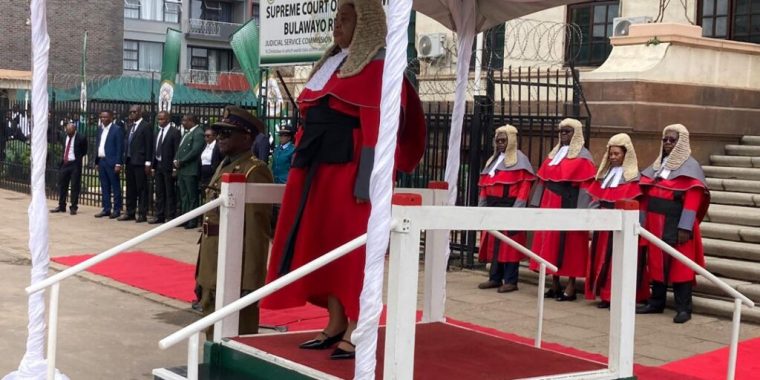
Deputy
Chief
Justice
Elizabeth
Gwaunza
has
commended
judicial
officials
in
Bulawayo
for
handling
a
significant
volume
of
cases
in
2025,
despite
operating
with
a
limited
number
of
judges
and
magistrates.
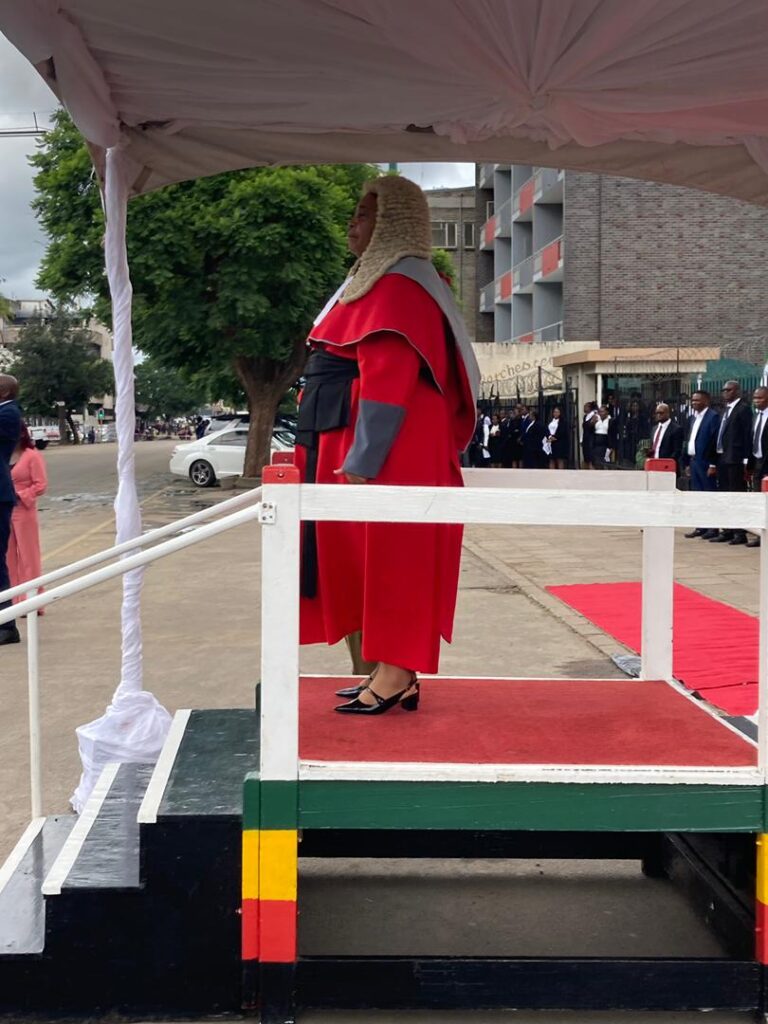
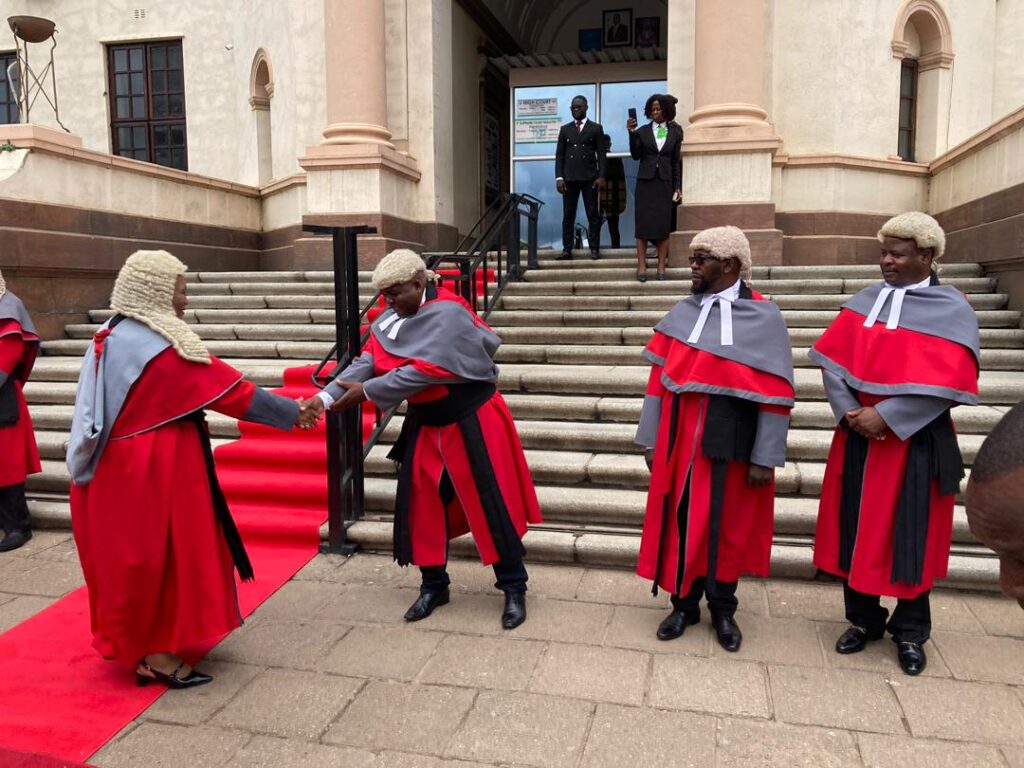
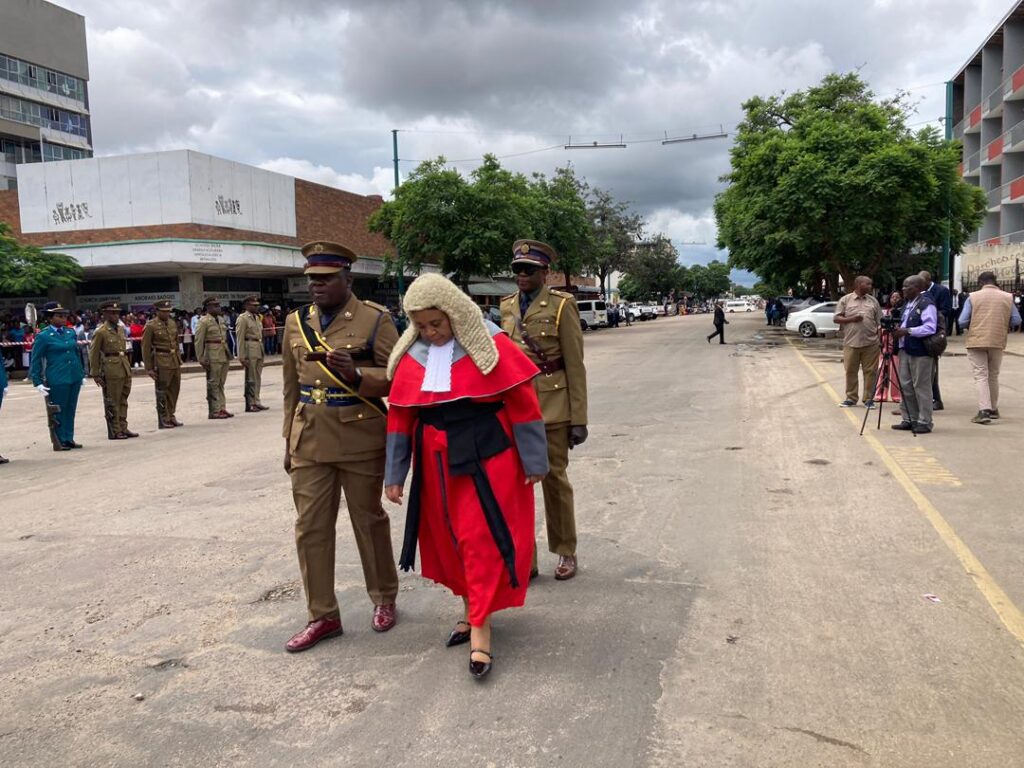
Speaking
at
the
official
opening
of
the
2026
legal
year
at
the
Bulawayo
High
Court,
Justice
Gwaunza
said
court
statistics
showed
an
increase
in
both
civil
and
criminal
cases
across
all
levels
of
the
justice
system
in
the
city.
She
highlighted
that
the
volume
of
cases
received
exceeded
opening
balances
across
the
superior
and
specialised
courts,
citing
an
active
court-user
population
and
continued
public
confidence
in
the
judiciary.
According
to
statistics
presented
by
DCJ
Gwaunza,
the
magistrates’
courts
in
Bulawayo
handled
over
9
000
criminal
cases
in
2025
alone.

“With
specific
reference
to
criminal
matters
in
the
Bulawayo
Magistrates
Court,
the
year
opened
with
an
opening
balance
of
670
cases.
During
the
period
under
review,
the
court
received
8
870
new
criminal
cases,
bringing
the
total
caseload
to
9
540
matters.
Of
these,
8
670
cases
were
finalised,
resulting
in
a
closing
balance
of
870
cases
at
year
end,”
she
said.
“The
criminal
division
of
the
High
Court
recorded
the
highest
volume
of
cases.
The
court
opened
the
year
with
205
matters
and
received
an
additional
5
883
cases,
bringing
the
total
to
6
088
matters.
“Of
these,
5
911
were
finalised,
leaving
a
closing
balance
of
177
cases.
The
court
in
Bulawayo
received
4
665
criminal
reviews
during
2025.
Out
of
these,
4
598
cases
were
completed,
leaving
a
balance
of
only
67.”
DCJ
Gwaunza
added
that
the
High
Court
civil
and
family
divisions
also
recorded
high
caseloads
during
the
year.
“The
High
Court
Civil
Division
recorded
particularly
heavy
volumes.
It
began
the
year
with
1
966
cases
and
received
1
648
new
matters,
resulting
in
a
caseload
of
3
614.
The
court
finalised
2
909
cases,
leaving
a
balance
of
705,”
she
said.
“The
High
Court
Family
Division
dealt
with
3
047
matters
after
opening
with
1
221
cases
and
receiving
1
826
new
filings.
With
2
486
cases
finalised,
the
closing
balance
stood
at
561.
“This
high
number
of
family-related
matters
show
a
society
increasingly
turning
to
formal
legal
mechanisms
to
resolve
domestic
disputes.”
At
the
Supreme
Court
sitting
in
Bulawayo,
DCJ
Gwaunza
said
the
year
opened
with
33
matters
and
received
224
new
cases,
bringing
the
total
workload
to
257.
Of
these,
204
cases
were
finalised,
leaving
a
closing
balance
of
53.
She
noted
that
the
Labour
Court
also
experienced
increased
activity,
dealing
with
355
cases
and
finalising
276.
Despite
praising
the
resilience
and
diligence
of
judicial
officers
and
support
staff,
DCJ
Gwaunza
warned
that
the
high
workload
was
placing
immense
strain
on
the
limited
number
of
judges
and
magistrates,
with
potential
consequences
for
their
health.
“The
sustained
volume
of
cases
continues
to
place
judicial
officers
under
considerable
strain,
with
potential
implications
for
both
institutional
sustainability
and
individual
well-being,”
she
said.
“The
highly
commendable
performances
by
all
the
judges
and
support
staff
within
the
JSC
as
a
whole
should
not
detract
from
the
reality
that
there
is
a
serious
shortage
of
judges
and
magistrates
in
the
country.
“For
instance
here
in
Bulawayo
there
are
only
seven
High
Court
Judges
who
within
the
course
of
2025
tackled
and
completed
very
high
quantities
of
work.
The
shortage
is
making
the
incumbents
operate
under
unbearable
pressure
and
may
ultimately
affect
not
only
the
quality
of
their
work
but
their
health
as
well.”