
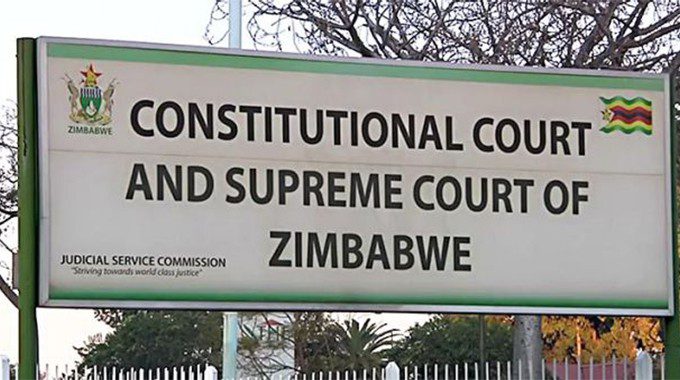
The
proposed
amendment
bill
continues
to
divide
opinion
over
both
its
constitutional
validity
and
the
manner
in
which
Parliament
should
handle
one
of
the
most
consequential
constitutional
amendments
proposed
since
the
adoption
of
Zimbabwe’s
2013
Constitution.
In
an
interview
with
CITE,
Mwonzora
said
the
CAB3
can
still
be
challenged
in
court
once
the
parliamentary
process
is
complete,stating
that
proposed
amendments
violate
constitutional
provisions
relating
to
voting
rights
and
term
limits.
His
comments
come
as
the
debate
over
CAB3
continues
in
Parliament
amid
opposition
from
ordinary
citizens,
some
politicians,
and
constitutional
experts,
who
argue
that
aspects
of
the
bill
require
a
national
referendum.
Asked
whether
there
would
still
be
legal
remedies
available
should
the
bill
sail
through
Parliament,
Mwonzora
was
emphatic.
“Yes,
definitely,
definitely
there
is,”
he
said.
He
explained
that
previous
attempts
to
challenge
the
bill
had
been
hampered
by
the
Constitutional
Court’s
reliance
on
the
“ripeness
principle,”
a
legal
doctrine
which
holds
that
courts
should
not
intervene
before
a
dispute
has
fully
materialised.
“The
Constitutional
Court,
in
order
to
frustrate
people
from
approaching
it,
has
been
using
what
is
called
the
ripeness
principle,”
said
Mwonzora.
“The
ripeness
principle
is
that
the
matter
is
not
yet
ready
for
court.”
According
to
Mwonzora,
when
earlier
court
challenges
were
brought
against
the
proposed
amendments,
judges
questioned
whether
Parliament
would
ultimately
pass
the
bill
in
its
existing
form.
“I
think
when
the
other
court
cases
were
argued
before
the
Constitutional
Court,
the
Constitutional
Court
was
saying,
‘How
do
you
know
that
Parliament
is
going
to
be
irrational?
How
do
you
know
that
Parliament
is
not
going
to
change
this
clause
as
it
stands?’”
he
said.
“So
you
have
to
wait
until
Parliament
becomes
irrational.”
He
argued
once
Parliament
has
completed
its
deliberations
and
approved
the
bill,
any
challenge
based
on
the
final
text
would
be
ripe
for
judicial
determination.
“It
has
to
be
taken
to
the
Constitutional
Court,”
said
Mwonzora.
“I
think
that
the
Constitutional
Court
will
rule
in
favour
of
a
referendum
because
it
has
already
ruled
in
favour
of
a
referendum
when
it
comes
to
extension
of
the
presidential
term
limit.”
Mwonzora
said
he
struggles
to
see
how
the
country’s
highest
court
could
reach
a
different
conclusion
when
confronted
with
arguments
that
CAB3
effectively
alters
Zimbabweans’
voting
rights.
“I
am
yet
to
see
how
else
a
Constitutional
Court
can
rule
if
we
present
it
with
an
argument
that
there
are
people
who
have
been
voting
for
president
over
the
years,”
he
said.
“They
have
no
interest
in
being
in
Parliament,
but
they
are
now
being
told
that
you
can
no
longer
vote
for
president.
Has
their
right
to
vote
not
been
affected?
Has
their
right
to
vote
not
been
amended?”
He
maintained
that
the
issue
is
straightforward
from
a
constitutional
perspective.
“I’m
yet
to
see
the
Constitutional
Court
reason
in
any
other
way.
There
is
absolutely
no
reason.
It’s
a
clear-cut
case,”
he
said.
Meanwhile,
Mwonzora
said
a
secret
ballot
was
necessary
for
Members
of
Parliament
to
vote
on
the
bill
citing
the
current
political
environment
that
makes
it
difficult
for
legislators
to
freely
express
their
views.
He
said
incidents
of
violence
and
intimidation
against
critics
of
CAB3
have
created
a
climate
of
fear
that
could
influence
how
MPs
vote
if
their
positions
are
publicly
known.
“A
secret
ballot
is
necessary
because
as
we
were
going
towards
the
outreach
and
during
the
outreach
and
even
post-outreach,
we
witnessed
violence
meted
against
people
who
were
anti-CAB3,”
he
said.
Mwonzora
cited
several
examples,
including
assaults
on
constitutional
law
expert
Professor
Lovemore
Mhaduku
and
lawyer
Douglas
Coltart,
whose
assailants
have
not
been
brought
to
book.
He
also
pointed
to
alleged
harassment
of
MDC
members
and
journalists
in
Bulawayo,
as
well
as
the
continued
detention
of
some
MDC
youths.
“The
MDC
women
in
Bulawayo
on
two
occasions,
including
journalists
in
Bulawayo,
were
harassed
and
nothing
happened
to
the
assailants.
The
MDC
youths
are
languishing
in
prison
right
now,”
he
said.
According
to
Mwonzora,
MPs
are
fully
aware
of
these
incidents
and
may
fear
repercussions
if
they
openly
oppose
the
bill.
“All
this
is
in
the
view
of
Members
of
Parliament
who
are
going
to
vote,”
he
said.
“These
Members
of
Parliament
know
that
there
is
a
group
of
powerful
people
or
connected
people
that
can
mete
out
violence
on
people
who
don’t
support
CAB3
and
those
people
will
go
scot-free.”
As
a
result,
he
argued,
legislators
may
feel
pressured
if
voting
is
conducted
publicly.
“So
when
they
vote,
they
will
be
afraid
if
they
are
asked
to
vote
by
show
of
hands
or
by
popular
acclamation,
which
is
what
the
Speaker
is
driving
towards,”
he
said.
Mwonzora
criticised
proposals
that
would
allow
voting
through
voice
acclamation,
where
lawmakers
indicate
support
or
opposition
by
shouting
“aye”
or
“nay”.
“By
popular
acclamation,
they
say,
‘those
who
agree
say
aye,
then
those
who
don’t
agree
say
nay,
I
think
the
ayes
have
it.’
They
want
to
judge
by
noise,”
he
said.
He
argued
that
a
secret
ballot
would
better
protect
MPs
from
external
pressure
and
ensure
that
the
outcome
reflects
their
genuine
views.
“If
it
is
by
secret
ballot
then
we
know
that
it
is
the
free
expression
of
the
views
of
the
Members
of
Parliament,
whether
it
is
in
our
favour
or
not,
it
doesn’t
matter,
as
long
as
the
Members
of
Parliament
are
voting
by
their
conscience,”
said
Mwonzora.
“We
still
think
that
they
should
vote
by
secret
ballot.”
Post
published
in:
Featured