
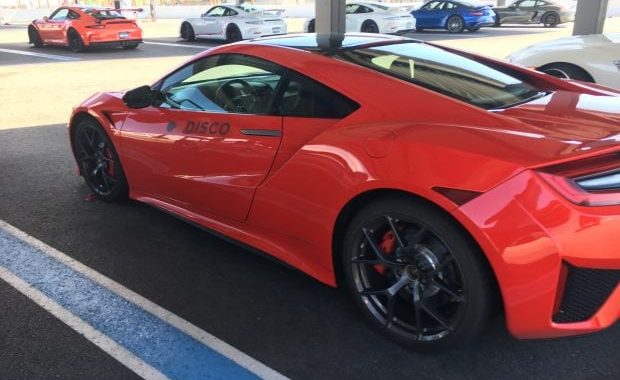

If
you
go
to
a
car
show
or
meetup
in
California
and
see
a
rare
or
exotic
car
such
as
a
Ferrari,
Lamborghini,
or
the
recently
legal
Nissan
R34
Skyline
GT-R,
you
probably
won’t
see
it
wearing
California
license
plates.
You
may
see
them
with
plates
from
Arizona,
Oregon,
Nevada,
or
even
Alaska.
But
the
most
common
license
plate
comes
from
Montana.
Montana
at
one
time
was
heaven
for
car
enthusiasts.
The
Treasure
State
is
known
for
having
very
scenic
driving
roads,
such
as
Beartooth
Highway,
the
Lake
Koocanusa
Scenic
Byway,
and
the
various
roads
in
Yellowstone
National
Park.
Also,
until
recently,
Montana
had
a
very
lax
speeding
law
which
led
Car
and
Driver
Magazine
to
call
it
the
autobahn
of
America.
Since
1974,
in
response
to
the
Emergency
Highway
Energy
Conservation
Act
which
limited
federal
freeway
speed
to
55
miles
per
hour,
Montana’s
anti-speeding
law
fined
violators
a
whopping
$5
(or
$30
in
2026.)
But
in
1998,
a
serial
litigant
ruined
it
for
the
rest
of
us
when
he
contested
his
$5
fine
all
the
way
up
to
the
Montana
Supreme
Court.
A
divided
court
ruled
that
the
$5
fine
was
unconstitutionally
vague.
But
today,
people
who
purchase
expensive
cars
are
getting
Montana
license
plates
not
for
its
scenery
or
its
once
liberal
speed
laws.
Instead,
they
are
getting
them
to
avoid
sales
taxes
and
emissions
rules
in
California
and
other
states.
This
was
typically
done
by
forming
a
Montana
limited
liability
company
(LLC)
wholly
owned
by
a
California
resident
which
would
then
purchase
the
car.
The
LLC
would
then
register
the
car
in
Montana.
The
California
Department
of
Tax
and
Fee
Administration
(CDTFA),
the
agency
responsible
for
collecting
sales
taxes,
has
announced
that,
in
conjunction
with
the
DMV,
they
will
be
cracking
down
on
auto
dealers
who
help
buyers
living
in
California
obtain
Montana
license
plates.
Also,
the
New
York
Times
has
reported
that
California
has
charged
14
people
with
tax
evasion
connected
to
obtaining
Montana
license
plates
for
the
sole
purpose
of
not
paying
California
taxes.
Looking
at
social
media
posts
responding
to
the
article,
the
responses
fall
mainly
into
two
factions.
The
first
group
has
no
sympathy
for
tax
cheats.
The
second
group
of
people
think
the
tax
is
excessive.
The
confusing
part
about
the
latter
group
is
that
many
of
them
paid
thousands
in
sales
taxes
for
their
daily
drivers,
yet
advocate
for
supercar
owners
who
could
probably
afford
to
pay
the
sales
tax
on
their
million-dollar
hypercars.
And
there
are
also
a
few
people
who
are
temporary
residents
such
as
military
or
students.
While
average
people
might
scoff
at
these
elite-world
problems,
registering
an
exotic
car
in
California
is
sometimes
difficult
to
the
point
where
most
people
will
just
take
their
chances
with
a
Montana
license
plate.
California
has
some
of
the
highest
sales
taxes
in
the
nation,
with
most
major
cities
charging
10%
on
average.
There
is
a
legal
way
to
avoid
the
sales
tax
or
use
tax.
A
car
is
not
subject
to
California
use
tax
if
the
car
was
physically
out
of
state
for
the
first
12
months
of
ownership.
Most
megawealthy
car
collectors
will
take
advantage
of
this
by
simply
keeping
the
car
out
of
California
for
the
requisite
period.
It
is
easy
for
them
because
they
don’t
need
to
flex
their
12th
Bugatti
or
LaFerrari
in
Santa
Monica
or
Beverly
Hills.
It
is
cheaper
for
them
to
transport
the
cars
to
a
concourse
show
in
another
state.
But
those
who
toiled
and
saved
to
purchase
a
salvage
title
Ferrari
Mondial
or
got
it
on
a
12-year
payment
plan
at
12%
interest
need
to
post
a
video
of
them
driving
it
out
of
the
lot
while
tagging
#Ferrari
and
#GlorytoGod.
And
these
people
will
go
to
car
shows
posting
their
social
media
handles
for
all
to
see,
including
tax
investigators.
These
social
media
posts
will
be
used
as
evidence
of
physical
presence.
The
other
problem
when
it
comes
to
registering
cars
in
California
is
its
strict
emissions
rules.
In
the
past,
California
had
huge
amounts
of
smog.
Those
who
grew
up
in
the
1950s
and
1960s
would
remember
their
eyes
burning
when
they
went
outside
because
of
the
smog.
In
response,
California
established
the
California
Air
Resources
Board
(CARB)
which
later
implemented
the
federal
Clean
Air
Act.
The
state
enacted
laws
that
required
cars
to
have
catalytic
converters
and
perform
regular
smog
tests.
This
dramatically
reduced
smog
emissions
in
California.
Recently,
auto
enthusiasts
have
claimed
that
CARB
has
gone
too
far
with
their
regulations.
In
2021,
CARB
ruled
that
any
car
that
has
a
modified
Electronic
Control
Unit
(ECU)
will
automatically
fail
a
smog
check
unless
the
modification
is
approved
by
CARB.
The
problem
is
that
getting
this
approval
(known
as
an
Executive
Order)
is
very
difficult
to
get
and
is
near
impossible
for
your
DIY
hobbyist.
This
rule
came
in
response
to
people
driving
diesel
trucks
modifying
their
engines
to
blow
black
smoke
in
the
air
—
commonly
known
as
“rolling
coal.”
But
the
rule
effectively
made
it
difficult
or
even
impossible
to
tune
cars.
Another
regulation
problem
involving
CARB
is
its
treatment
of
imported
vehicles,
called
Direct
Import
vehicles
in
California.
These
are
cars
made
overseas
but
not
sold
in
the
U.S.
This
includes
cars
like
the
Audi
RS
4
Avant
Station
Wagon,
the
E36
European-spec
BMW
M3
with
320
horsepower,
small
Japanese
kei-cars
such
as
the
Honda
Beat
and
Suzuki
Cappuccino,
and
the
Nissan
Skyline.
It
is
not
enough
for
the
car
to
be
over
25
years
old
which
makes
the
car
legally
importable
into
the
U.S.
In
California,
it
must
go
through
its
own
compliance
and
modification
process.
The
process
is
intensive.
It
requires
a
CARB-approved
modifier,
such
as
equipping
special
catalytic
converters,
and
oxygen
sensors,
to
name
a
few.
Once
the
requisite
modifications
are
done,
it
is
taken
to
a
CARB
lab
for
emissions
testing.
If
it
fails,
then
it
is
back
to
the
drawing
board,
where
more
modifications
are
done.
Finally,
once
it
passes
the
CARB
lab
test,
it
is
taken
to
a
Bureau
of
Automotive
Repair
(BAR)
referee
for
inspection.
Once
the
referee
approves,
it
will
receive
a
BAR
sticker
and
then
the
car
can
finally
be
registered
in
California.
The
compliance
process
mentioned
above
can
take
months.
There
have
been
reports
that
it
can
take
up
to
six
months.
Usually
the
process
will
take
less
time
if
the
car
is
fully
stock
with
no
modifications.
Unsurprisingly,
the
process
is
expensive.
Smaller
cars
are
charged
a
few
thousand
dollars
while
high-end
cars
can
be
charged
up
to
$15,000.
Also,
only
one
company
in
California
has
the
credentials
to
do
this,
which
pretty
much
creates
a
consumer-unfriendly
monopoly.
Given
the
time
and
money
required
to
make
the
car
emissions
compliant
in
California,
with
fees
high
enough
to
buy
a
used
car
in
some
cases,
many
people
will
just
take
the
risk
and
cut
corners.
We
will
see
whether
California
is
serious
about
going
after
people
using
Montana
plates.
But
CARB
also
needs
to
make
their
compliance
rules
easier
and
cheaper
so
people
will
not
need
to
turn
to
Montana
plates.
If
there
is
interest,
I
will
write
a
follow-up
column
on
how
CARB
can
make
it
easier
for
imported
cars
to
be
in
smog
compliance
and
how
states
can
step
up
their
game
to
go
after
tax
cheats.
Steven
Chung
is
a
tax
attorney
in
Los
Angeles,
California.
He
helps
people
with
basic
tax
planning
and
resolve
tax
disputes.
He
is
also
sympathetic
to
people
with
large
student
loans.
He
can
be
reached
via
email
at [email protected].
Or
you
can
connect
with
him
on
Twitter
(@stevenchung)
and
connect
with
him
on LinkedIn.