

Trump
administration
lawyers
have
crossed
ethical
lines
that
would
sink
any
other
practitioner.
They’ve
lied
to
courts
repeatedly.
They’ve
supported
others
lying
under
oath.
They’re
driving
career
prosecutors
out
of
work
but
turning
the
Justice
Department
into
a
vector
for
corrupt
dealmaking.
They
tried
to
launch
a
criminal
probe
of
a
woman
they
killed
even
though
you
can’t
file
criminal
charges
against
a
dead
person.
And
they
go
out
in
public
to
cheer
on
violent
threats
against
judges.
Politico
collected
over
2,300
federal
court
decisions
where
law
enforcement
illegally
detained
people…
there
are
lawyers
behind
each
of
these.
Some
of
these
incidents
—
in
a
rational
world
—
would
incur
criminal
liability.
But
in
a
post-Trump
v.
United
States
world,
the
executive
branch
enjoys
actual
or
practical
absolute
immunity
for
all
manner
of
lawlessness.
And
that’s
before
Trump
inevitably
pardons
the
whole
legal
team
on
his
way
out
the
door.
Qualified
immunity
and
a
legal
system
actively
hostile
to
civil
liability
for
constitutional
violations
will
protect
them
from
everything
else.
There’s
only
one
avenue
for
realistically
holding
any
of
these
lawyers
accountable.
State
licensing
authorities
don’t
have
to
respect
contrived
immunities
or
federal
pardons.
The
only
concern
of
professional
licensing
is
fitness
to
practice
the
profession.
Trump’s
lawyers
are
engaged
in
professional
misconduct
at
scale
and
authorities
don’t
have
to
let
them
keep
their
licenses.
As
attorneys,
we
all
have
an
obligation
to
the
profession
and
the
public
to
make
sure
these
people
never
work
as
lawyers
again.
So
far,
bar
authorities
have
whiffed
on
their
duties.
Lindsey
Halligan,
the
insurance
lawyer
who,
until
recently,
pretended
to
be
the
“Interim”
U.S.
Attorney
in
the
Eastern
District
of
Virginia,
kept
signing
documents
after
a
judge
pointed
out
that
she
had
no
legal
authority.
When
a
second
judge
asked
why
she
continued
to
defy
the
court’s
orders,
Halligan’s
bosses,
AG
Pam
Bondi
and
Deputy
AG
Todd
Blanche,
responded
in
a
filing
filled
with
more
vitriol
than
legal
support.
A
professional
ethics
watchdog
flagged
Halligan’s
behavior
for
bar
authorities
in
Virginia
who
brushed
it
off
as
none
of
their
business.
Even
the
judge
who
called
out
Halligan
refused
to
refer
her
for
discipline
noting
her
“inexperience.”
Not
for
nothing,
but
the
duty
of
competence
makes
taking
on
a
legal
task
without
sufficient
expertise
an
ethical
violation
all
of
its
own!
Rather
than
letting
her
off
the
hook,
her
inexperience
should
just
get
added
to
the
heap
of
potential
ethical
violations
stemming
from
turning
in
an
indictment
without
running
it
by
the
grand
jury
and
discussing
confidential
aspects
of
an
ongoing
investigation
with
a
reporter
in
a
failed
effort
to
craft
a
PR
narrative.
“Whether
criminal
indictments
were
obtained
through
material
misrepresentations
of
fact
and
done
for
political
purposes
falls
within
the
authority
of
the
court
to
determine
and
not
this
office,”
Virginia’s
last
line
of
defense
against
professional
misconduct
wrote
at
the
time.
That
is,
to
put
it
charitably,
complete
horseshit.
Bar
authorities
exist
precisely
because
unethical
conduct
often
doesn’t
rise
to
the
level
of
court
intervention.
The
whole
point
of
professional
discipline
is
to
address
behavior
that
renders
someone
unfit
to
practice
law.
It’s
not
about
criminality,
it’s
about
fitness
to
practice.
Should
the
public
trust
a
lawyer
who
lied
to
a
court
in
an
attempt
to
ramrod
a
federal
criminal
case
against
someone
on
the
president’s
enemies
list?
Judge
James
Boasberg
found
“probable
cause”
to
hold
the
government
in
criminal
contempt
after
DOJ
lawyer
Drew
Ensign
told
him
deportation
flights
weren’t
taking
off
when
they
absolutely
were.
Ensign
later
had
to
admit
in
another
case
that
the
government
falsely
claimed
Guatemalan
children’s
parents
had
requested
their
return
when,
in
fact,
“none
of
these
children’s
parents
had
asked
for
them
to
be
sent
back.”
It’s
hard
to
believe
this
amounts
to
Ensign’s
own
incompetence
either.
Before
securing
a
lifetime
appointment
to
the
Third
Circuit,
Emil
Bove
allegedly
told
DOJ
lawyers
to
tell
courts
“fuck
you,”
if
judges
tried
to
put
the
brakes
on
illegal
deportations.
DOJ
whistleblower
Erez
Reuveni
says
he
was
pressured
to
make
false
assertions
to
courts
and
was
fired
for
refusing
to
lie.
Text
messages
show
DOJ
lawyers
reacting
to
the
Ensign’s
representations
to
the
court
with
“Oh
shit.
That
was
just
not
true.“
Model
Rule
3.3
could
not
be
clearer:
“A
lawyer
shall
not
knowingly
make
a
false
statement
of
fact
or
law
to
a
tribunal.”
Model
Rule
8.4
prohibits
conduct
“involving
dishonesty,
fraud,
deceit,
or
misrepresentation”
and
conduct
“prejudicial
to
the
administration
of
justice.”
If
these
allegations
are
remotely
true,
these
aren’t
even
particularly
close
calls.
If
the
behavior
is
already
in
spitting
distance
of
a
judge
putting
a
lawyer
in
a
jail
cell,
then
it’s
more
than
enough
to
suspend
licenses.
Immediately
after
ICE
agents
shot
and
point
blank
killed
VA
nurse
Alex
Pretti,
Pam
Bondi
wrote
Minnesota
governor
Tim
Walz
representing
that
the
administration
would
remove
its
agents
—
who
are,
to
date,
responsible
for
two
of
the
three
total
homicides
in
the
state
of
Minnesota
in
2026
—
if
Minnesota
agreed
to
hand
over
voter
information
to
the
federal
government
in
violation
of
applicable
law.
Using
a
prosecutorial
office
to
extort
officials
to
break
state
laws
seems,
well,
not
particularly
ethical.
This
is
assembly
line
professional
misconduct.
If
lying
to
federal
judges
about
your
premediated
plan
to
ignore
court
orders
doesn’t
warrant
discipline,
what
does?
If
using
the
threat
of
criminal
charges
or
law
enforcement
action
to
exact
political
concessions
doesn’t
cross
the
line,
where
exactly
is
the
line?
There
are
more
than
enough
rules
to
cite.
Competence,
candor,
special
prosecutorial
duties,
extrajudicial
communications,
general
misconduct…
spin
the
wheel
and
throw
a
dart
and
a
serious
disciplinary
counsel
should
find
ample
evidence
to
back
an
investigation.
Even
with
a
well-greased
revolving
door
between
government
service
and
lucrative
private
sector
work,
one
might
think
law
firms
would
hesitate
to
hitch
their
reputations
to
lawyers
involved
in
public
misconduct.
But
if
2025
taught
us
anything,
it’s
that
there
will
be
employers
willing
to
compromise
their
principles
to
appease
the
people
backing
this
administration.
The
only
guarantee
that
these
people
face
any
accountability
instead
of
sliding
into
cushy,
lucrative
positions
disgracing
the
legal
profession
from
a
corner
office
involves
professional
discipline.
Local
bars
and
disciplinary
authorities
must
treat
these
cases
as
what
they
are:
serious,
documented
violations
of
core
ethical
duties.
If
state
bar
authorities
lack
the
courage
to
enforce
professional
rules,
they
should
be
replaced.
The
profession
belongs
to
us.
Protecting
its
reputation
from
those
dragging
it
through
the
mud
is
on
us,
or
it’s
on
no
one.
If
a
jurisdiction
doesn’t
give
members
a
path
to
replace
disciplinary
authorities
falling
down
on
the
job,
then
launch
campaigns
to
oust
whoever
does.
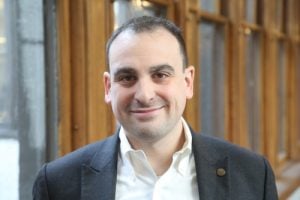 Joe
Joe
Patrice is
a
senior
editor
at
Above
the
Law
and
co-host
of
Thinking
Like
A
Lawyer.
Feel
free
to email
any
tips,
questions,
or
comments.
Follow
him
on Twitter or
Bluesky
if
you’re
interested
in
law,
politics,
and
a
healthy
dose
of
college
sports
news.
Joe
also
serves
as
a
Managing
Director
at
RPN
Executive
Search.