

The
Trump
administration’s
crackdown
on
fraud,
waste
and
abuse
continues,
with
the
Department
of
Justice
last
week
launching
a
new
effort
targeting
healthcare
fraud.
The
DOJ
rolled
out
a
strike
force
targeting
healthcare
fraud
in
Arizona,
Nevada
and
Northern
California.
The
new
strike
force
—
which
the
DOJ
is
calling
its
“West
Coast”
healthcare
fraud
strike
force
—
comes
seven
months
after
the
department
launched
a
similar
strike
force
going
after
healthcare
fraud
in
Massachusetts.
Florida
is
not
on
this
list
yet,
even
though
it
has
a
reputation
for
healthcare
fraud,
but
it
might
be
next.
Experts
think
the
new
strike
force
reflects
the
federal
government’s
broader
effort
to
adapt
its
fraud
enforcement
to
industries
that
are
becoming
more
data-driven
and
tech-enabled
each
day.
Why
these
regions?
The
new
West
Coast
strike
force
is
an
expansion
of
a
longstanding
enforcement
model
that
dates
back
to
the
late
2000s,
according
to
Meredith
Williams.
She
is
currently
a
counsel
at
Barnes
&
Thornburg,
but
prior
to
that,
Williams
spent
two
decades
working
as
senior
counsel
for
HHS’
Office
of
Inspector
General.
Williams
said
these
strike
forces
were
created
to
rapidly
deploy
federal
prosecutors
and
investigators
into
regions
flagged
as
fraud
hot
spots,
and
this
model
has
long
been
used
by
agencies
like
DOJ,
FBI,
DEA
and
HHS-OIG
to
pursue
large-scale
criminal
healthcare
fraud
schemes.
The
Trump
Administration
launched
its
first
healthcare-specific
fraud
task
force
in
Massachusetts
because
the
state
is
one
of
the
country’s
largest
healthcare
and
life
sciences
hubs
—
and
of
course,
its
latest
decision
to
deploy
its
personnel
in
Arizona,
Nevada
and
Northern
California
wasn’t
random,
either.
The
DOJ
has
recently
pursued
several
massive
fraud
cases
in
Arizona
tied
to
Medicaid
billing,
sober
homes
and
wound
care
schemes
that
allegedly
cost
taxpayers
billions
of
dollars.
And
in
Nevada,
federal
officials
have
been
investigating
a
sharp
increase
in
suspected
Medicare
and
hospice
fraud,
fueled
in
part
by
the
state’s
rapidly
growing
senior
population.
According
to
the
most
recent
annual
report
that
the
Medicare
Payment
Advisory
Commission
(MedPAC)
provides
to
Congress,
hospice
provider
growth
has
exploded
in
a
handful
of
states
—
including
Arizona,
Nevada
and
California
—
at
a
pace
that
far
exceeds
the
rest
of
the
country.
The
report
highlighted
several
red
flags
that
regulators
commonly
associate
with
fraud,
including
sudden
spikes
in
the
number
of
providers
despite
no
matching
increase
in
patient
need,
patients
staying
in
hospice
unusually
long,
clusters
of
providers
operating
from
the
same
address,
and
patients
frequently
leaving
hospice
alive.
California
became
such
a
concern
that
the
state
temporarily
stopped
issuing
new
hospice
licenses
and
tightened
oversight
laws,
the
report
noted.
As
for
Northern
California
in
particular,
the
region
is
an
epicenter
for
the
new
AI
tools
that
are
becoming
more
and
more
embedded
into
the
U.S.
healthcare
system.
As
AI
and
advanced
technology
continue
to
play
a
great
role
in
fraud,
the
DOJ
is
sending
more
enforcement
agents
to
the
area
to
try
to
detect
and
disrupt
complex
schemes
earlier
and
at
scale,
Williams
said.
She
also
noted
that
federal
regulators
are
seeing
a
spike
in
fraud
schemes
that
span
multiple
states,
including
controlled
substance
cases
involving
telehealth
companies
prescribing
medications
across
state
lines.
The
strike
force
model
is
designed
to
surge
resources
into
these
regions,
such
as
additional
prosecutors,
investigators
and
data
analysts.
By
doing
so,
the
DOJ
is
aiming
to
bust
large-scale
healthcare
fraud
schemes
sooner,
Williams
said.
If
the
DOJ
winds
up
launching
another
region-specific
healthcare
fraud
task
force,
Florida
could
be
the
next
target.
Williams
noted
that
the
Trump
administration
launched
a
fraud
probe
in
the
state’s
Medicaid
program
in
March.
Putting
the
industry
on
notice
Williams
stressed
that
the
DOJ’s
current
focus
is
on
egregious
criminal
conduct,
such
as
pill
mills
and
sham
operations
billing
for
nonexistent
services
—
so
she
doesn’t
think
legitimate
digital
health
companies
have
much
to
worry
about,
as
long
as
they
can
prove
their
compliance
with
the
law.
Williams
added
that
advanced
claims
analytics
are
helping
authorities
distinguish
between
bad
actors
and
compliant
providers.
“It’s
a
reminder
to
providers
and
digital
health
companies
that
this
is
a
very
highly
regulated
landscape,
and
they
need
to
have
a
robust
compliance
program.
They
need
to
be
aware
of
the
laws
and
regulations
that
they’re
navigating,
and
they
need
to
have
the
right
policies
and
processes
in
place
—
like
internal
auditing,
for
example
—
to
make
sure
that
they
stay
in
the
right
lane.
I
think
that’s
really
the
message,”
Williams
remarked.
She
pointed
out
that
the
new
strike
also
builds
on
the
DOJ’s
recent
investments
in
data-driven
enforcement,
including
last
summer’s
launch
of
the
Healthcare
Fraud
Data
Fusion
Center,
which
was
established
so
the
DOJ,
FBI,
DEA
and
HHS-OIG
can
share
their
analytics
and
identify
fraud
schemes
more
quickly.
Another
legal
expert
—
Ty
Howard,
a
former
federal
prosecutor
who
is
currently
a
partner
and
chair
of
government
enforcement
and
investigations
at
Bradley
Arant
Boult
Cummings
—
noted
that
both
the
government
and
industry
are
becoming
more
sophisticated
in
using
data
analytics.
In
his
eyes,
this
strengthens
the
DOJ’s
enforcement
capabilities
but
could
also
increase
scrutiny
on
providers
whose
billing
patterns
or
compliance
practices
may
appear
unusual,
even
if
they
are
legitimate.
“With
data
analytics,
the
problem
is
that
some
very
legitimate
uses
and
billing
patterns
are
going
to
still
get
attention.
So
be
prepared
for
that,”
Howard
declared.
Since
the
DOJ
will
be
combing
through
data
at
such
a
massive
scale,
not
all
anomalies
or
flagged
patterns
will
necessarily
indicate
wrongdoing
—
some
might
simply
reflect
actual
clinical
variation
or
business
growth
that
look
atypical
in
aggregate
datasets
but
are
fully
appropriate
in
practice,
he
explained.
Howard
thinks
the
new
strike
force’s
biggest
near-term
impact
is
likely
deterrence.
He
believes
providers
and
digital
health
companies
will
be
more
likely
to
review
their
own
compliance
programs,
consult
legal
counsel
and
audit
their
internal
operations
—
because
even
being
flagged
for
review
can
carry
real
business
costs,
Howard
said.
He
believed
the
DOJ’s
increasing
focus
on
healthcare
fraud
could
raise
the
compliance
bar
for
the
industry,
especially
in
areas
like
telehealth
and
e-prescribing,
where
regulatory
lines
can
be
less
clear
and
federal
scrutiny
is
increasing.
A
new
type
of
fraud
risk
The
launch
of
the
new
strike
force
is
welcome
news
for
Mary
Inman,
a
partner
at
Whistleblower
Partners,
which
represents
whistleblowers
in
healthcare
fraud
cases.
Coordinated
strike
forces
increase
the
likelihood
whistleblower
allegations
will
actually
be
investigated
and
acted
on,
she
noted.
She
pointed
out
that
healthcare
fraud
is
being
supercharged
by
AI,
which
allows
nefarious
schemes
to
scale
more
quickly
and
become
more
complex
—
which
makes
enforcement
efforts
like
this
all
the
more
necessary.
Inman
also
highlighted
a
major
emerging
risk
area
is
the
healthcare
vendor
space,
where
companies
are
rapidly
developing
and
then
marketing
AI
tools
for
tasks
like
coding,
billing
and
compliance.
Sometimes,
these
startups
overstate
their
capabilities
or
lack
a
true
understanding
of
regulatory
requirements,
she
said.
“I
call
it
‘AI
washing’
—
a
lot
of
vendors
are
trying
to
get
a
competitive
advantage
by
saying,
‘We’re
applying
AI,’
when
sometimes
they
don’t
even
have
that
ability.
And
most
importantly,
they
may
not
have
knowledge
of
the
industry,
but
they
use
AI
and
the
trappings
of
AI
to
try
and
get
more
customers,”
Inman
remarked.
She
noted
that
this
is
a
type
of
healthcare
fraud
that
hasn’t
received
much
federal
attention,
but
that
could
start
to
change
if
the
DOJ
continues
to
scale
its
enforcement
efforts.
This
can
create
new
compliance
risks
for
providers
and
payers
using
AI-enabled
billing
software,
especially
if
human
oversight
is
removed
and
coding
decisions
are
automated,
she
added.
Max
Voldman,
another
partner
at
Whistleblower,
recalled
a
case
he
worked
on
in
which
New
York-based
payer
Independent
Health
was
accused
of
using
a
“rudimentary
natural
language
processing”
tool
to
automate
risk
adjustment
coding.
“It
was
picking
up
things
like
‘does
not
have
depression’
as
‘depression’
because
it
can’t
read
[qualifiers]
and
just
picks
up
keywords.
It
was
submitting
those
for
reimbursement
from
the
government,”
he
explained.
That
case
ended
up
being
settled
for
nearly
$100
million
in
2024.
Voldman
believes
this
type
of
fraud
—
the
kind
that
arises
from
AI
vendors
overselling
their
technology
—
is
only
going
to
get
worse
in
the
coming
years.
Inman
agreed,
pointing
to
the
rapid
influx
of
investment
dollars
into
healthcare
AI
startups.
“A
lot
of
people
who
may
not
have
had
the
means
to
roll
out
a
new
startup
can
do
that
because
there’s
so
much
enthusiasm
among
investors
in
this
kind
of
technology,
which
is
why
Northern
California
is
definitely
ground
zero,”
she
remarked.
In
many
ways,
the
West
Coast
strike
force
could
be
a
warning
shot
aimed
at
the
industry’s
next
frontier
of
tech-enabled
fraud.
As
investors
pour
more
resources
into
healthcare
AI
automation,
and
as
these
tools
become
more
deeply
woven
into
healthcare’s
clinical
and
administrative
workflows,
regulators
are
trying
to
evolve
their
enforcement
efforts
at
the
same
pace.
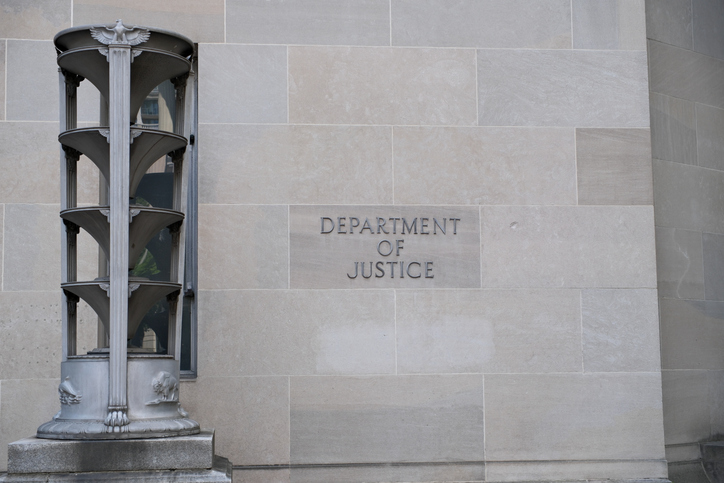
Photo:
Neal
McNeil,
Getty
Images