

The
key
to
jury
selection
is
deselecting
jurors
who
are
harmful
to
your
case
and
selecting
favorable
jurors.
Each
side
is
trying
to
strike
bad
jurors
and
keep
good
ones,
which
means
you’re
trying
to
strike
their
favorable
jurors
and
they’re
trying
to
strike
yours.
Some
argue
that
this
ensures
unbiased
jurors
presiding
over
the
case.
I
don’t
believe
that.
Mr.
and
Mrs.
America,
it
is
2025
in
the
fine
U.S.
of
A,
and
not
one
of
us
is
unbiased.
None
of
us,
in
this
current
social
and
political
culture,
is
without
firmly
held
opinions,
views,
and
perspectives.
And
if
at
the
end
of
jury
selection,
you
don’t
know
much
about
one
juror
or
another,
or
believe,
mistakenly,
they
don’t
have
strong
views
on
something,
likely
an
issue
related
to
your
case,
then
your
jury
selection
was
incomplete.
Jury
selection
is
not
the
time
to
convince
the
panel
to
see
the
case
through
your
client’s
eyes.
The
goal
is
to
find
and
remove
those
who
will
not
and
to
build
a
panel
that
leans
toward
your
client
or
at
least
will
keep
an
open
mind
and
listen
to
your
evidence.
The
key
to
jury
selection
is
to
identify
biased
jurors,
expose
their
bias
on
the
record,
and
commit
them
to
their
bias
to
lay
the
foundation
for
a
cause
challenge.
These
jurors
will
never
see
the
case
through
your
client’s
eyes,
and
because
of
that,
they
must
go.
Peremptory
challenges
are
limited.
Cause
challenges
are
not
—
so
long
as
you
lay
the
predicate
to
support
them.
Jury
selection
starts
before
jury
selection
starts,
namely,
securing
the
juror
list
as
soon
as
possible
to
conduct
your
due
diligence.
Know
what
your
jurisdiction
and
judge
allow
when
it
comes
to
snooping
around
a
juror’s
background,
and
work
within
those
confines.
For
example,
search
all
public
records
–
criminal
history,
litigation
history,
home
ownership,
party
affiliation,
bankruptcies,
divorces,
traffic
infractions,
etc.
Search
social
media
–
everything
that
is
publicly
available
–
Facebook,
Instagram,
TikTok,
LinkedIn,
Reddit,
X
(formerly
Twitter),
YouTube
–
but
don’t
try
to
connect
or
friend
the
juror
(that’s
unethical).
Do
a
web
browser
search
–
business
ownerships,
websites,
articles
about
them,
online
resumes
–
anything
and
everything
about
them.
Some
investigators
charge
a
fee
for
this
service,
or
you
can
train
your
team
to
do
this.
Define
your
worst
juror
profile
–
the
juror
most
likely
to
hurt
your
case.
These
are
the
jurors
you’re
homing
in
on
and
with
whom
you’re
having
conversations
to
draw
out
their
biases.
Know
what
questioning
the
judge
conducts,
how
much
time
you’re
allowed,
and
the
scope
of
your
permissible
questioning.
And
whenever
possible,
have
the
prospective
jurors
complete
a
juror
questionnaire.
This
will
provide
you
with
more
information
about
them
and
facilitate
your
research
on
them.
When
questioning
prospective
jurors,
do
the
following:
-
Build
a
rapport. -
Frame
bias
as
human
and
common
to
all
of
us.
“We’ve
all
had
experiences
that
shape
our
views.” -
Ask
open-ended
questions. -
Listen
more
than
speak. -
Restate
and
confirm
bias. -
Move
quickly
from
general
to
specific.
Don’t
do
the
following:
- Lecture.
- Argue.
- Embarrass.
-
Let
them
rehabilitate
themselves. -
Spend
time
with
favorable
jurors. -
Do
the
other
side’s
work
for
them.
In
personal
injury
cases
(which
I
defend),
common
issues
I
probe:
-
Litigation
philosophy
–
how
they
favorably
or
unfavorably
view
personal
injury
suits. -
Burden
of
proof
–
whether
they
will
follow
the
standard
or
raise
or
lower
it
(especially
in
cases
where
my
client
has
admitted
liability). -
Damages
–
how
they
value
money
for
injuries,
especially
for
pain
and
suffering. -
Authority
&
Institutions
–
their
view
of
authority,
corporations,
corporate
defendants,
etc. -
Personal
Responsibility
–
their
view
of
whether
they
control
their
life
or
life
happens
to
them. -
Victimhood
–
their
view
of
whether
they
are
victims
and
others
are
to
blame
for
their
lives,
conditions,
and
situations. -
Case-specific
issues
–
specific
factual
matters
related
to
your
case. -
Who
they
are
–
if
they
could
have
any
job,
what
would
it
be?
If
they
could
be
anywhere
other
than
the
courtroom,
where
would
they
be
and
what
would
they
be
doing? -
Leaders
or
followers
–
evaluate
whether
they
lead
or
follow
at
their
jobs,
in
their
lives,
and
at
home. -
“Friend
and
Family”
questions
–
sometimes
jurors
hide
their
own
biases
but
reveal
them
through
people
they
know
–
“What
does
your
family
think
about
a
case
like
this?”
Exposing
bias
is
straightforward:
-
Funnel
questions,
starting
with
broad,
to
personal,
to
case-specific. -
Probe
their
life
experiences.
Ask
jurors
to
discuss
circumstances
that
may
affect
their
view
of
your
case. -
Normalize
their
bias
by
telling
them
that
it’s
normal
for
them
to
have
strong
feelings
and
it’s
safe
to
share
those
views. -
Listen
for
extreme
words
like
“always,”
“never,”
and
the
like.
Commit
jurors
to
their
bias:
-
Reveal
their
bias. -
Restate
their
bias. -
Confirm
their
inability
to
set
aside
their
bias. -
Elicit
key
words
like
“always,”
“never,”
“would
start
at
a
disadvantage,”
etc. -
Don’t
fix
a
bad
juror
–
make
them
worse.
Use
the
1-10
approach:
-
Ask
the
juror
how
strongly
they
hold
their
view
on
a
1-10
scale. -
Your
job
is
to
get
them
to
move
up
that
scale. -
If
they
say
a
“6,”
ask
them
if
it
could
be
a
“7,”
and
then
an
“8,”
and
so
on. -
This
is
a
tricky
approach,
because
a
juror
may
provide
a
low
number
and
not
move
from
that
number.
Keeping
that
in
mind,
you
can
say,
“It
sounds
like
on
a
scale
of
1-10,
you
feel
strongly
about
that,
let’s
say
a
9
or
even
10.”
Question
all
the
jurors:
-
Some
jurors
are
shy
and
hate
speaking
publicly.
It’s
up
to
you,
politely
and
safely,
to
get
them
to
open
up. -
Ask
open-ended
questions
and
don’t
let
them
demur
or
avoid
your
questions.
I
would
rather
know
what
all
jurors’
opinions
are
and
upset
some
along
the
way
than
make
every
juror
comfortable
and
not
know
what
a
juror
thinks.
Plant
your
trial
themes:
-
They
say
you’re
not
supposed
to
try
your
case
during
jury
selection.
Some
judges
will
let
you,
to
a
degree. -
Introduce
your
theme
and
see
which
jurors
reject
it
and
which
embrace
it.
Jury
selection
is
primarily
about
deselecting
biased
jurors
by
laying
the
foundation
for
cause
challenges.
I’m
not
worried
about
poisoning
the
jurors
if
someone
has
statements
that
show
bias
against
my
client
and
my
case.
I
want
to
expose
those
opinions,
I
want
them
discussed,
and
I
want
other
jurors
to
feel
comfortable
expressing
their
biases
and
committing
themselves
to
those
biases.
The
worse
stuff
that
comes
out,
the
better.
The
more
free-wheeling
and
open
the
jurors
are
about
their
biases,
the
better.
The
last
thing
I
want
is
a
biased
juror
on
my
jury.
And
everyone
these
days
has
such
strong
opinions
that
no
one
is
going
to
change
their
mind
because
a
mouthy
juror
says
he
hates
my
client
or
my
case.
Dig
with
each
juror,
and
if
you
sense
bias,
explore
and
reveal
it,
and
if
a
juror
views
the
world
as
your
client
and
you
do,
don’t
reveal
their
biases
for
the
other
side
to
exploit
and
get
them
stricken
for
cause.
There
is
no
such
thing
as
an
unbiased
jury.
Your
job
is
to
have
their
bias
favor
your
client
and
your
case.
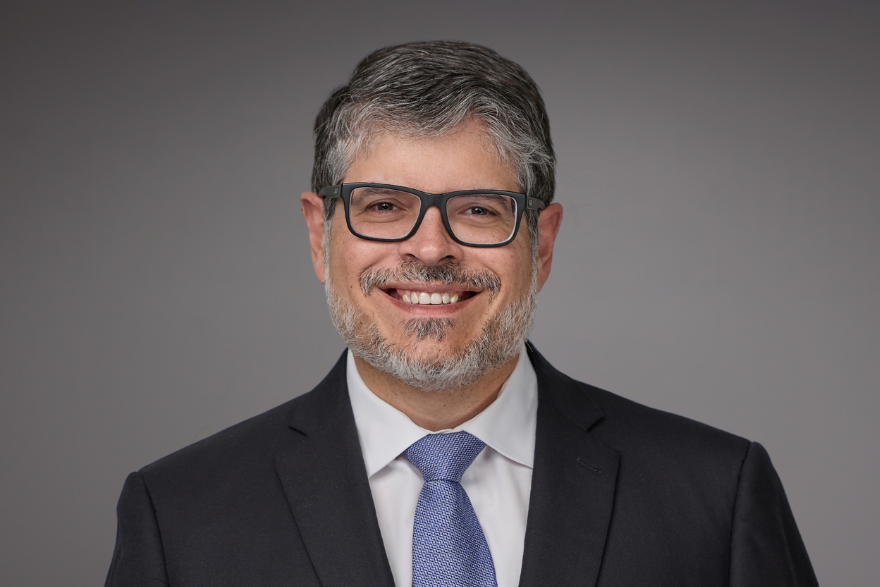
Frank
Ramos
is
a
partner
at
Goldberg
Segalla
in
Miami,
where
he
practices
commercial
litigation,
products,
and
catastrophic
personal
injury. You
can
follow
him
on LinkedIn.