
Last
Monday,
the
Department
of
Homeland
Security
(DHS)
posted
a
one-minute
video
on
X
(formerly
Twitter)
and
other
social
media
platforms,
splicing
together
clips
from
the
Pokémon
anime
intro
with
footage
of
border
patrol
agents
arresting
individuals,
all
set
to
the
first
season’s
theme
song.
The
post’s
caption
was
the
famous
tagline
“Gotta
Catch
‘Em
All!”
At
the
video’s
end,
it
displayed
Pokémon
cards
featuring
photos
of
convicted
criminals
facing
potential
deportation.
The
U.S.
Customs
and
Border
Protection
(CBP)
account
replied,
announcing
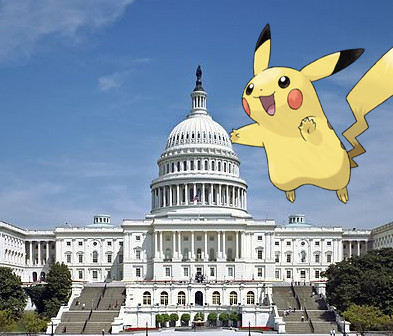
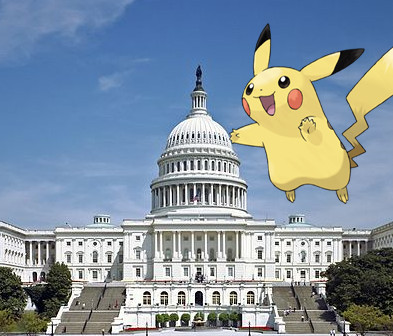
Pikachu
as
its
newest
recruit.
The
post
quickly
went
viral,
amassing
over
63.7
million
views
on
X
alone,
along
with
more
than
175,000
likes
and
15,000
replies.
Reactions
were
sharply
divided:
some
users
found
it
hilarious
and
praised
its
creativity,
while
others
condemned
it
as
dehumanizing
and
inappropriate,
especially
for
using
a
children’s
franchise
to
promote
immigration
enforcement.
Commenters
from
both
sides
speculated
on
how
Nintendo
would
respond,
given
the
company’s
reputation
for
aggressively
enforcing
its
intellectual
property
rights
—
evidenced
by
actions
like
issuing
DMCA
takedowns
against
over
8,500
GitHub
repositories
for
the
Yuzu
emulator
in
2024
and
targeting
hundreds
of
fan
games
on
platforms
like
Game
Jolt
in
multiple
waves
since
2016.
As
of
now,
Nintendo
and
The
Pokémon
Company
have
not
issued
any
public
statement
on
the
matter,
despite
requests
for
comment
from
media
outlets.
However,
Nintendo
has
at
least
three
viable
options.
The
first
is
to
do
nothing,
allowing
the
post
to
fade
from
public
attention
as
the
DHS
shifts
to
other
content.
This
approach
aligns
with
the
company’s
low-profile
strategy
on
publicity.
The
second
option
is
to
file
a
formal
copyright
complaint
with
social
media
companies
like
X,
requesting
the
post’s
removal.
While
rights
holders
can
submit
these
directly,
a
surge
of
user
reports
can
also
prompt
action.
Given
Nintendo’s
history,
this
could
be
effective
without
escalating
to
litigation.
The
third
option
is
to
sue
the
federal
government
for
copyright
infringement.
The
U.S.
government
has
waived
sovereign
immunity
for
patent
and
copyright
claims
under
statutes
like
28
U.S.C.
§
1498.
However,
limitations
apply:
the
case
must
be
filed
in
the
U.S.
Court
of
Federal
Claims
(which
lacks
jury
trials),
and
if
a
government
contractor
is
involved,
they
may
have
immunity,
redirecting
the
suit
to
the
government
itself.
So,
what
should
Nintendo
do?
Don
McGowan,
former
chief
legal
officer
for
The
Pokémon
Company,
argued
for
inaction
in
a
statement
to
IGN:
“I
don’t
see
them
doing
anything
about
this
for
a
few
reasons.
First,
think
of
how
little
you
see
[The
Pokémon
Company
International]’s
name
in
the
press.
They
are
INSANELY
publicity-shy
and
prefer
to
let
the
brand
be
the
brand.
Second,
many
of
their
execs
in
the
USA
are
on
green
cards.
Even
if
I
was
still
at
the
company
I
wouldn’t
touch
this,
and
I’m
the
most
trigger-happy
CLO
I’ve
ever
met.
This
will
blow
over
in
a
couple
of
days
and
they’ll
be
happy
to
let
it.”
While
doing
nothing
might
seem
straightforward,
it
risks
alienating
fans
who
view
it
as
tacit
endorsement
of
the
Trump
administration’s
policies,
potentially
leading
to
backlash.
Moreover,
the
post’s
massive
virality
could
encourage
DHS
to
produce
more
Pokémon-themed
content.
Conversely,
suing
the
government
would
likely
exacerbate
the
situation.
Litigation
is
typically
slow,
costly,
and
could
draw
unwanted
negative
publicity
to
Nintendo.
Filing
a
copyright
complaint
with
social
media
platforms
appears
the
most
balanced
approach.
The
post’s
high
visibility
might
prompt
swift
moderator
action.
There
are
precedents
of
DHS
posts
incorporating
others’
IP
being
removed,
though
it’s
often
unclear
if
this
was
voluntary
or
enforced.
In
deciding,
Nintendo
must
weigh
its
customer
base’s
reactions
amid
ongoing
gaming
culture
wars.
Vocal
factions
include
progressive
“woke”
advocates
and
anti-“woke”
critics
chanting
“go
woke,
go
broke.”
Offending
either
could
spark
boycott
calls,
though
these
groups
often
represent
a
minority.
The
silent
majority
tends
to
prioritize
gameplay
over
politics.
Still,
political
messaging
has
partially
contributed
to
financial
flops,
such
as
Sony’s
Concord
—
a
hero
shooter
with
an
estimated
development
budget
of
between
$200
million
and
$400
million.
It
sold
only
about
25,000
units
across
PS5
and
PC
before
being
pulled
offline
just
two
weeks
after
its
August
2024
launch
due
to
poor
sales
and
reviews.
Pokémon
remains
the
world’s
highest-grossing
media
franchise,
with
cumulative
revenue
exceeding
$113.7
billion
as
of
2025,
driven
by
games,
cards,
merchandise,
and
more.
It’s
highly
unlikely
Nintendo
would
permit
DHS
to
use
Pikachu
as
a
mascot
or
equate
Pokémon
with
convicted
criminals.
To
preserve
this
brand’s
immense
value,
Nintendo
must
respond
—
or
not
—
strategically,
even
if
it
means
tuning
out
the
loudest
voices.
Steven
Chung
is
a
tax
attorney
in
Los
Angeles,
California.
He
helps
people
with
basic
tax
planning
and
resolve
tax
disputes.
He
is
also
sympathetic
to
people
with
large
student
loans.
He
can
be
reached
via
email
at
[email protected].
Or
you
can
connect
with
him
on
Twitter
(@stevenchung)
and
connect
with
him
on LinkedIn.