
Virginia
Sibanda
worries
that
her
17-year-old
daughter
will
be
forced
to
elope
with
one
of
the
well-off
local
men
or
one
of
the
many
gold-panners
that
have
descended
on
the
nearby
Runde
River
in Zimbabwe’s
parched
Mwenezi
district.
Ravaged
by
drought
and
dry
spells over
the
past
few
years
–
a
situation
compounded
by
the
loose
soil,
sand,
and
clay
washed
into
the
waterways
by
the
panners
–
Mwenezi,
in
Zimbabwe’s
Masvingo
province,
is
one
of
the
poorest
villages
in
Zimbabwe,
where a
total
of
1.5
million
are
facing
hunger according
to
the
UN’s World
Food
Programme (WFP).
“Everyday
I
worry
and
fear
that
my
daughter
will
fall
pregnant
for
one
of
these
gold-panners
who
often
come
to
flash
money
in
the
community
or
that
she
might
be
enticed
into
having
sex
with
one
of
the
elderly
men
that
are
better
off,”
Sibanda
says.
“Those
who
are
panning
for
gold
are
able
to
get
some
money
and
they
are
using
that
money
to
entice
young
girls
into
sex,
with
several
young
girls
in
the
community
falling
pregnant.
I
fear
that
my
daughter
will
fall
for
this
because
of
our
situation,”
she
adds.
International
development
and
humanitarian
financing
from
the
United
States
–
under
the United
States
Agency
for
International
Development (USAID)
–
and
from
other
western
countries
had
been
pivotal
in
providing
food
aid
and
in
supporting
income
generating
projects
in
Zimbabwe.
With
the
impacts
of
the
climate
crisis
becoming
more
frequent
and
disruptive,
international
aid
has
been
a
key
intervention
in
resilience
and
adaptation.
However
after
the
Trump
administration
essentially
shut
down
USAID
last
year,
communities
in
the
region
have
been
hammered
hard
and
families
left
struggling
and
desperate.
Sibanda’s
daughter
dropped
out
of
school
after
the
USAID
agricultural
support
and
food
assistance
that
was
sustaining
her
family
was
abruptly
cut.
The
little
money
that
Sibanda
could
spare
for
school
fees
when
USAID
was
helping
to
provide
food
aid
is
now
being
channeled
towards
survival,
with
the
family
living
on
only
one
meal
a
day.
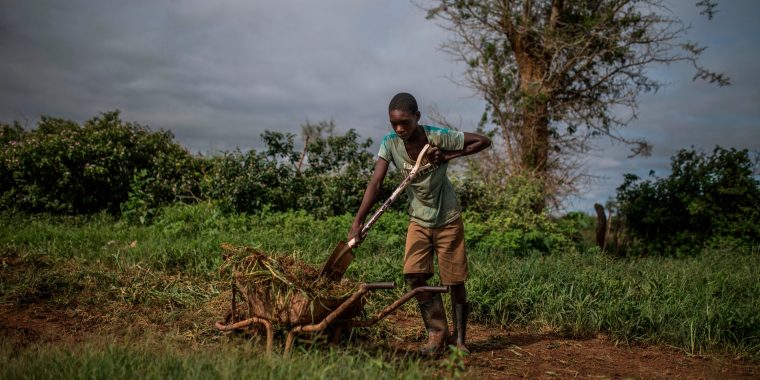
have
been
left
struggling
thanks
to
drought (AFP
via
Getty
Images)
Dropping
her
daughter,
and
another
of
her
children,
out
of
school
was
a
painful
but
necessary
decision
for
the
family.
Sometimes
Sibanda
stays
awake
at
night,
pondering
over
the
future
of
her
children
tears
welling
up
in
her
eyes
as
she
describes
the
family’s
plight
and
her
fears
over
her
daughter’s
prospects
with
life.
“There
are
no
jobs;
there
is
nothing
to
talk
about
regarding
employment
prospects,”
she
says.
An
outbreak
of
January
Disease
–
a
tick-borne
disease
prevalent
during
the
rainy-season
from
December
to
March
–
has
decimated
family
cattle
herds
in
that
people
in
Mwenezi
often
sell-off
to
sustain
livelihoods
or
pay
for
school
feeds.
Earlier
rains
for
the
current
cropping
season
brought
hopes
of
bumper
harvests
but
that
too
is
quickly
turning
to
despair
as
the
current
and
lengthier
dry
spell
in
several
of
the
country’s
provinces
has
dented
expectations
of
meaningful
yields
of
the
staple
maize
crop.
The
UN’s
WFP
and
Food
and
Agriculture
Organisation
have
been
providing
food
assistance
in
other
parts
of
Mwenezi
and
Zimbabwe
but
not
in
Sibanda’s
area
this
year.
The
WFP
says
it
is
stretched
for
resources;
where
it
was
planning
to
assist
538,000
people
with
food
assistance
during
the
current
season,
it
will
only
manage
to
provide
food
aid
to
fewer
than
200,000
people
in
four
of
Zimbabwe’s
10
provinces.
‘A
high
increase
in
poverty’
Yet
it’s
not
just
in
Zimbabwe
where
communities
that
counted
on
international
aid
funding
for
livelihood
and
food
programs
are
now
struggling
to
move
on
with
life
after
the
shutdown
of
USAID.
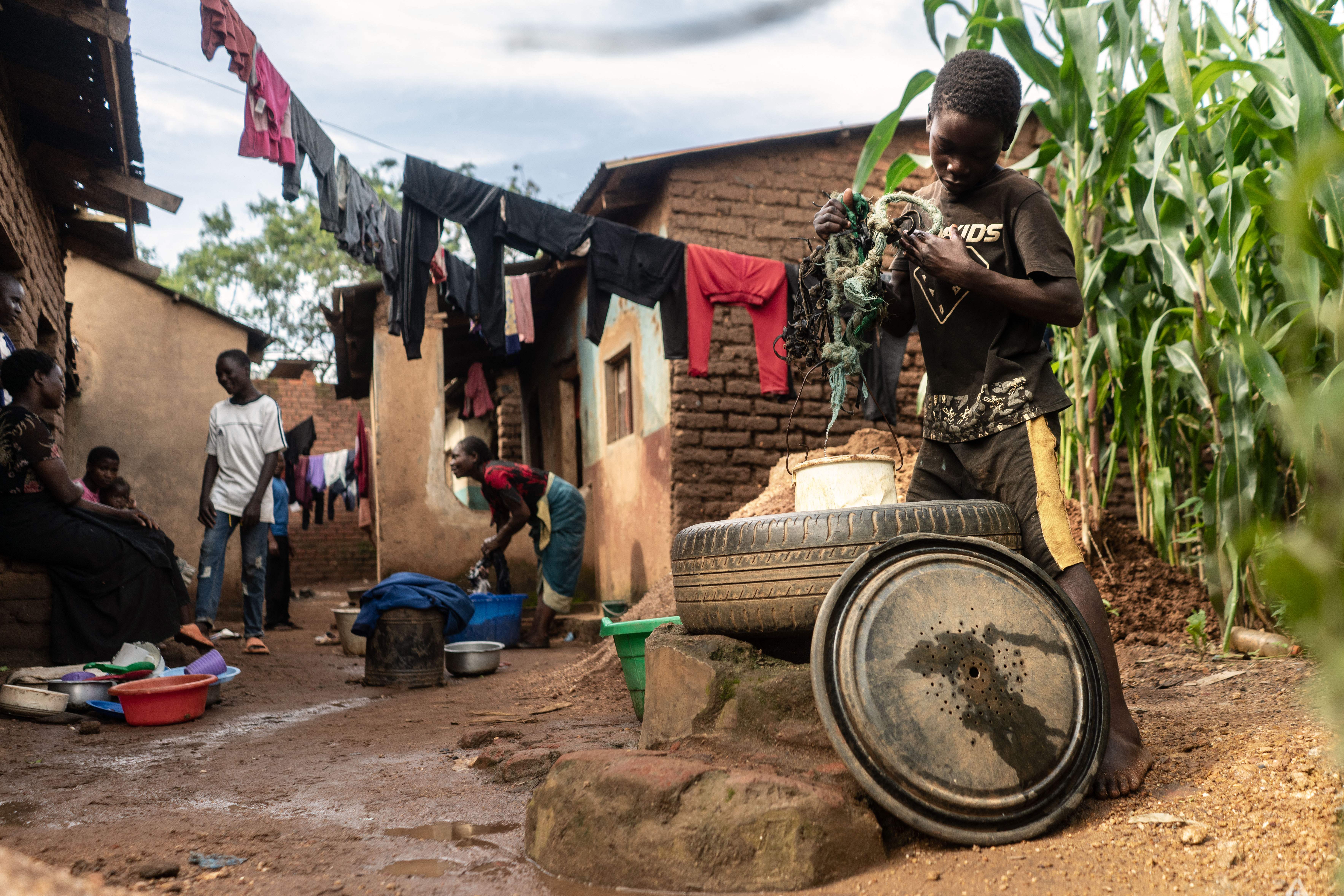
has
also
been
hit
hard
by
Donald
Trump’s
aid
cuts (AFP
via
Getty
Images)
In
neighbouring
Malawi,
the
level
of
vulnerability
and
poverty
has
intensified
since
Trump
slashed
aid
funding,
Sekai
Mudonhi,
Malawi
country
representative
for
Catholic
Relief
Services
(CRS),
tells The
Independent.
“Agriculture
programmes…
have
been
affected
by
the
aid
funding
cuts
and
once
agriculture
is
affected
you
will
have
a
high
increase
in
food
insecurity
and
the
poverty
and
level
of
vulnerability
just
increases,”
she
says.
Funded
by
USAID
and
other
donors,
CRS
and
other
Catholic
charities
such
as
CAFOD
taught
farmers
in
Southern
Africa
new
agriculture
techniques to
adapt
to
climate
change
impacts,
helping
to
reduce
these
issues.
They
also
helped
to
drill
boreholes
in
dry
areas,
bringing
to
life
gardens
that
also
acted
as
income
generating
projects
for
communities
and
individual
rural
farmers.
One
of
the
projects
that
CRS
ran
in
Malawi
involved
the
disbursement
of
cash
transfers
to
communities
which
assisted
with
buying
of
food
after
climate
shock
events
such
as
cyclones,
flooding
and
droughts.
“They
[communities]
were
banking
on
that
support,”
says
Mudonhi,
adding
that
she
and
her
team
–
most
of
whom
have
also
had
to
be
laid
off
–
“had
to
go
back
to
the
communities
and
tell
them
that
that
support
will
no
longer
be
coming”
due
to
the
new
policy
under
Trump.
‘I
can’t
imagine
what
they
are
going
through’
In
Zimbabwe,
Amos
Batisayi
has
also
witnessed
first-hand
the
impact
of
the
withdrawal
of
US
and
other
international
funding.
He
worked
with
the
Mwenezi
District
Training
Center
(MDTC),
a
local
NGO
that
utilised
USAID
funding
for
community
development
and
humanitarian
programs
in
the
Masvingo
province.
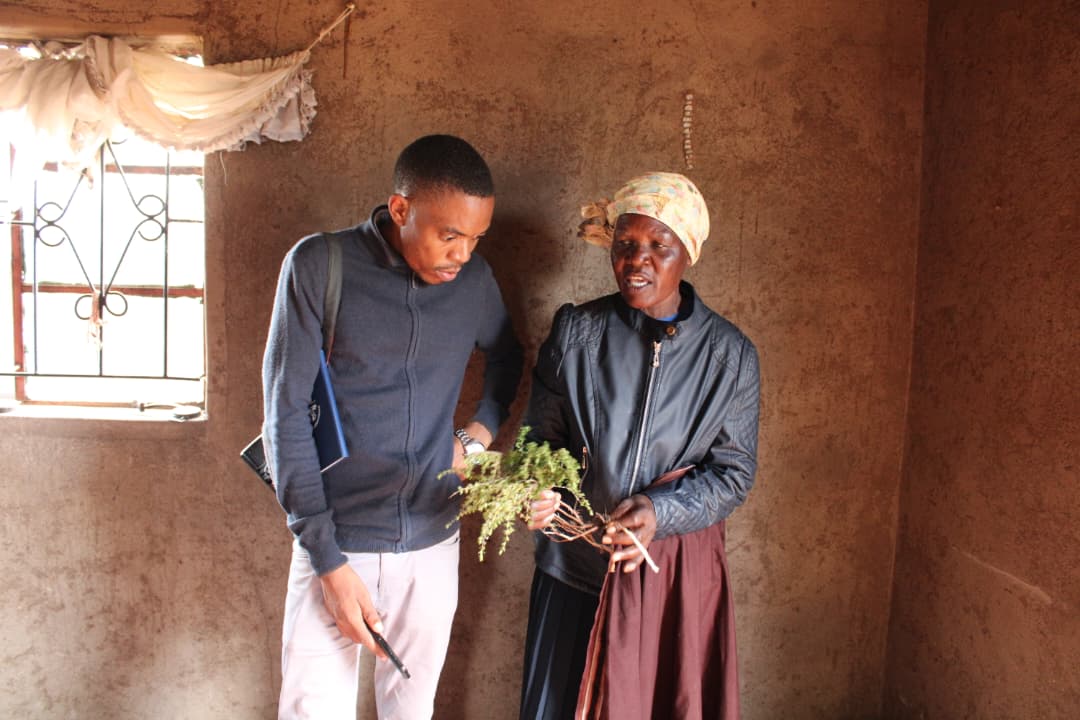
Batisayi
speaks
to
one
of
the
female
beneficiaries
of
Mwenezi
District
Center
for
Training
(MDTC)
in
Zimbabwe.
US
funding
for
most
of
these
programmes
was
cut
by
the
Trump
administration
in
2025 (Mwenezi
District
Center
for
Training
(MDTC))
He
says
that
the
organisation
was
targeting
dry
areas
with
boreholes
for
water
access
for
agriculture
and
community
water
drinking
in
remote
areas.
MDTC,
using
USAID
funding,
also
ran
vocational
training
programmes
for
unemployed
youths
and
provided
support
for
income
generating
projects
in
remote
areas
such
as
Chiredzi.
With
USAID
shut
down,
irrigation
schemes
and
gardens
that
had
been
brought
to
life
through
rehabilitation
and
drilling
of
new
boreholes
are
now
in
trouble.
This
means
that
communities
in
remote
and
hard
to
reach
areas
such
as
Chiredzi
where
villagers
walk
up
to
three
miles
(five
kilometres)
to
get
to
the
nearest
water
source
are
now
struggling.
“Now
all
these
programmes
have
all
stopped
and
this
means
that
our
communities,
villagers
and
farmers
are
no
longer
able
to
generate
an
income,
making
their
lives
all
the
more
difficult;
I
cant
imagine
what
they
are
going
through,”
Batisayi
says.
One
such
beneficiary
of
the
USAID-funded
programs
under
MDTC
was
Silence
Ncube
from
Ramadhaka
Village
in
Chiredzi
South,
some
270
miles
from
the
capital
Harare.
Ncube
enrolled
for
vocational
training
as
a
bricklayer
through
financial
assistance
from
USAID
while
others
in
her
community
were
given
the
ability
to
start
raising
chickens
and
begin
vegetable
gardening.
This,
she
says,
provided
valuable
skills,
income
opportunities
and
access
to
clean
water.
But
when
the
stop
orders
for
financing
of
such
initiatives
under
USAID
were
issued
by
the
Trump
administration
last
year,
Ncube
and
her
community
were
hit.
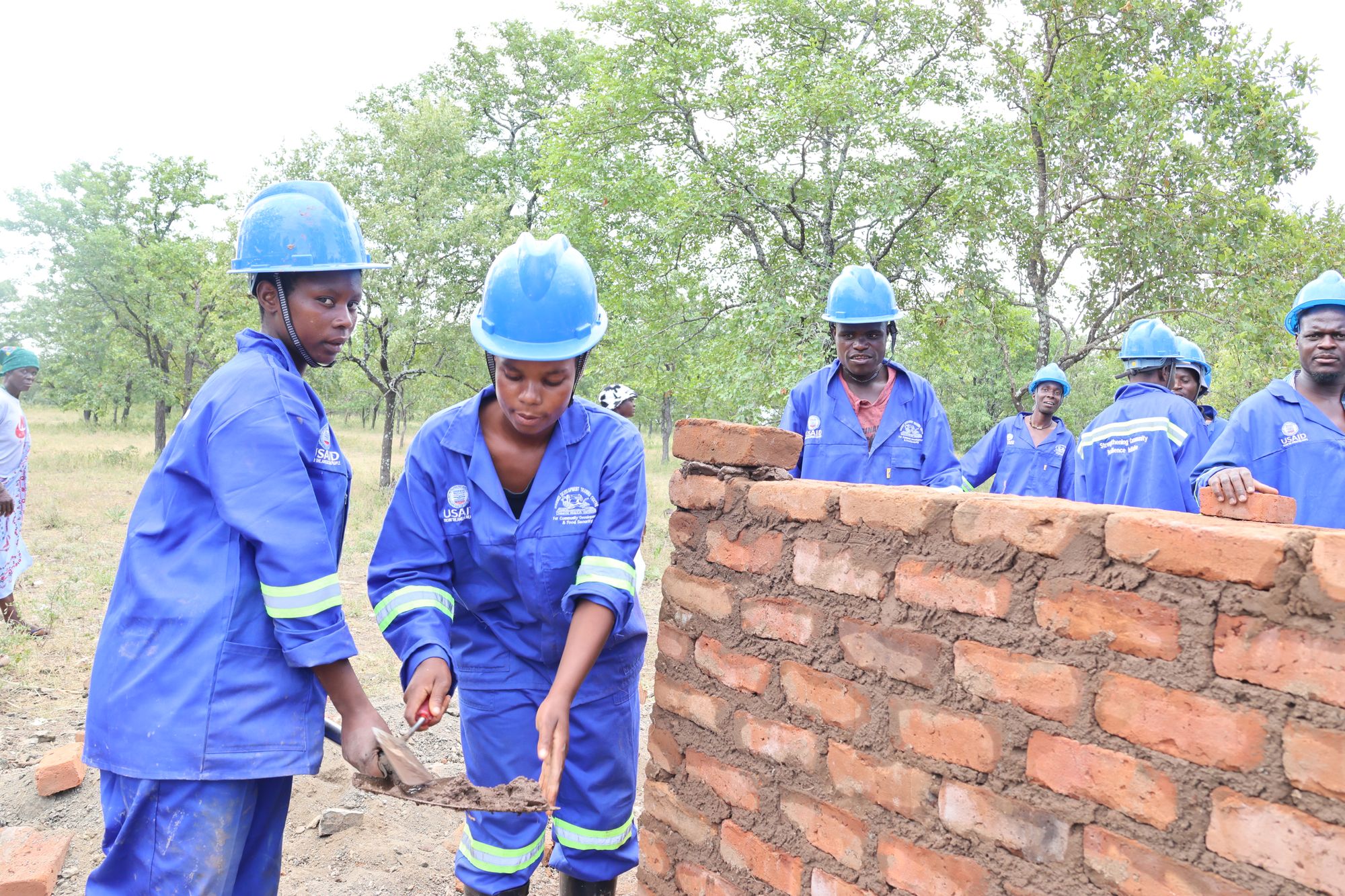
Ncube
and
Meriyini
Baloyi
constructing
pit
latrine
toilet
at
Ramadhaka
community
Borehole
in
Chiredzi.
USAID
supported
vocational
training
for
community
members (Mwenezi
District
Center
for
Training
(MDTC))
Their
lives
and
sources
of
livelihoods
ground
to
a
halt
and
hopes
for
the
future
turned
bleak.
Today,
they
are
“struggling
to
move
on
with
life”,
she
says.
‘The
energy
to
go
panning’
The
challenges
of
the
severe
drop
in
US
funding
have
prompted
NGOs
–
previously
focused
more
on
competition
to
secure
funding
–
to
increasingly
focus
on
collaboration
and
sharing
of
resources,
skills
and
data.
It
is
a
shift
that
is
fuelling
a
broader
rethink
regarding
international
aid,
according
to
Matthias
Spaeth,
Zimbabwe
country
director
for
Welt
Hunger
Hilfe.
He
says
that
the
problem
of
international
aid
funding
cuts
is
bigger
than
USAID,
as
countries
like
the
UK
also
cut
funding.
He
adds
that
his
biggest
fear
regarding
the
impact
of
cuts
to
development
aid
is
that
“nothing
changes”
in
the
future
and
the
cuts
come
coming
at
a
time
when
communities
are
in
dire
need.
Back
in
Mwenezi,
Sibanda
hopes
that
one
day
soon
donors
such
as
the
UN
agencies
that
will
return
assist
with
food
rations
so
that
she
can
be
able
to
go
and
pan
for
gold
–
the
price
of
which
has
skyrocketed
on
international
markets.
“If
we
can
get
donors
who
can
assist
us
with
food
then
we
can
have
the
energy
to
go
panning
for
gold
or
if
we
are
lucky
we
can
get
some
money
for
income
generating
programmes
such
as
farming,”
she
says.
This
article
has
been
produced
as
part
of
The
Independent’s Rethinking
Global
Aid project