
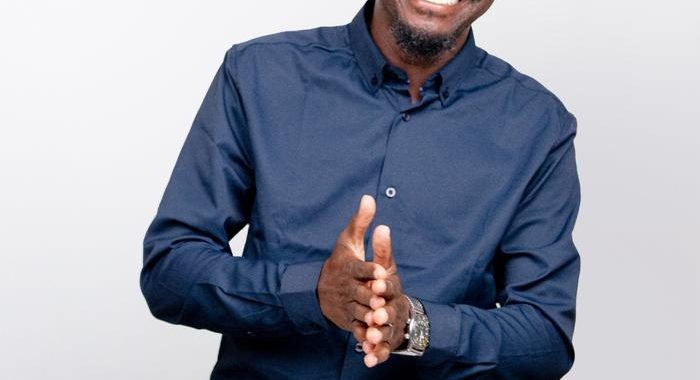

In
February,
Blessed
Mhlanga,
the
host
of
the
Zimbabwean
digital
news
and
talk
show Free
Talk,
was
arrested
and
charged
with inciting violence.
Mhlanga,
who
is
forty-five,
had recently interviewed a
war
veteran
and
former
intelligence
officer
who
has
emerged
as
a
leading
critic
of
Zimbabwean
president
Emmerson
Mnangagwa,
although
the
exact
precipitating
event
for
his
arrest
was
not
made
clear.
Six
years
after
the death of
Robert
Mugabe,
who
brutally
ruled
the
country
for
nearly
forty
years,
Zimbabwe
is
still
not
an
easy
place
to
practice
journalism.
While
the
country’s
latest
constitution
technically
guarantees
the
freedom
of
expression
and
media
rights,
the
country
typically
scores
low
in
global freedom and corruption indexes.
In
recent
years, according to
Reporters
Without
Borders,
Mnangagwa’s
government
has
stepped
up
efforts
to
suppress
critical
voices,
including
signing
a
new
cybersecurity
law
that,
among
other
things,
makes
the
online
distribution
of
information
deemed
false punishable by
up
to
five
years’
imprisonment.
In
July,
Faith
Zaba,
the
editor
of
the Zimbabwe
Independent,
was arrested for
“undermining
or
insulting
the
authority
of
the
president,”
after
publishing
a
satirical
opinion column that
called
Zimbabwe
a
“mafia
state.”
Mnangagwa,
who
was
a
close
ally
of
Mugabe,
has
been seeking
to
amend
the
constitution to
allow
him
to
run
for
a
third
term,
in
2028.
All
this
has
pushed
Mhlanga
to
create
a
space
for
critical
voices.
In
2022,
he
and
another
journalist,
Chengeto
Chidi, were
arrested and
had
their
recording
devices
damaged
while
attempting
to
document
the
detention
of
an
opposition
politician.
Earlier
this
year,
Mhlanga
faced
a
police
investigation
after
he
interviewed
the
political
activist Jealousy
Mawarire,
who
alleged
that
Mnangagwa
was
engaged
in secret
efforts
to
sell a
state-owned
bank
to
private
investors.
His
latest
prosecution
earned
him
ten
weeks
in
prison
before
he
was
granted
provisional
release,
pending
trial.
This
conversation,
conducted
over
WhatsApp,
has
been
edited
for
concision
and
clarity.
NA:
Why
do
you
think
the
authorities
arrested
you—and
why
were
you
later
released?
BM:
I
would
not
know
the
real
motives
behind
my
arrest
and
detention.
Whether
it
was
meant
to
silence
me
or
instill
fear
in
me,
what’s
certain
is
that
it
achieved
the
opposite.
I
was
denied
bail
three
times—twice
by
the
Magistrates
Court
and
once
at
the
High
Court.
I
don’t
know
on
what
grounds
they
denied
me
bail
because
our
constitution
makes
bail
a
right
which
should
only
be
denied
where
there
are
compelling
reasons
to
do
so.
In
my
case,
there
were
none,
and
therefore
the
courts
were
supposed
to
grant
me
bail
at
my
first
appearance.
I
can
only
therefore
say
after
seventy-two
days
of
jailing
an
innocent
journalist,
they
could
not
keep
him
in
prison
any
longer
because
of
international
and
local
pressure.
I
was
ordered
to
pay
five
hundred
dollars’
bail,
report
every
Friday
to
the
police,
stay
at
my
given
address,
and
surrender
my
passport.
What
was
prison
like?
It
was
hell
on
earth.
I
suffered
emotionally
as
I
was
jailed
for
no
crime
in
the
section
where
the
most
dangerous
criminals
are
found.
Physically,
I
slept
in
overcrowded
cells
infested
with
bedbugs
and
managed
by
cruel
prison
guards
who
think
dehumanizing
accused
persons
is
their
job.
I
survived
because
of
solidarity
and
support
from
fellow
inmates
and
the
outside
world.
It
was
also
expensive.
The
government
has
no
capacity
to
provide
food
for
inmates.
The
food
they
feed
inmates
with
is
not
fit
for
human
consumption.
So
having
my
family
bring
me
food
every
day
was
a
very
expensive
exercise.
They
would
visit
twice
a
day
and
would
cook
food
for
about
five
people.
Also,
bribes
have
to
be
paid
to
get
access
to
other
important
services,
like
body
lotion
and
toilet
paper.
What
is
your
talk
show
about?
My
show
is
a
sociopolitical
talk
show
which
focuses
on
current
affairs
in
Zimbabwe.
It
is
not
just
a
platform
to
ensure
that
the
powerful
are
held
accountable,
but
it
also
offers
a
voice
to
all
Zimbabweans
as
a
nation-building
tool.
We
allow
new
ideas
to
be
shared,
filtered,
and
subjected
to
scrutiny.
We
also
give
a
voice
to
victims
of
state-sponsored
violence
to
share
their
stories
and
horrors.
I
believe
it’s
one
of
the
most
powerful
platforms
in
the
country,
with
more
than
fifteen
million
views
over
the
three
years
that
I
have
been
hosting
it.
You’re
not
afraid
to
interview
provocative
guests.
Do
you
think
you
are
being
targeted
for
what
you
cover?
It
is
mere
speculation
that
these
interviews
are
what
led
to
my
arrest;
it
might
be
mere
smoke,
but
honestly
anything
is
possible
with
the
Harare
regime.
Since
I
am
still
on
bail
and
the
matter
is
before
the
courts,
I
wish
to
refrain
from
saying
things
that
might
disrespect
the
process.
However,
what
is
clear
is,
I
was
arrested
for
allegedly
transmitting
messages
that
could
cause
violence.
[The
war
veteran’s]
messages
were
actually
from
a
press
conference
and
were
broadcast
on
HSTV,
which
has
over
twenty
employees.
Out
of
all
the
twenty,
they
chose
to
arrest
me,
for
reasons
I
don’t
know.
So
maybe
those
who
suspect
that
it’s
because
my
talk
show
is
ruffling
feathers
might
be
right.
What
do
you
make
of
the
current
state
of
press
freedom
in
Zimbabwe?
What
is
it
like
to
be
a
journalist
there
today?
There
is
no
freedom
of
expression
in
Zimbabwe,
regardless
of
the
fact
that
the
constitution
protects
it.
Only
those
who
control
guns
and
police
can
exercise
this
freedom.
Once
others
do
the
same,
the
state
descends
on
them
heavily
and
ruthlessly,
with
impunity.
Those
who
praise
the
regime
enjoy
their
freedoms.
Press
freedom
to
me
means
the
right
to
share
ideas,
opinions,
and
critiquing
that
of
others
without
having
to
worry
about
who
will
follow
you
home.
I
can
compare
[the
practice
of
journalism
in
Zimbabwe]
with
what
it’s
like
in
South
Africa,
where
our
peers
are
respected,
well
paid,
and
better
resourced.
In
Zimbabwe,
it
takes
a
lot
of
passion
and
determination
to
practice
this
trade.
The
government
treats
you
like
an
enemy;
you
are
poorly
paid
and
under-resourced.
However,
if
you
don’t
do
the
job,
the
nation
might
never
recover.
I
do
what
I
do
because
it
matters
for
the
nation,
and
not
because
I
am
safe
or
I
get
any
benefit.
It
doesn’t
sound
like
it’s
any
better
than
it
was
under
Mugabe.
The
two
are
just
two
sides
of
the
same
coin.
Mugabe
at
least
had
some
class;
the
current
crop
is
crass
and
careless.
It’s
more
dangerous
today
than
it
was
under
Mugabe.
Has
your
prosecution
changed
you
as
a
person
or
journalist?
I
have
not
changed.
I
remain
a
journalist
who,
at
the
core,
loves
shining
the
light
in
dark
places
in
an
effort
to
ensure
accountability
and
transparency
by
public
officials.
Instead
of
changing
me,
the
experience
tested
my
resolve
and
commitment
to
the
profession.
Now
I
am
more
motivated
and
committed
to
our
readers
and
viewers
than
ever.
It’s
difficult
to
shake
off
the
emotional
scar,
which
is
deep
and
disturbing.
My
doctors
have
been
taking
me
through
counseling,
and
it’s
a
difficult
journey.
But
I
shall
overcome.
Post
published
in:
Featured