

THIS
country
is
now
133
years
old
since
the
first
European
settlers
took
occupation
in
1893.
My
father
once
said
to
me
that
he
could
not
think
of
an
extended
period
when
we
had
stability
and
growth.
Life
in
this
country
was
always
a
roller
coaster.
Just
when
you
think
we
are
at
last
getting
our
act
together,
we
do
something
to
disrupt
the
occasion.
Our
political
leaders
have
all
served
for
long
periods
of
time:
Lord
Malvern
for
37
years,
Ian
Smith
for
15,
Robert
Mugabe
37
years.
I
know
from
my
experience
of
corporate
management
that
it
is
impossible
to
remain
fresh
and
innovative
for
these
prolonged
periods
in
high
stress
positions.
This
was
recognised
by
our
current
government
when
they
limited
the
tenure
of
all
top
civil
servants
and
business
executives
to
two
terms
of
five
years.
Our
current
president
came
to
power
in
2018
after
he
won
the
elections
in
that
year.
After
2008,
the
2018
elections
were
about
as
representative
as
you
could
get.
I
attended
his
inauguration
along
with
another
60,000
Zimbabweans
and
dozens
of
dignitaries
and
heard
him
pledge
to
respect
and
honour
the
constitution
that
we
as
a
country
had
adopted
in
2013
with
93
percent
of
the
vote.
Since
then,
he
has
served
his
first
term
of
five
years
plus
another
three
and
has
two
years
to
go
until
he
must
step
down.
But
remember,
this
is
a
man
who
at
the
age
of
16
joined
the
liberation
struggle,
was
sentenced
to
death
when
he
was
18
and
then
served
until
1964
in
a
high
security
prison
in
Harare
before
being
deported
to
Zambia.
He
rejoined
the
liberation
struggle
and
when
we
gained
Independence
in
1980,
he
was
appointed
minister
of
state
security.
He
faithfully
served
Mugabe
for
the
next
37
years
before
forcing
him
into
retirement
in
2017.
Not
an
easy
life.
Despite
repeated
undertakings
to
respect
the
constitution,
he
has
now
presided
over
a
process
to
extend
his
term
to
2030
when
he
will
be
close
to
90
years
old
and
to
centralise
even
more
power
in
the
hands
of
the
presidency.
Even
worse,
he
intends
to
simply
force
these
changes
through
the
parliament
where
he
is
confident
of
a
two
thirds
majority.
And
yet
the
constitution
requires
a
referendum.
This
is
the
third
major
amendment
to
the
constitution
of
2013
in
a
short
period
of
time,
but
by
far
the
most
substantial.
Like
all
the
liberation
era
political
parties
that
have
dominated
the
political
life
of
Africa
since
the
‘winds
of
change’
swept
through
the
continent,
Zanu
PF
is
losing
popular
support.
The
ANC
of
South
Africa,
the
oldest
and
possibly
the
most
significant
of
these
parties,
has
lost
its
majority
and
seems
on
its
way
to
total
self-destruction.
Zanu
PF
has
earned
a
reputation
in
Africa
as
a
movement
that
has
developed
the
manipulation
of
democracy
to
a
fine
art.
In
my
view,
they
have
not
won
an
election
since
1980
and
have
consistently
manipulated
or
decimated
the
opposition,
from
the
genocide
from
1983
to
1987
against
Zapu
to
the
deliberate
falsification
of
the
2008
elections
accompanied
by
the
burning
of
the
ballot.
When
their
political
and
economic
delinquency
forced
regional
countries,
led
by
South
Africa,
to
force
change
and
form
a
Government
of
National
Unity
in
2009,
we
saw
real
reform
and
progress.
Once
this
pressure
was
lifted,
Zanu
PF
went
back
to
normal,
but
were
lumbered
with
a
constitution
crafted
in
a
transparent
manner
and
approved
by
a
massive
majority
in
2013.
Now
they
are
attempting
to
remove
those
shackles
and
create
a
situation
where
they
can
impose
a
new
president
on
the
country
and
govern
into
the
future,
even
though
they
would
clearly
lose
any
election
held
under
supervision
and
on
a
free
and
fair
basis.
This
is
a
tactical
and
political
error.
It
is
possible
for
a
liberation
based
party
to
retain
power
after
the
transition
they
engineered
but
is
taking
a
serious
effort
to
renew
leadership
and
policy.
In
Mozambique,
the
Frelimo
party
lost
the
recent
election
there
by
a
narrow
margin,
forced
their
candidate
to
take
power
but
in
the
process
turned
to
new
leadership
that
came
out
of
the
post
liberation
era
in
that
country.
The
new
president
told
me
that
his
main
task
was
to
rebuild
national
support
for
Frelimo,
and
he
is
changing
policy
and
taking
steps
to
limit
corruption
and
other
excesses
of
power
that
characterise
many
parties
in
Africa.
With
two
years
to
go
in
his
present
term
in
office,
the
greatest
challenge
for
Mnangagwa
and
Zanu
PF
is
how
to
elect
new
leadership
that
will
represent
our
young
population
and
give
them
hope.
My
generation
of
leadership
has
run
its
course
and,
in
many
ways,
have
failed
our
country.
It’s
time
for
the
next
generation
to
step
forward.
My
years
in
the
opposition
against
Smith
and
then
Mugabe
have
given
me
a
good
understanding
of
the
capacity
of
the
majority
to
recognise
merit
and
real
change.
This
country
is
ready
for
that,
and
as
soon
as
someone
offers
this
package
to
the
country,
they
will
vote
for
it.
Political
parties
have
no
choice
but
to
comply.
The
attempt
to
avoid
these
changes
in
power
will
fail
in
one
form
or
another.
History
has
clearly
shown
this,
and
our
country
is
more
than
ready
for
real
change.
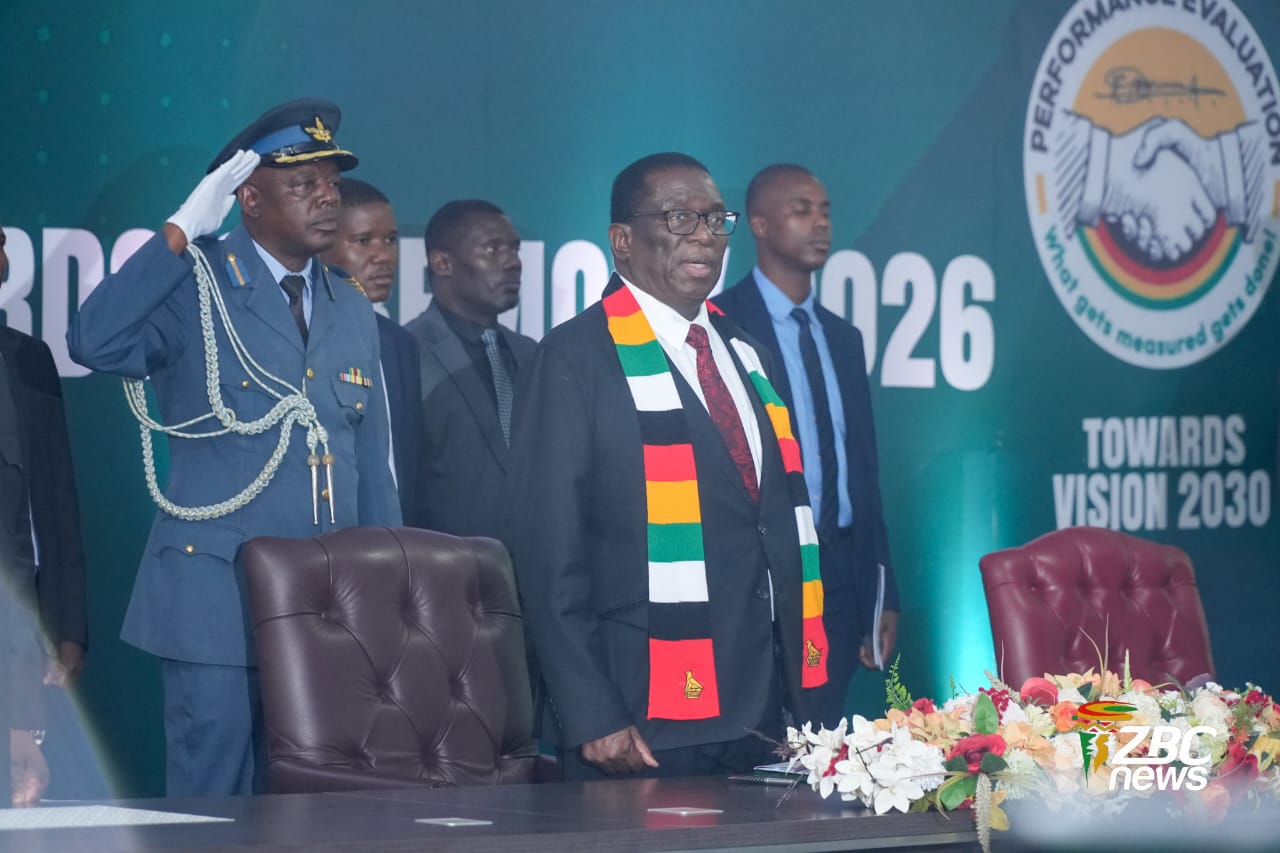
Emmerson
Mnangagwa
If
these
constitutional
changes
are
just
a
ploy
to
avoid
the
democratic
change
of
leadership
in
the
Zanu
PF
party,
it
might
well
seal
their
fate.
As
for
the
present
opposition,
they
are
just
a
laugh.
The
party
that
led
the
struggle
for
democracy
and
a
new
constitution
in
Zimbabwe,
the
MDC,
no
longer
has
a
single
member
in
parliament.
Eddie
Cross
is
an
economist,
former
opposition
MP
and
President
Emmerson
Mnangagwa’s
official
biographer