

Pfizer
is
the
first
big
pharmaceutical
company
to
reach
an
agreement
with
the
Trump
administration
over
most-favored
nation
drug
pricing,
a
deal
that
lowers
U.S.
prices
of
certain
medications
and
makes
them
available
directly
to
patients
through
new
online
channels.
The
agreement
announced
Tuesday
also
gives
Pfizer
a
grace
period
before
facing
potential
tariffs
on
its
drugs.
With
most-favored
nation
pricing,
the
prices
of
a
drug
in
the
U.S.
will
be
matched
to
the
lowest
price
of
the
same
drug
in
a
comparable
developed
nation.
President
Trump
revived
the
policy
in
a
May
executive
order.
In
July,
he
sent
letters
to
CEOs
of
17
big
pharma
companies
outlining
ways
he
wanted
them
to
comply
with
the
order.
That
letter
gave
companies
until
Sept.
29
to
respond.
In
a
Tuesday
news
conference
with
the
Trump
administration,
Pfizer
executives
said
the
company
will
participate
in
TrumpRx.gov,
a
new
purchasing
platform
that
will
allow
Americans
to
purchase
most
primary
care
treatments
and
certain
specialty
drugs
from
Pfizer
“at
a
significant
discount.”
A
White
House
fact
sheet
listed
some
examples
of
existing
Pfizer
products:
an
80%
discount
for
atopic
dermatitis
drug
Eucrisa;
a
40%
discount
for
immunology
drug
Xeljanz;
and
a
50%
discount
for
migraine
drug
Zavpret.
Specific
terms
of
the
agreement
remain
confidential.
But
the
White
House
said
the
agreement
means
every
state
Medicaid
program
in
the
country
will
have
access
to
most-favored
nation
drug
prices
on
Pfizer
products.
Furthermore,
the
agreement
secures
most-favored
nation
pricing
on
all
new
drugs
Pfizer
brings
to
the
market.
As
the
deadline
for
a
response
to
Trump’s
most-favored
nation
proposal
approached,
pharma
companies
rolled
out
initiatives
that
could
help
them
meet
the
goals
outlined
in
the
executive
order.
That
order
specified
that
selling
directly
to
patients
would
be
one
way
to
comply,
as
long
as
the
prices
offered
through
these
channels
was
no
higher
than
the
best
prices
in
other
developed
nations.
Last
week,
Bristol
Myers
Squibb
announced
a
new
direct-to-patient
website
will
launch
in
January
with
the
plaque
psoriasis
drug
Sotyktu
as
the
first
product
offered
at
a
steep
discount.
AstraZeneca,
Novartis,
and
Boehringer
Ingelheim
have
since
unveiled
their
own
direct-to-consumer
online
plans.
Industry
trade
group
PhRMA
also
announced
a
new
website
that
will
connect
U.S.
consumers
with
the
direct-purchase
programs
of
drug
manufacturers.
Another
move
taken
by
some
companies
is
raising
prices
on
drugs
sold
overseas.
Earlier
this
month,
BMS
said
schizophrenia
drug
Cobenfy
will
launch
in
the
United
Kingdom
at
a
price
equal
to
the
drug’s
U.S.
list
price.
That
followed
Eli
Lilly’s
August
announcement
it
had
reached
an
agreement
with
the
U.K.
to
raise
the
price
of
type
2
diabetes
drug
Mounjaro.
Lee
Brown,
global
sector
lead,
health
care,
at
consultancy
Third
Bridge,
said
this
strategy
addresses
a
Trump
argument
that
other
nations
are
“freeloading
on
American
pharmaceutical
innovation,”
as
stated
on
White
House
fact
sheets.
This
strategy
also
gives
pharma
companies
a
way
to
protect
their
revenue
in
the
U.S.,
their
biggest
market.
“I
think
[pharma
companies]
raise
some
prices
to
offset
some
price
reductions
in
the
U.S..,
and
they
do
that
for
a
selected
number
of
drugs,
and
they
deliver
those
as
wins
to
the
Trump
administration,”
Brown
said
in
an
interview.
“Trump
will
take
that
as
a
win.
That’s
the
way
he
works.
He’s
not
really
looking
for
everything.
He’s
looking
for
some
things
that
he
wouldn’t
have
gotten.”
In
a
note
sent
to
investors,
Leerink
Partners
analyst
David
Risinger
said
there
is
now
a
framework
for
other
countries
to
absorb
higher
prices
than
they
have
in
the
past
for
new
drugs.
He
added
that
Pfizer
anticipates
this
opens
up
a
way
of
introducing
new
drugs
at
list
prices
overseas
consistent
with
U.S.
list
prices.
But
Leerink
does
not
expect
the
prices
of
existing
drugs
to
be
raised
outside
of
the
U.S.
because
of
the
economic
challenges
of
doing
so.
Trump
has
also
threatened
to
impose
tariffs
on
pharmaceuticals.
Section
232
of
the
Trade
Expansion
Act
permits
tariffs
if
a
U.S.
Department
of
Commerce
investigation
finds
they
are
necessary
for
national
security.
That
rationale
has
already
been
used
to
justify
tariffs
on
aluminum
and
steel
imports.
The
investigation
on
pharmaceuticals
is
ongoing.
But
Pfizer
said
its
products
under
a
Section
232
inquiry
won’t
face
tariffs
for
three
years
as
long
as
the
company
invests
in
its
U.S.
manufacturing.
In
the
past
year,
big
pharma
companies
have
unveiled
multi-billion-dollar
capital
investment
plans
for
the
U.S.,
the
most
recent
one
GSK’s
plan
to
spend
$30
billion
on
U.S.
manufacturing
and
R&D
sites
over
the
next
five
years.
That
announcement
was
made
while
Trump
was
in
the
U.K.
on
a
state
visit.
William
Blair
analyst
Matt
Phipps
said
in
a
research
note
that
it
remains
to
be
seen
whether
companies
will
need
to
provide
drugs
directly
to
patients
via
TrumpRx.gov
or
through
their
own
programs.
It’s
also
unclear
how
these
new
options
will
affect
prices
of
drugs
for
the
Department
of
Veterans
Affairs
or
Medicaid.
“The
majority
of
large
biopharma
companies
have
already
announced
large
commitments
to
invest
in
manufacturing
and
R&D
facilities
in
the
United
States,”
Phipps
said.
“Following
today’s
announcement,
we
expect
more
companies
will
announce
direct-to-consumer
channels
to
further
appease
the
Trump
administration
and
largely
remove
threats
of
100%
tariffs
and
1,000%
price
reductions.”
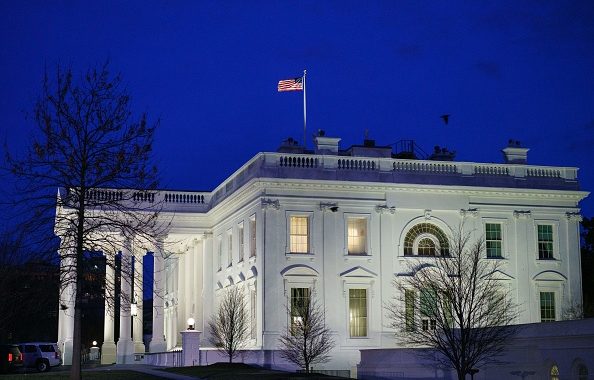
Photo:
Mandel
Ngan/AFP,
via
Getty
Images