
The
U.S.
Department
of
Health
and
Human
Services
is
terminating
contracts
for
messenger
RNA
vaccine
research,
the
latest
move
by
the
current
administration
against
technology
that
led
to
the
successful
development
of
mRNA-based
Covid-19
vaccines.
The
decision
announced
late
Tuesday
covers
22
mRNA
vaccine
contracts
funded
by
the
Biomedical
Advanced
Research
and
Development
Authority
(BARDA),
the
agency
that
supports
development
of
medical
countermeasures
addressing
health
threats,
such
as
pandemics.
The
canceled
contracts
—
awarded
to
entities
including
Moderna,
Pfizer,
AstraZeneca,
CSL
Seqirus,
and
Emory
University
—
represent
nearly
$500
million
in
BARDA
funding.
In
the
announcement,
HHS
Secretary
Robert
F.
Kennedy
Jr.
said
data
show
that
mRNA
vaccines
fail
to
protect
effectively
against
upper
respiratory
infections
from
Covid-19
and
influenza.
He
added
that
the
funding
will
shift
toward
“safer,
broader
vaccine
platforms
that
remain
effective
as
viruses
mutate.
Kennedy,
who
has
made
“radical
transparency”
a
mantra
for
the
department,
provided
no
evidence
for
his
claims.
The
terminated
contracts
remove
a
technology
particularly
well-suited
to
providing
a
faster
pandemic
response.
With
mRNA
vaccines,
the
mRNA
provides
the
instructions
for
a
person’s
own
protein-making
machinery
to
make
the
antigen
that
prompts
an
immune
response.
Once
the
target
pathogen
has
been
sequenced,
mRNA
can
be
designed
and
produced
to
address
it.
When
a
virus
mutates,
mRNA
vaccines
offer
the
ability
to
adjust
to
the
mutations.
Covid-19
vaccines
based
on
mRNA
technology
received
emergency
use
authorization
and
then
FDA
approval
based
on
clinical
trial
data
showing
both
safety
and
efficacy.
An
mRNA
vaccine
offers
faster
turn-around
times
than
older
vaccine
methods,
such
as
using
chicken
eggs
as
the
medium
for
growing
a
virus.
That
virus
is
then
weakened
or
killed,
so
it
cannot
cause
illness
but
can
still
prompt
an
immune
response.
Vaccines
made
by
growing
a
virus
in
cell
culture
is
faster
than
egg-based
vaccines,
but
still
takes
several
months.
Kennedy
said
going
forward,
BARDA
will
focus
on
vaccine
platforms
with
“stronger
safety
records
and
transparent
clinical
and
manufacturing
data
practices.”
He
offered
no
details
on
the
safety
risks
he
believes
are
associated
with
mRNA
vaccines.
But
he
said
technologies
funded
during
the
emergency
phase
of
the
pandemic
that
failed
to
meet
current
scientific
standards
will
be
phased
out
in
favor
of
other
solutions,
such
as
whole-virus
vaccines
(which
can
be
produced
by
egg
and
cell
culture
methods).
Kennedy
had
a
long
track
record
of
anti-vaccine
activity
prior
to
taking
the
top
post
at
HHS.
In
his
new
position,
Kennedy’s
HHS
signaled
its
skepticism
of
mRNA
vaccines
in
May,
when
the
agency
canceled
a
federal
contract
supporting
Moderna’s
clinical
testing
of
an
mRNA
vaccine
for
avian
influenza.
The
initial
contract
awarded
a
little
more
than
a
year
ago
provided
$176
million
in
federal
funding.
In
January,
prior
to
President
Trump
taking
office,
HHS
expanded
the
Moderna
contract
to
$590
million.
Moderna
has
advanced
this
vaccine,
code-named
mRNA-1018,
through
Phase
1/2
testing
and
was
preparing
to
advance
to
Phase
3
testing.
In
June,
Kennedy
fired
the
entire
Advisory
Committee
on
Immunization
Practices,
the
body
that
makes
vaccine
recommendations
to
the
Centers
for
Disease
Control
and
Prevention.
Without
evidence,
Kennedy
claimed
the
committee
members
were
a
“rubber
stamp”
for
the
pharmaceutical
industry.
Kennedy
replaced
the
committee
members
with
eight
hand-picked
selections,
some
of
whom
have
made
statements
critical
of
Covid-19
vaccines
and
mRNA
technology.
In
the
HHS
announcement,
Kennedy
said
the
terminations
of
the
BARDA
mRNA
contracts
was
about
safety
—
without
offering
evidence
of
safety
risks.
“Let
me
be
absolutely
clear:
HHS
supports
safe,
effective
vaccines
for
every
American
who
wants
them,”
Kennedy
said.
“That’s
why
we’re
moving
beyond
the
limitations
of
mRNA
and
investing
in
better
solutions.”
In
a
post
to
the
social
media
platform
X,
American
Medical
Association
President
Bobby
Mukkamala
expressed
concern
about
the
HHS
plans
to
terminate
investment
in
mRNA
vaccines.
“Covid-19
vaccines
using
mRNA
technology
helped
saved
countless
lives
during
the
pandemic,”
he
said.
“We
urge
the
Administration
to
continue
vital
research
to
improve
mRNA
vaccines,
not
throw
the
baby
out
with
the
bathwater
by
effectively
preventing
research
from
moving
forward.”
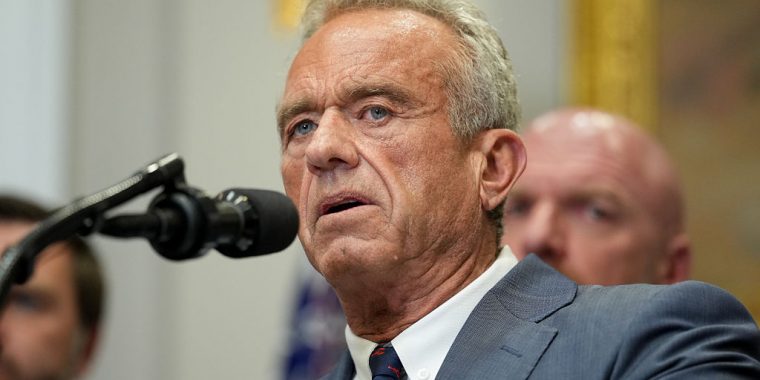
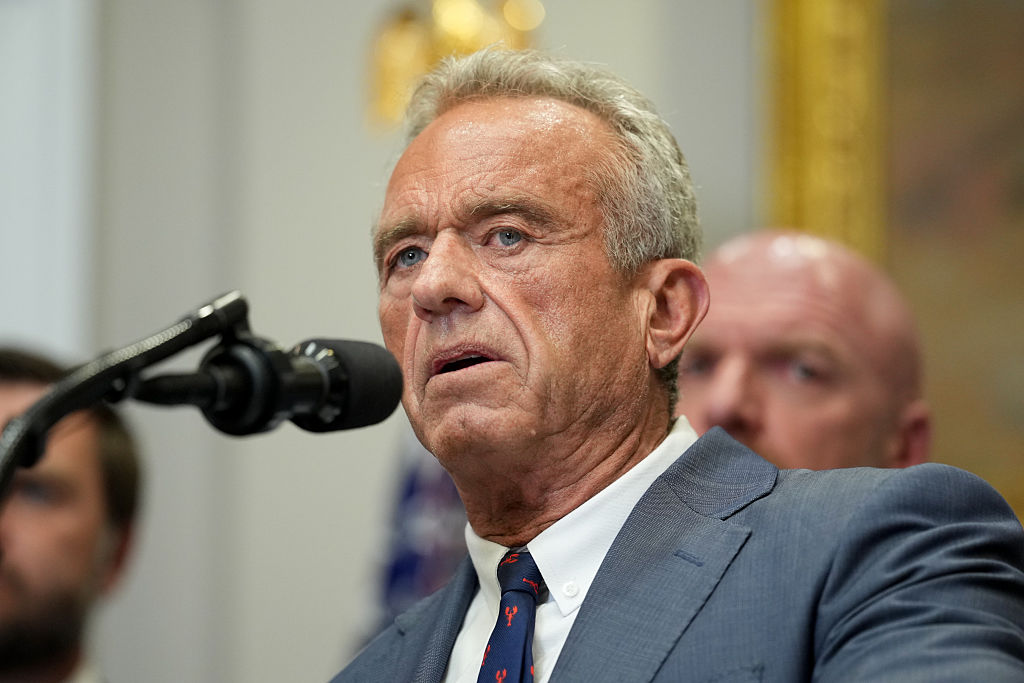
Photo:
Eric
Lee/Bloomberg,
via
Getty
Images