

this
precedent?
Senator
Chuck
Grassley,
who
is
a
mere
five
years
younger
than
sliced
bread,
has
taken
it
upon
himself
to
delve
into
the
high-tech
world
of
artificial
intelligence
hallucinations
after
a
pair
of
judges
withdrew
opinions
upon
discovery
of
a
few
minor
issues
like
“quotes
that
don’t
exist”
and
“defendants
who
aren’t
actually
defendants.”
The
Supreme
Court
hallucinating
an
individual
right
from
the
history
and
text
of
the
Second
Amendment
shall
remain
blissfully
unexamined.
If
only
the
judges
had
claimed
their
propositions
were
“deeply
rooted
in
the Nation’s
history
and
tradition,”
they
might
be
spared
the
indignity
of
having
to
reply
to
a
letter
from
the
chair
of
the
Judiciary
Committee.
Over
the
summer,
two
federal
judges
—
Judge
Julien
Neals
of
New
Jersey
and
Judge
Henry
Wingate
of
Mississippi
—
issued
orders
that
showed
all
the
hallmarks
of
AI-hallucinated
citations.
In
the
Judge
Neals
case,
the
order
included
inaccurate
factual
references,
quotes
that
don’t
appear
in
the
cited
cases,
and
the
misattribution
of
a
case
to
the
wrong
jurisdiction.
Judge
Wingate’s
order
also
botched
facts
and
misquoted
the
law,
but
included
the
added
dimension
of
referencing
parties
and
witnesses
who
aren’t
involved
in
the
case
at
all.
“No
less
than
the
attorneys
who
appear
before
them,
judges
must
be
held
to
the
highest
standards
of
integrity,
candor,
and
factual
accuracy,”
Grassley
wrote
both
judges.
“Indeed,
Article
III
judges
should
be
held
to
a
higher
standard,
given
the
binding
force
of
their
rulings
on
the
rights
and
obligations
of
litigants
before
them.”
Grassley
is
doing
a
little
grandstanding
here,
trying
to
stir
up
some
excitement
over
public
AI
anxiety
while
the
government
shuts
down
and
his
constituents
wonder
why
the
administration
has
destroyed
Iowa’s
agricultural
exports
while
bailing
out
Argentina
so
they
can
undercut
the
market.
That
was
a
concern
for
the
oft-tweeting
nonagenarian
a
few
weeks
ago,
but
since
then
the
Trump
administration
has
more
or
less
shrugged
at
the
prospect
of
protecting
American
farmers
and
Grassley
dutifully
transitioned
to
a
“golly
gee,
I’m
sure
Glorious
Leader
Trump
will
think
of
something”
while
Iowa’s
economy
flounders.
But,
hey,
his
lack
of
focus
is
our
gain!
If
he
manages
to
receive
answers
to
his
AI
queries,
we
could
learn
a
few
things
about
how
federal
judges
are
approaching
the
technology:
Did
you,
your
law
clerks,
or
any
court
staff
use
any
generative
AI
or
automated
drafting/research
tool
in
preparing
any
version
of
the
[filings
at
issue]?
If
so,
please
identify
each
tool,
its
version
(if
known),
and
precisely
how
it
was
used.
What’s
the
brightline
for
“automated
drafting/research
tool?”
Writing
an
opinion
by
uploading
a
file
and
asking
ChatGPT
Jesus
to
take
the
wheel
would
be
reckless,
but
there’s
a
wide
range
of
AI
usage
that
falls
short
of
that.
Are
we
going
to
start
nitpicking
judges
for
using
Word
with
CoPilot
enabled?
What
if
they
have
an
industry-specific
tool
like
BriefCatch?
Are
we
second-guessing
Westlaw’s
CoCounsel?
Does
Grammarly
count?
While
academically
interesting,
an
honest
answer
to
this
question
isn’t
going
to
provide
much
insight
into
best
practices,
and
might
smear
perfectly
good
tools
along
the
way.
The
only
question
that
matters
is,
“hey,
how
did
this
fabricated
nonsense
get
in
there?”
Everything
else
is
a
distraction.
Did
you,
your
law
clerks,
or
any
court
staff
at
any
time
enter
sealed,
privileged,
confidential,
or
otherwise
non-public
case
information
into
any
generative
AI
or
automated
drafting/research
tool
in
preparing
any
version
of
the
[filings]?
This
veers
even
further
from
oversight
into
theater.
Neither
of
these
fiascos
involved
any
confidential
information.
These
were
all
decided
on
publicly
docketed
material.
If
anything,
the
filings
had
the
opposite
problem:
they
made
up
stuff
that
wasn’t
in
the
record.
Loading
confidential
material
into
consumer
AI
remains
a
huge
concern
for
practitioners,
but
it’s
not
the
issue
in
these
cases.
Please
describe
the
human
drafting
and
review
performed
in
preparing
the
Court’s
July
20,
2025
Order
before
issuance—by
you,
chambers
staff,
and
court
staff—including
cite-checking,
verification
of
quoted
statutory
text,
party
identification,
and
validation
that
every
cited
case
exists
and
stands
for
the
proposition
stated.
This
is
the
legislative
inquiry
equivalent
of
the
Amazon
delivery
meme:
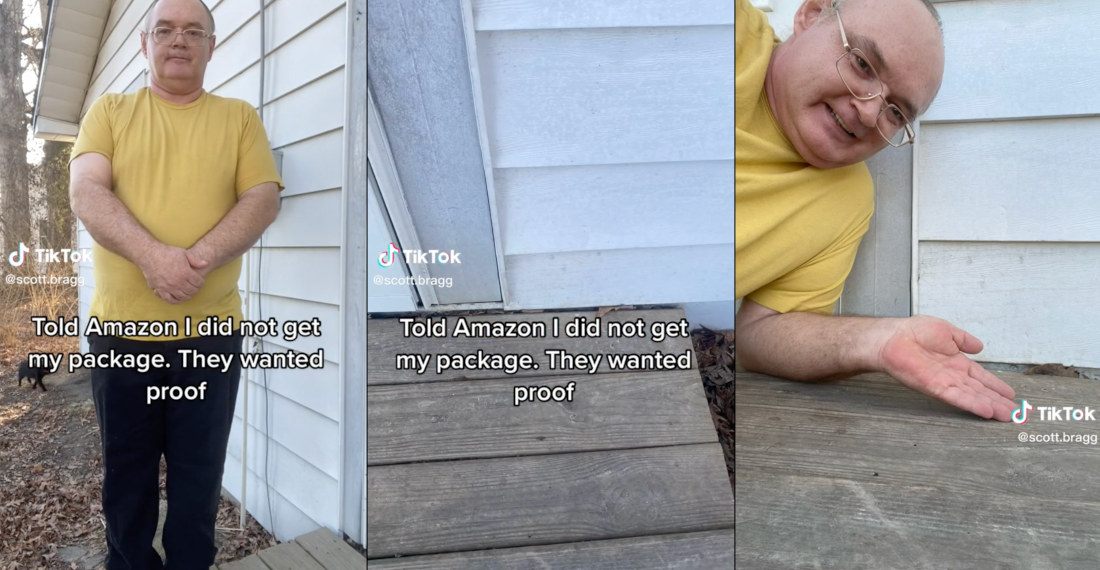
If
the
process
involved
actual
checking,
this
doesn’t
happen.
For
each
misstatement
identified
in
the
defendants’
unopposed
motion
to
clarify/correct—whether
references
to
non-party
plaintiffs
and
defendants,
incorrect
statutory
quotations,
and
declarations
of
individuals
who
do
not
appear
in
this
record—please
explain
the
cause
of
the
error
and
what
internal
review
processes
failed
to
identify
and
correct
each
error
before
issuance.
There
it
is!
This
question!
This
should
be
the
first
question.
Please
explain
how
the
Court
differentiates
between
what
it
characterizes
as
“clerical”
mistakes
in
its
[filing],
and
non-existent
citations
filed
by
an
attorney
in
an
active
case
before
you
for
which
the
Court
required
the
attorney
to
submit
a
sworn
affidavit
explaining
the
errors
and
outlining
remedial
measures
to
prevent
recurrence.
Yeah,
this
wasn’t
a
clerical
mistake
except
in
the
most
literal
sense
that
it
was
probably
caused
by
a
clerk.
No
one
made
a
typo,
they
included
outright
fake
stuff.
That’s
more
than
clerical.
Attempting
to
pawn
it
off
as
clerical
suggests
a
lack
of
candor
from
the
judges,
which
is
as
troubling
as
it
was
unnecessary.
Just
own
up
to
the
mistake!
Use
it
as
a
teachable
moment!
The
whole
country
is
screwing
around
with
this
technology
and
making
mistakes…
this
is
an
opportunity
to
caution
the
legal
industry.
Please
explain
why
the
Court’s
original
[filing]
was
removed
from
the
public
record
and
whether
you
will
re-docket
the
order
to
preserve
a
transparent
history
of
the
Court’s
actions
in
this
matter.
Because
it
was…
wrong?
I’m
thinking
that’s
why
they
took
it
off
the
docket,
Chuck.
Did
AI
draft
this
question?
Please
explain
why
the
Court’s
corrected
[filing]
omits
any
reference
to
the
withdrawn
[filing],
excludes
that
decision
from
any
discussion
of
procedural
history,
and
does
not
include
a
“CORRECTED”
notation
at
the
top
of
the
document
to
indicate
that
the
decision
was
substantively
altered.
A
slightly
better
question
than
before,
but
still
unnecessary.
We
need
to
be
less
concerned
about
how
the
final
record
of
the
case
appears,
and
more
focused
on
“what
went
wrong
and
how
to
avoid
it
going
forward.”
Please
detail
all
corrective
measures
you
have
implemented
in
your
chambers
since
July
20,
2025
to
prevent
recurrence
of
substantive
citation
and
quotation
errors
in
future
opinions
and
orders,
including
proper
record
preservation.
An
important
question,
but
also
an
invitation
to
hurl
babies
out
with
the
bath
water.
When
AI
hallucinations
struck
Butler
Snow,
they
started
purging
the
site
of
AI
discussion,
a
regrettable
move
since
the
material
on
their
site
provided
exactly
the
sort
of
advice
that
could’ve
kept
them
out
of
trouble.
Everyone
should
make
building
out
“standard
operating
procedures”
and
“best
practices”
for
AI
usage
a
top
priority,
but
the
tone
of
this
question
is
just
going
to
prompt
judges
to
reject
AI
out
of
hand.
Imagine
failing
to
double
check
a
summer
associate’s
work
and
being
called
to
“detail
all
corrective
measures
you
have
implemented.”
Artificial
intelligence
tools
are
basically
very
dumb,
but
also
very
fast
summer
associates.
Take
the
work
product,
remember
to
thoroughly
check
it,
and
you’ll
be
fine.
We
don’t
need
to
turn
it
into
a
Capitol
Hill
inquiry.
Unless
someone
is
dumb
enough
to
try
to
let
AI
decide
the
legal
issue
instead
of
just
write
it
up.
But
no
one
is
actually
that
stupid,
right?
The
judges
have
until
October
13
to
respond,
which
is
nice
because
it
allows
them
to
get
an
answer
in
before
the
judiciary
runs
out
of
money.
Or
maybe
the
judges
will
follow
Chief
Justice
John
Roberts’s
lead
and
inform
Grassley
that
the
separation
of
powers
requires
them
to
give
the
senator
the
finger.
What
we,
as
the
public,
actually
need
is
an
explanation
from
the
judges
so
the
rest
of
the
judiciary
can
avoid
making
the
same
mistakes.
And
that’s
pretty
much
it.
The
fault
isn’t
in
using
AI,
it’s
in
the
humans
getting
lazy
with
their
checking.
(Read
the
letters
on
the
next
page…)
 Joe
Joe
Patrice is
a
senior
editor
at
Above
the
Law
and
co-host
of
Thinking
Like
A
Lawyer.
Feel
free
to email
any
tips,
questions,
or
comments.
Follow
him
on Twitter or
Bluesky
if
you’re
interested
in
law,
politics,
and
a
healthy
dose
of
college
sports
news.
Joe
also
serves
as
a
Managing
Director
at
RPN
Executive
Search.