
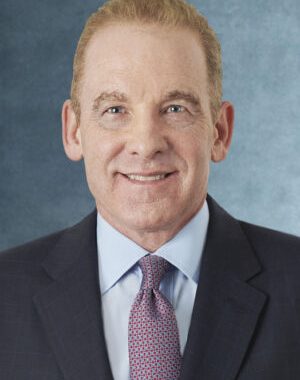
Giuffra
Nine
feckless
Biglaw
firms
inked
deals
with
President
Donald
Trump
that
netted
the
president
a
$940
million
war
chest
of
pro
bono
payola
to
spend
on
his
political
priorities,
The
deals
meant
the
firms
acquiesced
to
the
president’s
bullying
rather
than
fight
the
unconstitutional
Executive
Orders
Trump
has
been
issuing
(or
merely
threatening)
in
order
to
get
what
he
wants.
The
deals
are
a
black
eye
to
the
rule
of
law,
and
though
the
firms
that
signed
onto
them
say
they
were
in
their
best
business
interests,
there’ve
been
consequences
to
the
capitulation
that
suggest
otherwise.
The
highly
unusual
deals
themselves
have
become
fodder
for
the
legal
industry’s
gossip
mill.
That’s
been
especially
true
since
it
came
out
that
Bob
Giuffra,
co-chair
of
Sullivan
&
Cromwell,
was
involved
in
the
negotiation
of
the
deal
between
Paul
Weiss
and
Trump
(the
first
of
the
Biglaw
deals).
Now,
we
know
Giuffra
was
involved,
but
*how*
exactly
he
got
roped
into
it
is
a
bit
of
a
mystery
—
he
says
he
was
asked
by
a
PW
partner
to
get
involved,
but
Brad
Karp,
chair
of
Paul
Weiss,
says
he
was
only
aware
of
Giuffra’s
role
once
the
negotiations
between
PW
and
the
administration
had
begun.
Plus
S&C
represents
Donald
Trump
in
a
personal
capacity
in
his
criminal
appeal
(despite
internal
strife
caused
by
that),
so
there’s
a
lot
going
on.
The
curious
relationship
between
Giuffra,
Trump,
and
Biglaw
is
the
subject
of
a
new
piece
in
Business
Insider.
Jacob
Shamsian
and
Jack
Newsham
note
just
how
unusual
this
all
is,
writing,
“Giuffra,
with
no
official
role
in
the
White
House,
was
weighing
in
on
how
the
president
of
the
United
States
used
the
powers
of
his
office
to
subjugate
a
rival
law
firm.”
At
the
same
time,
Giuffra
has
helped
Trump
collapse
the
distinction
between
the
presidency
and
personal
matters.
During
the
negotiations
with
Paul
Weiss,
Giuffra
didn’t
appear
to
draw
any
distinction
between
his
role
as
Trump’s
personal
lawyer
and
as
someone
who
was
weighing
in
on
how
Trump
would
use
his
presidential
powers,
one
person
familiar
with
the
negotiations
told
Business
Insider.
Giuffra,
along
with
another
of
Trump’s
personal
attorneys,
Boris
Epshteyn,
played
a
central
role
in
the
deal
between
Paul
Weiss
and
the
Trump
administration.
That
is
deeply
problematic.
The
blurred
lines
raise
“very
severe
issues
of
ethics
and
professional
responsibility,”
according
to
Harold
Koh,
a
law
professor
who
served
as
the
top
State
Department
lawyer
in
the
Obama
administration.Epshteyn
and
Giuffra
played
a
role
in
how
Trump
should
use
his
government
powers.
But
as
Trump’s
personal
lawyers,
rather
than
government
employees,
it’s
not
clear
if
they’re
acting
on
behalf
of
the
people
of
the
United
States,
or
on
behalf
of
Trump’s
personal
interests,
Koh
said.“Government
lawyers
should
do
the
government’s
business
and
personal
lawyers
should
deal
with
personal
matters,”
Koh
added.
“And
the
fact
that
we
can’t
tell
whether
these
lawyers
are
operating
in
official
or
personal
capacity
shows
why
they’re
so
problematic.”
Blurred
lines
is
more
than
a
controversial
Robin
Thicke
song!
But
it
also
represents
a
theme
of
the
second
Trump
reign.
Trump’s
personal
vendettas
were
often
the
justification
for
the
EOs
in
the
first
place,
so
using
his
personal
lawyers
to
force
Biglaw
firms
to
their
knees
follows
suit.
Earlier:
The
Curious
Case
Of
Sullivan
&
Cromwell’s
Relationship
With
Donald
Trump
 Kathryn
Rubino
is
a
Senior
Editor
at
Above
the
Law,
host
of
The
Jabot
podcast,
and
co-host
of
Thinking
Like
A
Lawyer.
AtL
tipsters
are
the
best,
so
please
connect
with
her.
Feel
free
to
email
her
with
any
tips,
questions,
or
comments
and
follow
her
on
Twitter
@Kathryn1 or
Mastodon
@[email protected].