

Every
time
a
lawyer
cites
a
fake
case
spit
out
by
generative
AI,
an
angel
gets
its
wings.
When
the
lawyers
in
Mata
v.
Avianca
infamously
earned
a
rebuke
for
citing
an
AI-imagined
alternate
history
of
the
Montreal
Convention,
many
of
us
assumed
the
high-profile
embarrassment
would
mark
the
end
of
fake
cases
working
their
way
into
filings.
Instead,
new
cases
crop
up
with
alarming
frequency,
ensnaring
everyone
from
Trump’s
former
fixer
to
Biglaw
to
—
almost
certainly
—
the
DOJ.
It
seems
no
amount
of
public
embarrassment
can
overcome
laziness.
But
so
far,
the
system
has
stood
up
to
these
errors.
Between
opposing
counsel
and
diligent
judges,
fake
cases
keep
getting
caught
before
they
result
in
real
mischief.
That
said,
it
was
always
only
a
matter
of
time
before
a
poor
litigant
representing
themselves
fails
to
know
enough
to
sniff
out
and
flag
Beavis
v.
Butthead
and
a
busy
or
apathetic
judge
rubberstamps
one
side’s
proposed
order
without
probing
the
cites
for
verification.
Hallucinations
are
all
fun
and
games
until
they
work
their
way
into
the
orders.
It
finally
happened
with
a
trial
judge
issuing
an
order
based
off
fake
cases
(flagged
by
Rob
Freund).
While
the
appellate
court
put
a
stop
to
the
matter,
the
fact
that
it
got
this
far
should
terrify
everyone.
Shahid
v.
Esaam,
out
of
the
Georgia
Court
of
Appeals,
involved
a
final
judgment
and
decree
of
divorce
served
by
publication.
When
the
wife
objected
to
the
judgment
based
on
improper
service,
the
husband’s
brief
included
two
fake
cases.
The
trial
judge
accepted
the
husband’s
argument,
issuing
an
order
based
in
part
on
the
fake
cases.
On
appeal,
the
husband
did
not
respond
to
the
fake
case
claim,
but….
Undeterred
by
Wife’s
argument
that
the
order
(which
appears
to
have
been
prepared
by
Husband’s
attorney,
Diana
Lynch)
is
“void
on
its
face”
because
it
relies
on
two
non-existent
cases,
Husband
cites
to
11
additional
cites
in
response
that
are
either
hallucinated
or
have
nothing
to
do
with
the
propositions
for
which
they
are
cited.
Appellee’s
Brief
further
adds
insult
to
injury
by
requesting
“Attorney’s
Fees
on
Appeal”
and
supports
this
“request”
with
one
of
the
new
hallucinated
cases.
They
cited
MORE
fake
cases
to
defend
their
first
set
of
fake
cases.
Epic.
A
perpetual
motion
machine
of
bullshit,
if
you
will.
Seeking
attorney’s
fees
based
on
a
fake
case
was
a
nice
touch.
Probably
should’ve
thought
of
that
at
the
trial
court
level,
it
probably
would’ve
worked.
The
appellate
court
could
not
make
the
factual
leap
to
blame
AI
for
the
fake
cases,
but
laid
out
its
theory
of
the
case:
As
noted
above,
the
irregularities
in
these
filings
suggest
that
they
were
drafted
using
generative
AI.
In
his
2023
Year-End
Report
on
the
Federal
Judiciary,
Chief
Justice
John
Roberts
warned
that
“any
use
of
AI
requires
caution
and
humility.”
Roberts
specifically
noted
that
commonly
used
AI
applications
can
be
prone
to
“hallucinations,”
which
caused
lawyers
using
those
programs
to
submit
briefs
with
cites
to
non-existent
cases.
Well,
there
you
go!
Someone
finally
found
a
use
for
the
Chief
Justice’s
infamous
typewriter
report.
Now
it
almost
seems
like
a
useful
expenditure
of
official
resources
instead
of
a
cynical
opportunity
to
dodge
addressing
that
his
proposed
solution
to
the
Court’s
deepening
ethical
cesspool
is…
JAZZ
HANDS!
But
there’s
a
critical
line
between
submitting
fake
cases
and
judges
acting
on
fake
cases.
The
urgency
the
courts
feel
for
stamping
out
fake
citations
stems
in
part
from
the
“there
but
for
the
grace
of
my
clerks
go
I”
fear
that
the
judge
might
bless
a
fake
argument.
Now
that
this
has
happened
to
a
trial
judge
out
there,
the
high-profile
embarrassment
should
mark
the
end
of
fake
cases
working
their
way
into
orders.
Where
have
I
heard
something
like
that
before?
*Re-reads
first
paragraph.*
We’re
screwed.
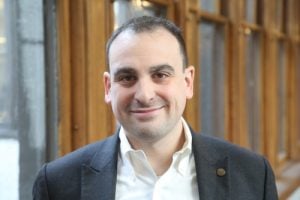 Joe
Joe
Patrice is
a
senior
editor
at
Above
the
Law
and
co-host
of
Thinking
Like
A
Lawyer.
Feel
free
to email
any
tips,
questions,
or
comments.
Follow
him
on Twitter or
Bluesky
if
you’re
interested
in
law,
politics,
and
a
healthy
dose
of
college
sports
news.
Joe
also
serves
as
a
Managing
Director
at
RPN
Executive
Search.