
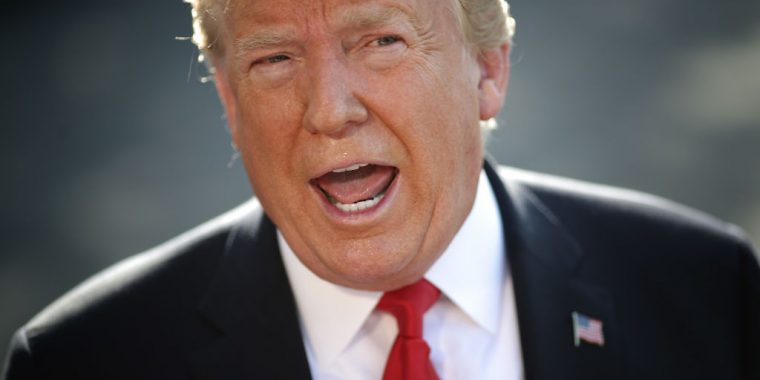
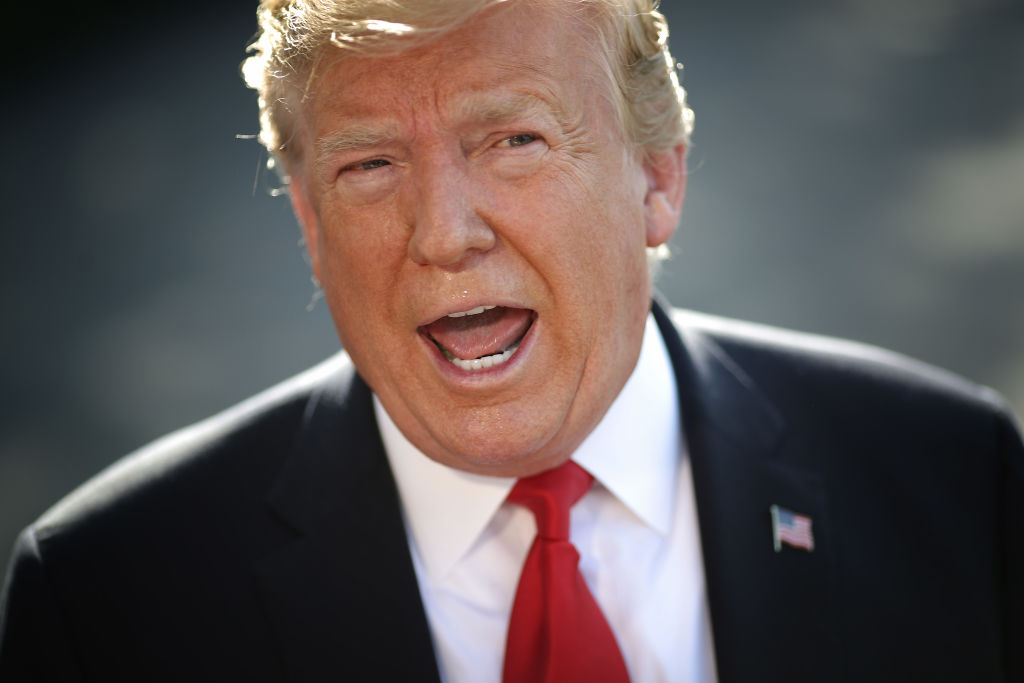
by
Win
McNamee/Getty
Images)
Last
month,
I
wrote
about
the
Trump
tariffs
now
under
review
by
the
Supreme
Court.
The
case
was
on
an
expedited
schedule,
with
an
opinion
expected
by
the
end
of
2025.
Yet
it
is
now
January
2026,
and
no
ruling
has
been
issued;
one
is
not
anticipated
until
February
at
the
earliest.
During
oral
arguments,
the
justices
expressed
clear
skepticism
about
Trump’s
rationale
for
invoking
the
International
Emergency
Economic
Powers
Act
(IEEPA)
to
impose
tariffs.
The
IEEPA
does
not
explicitly
authorize
tariffs.
It
permits
the
president
to
regulate
imports
only
to
address
an
“unusual
or
extraordinary
threat”
to
national
security,
foreign
policy,
or
the
economy.
Given
the
court’s
apparent
doubts
and
the
real
possibility
that
it
could
strike
down
these
tariffs
as
an
improper
use
of
IEEPA,
has
the
Trump
administration
adjusted
its
approach
to
address
those
concerns?
Let’s
examine
Trump’s
recent
tariff
actions
to
assess
whether
they
truly
involve
emergencies
or
represent
a
legitimate
exercise
of
IEEPA
authority.
Tariffs
Against
Iran
In
December
2025,
Iranians
protested
nationwide
against
their
government
amid
a
severe
economic
crisis:
the
rial
collapsed
to
record
lows
(over
1.4
million
to
the
U.S.
dollar),
inflation
ran
rampant
(40%
to
50%
annually,
with
food
prices
up
about
72%
year-on-year),
and
costs
for
essentials
like
cooking
oil,
meat,
and
fuel
soared.
Widespread
poverty,
unemployment,
and
mismanagement
—
worsened
by
international
sanctions
and
the
12-day
war
with
Israel
in
June
2025
—
fueled
the
unrest.
The
regime
responded
by
shutting
down
the
internet,
severely
limiting
outside
communication
and
obscuring
reports
of
casualties.
On
January
12,
2026,
Trump
announced
a
25%
tariff
on
countries
doing
business
with
Iran,
citing
the
crackdown
on
protesters.
No
further
details
have
emerged
on
implementation
or
what
qualifies
as
“doing
business”
with
Iran.
Iran’s
top
trading
partners
include
China
(its
largest,
importing
$14
billion
in
goods),
Iraq,
the
United
Arab
Emirates,
Afghanistan,
Pakistan,
India,
and
Russia.
U.S.-Iran
relations
have
been
hostile
for
decades,
marked
by
the
1979
hostage
crisis,
support
for
opposing
proxies
in
regional
conflicts,
nuclear
tensions,
and
mutual
accusations
of
terrorism
sponsorship.
Despite
this
rocky
history,
Iran’s
current
government
faces
internal
chaos
and
poses
no
immediate
external
threat
to
the
United
States.
These
tariffs
appear
designed
to
further
destabilize
Iran’s
economy
in
pursuit
of
regime
change.
Paradoxically,
if
tariffs
drives
up
prices
inside
Iran,
they
could
give
the
regime
a
convenient
scapegoat
—
blaming
the
U.S.
for
the
hardship
—
potentially
rallying
domestic
support.
Trump’s
Threat
To
Tariff
French
Wine
And
Champagne
On
Tuesday,
French
President
Emmanuel
Macron
declined
Trump’s
invitation
to
join
his
newly
formed
“Board
of
Peace”
(a
body
Trump
has
suggested
might
replace
the
United
Nations).
In
response,
Trump
threatened
a
200%
tariff
on
French
wine
and
champagne.
To
Trump’s
credit,
this
tariff
would
target
only
Americans
who
know
what
“Château”
means.
Aficianados
might
reluctantly
pay
more
for
their
Dom
Pérignon,
swirling
their
glasses
an
extra
45
seconds
while
insisting
the
tariff
hasn’t
dulled
their
superior
palates.
Imposing
tariffs
over
a
personal
snub
hardly
qualifies
as
an
international
emergency
or
a
threat
to
U.S.
interests.
Norway
has
also
declined
to
join
the
Board
of
Peace,
yet
no
tariffs
have
been
threatened
—
perhaps
because
Trump
holds
Norwegians
in
higher
regard
than,
say,
Haitians.
Tariffs
Against
NATO
Countries
In
Response
To
Greenland
Finally,
Trump
has
targeted
Greenland,
citing
national
security
risks
from
Russia
and
China
—
though
the
push
also
stems
from
not
winning
the
Nobel
Peace
Prize.
He
announced
that
all
NATO
countries
in
Europe
would
face
a
10%
tariff
on
exports
to
the
U.S.
starting
February
1,
rising
to
25%
on
June
1,
unless
a
deal
is
reached
to
sell
Greenland
to
the
United
States.
European
leaders
from
the
affected
nations
have
declared
full
solidarity
with
Denmark
and
Greenland’s
people.
The
prospect
of
a
U.S.-EU
trade
war
has
rattled
markets,
prompting
shifts
like
Canada’s
new
trade
deal
with
China
allowing
Chinese
cars
into
its
market.
Russia
and
China
have
shown
no
interest
in
buying
or
invading
Greenland.
As
part
of
Denmark
—
a
NATO
ally
—
any
aggression
would
trigger
Article
5,
obligating
collective
defense,
with
the
U.S.
(the
alliance’s
dominant
power,
right
next
door
via
Canada)
leading
the
response.
This
arrangement
already
neutralizes
any
genuine
security
threat.
To
the
extent
a
risk
exists,
it
stems
from
Trump’s
own
aggressive
rhetoric.
The
Supreme
Court’s
skepticism
toward
Trump’s
IEEPA
tariff
claims
should
caution
reflection
and
restraint.
Yet
his
actions
suggest
tariffs
are
being
wielded
not
for
national
security
emergencies,
but
to
pursue
regime
change
(which
could
backfire),
coerce
foreign
leaders
into
joining
his
Board
of
Peace,
and
exact
revenge
for
perceived
slights
like
missing
out
on
a
Nobel
Peace
Prize.
Until
the
court
rules,
Trump
appears
poised
to
continue
using
tariffs
unilaterally
to
bend
people
and
countries
to
his
will.
Steven
Chung
is
a
tax
attorney
in
Los
Angeles,
California.
He
helps
people
with
basic
tax
planning
and
resolve
tax
disputes.
He
is
also
sympathetic
to
people
with
large
student
loans.
He
can
be
reached
via
email
at [email protected].
Or
you
can
connect
with
him
on
Twitter
(@stevenchung)
and
connect
with
him
on LinkedIn.