
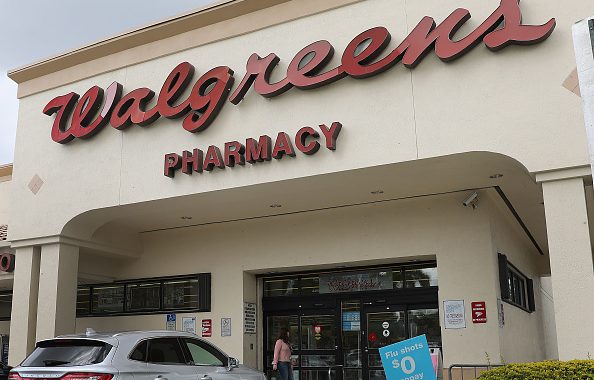
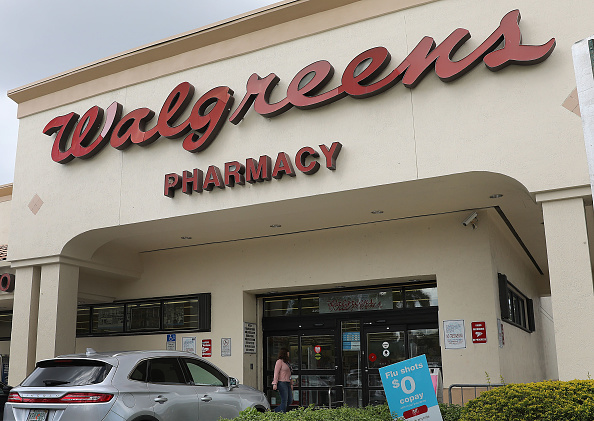
Walgreens
jumped
on
board
the
private
equity
rescue
ship
named
Sycamore
Partners
earlier
this
year
and
late
August
the
deal
worth
$10
billion
was
completed.
While
some
say
the
sale
to
private
equity
was
necessary
as
retail
health
faces
numerous
headwinds,
at
least
one
industry
follower
is
concerned
about
what’s
ahead
for
Walgreens.
Private
equity
firms
typically
try
to
exit
a
company
five
to
seven
years
after
buying
it.
“Healthcare
is
a
long-term
industry.
It’s
about
long-term
health.
It’s
about
maintaining
people’s
health
over
decades.
Private
equity’s
business
model
just
inherently
is
short-term
based.
They
are
looking
to
get
a
company,
profit
off
of
it,
exit
the
company
in
whatever
way
that
is,
whether
it
be
bankruptcy
or
IPO
or
selling
it
off
to
another
private
equity
firm,”
said
Matt
Parr,
communications
director
of
the
Private
Equity
Stakeholder
Project,
a
nonprofit
that
has
been
tracking
private
equity
moves.
Under
Sycamore,
Walgreens
will
split
into
five
independent
companies:
Walgreens
(pharmacy),
The
Boots
Group
(health
and
beauty
retail
business),
Shields
Health
Solutions
(specialty
pharmacy
solutions),
CareCentrix
(home
health)
and
VillageMD
(primary
care).
Sycamore
Partners
and
Walgreens
declined
to
comment.
What
could
be
ahead
There
are
a
few
reasons
for
why
Parr
finds
this
sale
to
Sycamore
Partners
concerning.
One
is
that
over
70%
of
the
deal
is
financed
through
debt,
meaning
Sycamore
doesn’t
“have
much
skin
in
the
game,”
he
said.
“There’s
already
been
plenty
of
coverage
on
Walgreens’
financial
problems
…
and
now
you’re
adding
a
lot
more
liability
that
Sycamore
is
putting
onto
that
company
that
already
has
been
struggling.
It
really
could
spell
a
lot
of
financial
problems
for
Walgreens,”
Parr
stated,
noting
that
in
the
first
quarter
of
the
year,
70%
of
the
largest
bankruptcies
in
the
country
were
private
equity-backed.
He
added
that
a
lot
of
communities
rely
on
Walgreens
as
their
sole
pharmacy,
so
any
financial
challenges
Walgreens
has
will
have
a
direct
impact
on
consumers.
The
deal’s
debt
financing
and
Walgreens’
troubling
financial
problems
are
not
the
sole
reason
that
concerns
Parr.
Sycamore
Partners
has
replaced
Walgreens
CEO
Tim
Wentworth
with
Mike
Motz,
who
was
previously
the
CEO
of
office
retail
store
Staples,
another
Sycamore
company.
“Under
that
CEO’s
watch,
Staples
shuttered
a
third
of
its
stores,”
he
said.
“It
cut
tens
of
thousands
of
jobs.
We’re
wary
that
if
Sycamore
applies
that
same
playbook
to
Walgreens,
if
that
CEO
that’s
coming
over
from
Staples
applies
that
same
playbook
to
Walgreens,
we’re
going
to
have
…
thousands
of
stores
closed,
tens
of
thousands
of
layoffs,
pharmacy
deserts
in
neighborhoods
that
are
already
struggling
with
access
to
medication.”
Sycamore
Partners
has
also
overseen
several
other
high
profile
bankruptcies,
including
Belk,
Nine
West
and
Aeropostale.
As
for
breaking
Walgreens
into
five
separate
companies,
Parr
speculates
that
Sycamore
is
trying
to
determine
which
company
is
the
most
profitable,
which
will
likely
lead
to
retail
store
closures
that
are
a
lower
margin
business
and
layoffs
at
the
businesses
that
are
not
as
profitable
as
the
others.
Not
everyone
has
negative
views
of
the
deal
To
Michael
Greeley,
cofounder
and
general
partner
of
Flare
Capital
Partners,
disaggregating
the
company
was
the
right
move.
Retailers
have
been
struggling
in
healthcare
recently,
and
Walgreens’
retail
business
was
pulling
down
high-performing
assets
like
Shields
and
CareCentrix.
“I
think
it’s
been
a
terrific
move
to
disaggregate
these
disparate
assets,”
he
noted.
Another
healthcare
expert
echoed
this,
noting
that
Walgreens
hasn’t
succeeded
in
tying
together
all
its
assets
into
a
seamless
experience
for
consumers.
That
is
likely
why
Sycamore
is
splitting
it
up.
“Ultimately,
the
five
businesses
all
have
different
margin
profiles,
cost
structures,
and
opportunities
for
success:
the
company
never
was
able
to
capitalize
on
the
reciprocal
value
between
each
business.
By
comparison,
CVS
did
[this]
with
its
acquisition
of
Caremark,
which
lowered
its
drug
costs,
and
the
merger
with
Aetna
created
a
closed
loop
on
customer
acquisition
and
negotiation,”
said
Warren
Templeton,
managing
director
of
Health2047,
the
venture
arm
for
the
American
Medical
Association.
That
said,
there
is
no
doubt
that
this
deal
will
lead
to
store
closures,
which
will
have
a
significant
impact
on
underserved
communities.
“They’ll
close
stores
that
are
not
profitable
or
that
don’t
have
a
potential
to
generate
free
cash
flow.
And
the
concern
is,
do
they
start
to
close
stores
in
markets
that
create
healthcare
deserts?”
Greeley
said.
It
is
also
worth
noting
that
most
of
Sycamore’s
experience
has
been
in
retail,
not
healthcare.
“This
is
not
just
a
typical
retail
takeover,
which
is
what
Sycamore
is
used
to,”
Parr
said.
“This
is
a
much
bigger
behemoth
for
them
to
manage,
and
Sycamore
already
has
a
background
of
bankrupting
smaller
retail
companies.
So
if
that
same
trajectory
happens
with
Walgreens,
it’s
going
to
be
even
more
devastating
than
a
Nine
West
going
bankrupt.”
Photo
credit:
Joe
Raedle,
Getty
Images