
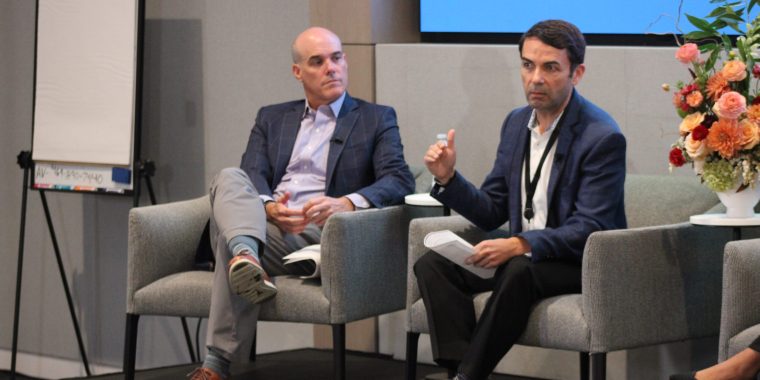
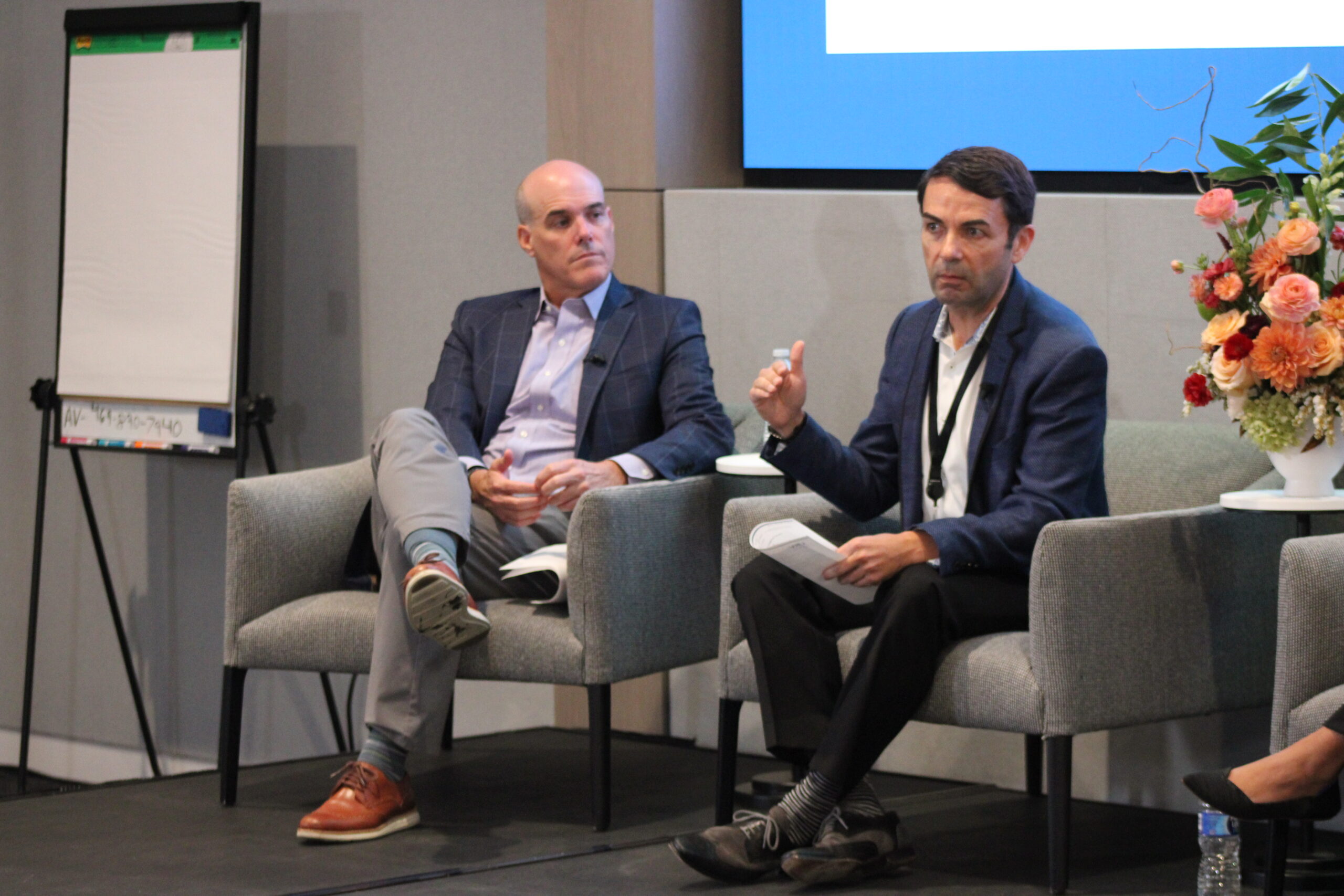
AI
is
becoming
an
essential
part
of
the
healthcare
workplace,
from
ambient
scribing
tools
to
clinical
decision
support.
But
healthcare
workers
are
still
learning
best
practices
when
it
comes
to
leveraging
AI.
During
a
Thursday
panel
discussion
at
the
MedCity
INVEST
Digital
Health
conference
in
Dallas,
three
healthcare
executives
shared
what’s
top
of
mind
for
them
when
rolling
out
AI
products
in
the
workplace.
The
session
was
moderated
by
Keith
J.
Figlioli,
managing
partner
at
LRVHealth.
For
one
executive,
getting
AI
tools
adopted
is
key.
But
in
order
for
these
tools
to
be
adopted,
workers
have
to
trust
them,
according
to
Dr.
Steve
Miff,
president
and
CEO
of
Parkland
Center
for
Clinical
Innovation.
To
build
trust,
there
needs
to
be
robust
evaluation
frameworks
for
AI.
These
tools
also
“cannot
be
a
black
box,”
so
providing
“insights
and
additional
real-time
information
behind
those
outputs
and
algorithms
is
critical,”
he
said.
In
addition,
it’s
essential
to
automate
the
monitoring
of
AI
models.
“Once
you
open
up
the
gate,
you’re
going
to
end
up
with
dozens
of
different
AI
models,
and
the
question
I’m
asking
is,
‘How
am
I
going
to
keep
up
with
monitoring
this
consistently
as
an
organization?’
So
we’ve
been
focusing
on
developing
algorithms
and
methods
to
actually
be
able
to
monitor
the
performance
of
these
models
in
real
time,
…
and
that
actually
builds
trust
with
the
team,
knowing
that
somebody
or
a
group
is
continuously
looking
at
those
and
alerting
if
something
goes
off
track,”
he
said.
He
added
that
among
frontline
staff,
there
is
still
a
concern
that
AI
will
cause
them
to
lose
their
jobs,
so
there
is
often
a
“resistence”
when
new
tools
are
introduced.
Another
healthcare
executive
—
Jess
Botros,
vice
president
of
IT
strategy
and
operations
at
Ardent
Health
—
noted
that
she
wants
the
system’s
clinicians
to
be
able
to
spend
as
much
time
as
possible
with
patients
and
have
the
right
tools
in
hand.
That
said,
there’s
a
lot
of
responsibility
when
it
comes
to
deploying
AI.
“In
order
to
do
this
in
the
right
way,
you
have
to
have
your
house
in
order
from
a
data
perspective,
from
a
trust
perspective,”
she
said.
“You
think
about
change
management
impacts
and
making
sure
that
people
are
really
along
for
the
ride
and
really
understand
why
we’re
doing
what
we’re
trying
to
do.
It
becomes
super
important.”
Abhinav
Shashank,
CEO
and
co-founder
of
Innovaccer,
meanwhile,
stressed
the
importance
of
interoperability.
The
healthcare
industry
should
be
working
on
connecting
existing
systems
versus
building
new
systems.
He
emphasized
that
many
of
healthcare’s
biggest
challenges,
such
as
claims
processing
and
transitioning
to
value-based
care,
stem
from
broken
information
flows.
“Great
software
is
going
to
get
built
all
across
the
U.S.,
and
what
we
need
to
work
on
is
to
create
a
system
that
connects
these
things
and
makes
them
really
work
together
well.
…
I
just
think
[that]
if
we
got
these
things
to
work
together,
we
would
be
in
so
much
of
a
better
place
than
basically
trying
to
get
20
new
things,”
he
said.