

Britain
loses
an
average
of
two
people
a
year
to
lightning
but
in
South
Africa
its
260.
The
populations
are
similar
at
close
to
70m,
so
why
such
a
difference?
Across
the
subcontinent
thunderstorms
are
common
and
violent,
and
millions
live
in
shacks
or
huts
with
little
protection
from
the
elements.
Aside
from
the
Cape
of
Good
Hope
with
its
Mediterranean
climate,
our
rain
falls
in
summer
—
October
to
April
—
and
getting
wet
isn’t
that
bad
when
it’s
30˚
outside.
Rural
soccer
games
carry
on,
the
crowd
sheltering
under
trees
or
umbrellas
…
and
vulnerable
in
a
region
where
lightning
not
only
strikes
but
electrifies
the
ground,
creating
a
deadly
field
of
current.
For
every
death,
half-a-dozen
more
are
injured,
yet
it’s
rarely
a
topic
of
conversation.
This
is
not
a
nanny
state,
but
at
year-end
we’re
set-upon
by
those
who
wish
it
was.
From
Boxing
Day,
there’s
uproar
about
another
kind
of
thunder:
South
Africa’s
obsession
with
using
fireworks
to
welcome
the
new
year.
In
the
remotest
village,
there’ll
be
rockets,
Catherine-wheels,
and
the
pop
of
crackers.
With
some
of
the
worst
gun
crime
anywhere,
a
nation
might
recoil
from
things
that
go
bang.
Not
a
chance.
Ahead
of
the
celebration,
lies
on-line
spread
like
a
bush
fire
—
each
one
rebutted
by
facts
from
Hansard
and
even
the
constitution
—
only
to
be
repeated
by
those
who
should
know
better.
-
“Setting
off
crackers
is
a
criminal
offence.”
It’s
not. -
“You’ll
go
to
jail.”
Unlikely. -
“Wild
animals
stampede
and
die.”
Tosh. -
“Pets
get
distressed.”
Bring
them
indoors.
And
advice
that
is
rarely
followed,
“Report
offenders
to
the
police.”
More
on
that
later.
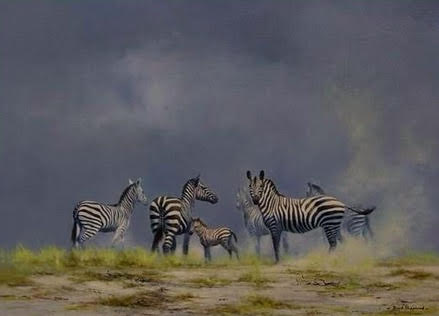
There
are
zebras,
impala
and
plenty
of
small
game
on
our
farm
and
I’ve
never
seen
them
disturbed
by
noise.
They’re
wild
but
no
matter
how
full
the
waterholes,
as
with
dogs
drinking
from
the
toilet,
our
“ponies
in
pajamas”
enjoy
a
sip
from
the
pool.
If
I
get
up
for
a
cuppa
in
the
night
they’ll
be
standing
near
the
edge,
looking
at
their
reflection
in
the
water.
And
I
feel
blessed.
In
the
daytime,
like
a
painting
by
David
Shepherd,
it’s
a
joy
to
see
them
against
the
cloud
rolling
in,
and
not
a
twitch
when
it
thunders.
So,
my
guess
is
they’re
unphased
by
fireworks.
In
the
online
groups
I
belong
to,
it’s
the
same
voices
year
after
year.
Mostly
white
and
the
wrong
side
of
50,
insulated
by
privilege
from
how
the
majority
only
just
get
by.
They
don’t
like
fireworks
just
as
I’m
against
lobsters
being
boiled
alive
and
wouldn’t
eat
one,
but
that
doesn’t
make
it
illegal.
Fireworks
are
regulated,
and
a
permit
is
needed
to
sell
them;
not
that
you’d
know.
In
the
lead-up
to
New
Year,
vendors
offer
bundles
of
the
stuff
at
traffic
lights
and
the
police,
who
should
take
action,
drive
past.
Why? Because
they
are frantically
busy!
Casualty
wards
fill
not
with
burns
from
bangers
or
even
lightning
strikes,
but
shootings,
knife
wounds
and
broken
bones.
Most
of
the
victims
and
assailants
are
black,
and
few
of
the
assaults
will
end
in
arrest.
On
Christmas
day
2020,
one
of
the
staff
at
our
farm
—
attending
an
all-night
rave
—
was
stabbed
in
the
forehead
with
a
broken
bottle.
He
turned
up
just
after
breakfast,
bleeding
and
over
the
limit
on
brandy
and
I
drove
him
50
miles
to
the
hospital.
It
was
busy,
and
next
to
us
sat
a
twentysomething
whose
scalp
had
been
chipped
by
an
axe.
The
medics
do
triage,
health
care
is
free,
my
lad
was
stitched
and
by
the
time
we
left
Mr
Axe
had
gone
for
X-rays.
“Call
the
police?”
We
rarely
do.
My
staffer
had
been
stabbed
by
a
friend
after
one
too
many;
they’re
still
buddies.
And
in
rural
areas,
bonds
are
close
and
you
don’t
set
the
law
on
your
neighbours.
Unemployment
is
standard
for
black
youth,
food
is
short,
transport
to
a
beerhall
can
be
hours
on
foot,
saving
pennies
for
the
hooch.
Another
bottle
or
money
for
rent
on
the
shack?
With
that
much
stress,
what
starts
as
a
shove
or
punch
can
spiral,
but
when
the
rockets
go
up,
everyone
stops
to
watch.
The
issues
raised
by
a
few
in
the
upper
fraction
of
society
are
valid.
Safety
is
paramount
when
handling
tubes
of
gunpowder.
Pets
can
be
distressed,
neighbours
get
annoyed,
we
should
all
be
considerate.
Every
year
I
buy
rockets
and
sparklers
for
staff
at
the
farm
who
become
heroes
when
they
turn
up
at
a
party
with
a
box
of
joy.
And
as
midnight
strikes,
there
are
cheers
and
hugs
while
hands
pound
on
the
cow-hide
drums
and
rockets
whoosh
into
the
night
and
their
stars
fall
to
earth.
Our
dogs
come
in,
cats
are
locked
in
a
room
with
milk
and
a
sandbox,
and
outside
we
watch
the
display,
visible
for
miles,
and
hear
the
cheers,
the
car
hooters
and
an
occasional
volley
of
shots
(hopefully
into
the
air).
A
new
beginning
is
at
hand.
How
many
people
get
injured
by
flaming
the
red
touch-paper
is
hard
to
say.
Unless
it’s
serious,
burns
and
injuries
are
dressed
at
home
and
go
unreported.
But
most
of
us
know
someone
who’s
been
on
the
wrong
side
of
lightning:
a
tree
in
the
garden
set
on
fire,
a
computer,
TV
or
borehole
pump
burned
out
from
a
hit
to
the
house.
Yet
there’s
no
fuss
on
Facebook,
even
less
in
the
press
but
lots
about
fireworks.
If
donors
want
to
give
aid
that
helps
the
masses,
run
a
campaign
in
Africa
on
how
not
to
be
struck
by
lightning.
Nothing
seems
to
welcome
rain
like
a
plan
for
fireworks,
and
predictions
for
New
Year’s
Eve
are
damp.
If
so,
the
rain
will
at
least
be
warm,
and
the
flash
and
kaboom
of
the
storm
will
beat
anything
lit
with
a
match.
Wishing
you
a
safe
New
Year!
Geoff
Hill
is
a
Zimbabwean
author
and
journalist