
Claudette
Irere,
the
Minister
of
State
for
Education
addresses
new
Zimbabwean
Teachers
Speaking
during
the
official
induction
of
the
second
cohort
of
Zimbabwean
teachers,
Irere
said
early
assessments
indicate
notable
progress
in
learners’
confidence
and
competence
in
English,
despite
the
programme
still
being
in
its
early
stages.
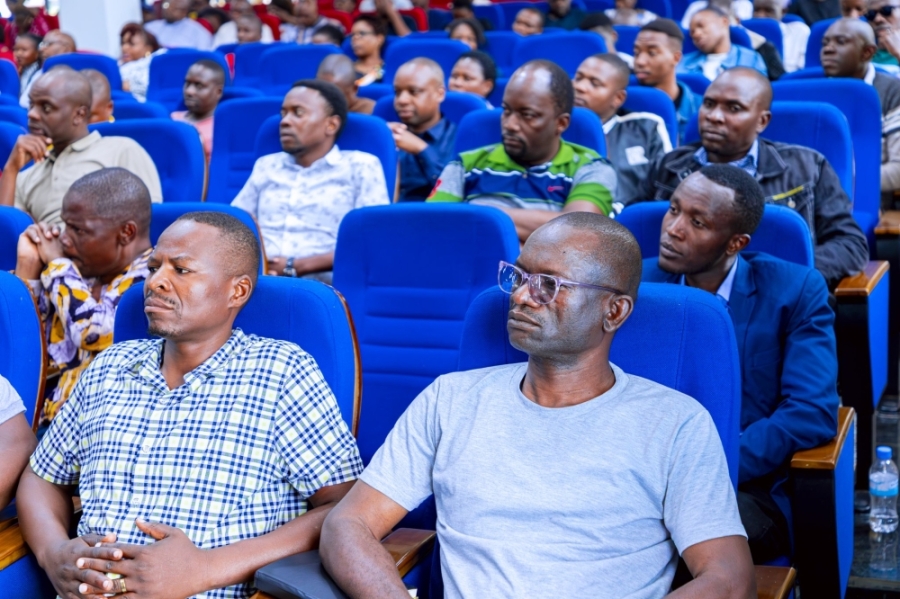
Some
of
the
new
Zimbabwean
teachers
during
the
official
induction
of
the
second
cohort.
Courtesy
“Ordinarily,
comprehensive
results
of
such
programmes
are
evaluated
after
six
years.
However,
although
the
first
cohort
has
only
been
in
Rwanda
for
two
years,
our
visits
and
assessments
already
show
encouraging
improvements
in
English
language
skills,
especially
among
students
in
Teachers
Training
Colleges
(TTCs),
who
are
future
educators
themselves,”
she
said.
The
induction
marked
preparations
for
the
deployment
of
143
specialist
educators
from
Zimbabwe,
who
arrived
in
Kigali
on
Sunday,
December
21.
They
will
join
the
first
cohort
of
154
teachers
dispatched
three
years
ago
under
a
Memorandum
of
Understanding
(MoU)
between
Rwanda
and
Zimbabwe.
The
MoU,
signed
in
December
2021,
provides
for
the
exchange
of
skilled
professionals
in
critical
sectors,
including
education,
health,
and
information
and
communication
technologies,
as
part
of
broader
cooperation
efforts.
Addressing
the
gathering,
Irere
described
the
induction
as
a
reflection
of
the
strong
partnership
between
the
two
countries,
held
under
the
theme
“Cooperation
for
Enhancing
Quality
Education.”
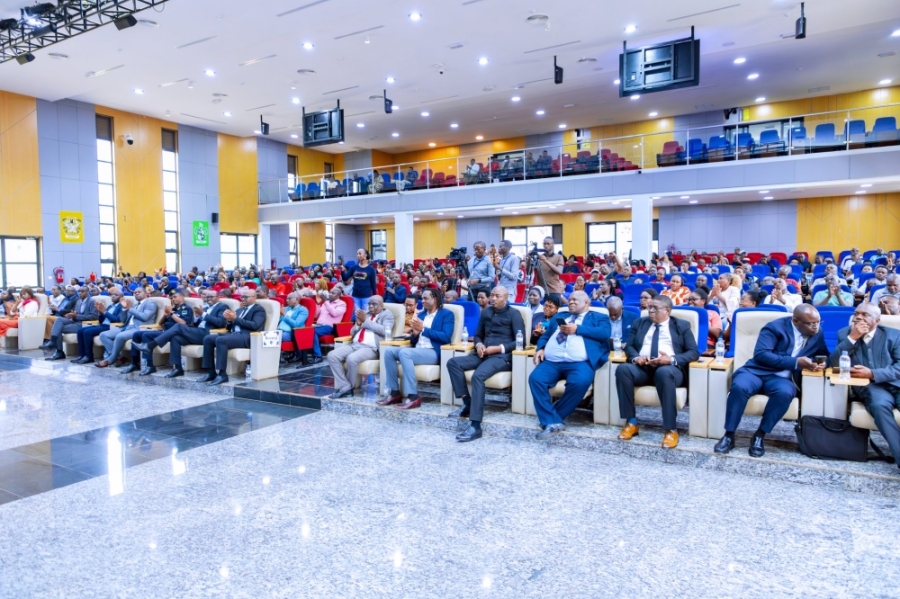
“This
theme
perfectly
encapsulates
the
spirit
of
partnership
and
shared
responsibility
that
unites
us,”
she
said,
commending
both
governments
for
their
commitment
to
strengthening
education
systems
for
the
benefit
of
learners.
She
emphasized
that
the
presence
of
both
the
first
and
second
cohorts
at
the
induction
was
particularly
meaningful,
as
it
creates
opportunities
for
mentorship,
sharing
of
experiences,
and
continuity.
“I
commend
the
teachers
from
the
first
cohort
for
their
dedication
and
professionalism,
and
I
encourage
the
new
arrivals
to
draw
from
their
experiences
as
you
integrate
into
your
respective
institutions,”
she
added.
Irere
also
reminded
the
teachers
that
Rwanda’s
education
system
places
high
value
on
professionalism,
accountability,
ethical
conduct,
and
learner-centred
pedagogy,
urging
them
to
work
collaboratively
with
local
educators
and
institutional
leaders.
Representing
the
first
cohort,
George
Mandhlazi
reaffirmed
their
commitment
to
delivering
quality
education
in
line
with
the
MoU,
adding
that
the
new
teachers
would
build
on
the
strong
foundation
already
established.
He
noted
that
the
programme
is
guided
by
nine
resolutions
under
the
MoU
signed
in
2021,
stressing
that
the
teachers
are
in
Rwanda
to
deliver
meaningful
impact.
One
of
the
representatives
of
the
second
cohort,
Mandindo
Wadzanai,
described
the
opportunity
to
teach
in
Rwanda
as
both
an
honour
and
a
responsibility.
“This
is
a
great
opportunity;
one
that
many
teachers
aspire
to.
We
are
going
to
work
very
hard,
demonstrate
our
competence,
and
bring
new
ideas
from
the
education
system
we
come
from,”
she
said.
Another
teacher,
Dhliwayo
Emmanuel,
paid
tribute
to
the
first
cohort,
crediting
their
professionalism
for
paving
the
way
for
the
second
group.
“If
it
were
not
for
your
hard
work,
intelligence,
and
competence,
this
second
cohort
would
not
be
here.
You
made
us
proud,”
he
said.
He
also
thanked
the
Zimbabwean
government
for
supporting
regional
cooperation,
describing
the
programme
as
a
demonstration
of
Pan-African
solidarity.
“In
Africa,
we
are
one.
Together,
Rwanda
and
Zimbabwe,
and
Africa
as
a
whole,
can
change
lives
through
education,”
he
said.