

Wonder
Mushove
stared
blankly
at
plumes
of
red
dust
billowing
into
the
sky
as
more
than
30
trucks
carrying
loads
of
lithium
ore
rumbled
past
his
newly-built
house
in
Buhera,
in
eastern
Zimbabwe.
The
trucks
drive
by
Mukwasi
village
on
the
dirt
road
linking
the
Chinese-owned
Sabi
Star
lithium
mine
to
the
tarred
highway.
They
travel
through
the
border
town
of
Mutare
to
the
port
of
Beira
in
neighbouring
Mozambique.
From
there,
the
lithium-containing
minerals
are
loaded
onto
ships
and exported
to
China –
the
world’s
largest
manufacturer
of
lithium-ion
batteries.
The
dust
hung
in
the
air
after
the
trucks’
passage.
Mushove
and
his
family
were
among
dozens
of
households
displaced
by
the
$130million-mining
project,
which
began
operating
in
May.
They
were
relocated
to
new
houses
built
by
the
mining
company
about
a
kilometre
from
their
old
homes.
And
yet,
Mushove
is
hopeful
the
mine
could
“uplift
the
area
and
put
it
on
the
world
map,”
he
told
Climate
Home
News.
For
decades,
the
vast,
hard-rock
lithium
deposits
buried
under
his
home
were
of
little
interest
to
foreign
investors.
Now,
Chinese
companies
are
paying
a
high
price
to
access
Zimbabwe’s
reserves
–
the
largest
in
Africa
and
among the
largest
in
the
world.
A
lightweight
metal
with
the
ability
to
store
lots
of
energy,
lithium
is
critical
for
the
manufacture
of
batteries
for
electric
cars.
Global
efforts
to
move
away
from
combustion-engine
vehicles
have
pushed
demand
for
the
silvery
metal,
also
known
as
“white
gold”,
to
soar.
Chinese
companies
have
flocked
to
Zimbabwe’s
untapped
reserves
of
high-grade
lithium
to
shore
up
the
country’s
supplies,
benefiting
from
the
Southern
African
nation’s
cheap
labour
and
deregulated
mining
sector.
In
the
past
two
years,
Chinese
companies
invested
over $1.4
billion acquiring
lithium
projects
in
Zimbabwe.
And
more
money
is
on
its
way.
Last
year,
Chinese
companies
were
awarded
licenses
that
could
see $2.79
billion
in
investment flow
into
the
country,
mostly
in
the
mining
and
energy
sectors.
These
investments
could
turn
Zimbabwe
into
a
key
player
in
the
global
lithium-ion
battery
supply
chain.
Chinese
battery
manufacturing
giant
BYD
could
source
some
of
its
lithium
from
Zimbabwe,
after
buying
a
stake
in
the
Chinese
owners
of
the
Sabi
Star
mine.
But
Zimbabwe’s
poor
progress
on
establishing
robust
resource
governance
threatens
to
keep
communities
like
Mushove’s
from
seeing
any
of
the
benefits,
analysts
told
Climate
Home.
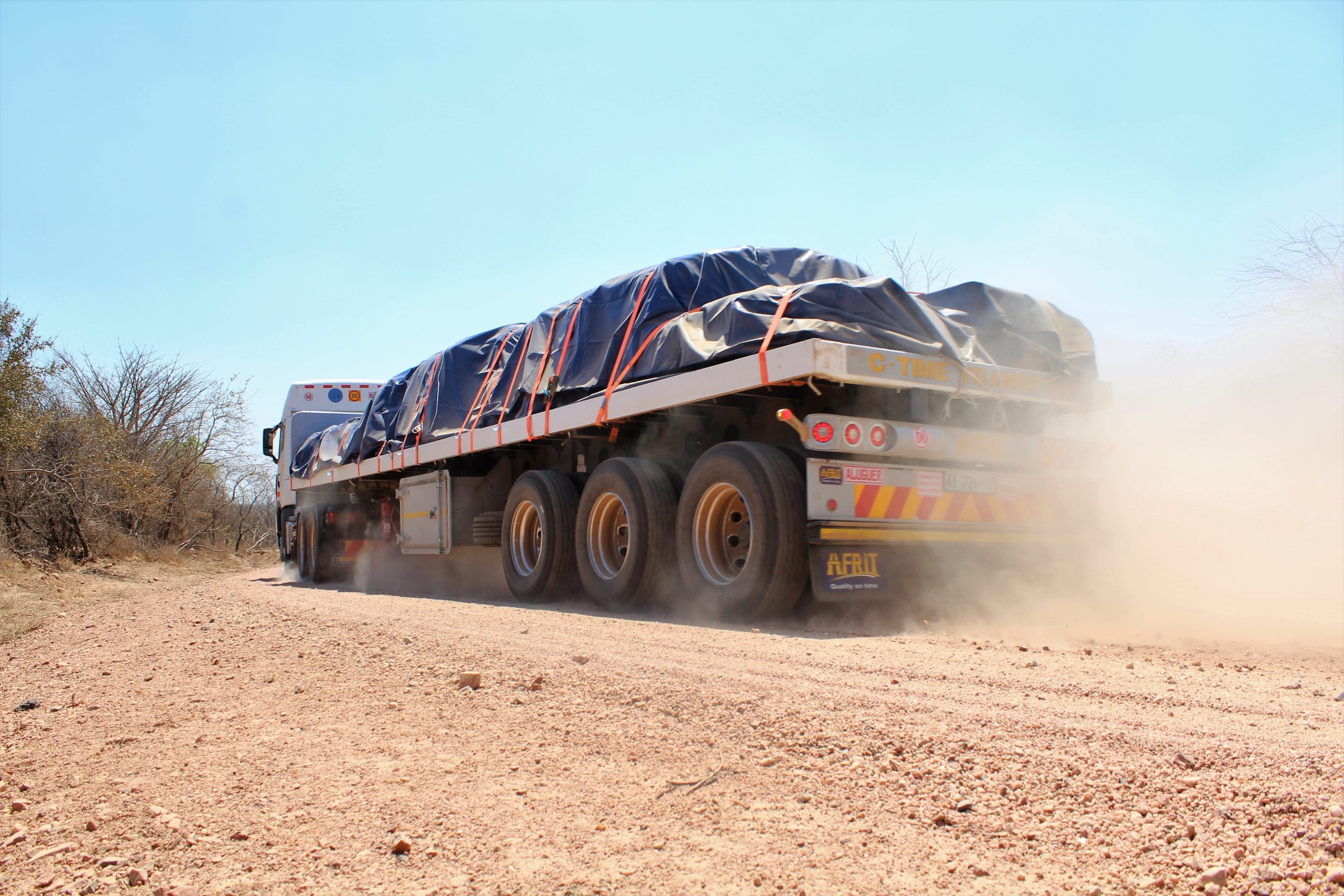
A
TRUCK
CARRYING
LITHIUM
ORE
FROM
THE
SABI
STAR
MINE
TO
THE
PORT
OF
BEIRA,
MOZAMBIQUE,
PASSES
BY
MUKWASI
VILLAGE.
PHOTO:
BERNARD
CHIKETO
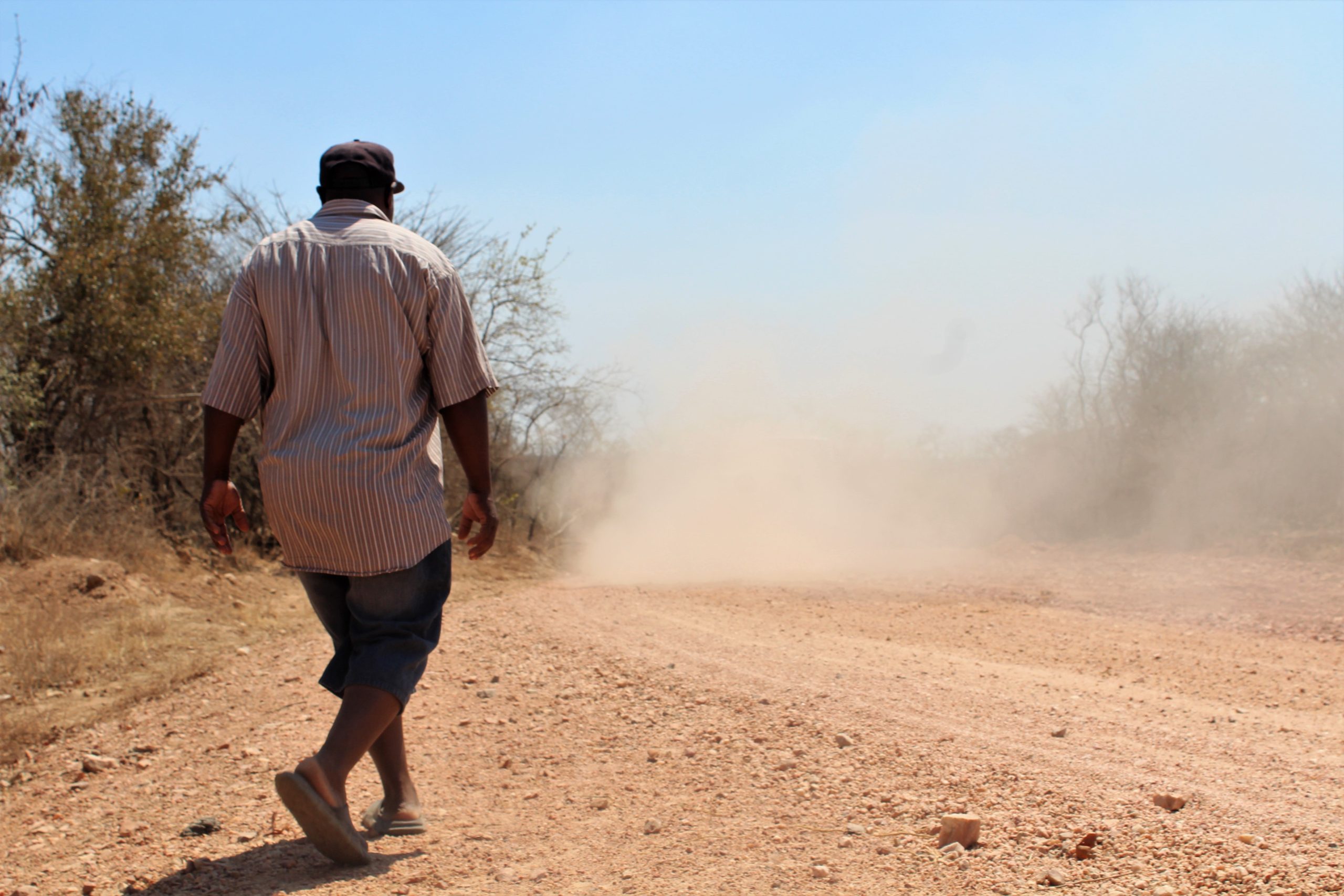
WONDER
MUSHOVE
LOOKS
AT
THE
DUST
AFTER
THE
PASSAGE
OF
A
LITHIUM-CARRYING
TRUCK.
PHOTO:
BERNARD
CHIKETO
THE
RACE
FOR
‘WHITE
GOLD’
To
produce
EVs
and
grid
storage
batteries
at
the
scale
needed
to
meet
global
climate
goals,
lithium
demand
is
expected
to increase
nine-fold
between
2022
and
2030,
according
to
the
International
Energy
Agency
–
raising
the
prospect
of
a
supply
crunch.
Zimbabwe’s
reserves
could
help
ease
some
of
that
pressure.
The
government
aims
to supply
a
fifth
of
the
world’s
demand.
Eddie
Cross,
a
former
advisor
to
the
Reserve
Bank
of
Zimbabwe,
is
even
more
optimistic,
expecting
the
country
“to
command
a
quarter
of
global
demand
in
three
years,”
he
told
Climate
Home.
Mining
consultancy
CRU forecasts Zimbabwe
will
become
the
world’s
fifth
largest
producer
by
2025
–
up
from
its sixth
place
last
year.
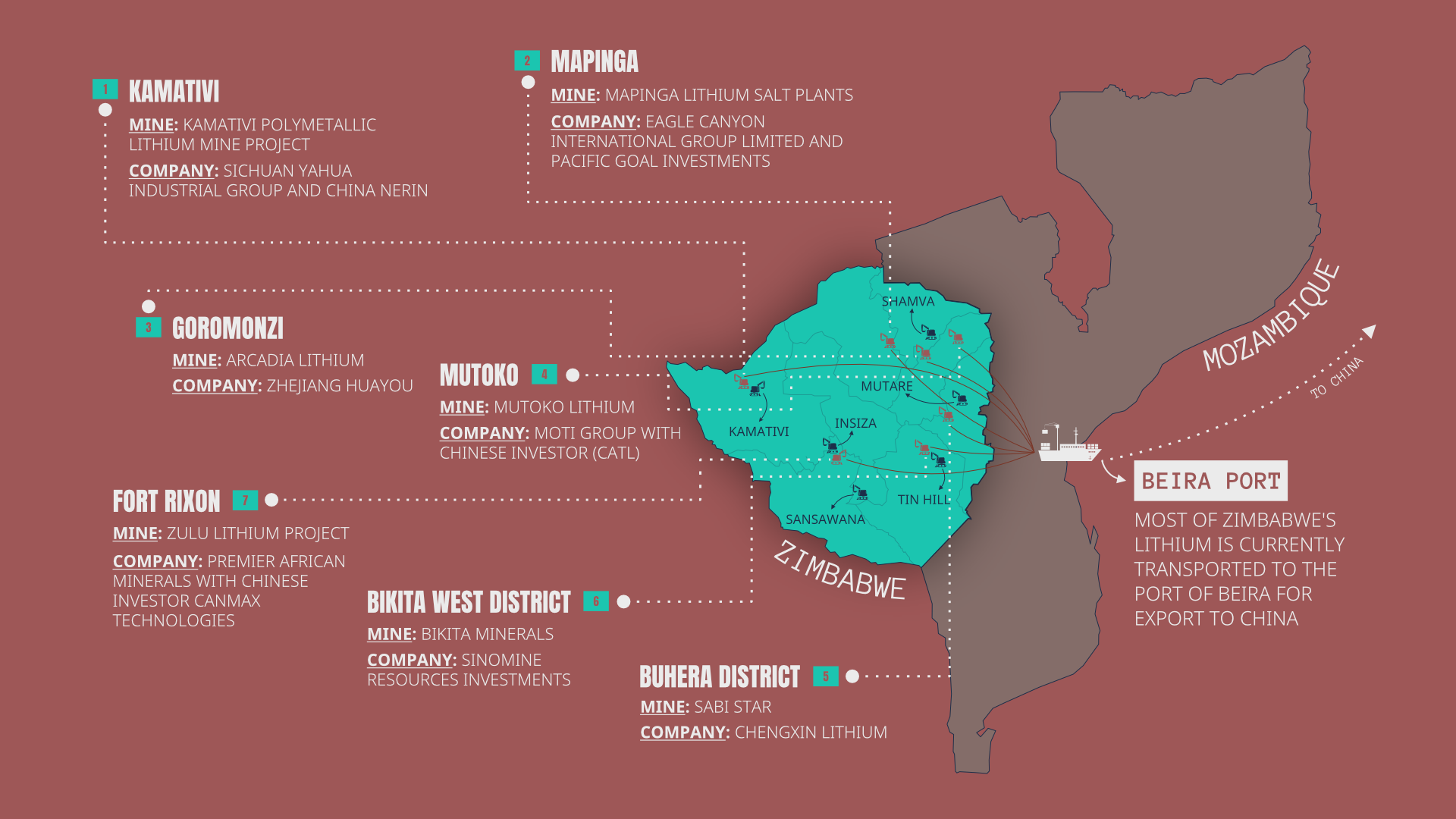
CHINESE
INVESTMENTS
IN
LITHIUM
PROJECTS
IN
ZIMBABWE
While
endowed
with
vast
mineral
wealth,
Zimbabwe
has
so
far
failed
to
turn
its
underground
riches,
including
diamonds
and
gold,
into
revenues
for
development. Regulatory
gaps, human
rights
abuses, illegal
trade,
and alleged
corruption have
all
been
barriers.
A recent
investigation by
NGO
Global
Witness
in
Zimbabwe,
Namibia,
and
the
Democratic
Republic
of
Congo
found
that
there
is
a
danger
of
history
repeating
itself
with
lithium
mining
without
rigorous
screening
for
corruption
and
social
and
environmental
harms.
But
Zimbabwe’s
president
Emmerson
Mnangagwa
is
betting
on
the
lithium
rush
to
catapult
the
country
into an
upper-middle-income
economy
by
2030.
To
achieve
this,
Mnangagwa
aspires
to
turn
Zimbabwe
into a
battery
manufacturing
hub.
CHINA’S
LITHIUM
RUSH
China towers
over
the
lithium-ion
battery
supply
chain.
But
its own
lithium
resources
are
limited and
it
has
sought
to
secure
access
to
deposits
overseas.
Isolated
by
the
West
and
slapped
with
20
years
of
sanctions
because
of
human
rights
violations,
Zimbabwe
has
turned
towards
China,
now
the
country’s largest
foreign
investor.
Since
the
1950s,
China’s
foreign
policy
has
been
guided
by
“five
principles
of
peaceful
co-existence“,
including
a
commitment
not
to
interfere
in
another
country’s
internal
affairs.
This
principle,
which
encapsulates
China’s
approach,
has
set
it
apart
from
western
investors.
Zimbabwe’s
“opacity
and
disregard
for
human
rights
has
made
it
cheap
for
the
Chinese
to
exploit
minerals”
in
the
country,
said
James
Mupfumi,
director
of
the
Centre
for
Research
and
Development,
a
local
NGO
advocating
for
accountability
in
the
natural
resource
sector.
Zimbabwean
law vests
all
mineral
rights
to
the
president.
With
no
requirements
to
disclose
the
beneficial
owners
of
mining
projects,
“there
is
no
due
diligence
and
parliamentary
oversight
on
Chinese
investments,”
Mupfumi
explained.
“Above
all,
Zimbabwe
requires
a
government
that
prioritises
public
accountability
of
mineral
wealth,
not
the
self-enrichment
of
a
few
political
elites,”
he
added.
The
ministry
of
mines
did
not
respond
to
a
request
for
comment.
‘LITHIUM
IS
OUR
ONLY
HOPE’
For
small-holder
farmers
living
in
the
vicinity
of
the
Sabi
Star
mine
in
Buhera
–
one
of
Zimbabwe’s
poorest
and
most
water-scarce
districts
–
lithium
mining
has
brought
the
promise
of
jobs
and
a
better
life.
Around
the
mine,
climate
change
is
causing rainfall
to
regularly
fail,
leaving
rain-dependent
subsistence
farmers acutely
food
insecure.
Pastures
and
water
sources
for
livestock
are
drying
up
and
only
drought
resistant Mopane
trees and
thorny
shrubs
remain
across
the
parched
land.
Abishell
Chikunda,
a
75-year-old
farmer
who
grows
sunflower
and
groundnuts
to
sustain
himself
and
his
two
deaf
grandchildren,
lives
on
land
adjacent
to
the
mine.
Repeated
droughts
have
hurt
his
income
and
made
life
increasingly
unbearable.
“We
lost
most
of
our
cattle
due
to tick-borne
diseases and
the
lithium
is
now
our
only
hope,”
he
said.
With
mining
claims
straddling
2,600
hectares,
the
equivalent
of
4,900
football
fields,
the
Sabi
Star
lithium
mine
–
one
of
the
country’s
largest
–
has
the
potential
to
produce about
900,000
tonnes
of
raw
lithium
ore per
year.
In
2021,
Chengxin
Lithium
Group,
one
of
China’s
largest
lithium
producers,
acquired a
majority
share in
the
mine’s
operator,
Max
Mind
Investments.
Chengxin
Lithium
Group’s
biggest
customers include
Chinese
companies
BYD
and
CATL,
respectively
the
world’s third
and
first
largest
EV
battery
manufacturers.
In
2022,
BYD,
which
recently overtook
Tesla as
the
world’s
bestselling
EV
company, bought
a
5%
stake
in
Chengxin –
securing
lithium
supplies.
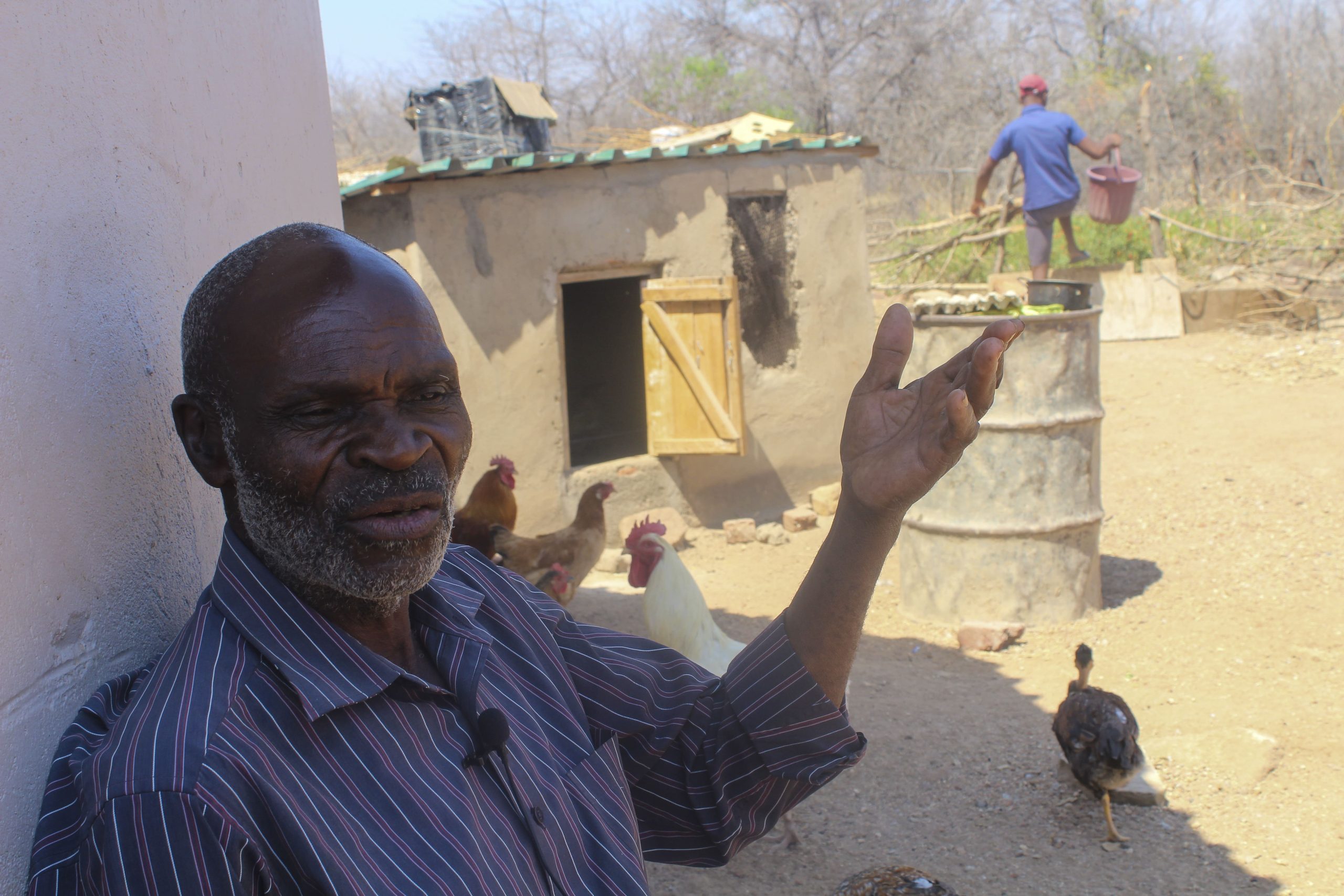
ABISHELL
CHIKUNDA
IN
FRONT
OF
HIS
HOMESTEAD
IN
THE
VICINITY
OF
THE
SABI
STAR
MINE.
PHOTO:
BERNARD
CHIKETO
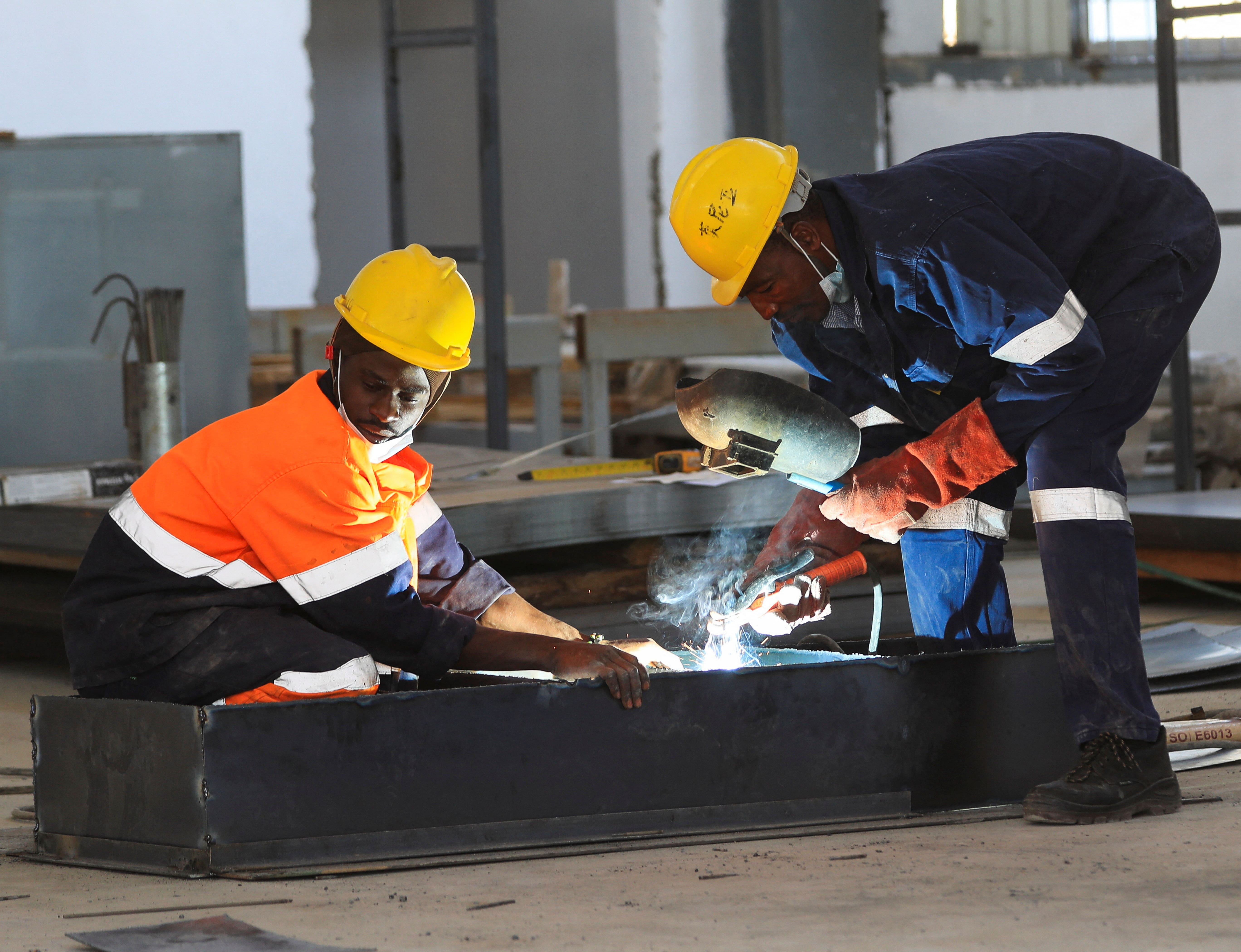
TWO
MEN
WORK
AT
THE
SABI
STAR
LITHIUM
PROCESSING
PLANT.
PHOTO:
REUTERS
/
PHILIMON
BULAWAYO
HOW
THE
SABI
STAR
LITHIUM
MINE
IS
LINKED
TO
CHINESE
BATTERY
MAKERS
THIS
IS
AN
INTERACTIVE
GRAPH.
ADJUST
THE
POSITIONS
OF
THE
CIRCLES
TO
GAIN
A
CLEARER
VIEW
OF
THE
COMPANIES’
CONNECTIONS.
CLICK
ON
ANY
CIRCLE
TO
FIND
OUT
MORE
DETAILS.
THE
PROMISE
OF
LOCAL
DEVELOPMENT
Chengxin
Lithium
said
in
a
statement
that
the
mine
would create
up
to
600
jobs and
ease
pressure
on
local
employment.
The
company
has
installed
solar-powered
boreholes
to
supply
communities
with
clean
water,
renovated
school
buildings,
built
a
community
clinic,
and
promised
to
tarmac
the
dusty
road.
Edgars
Seenza,
secretary
for
provincial
affairs
and
devolution
for
the
area,
is
bullish
that
lithium
mining
will
turn
around
the
region
and
the
country’s
fortunes.
“If
you
look
at
what
the
company
has
done
even
before
they
started
mining,
it
shows
how
serious
[it]
is,”
Seenza
told
Climate
Home.
But
not
everyone
sees
it
that
way.
Noah
Manhidza,
Mukwasi
village’s
traditional
leader,
told
Climate
Home
more
than
100
families
have
been
displaced
by
the
mine.
The
company
reported
that 40
households were
evicted,
counting
members
of
different
families
living
in
the
same
house
as
one.
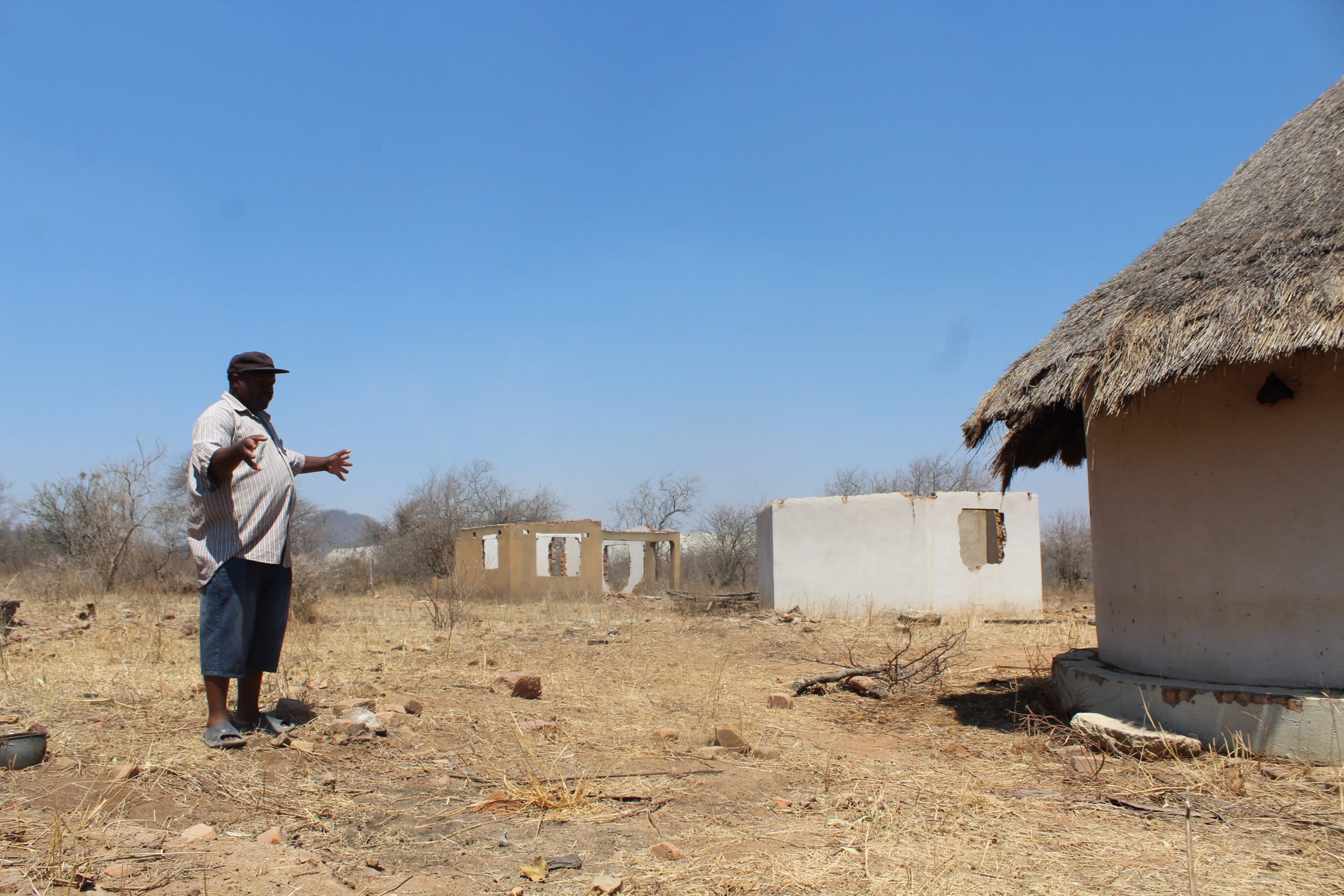
WONDER
MUSHOVE
STANDS
IN
FRONT
OF
HIS
FORMER
HOME.
PHOTO:
BERNARD
CHIKETO
The
borehole
dug
by
the
company
last
year
to
provide
the
village
with
clean
water
has
dried
up,
and
a
local
dam
used
by
villagers
as
a
water
source
for
livestock
was
annexed
during
the
mine’s
construction.
The
company
has
promised
to
replace
both
water
sources
but
is
yet
to
do
so.The
number
of
local
youths
employed
by
the
mine
has
also
been
disappointing,
said
Manhidza.
“From
a
list
of
more
than
20
job
seekers,
which
we
submitted
to
the
company,
only
seven
got
jobs,”
all
working
as
unskilled
labourers,
he
said.
Skilled
workers
come
from
China
and
the
capital
Harare.
Local
workers
are
paid
the
mining
sector’s
minimum
wage
–
at
least
$350
per
month,
according
to
local
trade
unions.
“But
their
working
conditions
are
still
at
minimum
standards,”
said
Justice
Chinhema,
general
secretary
of
the
Zimbabwe
Diamond
and
Allied
Minerals
Workers
Union.
The
union,
he
said,
will
work
to
ensure
the
company
provides
medical,
pension,
and
funeral
insurance.
Dangerous
working
conditions
have plagued
Zimbabwean
mines. Local
media
reports recently
alleged
that
two
workers
died
because
of
unsafe
conditions
at
another
Chinese-run
lithium
mine.
Chengxin
Lithium
told
Climate
Home
most
local
recruits
were
employed
in
a
large-scale
enterprise
for
the
first
time
and
that
all
employees
received
safety
and
skills
training.
It
said
it
will
uphold
its
social
responsibility
and
strive
to
“make
greater
contributions
to
this
land”.
THE
PROCESSING
CHALLENGE
Last
year,
as
the
Chinese-led
scramble
for
Zimbabwe’s
lithium
resources
intensified,
the
government banned
the
export
of
raw
lithium
ore,
requiring
miners
to
start
processing
the
mineral
in-country
in
the
hope
of
cashing
in
on
higher-value
exports.
Companies
investing
in
processing
infrastructure
are
currently
exempt
from
the
ban,
and
truckloads
of
raw
ore
are
reportedly being
illegally
smuggled
out
of
Zimbabwe because
of
poor
enforcement.
However,
Chinese
companies
invested millions
of
dollars in
building
first-stage
processing
plants
–
raising
their
stake
in
the
country’s
nascent
lithium
industry.
At
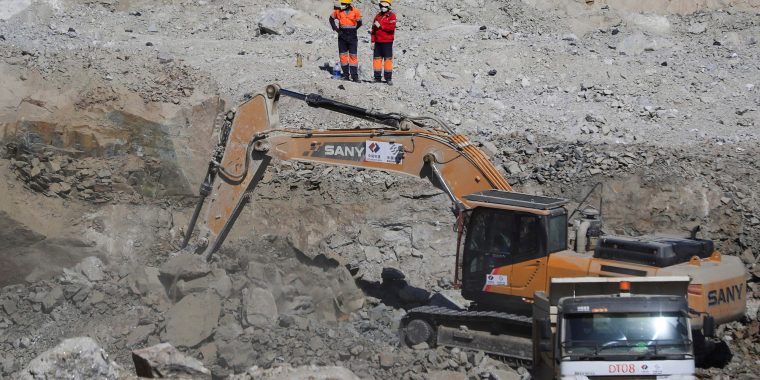
Sabi
Star,
a
$45million
processing
plant
will
start
separating
the
lithium-rich
minerals
from
solid
rocks
to
produce
300,000
tons
of
lithium
concentrate
per
year
for export
to
China.
There,
the
concentrate
will
undergo
further
transformations
to
make
battery-grade
lithium.
PHASE
1
AT
THE
SABI
STAR
MINE
IN
ZIMBABWE,
A
FIRST
PROCESSING
STAGE
AIMS
TO
START
SEPARATING
THE
LITHIUM
CONTENT
FROM
THE
SOLID
ROCK.

It
is
ground
into
fine
powder
to
liberate
the
lithium-rich
minerals
from
other
minerals.
The
powder
is
mixed
with
water
and
chemicals
such
as
fatty
acids,
which
help
carry
the
lithium
mineral
to
the
surface
of
the
mixture
in
the
form
of
froth.

The
froth
is
filtered
and
dried.
This
produces
a
powder
that
is
about
5-6%
lithium
oxide
equivalent,
known
as
spodumene
concentrate.
PHASE
2
SPODUMENE
CONCENTRATE
IS
THEN
EXPORTED
TO
CHINA
WHERE
IT
IS
FURTHER
REFINED
INTO
BATTERY-GRADE
LITHIUM
IN
A
COMPLEX
PROCESS.

Spodumene
concentrate
is
placed
in
a
kiln
and
heated
at
1100°C
for
at
least
30
minutes.

The
ore
is
cooled
to
140°C,
ground
into
a
powder,
and
combined
with
chemical
reagents,
such
as
sulfuric
acid.

The
slurry
is
roasted
in
a
second
kiln
at
250°C
for
10
minutes.
The
resulting
powder
is
leached
with
water
to
dissolve
out
the
lithium,
now
in
soluble
form.
The
lithium
solution
can
then
be
treated
with
sodium
hydroxide
to
produce
lithium
hydroxide,
which
is
used
to
make
cathodes
for
lithium-ion
batteries.
President
Mnangagwa,
who
inaugurated
the
processing
plant
in
August, described it
as
“a
significant
step
towards
harnessing
our
nation’s
mineral
wealth
for
sustainable
development”.
But
producing
lithium
concentrate
won’t
be
enough
to
spur
the
economic
dividends
the
country
needs.
To
fully
reap
the
benefits
of
the
energy
transition,
Zimbabwe
must
play
a
role
in
manufacturing
the
end
product:
batteries,
said
Darlington
Muyambwa,
of
the
Southern
Africa
Resource
Watch.
While
an
awesome
feat
for
a
low-income
country
like
Zimbabwe,
Muyambwa
said
this
could
be
achieved
through
regional
cooperation.
And
there
are
signs
Chinese
investors
are
interested
in
providing
financing.
Eagle
Canyon
International,
a
Hong-Kong
based
company,
is
one
of
two
Chinese
investors
which
committed $2.8
billion to
process
lithium
and
other
minerals
to
battery-grade
level
in
Zimbabwe.
For
opposition
politician
Elton
Steers
Mangoma,
former
energy
and
economic
planning
minister,
this
is
Zimbabwe’s
only
pathway
to
development.
“If
we
are
not
doing
value
addition
as
a
country,
we
should
leave
the
minerals
underground
for
future
generations,
which
might
have
the
capacity
to
add
value.”
Post
published
in:
Business