New York Governor Wants Lawyers To ‘Fight Like Hell’ For The Rule Of Law – Above the Law

Kathy
Hochul
(Photo
by
Heather
Ainsworth/Bloomberg
via
Getty
Images)


Ed.
note
:
Welcome
to
our
daily
feature, Quote
of
the
Day
.


Listen
up,
lawyers,
because
this
could
be
a
business
lead
for
you.
If
you’re
an
ICE
agent
and
you
violate
someone’s
constitutional
rights,
I
want
to
make
sure
that
every
New
Yorker
[has]
a
private
right
of
action
to
stop
them
in
court
and
[hold]
them
responsible….


— New
York
Gov.

Kathy
Hochul
,
in
comments
given
during
a
“spirited”
speech
made
at
the
New
York
State
Bar
Association’s
Presidential
Gala,
where
she

encouraged
lawyers
to
fight
for
the
rule
of
law

while
reaffirming
her
support
for
legislation
that
would
allow
individuals
to
sue
ICE
agents
for
civil
rights
violations.


Staci
Zaretsky
 is
the
managing
editor
of
Above
the
Law,
where
she’s
worked
since
2011.
She’d
love
to
hear
from
you,
so
please
feel
free
to email her
with
any
tips,
questions,
comments,
or
critiques.
You
can
follow
her
on BlueskyX/Twitter,
and Threads, or
connect
with
her
on LinkedIn.

Law Students Protest Culture War Dean Firing – Above the Law

When
it
comes
to
picking
a
law
school
dean
the
University
of
Arkansas
at
Fayetteville
had
one
question
that
carried
a
lot
of
weight
in
the
hiring
process:

What
is
your
stance
on
high
school
student
athletes
taking
hormonal
puberty
treatment
?
Not
because
the
law
school
has
a
prize
relay
race
team
or
anything

they
just
want
to
make
sure
that
any
notions
of
gender
that
match
up
with
contemporary
understandings
of
sexual
differentiation
don’t
make
their
way
in
to
law
school
curricula.
The
glib
explanation
given
by
Bart
Hester
was
that
the
people
of
Arkansas
wouldn’t
want
somebody
that
doesn’t
know
the
difference
between
a
man
and
a
woman
teaching
lawyers,
but
I
think
the
proper
pedagogical
choice
runs
counter
to
the
narrative
Republicans
are
pushing.
Trust
me,
if
you
select
a
dean
that
can
adequately
navigate
the
complexities
of
sex
and
gender
enough
to
know
when
to
use
he/him,
she/they
and

xe/xim
,
they’d
have
no
problem
teaching
a
future
generation
of
lawyers
when
a
property
interest
will
vest,
should
it
do
so
at
all.

You
don’t
have
to
be
a
star
issue
spotter
to
recognize
that
Emily
Suski
signing
a
brief
in
support
of
a
cut-and-dried
Title
IX
issue
shouldn’t
be
a
disqualifying
factor.
But
not
falling
in
line
with
political
doxa
is,
and
Hester
flirting
with
the
idea
of
the
legislature
cutting
some
of
U
of
A’s
funding
is
hard
to
ignore.
That’s
what
we
in
the
biz
call
a
threat.
Law
students
at
U
of
A
have
enough
sense
to
see
what
is
going
on
and
some
of
them
joined
together
to
protest
Suski’s
firing.

Ark
Times

has
coverage:

Law
students
at
the
University
of
Arkansas
in
Fayetteville
are
putting
on
funeral
attire
this
morning
to
mourn
the
death
of
academic
freedom
in
the
state.
The
public
is
invited
to
join
them,
starting
at
11:15
a.m.
at
the
entrance
to
the
Leflar
Law
Center.

A
group
called
Arkansas
Law
Students
for
Academic
Freedom
is
planning
this
demonstration
and
mile-long
walk
for
today
in
the
aftermath
of
a
confusing
and
embarrassing
blowup
in
the
hiring
process
for
a
new
law
school
dean.

Students
should
make
use
of
the
right
to
protest
for
as
long
as
they
have
it.
Hester’s
comfort
in
dangling
the
legislative
purse,

Ken
Levy’s
legal
trouble

over
the
governor
not
liking
his
Trump
bad
mouthing,
and

JD
Vance’s
jawboning

going
after
anyone
who
mentioned
he-who-must-not-be-named
are
all
recent
parts
of
a
trend
toward
cracking
down
on
dissenting
opinions
and
thoughts.
Not
that
the
students
don’t
pick
up
on
the
gravitas
of
the
situation;
it
is
harder
to
come
up
with
a
more
heavy-handed
approach
than
what
they’re
going
with.
But
it
is
appropriate
given
the
circumstances.

What
a
dumb
reason
to
fire
someone
after
two
years
of
trying
to
fill
the
position.


Law
Students
Protest
Ouster
Of
Would-Be
Dean
Over
Her
Legal
Analysis
On
Transgender
Athletes

[Ark
Times]


Earlier
:

Law
School
Dean
Survives
Two-Year
Search,
Falls
To
One-Week
Culture
War


Chris
Williams
became
a
social
media
manager
and
assistant
editor
for
Above
the
Law
in
June
2021.
Prior
to
joining
the
staff,
he
moonlighted
as
a
minor
Memelord™
in
the
Facebook
group Law
School
Memes
for
Edgy
T14s
.
 He
endured
Missouri
long
enough
to
graduate
from
Washington
University
in
St.
Louis
School
of
Law.
He
is
a
former
boatbuilder
who
is
learning
to
swim, is
interested
in
critical
race
theory,
philosophy,
and
humor,
and
has
a
love
for
cycling
that
occasionally
annoys
his
peers.
You
can
reach
him
by
email
at [email protected]
and
by
tweet
at @WritesForRent.

3 Questions For A Patent Litigator Turned Legal Recruiter (Part II) – Above the Law

Last
week,
I
presented

Part
I

of
my
written
interview
with
a
former
patent
litigator
turned
legal
recruiter,
Khurram
Naik.
That
column
presented
his
answer
to
the
first
of
my
three
questions
and
focused
on
the
factors
that
lead
to
the
evergreen
demand
for
elite
patent
litigation
talent.
What
follows
are
Khurram’s
answers
to
my
remaining
two
questions.
As
usual,
I
have
added
some
brief
commentary
to
his
answers
below,
but
have
otherwise
presented
his
answers
as
he
provided
them.


GK:

As
a
former
practicing
patent
litigator
turned
recruiter,
what
are
the
lessons
you
learned
at
Biglaw
that
you
apply
to
your
current
practice
most
regularly?


KN:

Positioning
a
lawyer
for
the
right
firm
is
a
form
of
advocacy,
and
my
background
as
a
patent
litigator
shaped
how
I
approach
it.
I
was
fortunate
to
train
under
a
mentor
with
deep
Federal
Circuit
experience
who
emphasized
being
helpful
to
the
court.
He
focused
on
framing
outcomes
that
made
it
easy
for
judges
to
adopt
his
position,
because
judges
want
help
reaching
the
right
result.

I
apply
the
same
advocacy
principle
in
recruiting.
We
counsel
lawyers
on
how
to
present
their
experience
in
a
way
that’s
genuinely
helpful
to
firms:
clearly
explaining
how
they’ll
contribute
and
how
they
fit
into
a
practice’s
needs.
When
a
lawyer
establishes
that
value
during
interviews,
they
are
convert
more
interviews
into
offers,
even
when
a
role
wasn’t
initially
defined.

This
advocacy
principle
is
also
valuable
in
offer
negotiations.
We
focus
on
structuring
terms
as
win-wins,
not
zero-sum
trades.
A
signing
bonus,
for
example,
isn’t
just
cash;
it
reduces
a
firm’s
risk
in
securing
an
exceptional
lawyer
and
gives
the
lawyer
confidence
in
the
firm’s
commitment
and
fit.


GK
:
We
can
all
benefit
from
effective
advocacy
on
our
behalf,
particularly
when
it
comes
to
career
counseling.
That
need
is
perhaps
most
acute
for
busy
IP
litigators,
who
tend
to
have
gotten
to
that
level
of
practice
precisely
because
they
have
done
such
a
good
job
of
prioritizing
the
needs
of
their
clients.
Every
lawyer
hopes
to
find
a
practice
environment
that
is
a
good
fit
and
also
gives
them
room
for
growth,
but
we
all
know
that
there
are
no
guarantees
on
that
front

and
that
many
toil
in
practices
that
do
not
make
the
most
of
their
abilities
and
potential.
Gathering
the
courage
to
explore
alternatives
is
not
easy,
but
once
someone
starts
down
that
path,
having
a
guide
like
Khurram
can
be
essential
to
reaching
the
right
destination. 


GK:

Where
are
the
biggest
needs
for
IP
groups
and
boutiques
right
now
when
it
comes
to
adding
talent?


KN:

There’s
always
some
cyclicality
in
hiring,
but
the
core
demand
in
patent
litigation
is
remarkably
stable.
Across
BigLaw
and
boutiques
alike,
the
biggest
need
is
for
litigators
who
can
run
cases:
lawyers
trusted
to
take
depositions,
manage
experts,
draft
dispositive
briefs,
and
exercise
judgment
without
supervision.
Those
skills
take
years
to
develop,
so
they
are
coveted.

Trial
readiness
continues
to
matter
even
when
trials
themselves
are
infrequent.
Lawyers
who
understand
how
cases
are
built
end-to-end
bring
a
level
of
judgment
that
firms
value
across
matters.
Cross-forum
fluency,
whether
across
district
court,
PTAB,
ITC,
or
appellate
work,
further
compounds
that
value
and
gives
practices
flexibility
when
workloads
shift.

We’re
seeing
particular
demand
for
life
science
patent
litigators.
For
the
reasons
discussed
above,
life
sciences
matters
are
both
high-stakes
and
evergreen,
so
firms
are
looking
to
ramp
up
their
teams.

Experienced
ITC
lawyers
are
also
highly
in
demand.
These
disputes
aren’t
for
everyone

they’re
a
frenzy
and
often
highly
technical.
But
they
offer
great
experience
in
a
short
period
of
time,
and
certain
firms
are
becoming
experts
in
the
practice
and
need
to
ramp
up
hiring
in
short
order.
Lawyers
with
engineering
or
CS
backgrounds
are
particularly
in
demand.


GK
:
Khurram’s
answer
is
very
valuable,
irrespective
of
where
someone
might
be
in
their
career
cycle.
If
you
are
a
junior
associate,
it
is
helpful
to
know
what
skills
are
marketable
and
the
onus
is
on
you
to
do
your
best
to
acquire
those
skills
at
your
current
firm

or
to
seek
a
new
firm
if
that
proves
impossible.
You
have
less
time
than
you
think.
Likewise,
midlevel
to
senior
associates
and
junior
partners
must
be
honest
with
themselves
about
how
ready
they
are
to
manage
a
patent
dispute
from
beginning
to
end.
Of
course
this
is
a
team
sport
and
trial
experience
is
super
difficult
to
get.
At
the
same
time,
the
more
you
invest
in
skill
development
and
improvement,
the
more
likely
it
will
be
that
if
the
time
ever
comes
where
you
need
Khurram’s
services,
he
will
be
able
to
help.
The
patent
litigation
market
is
ever-changing,
but
the
mix
of
technical
legal
skills,
client
management
skills,
and
commercial
judgment
necessary
to
provide
top-level
client
service
will
always
be
the
benchmark
that
allows
patent
litigators
to
craft
the
careers
that
they
crave

as
opposed
to
the
careers
they
are
asked
to
endure.

My
thanks
to
Khurram
for
the
insights
and
cooperation,
and
I
wish
him
continued
success
with
his
recruiting
agency. 
There
is
no
more
exciting
or
challenging
area
of
legal
practice
than
patent
litigation

and
the
war
among
firms
for
talent
capable
of
providing
exceptional
client
service
in
such
a
competitive
discipline
is
showing
no
signs
of
abating.
Helping
those
capable
of
finding
the
right
place
for
them
to
flourish
is
a
wonderful
thing,
and
we
should
all
be
grateful
that
recruiters
as
thoughtful
and
effective
as
Khurram
are
there
to
make
that
happen
for
their
clients
and
firms.
I
am
always
open
to
conducting
interviews
of
this
type
with
other
IP
thought
leaders,
so
feel
free
to
reach
out
if
you
have
a
compelling
perspective
to
offer. 

Please
feel
free
to
send
comments
or
questions
to
me
at

[email protected]

or
via
Twitter:

@gkroub
.
Any
topic
suggestions
or
thoughts
are
most
welcome.


Gaston
Kroub
lives
in
Brooklyn
and
is
a
founding
partner
of 
Kroub,
Silbersher
&
Kolmykov
PLLC
,
an
intellectual
property
litigation
boutique,
and 
Markman
Advisors
LLC
,
a
leading
consultancy
on
patent
issues
for
the
investment
community.
Gaston’s
practice
focuses
on
intellectual
property
litigation
and
related
counseling,
with
a
strong
focus
on
patent
matters.
You
can
reach
him
at 
[email protected] or
follow
him
on
Twitter: 
@gkroub.

Willkie Farr Hit With $735 Million Fraud Lawsuit – Above the Law

It’s
been
an
eventful
year
for
Willkie
Farr
&
Gallagher.
The
firm
bent
the
knee
to
Donald
Trump,

pledging
$100
million
in
pro
bono
payola

to
avoid
having
to
stand
up
to
the
administration’s
attack
on
Biglaw.
That
decision
didn’t
sit
well
with
the
firm’s
own
attorneys,
triggering

a
mass
exodus
of
West
Coast
partners

who
fled
to
Cooley
rather
than
work
for
a
firm
they
saw
as
compromising
the
rule
of
law.

BRC
Group
Holdings
(the
company
formerly
known
as
B.
Riley
Financial)

filed
a
$735
million
lawsuit
against
Willkie
this
week
,
alleging
the
firm
aided
and
abetted
a
fraud
in
connection
with
a
2023
take-private
deal
involving
Franchise
Group,
the
company
that
runs
Pet
Supplies
Plus.
According
to
the
lawsuit,
fraud
was
like
catnip
for
Franchise
Group
founder
Brian
Kahn,
who
the
plaintiffs
allege
ran
a
“sophisticated
fraud”
to
secure
funds
that
helped
him
pay
off
debts
incurred
defending
against
a

different

hedge
fund
fraud
where

he
ultimately
pleaded
guilty
.
Kahn’s
wife
is
also
named
in
the
new
suit.

BRC
and
its
co-plaintiffs
seek
disgorgement
of
Willkie’s
fees.

Willkie’s
relationship
with
Kahn
has
been
star-crossed
for
a
while.
Last
February,

a
Delaware
bankruptcy
judge
removed
Willkie

from
serving
as
bankruptcy
counsel
for
Franchise
Group
after
amidst

concerns
about
the
firm’s
conflicts
of
interest
.
As
the
judge
noted
at
the
time,
Willkie
failed
to
create
any
ethical
walls
until
after
the
conclusion
of
the
take-private
deal,
meaning
all
the
knowledge
gained
by
the
firm
from
that
transaction
was
properly
“imputed
to
the
firm
as
a
whole.”

Now
BRC,
who
led
the
equity
financing
for
the
take-private
deal
wants
its
money
back
and
sees
Willkie
as
partly
responsible
for
duping
them
in
the
first
place.

But,
hey,
we’re
finally
not
talking
about
the
firm
signing
away
its
integrity
to
the
Trump
administration
so
look
on
the
bright
side!


HeadshotJoe
Patrice
 is
a
senior
editor
at
Above
the
Law
and
co-host
of

Thinking
Like
A
Lawyer
.
Feel
free
to email
any
tips,
questions,
or
comments.
Follow
him
on Twitter or

Bluesky

if
you’re
interested
in
law,
politics,
and
a
healthy
dose
of
college
sports
news.
Joe
also
serves
as
a

Managing
Director
at
RPN
Executive
Search
.

Federal Judge Accuses Trump Team Of Conspiring Against The First Amendment, DOJ Shrugs – Above the Law

Reagan-appointed,
84-year-old
U.S.
District
Judge
William
Young
has
had
just
about
enough
of
the
Trump
administration’s
First
Amendment
nonsense
and
let
that
displeasure
be
known
with
some
rhetorical
violence.
According
to

reporting

from
the
Washington
Post,
last
week
at
a
hearing,
Judge
Young
let
loose
at
the
administration’s
attorneys.
Because
nothing
says
liberal
firebrand
like
“Reagan-appointee,”
I
guess.

In
a
case
brought
by
five
academic
organizations
on
behalf
of
international
students
who
protested
in
support
of
Palestine
who
alleged
that
the
government
retaliated
against
them
by
targeting
their
immigration
status,
Judge
Young
didn’t
bother
with
euphemisms.
He
called
the
president
an
“authoritarian,”
accused
the
administration
of
engaging
in
an
“unconstitutional
conspiracy
to
pick
off
certain
people,”
and
said
the
government
has
excluded
“from
participation
everyone
who
doesn’t
agree
with
them.”

“Talking
straight
here,”
Young
said,
“the
big
problem
in
this
case
is
that
the
Cabinet
secretaries
and
ostensibly,
the
president
of
the
United
States,
are
not
honoring
the
First
Amendment.”
Then
he
turned
his
fire
directly
on
Secretary
of
Homeland
Security
Kristi
Noem
and
Secretary
of
State
Marco
Rubio:
“These
cabinet
secretaries
have
failed
in
their
sworn
duty
to
uphold
the
Constitution.”

Young
went
even
harder,
saying:
“I
find
it
breathtaking
that
I
have
been
compelled
on
the
evidence
to
find
the
conduct
of
such
high-level
officers
of
our
government

cabinet
secretaries

conspired
to
infringe
the
First
Amendment
rights
of
people
with
such
rights
here
in
the
United
States.”
That
is
not
the
language
of
mild
concern.
That
is
the
language
of
a
judge
who
thinks
the
executive
branch
is
playing
Calvinball
with
the
Constitution.

This
isn’t
the
first
time
Young
let
MAGA-ttorneys

have
it
in
this
case.

He’s
previously
likened
some
of
the
administration’s
moves
to
the
tactics
of
the
Ku
Klux
Klan,
which
gives
you
a
real
sense
of
just
how
much
Young
thinks
the
federal
government
has
gone
off
the
rails.

Despite
the
pretty
devastating
benchslap,
the
Department
of
Justice
took
an
aggressive
approach
with
Young.
At
the
hearing,
DOJ
attorney
Paul
Stone
tried
the
bold
strategy
of
arguing
that
“there
isn’t
any
remedy
that
the
court
can
offer.”
Judge
Young
responded
exactly
like
someone
who
has
been
doing
this
job
since
the
mid-80s,
“You’re
telling
me
there
is
no
remedy!?”

Now
the
only
real
question
left
is
whether
the
ruling
that
comes
later
this
week
matches
the
tone
of
the
hearing,
if
so,
that’ll
be
appointment
reading.


Kathryn
Rubino
is
a
Senior
Editor
at
Above
the
Law,
host
of

The
Jabot
podcast
,
and
co-host
of

Thinking
Like
A
Lawyer
.
AtL
tipsters
are
the
best,
so
please
connect
with
her.
Feel
free
to
email

her

with
any
tips,
questions,
or
comments
and
follow
her
on
Twitter

@Kathryn1
 or
Mastodon

@[email protected].

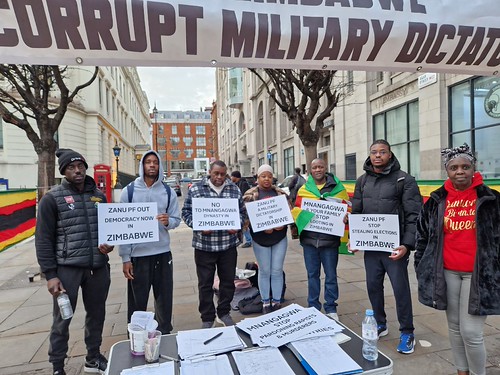
Zimbabwe Vigil Diary 17th January 2026


https://www.flickr.com/photos/zimbabwevigil/55046964807/sizes/m/

Thanks
to
those
who
came
today:
Tadiwa
Chinyanganya,
Blessing
Harry,
Jonathan
Kariwo,
Philip
Maponga,
Patricia
Masamba,
Tanaka
Mutukwa,
Samantha
Pfupajena,
Ephraim
Tapa
and
Tatenda
Tsumba.
Photos:

https://www.flickr.com/photos/zimbabwevigil/albums/72177720331517587/
.

On
15
January
2026,
Uganda
went
to
the
polls
to
elect
its
president
and
parliamentary
representatives. This
followed
a
spirited
campaign
from
the
opposition
movement,
with
tens
of
thousands
attending
each
of
their
rallies,
far
more
than
compared
to
the
crowds
attracted
by
the
octogenarian
President
Museveni.

It
would
appear
the
massive
show
of
support
irked
the
President
and
his
son,
General
Muhozi,
as
they
deployed
every
trick
in
the
book
to
thwart
the
people’s
will.
Opposition
supporters
were
arbitrarily
arrested,
intimidated,
and
threatened
while
opposition
leader
Bobi
Wine
was
repeatedly
harassed,
blocked,
and
terrorised
by
armed
authorities
as
he
crisscrossed
the
country
in
campaigns.

Days
before
the
election,
the
Internet
was
shut
down
nationally.
The
voting
process
itself
was
marred
by
technical
glitches,
unexplained
delays,
and
voter
manipulation,
among
other
things.

Amid
allegations
of
massive
rigging
and
rampant
electoral
malpractices,
the
state
controlled
electoral
commission
gave
the
victory
to
Museveni. AU
observers
congratulated
Museveni
whilst
expressing
concern
over
the
dark
cloud
and
manner
in
which
the
election
was
conducted.

All
well-choreographed
to
mirror
the
Zimbabwe
experience. Wither
Africa!

The
international
community
was
not
alone
in
condemning
the
stolen
election,
which
was
also
rightly
condemned
by
vigil
activists. Africa,
like
Zimbabwe,
needs
new
leaders,
a
changed
mindset!

For
Vigil
pictures
check: http://www.flickr.com/photos/zimbabwevigil/.
Please
note:
Vigil
photos
can
only
be
downloaded
from
our
Flickr
website.


Events
and
Notices: 


  • Next
    Vigil
    meeting
    outside
    the
    Zimbabwe
    Embassy. 
    Saturday
    7th February
    from
    2

    5
    pm.
    We
    meet
    on
    the
    first
    and
    third
    Saturdays
    of
    every
    month.
    On
    other
    Saturdays
    the
    virtual
    Vigil
    will
    run.

  • The
    Restoration
    of
    Human
    Rights
    in
    Zimbabwe
    (ROHR)
     is
    the
    Vigil’s
    partner
    organisation
    based
    in
    Zimbabwe.
    ROHR
    grew
    out
    of
    the
    need
    for
    the
    Vigil
    to
    have
    an
    organisation
    on
    the
    ground
    in
    Zimbabwe
    which
    reflected
    the
    Vigil’s
    mission
    statement
    in
    a
    practical
    way.
    ROHR
    in
    the
    UK
    actively
    fundraises
    through
    membership
    subscriptions,
    events,
    sales
    etc
    to
    support
    the
    activities
    of
    ROHR
    in
    Zimbabwe.

  • The
    Vigil’s
    book
    ‘Zimbabwe
    Emergency’
     is
    based
    on
    our
    weekly
    diaries.
    It
    records
    how
    events
    in
    Zimbabwe
    have
    unfolded
    as
    seen
    by
    the
    diaspora
    in
    the
    UK.
    It
    chronicles
    the
    economic
    disintegration,
    violence,
    growing
    oppression
    and
    political
    manoeuvring

    and
    the
    tragic
    human
    cost
    involved. It
    is
    available
    at
    the
    Vigil.
    All
    proceeds
    go
    to
    the
    Vigil
    and
    our
    sister
    organisation
    the
    Restoration
    of
    Human
    Rights
    in
    Zimbabwe’s
    work
    in
    Zimbabwe.
    The
    book
    is
    also
    available
    from
    Amazon.


  • Facebook
    pages:   

  • Vigil : 
    https ://www.facebook.com/zimbabwevigil
  • ROHR: https://www.facebook.com/Restoration-of-Human-Rights-ROHR-Zimbabwe-International-370825706588551/
  • ZAF: https://www.facebook.com/pages/Zimbabwe-Action-Forum-ZAF/490257051027515

The
Vigil,
outside
the
Zimbabwe
Embassy,
429
Strand,
London
meets
regularly
on
Saturdays
from
14.00
to
17.00
to
protest
against
gross
violations
of
human
rights
in
Zimbabwe.
The
Vigil
which started
in
October
2002
will
continue
until
internationally-monitored,
free
and
fair
elections
are
held
in
Zimbabwe.

Alexi Fires Back at Fastcase Lawsuit with Counterclaims Alleging Anticompetitive Conduct Following Clio’s $1B Acquisition

Alexi
Technologies
has
filed
its
answer
and
counterclaim
against
Fastcase,
vLex,
and
Clio,
accusing
the
newly
merged
legal
technology
giant
of
manufacturing
breach-of-contract
allegations
as
a
pretext
to
eliminate
a
competitor
in
the
AI
legal
research
market.

In
December,

Fastcase
,
now
owned
by 
Clio,
sued

Alexi

in
the
U.S.
District
Court
for
the
District
of
Columbia,

alleging
breach
of
contract,
trademark
infringement
and
trade
secret
misappropriation
,
all
relating
to
Alexi’s
use
of
data
licensed
from
Fastcase.

But
in
a

65-page
filing
submitted
late
Friday
,
the
Toronto-based
AI
legal
research
company
not
only
denied
Fastcase’s
breach
of
contract
and
intellectual
property
claims,
but
launched
its
own
offensive
with
a
counterclaim
listing
six
causes
of
action.

These
include
allegations
that

Clio’s
$1
billion
acquisition
of
vLex/Fastcase
,
which
closed
Nov.
10,
violates
federal
antitrust
law,
and
that
Clio
engaged
in
tortious
interference
with
Alexi’s
business
relationships. 

In
response
to
Alexi’s
court
filing,
a
spokesperson
for
Clio
issued
this
statement:
“Fastcase
categorically
denies
Alexi
Technologies’
baseless
allegations.
Alexi’s
claims
add
noise
beyond
what
is,
at
its
core,
a
dispute
about
compliance
with
a
straightforward
licensing
agreement
that
explicitly
prohibits
use
of
the
data
for
commercial
or
competitive
purposes.
Alexi’s
own
public
statements
indicate
the
data
was
used
for
commercial
purposes.
This
counterclaim
shifts
attention
away
from
that
misuse
and
challenges
Fastcase
for
enforcing
its
contractual
rights
and
protecting
intellectual
property
it
has
built
over
many
years.”


From
Partnership
to
Litigation

The
counterclaim
tells
a
story
of
what
Alexi
characterizes
as
a
dramatic
reversal,
from
years
of
a
productive
partnership
to
sudden
and
aggressive
litigation

all
triggered
by
Clio’s
acquisition
of
vLex/Fastcase.

Alexi’s
filing
argues
that
it
and
Fastcase
operated
under
their
data
license
agreement
without
incident
for
nearly
four
years,
with
Fastcase
providing
daily
caselaw
updates
that
Alexi
used
to
develop
its
AI-powered
legal
memo
service.

The
relationship
was
collaborative
enough,
Alexi
says,
that
in
2023,
vLex
(which
had
merged
with
Fastcase

earlier
that
year)
named
Alexi
CEO

Mark
Doble

a

Fastcase
50
honoree
,
specifically
citing
his
creation
of
an
AI
tool
that
“swiftly
delivers
answers
in
a
clear,
concise
memo
format.”

But
everything
changed,
Alexi
alleges,
once
Clio
gained
control
over
the
Fastcase
database
through
its
acquisition. 


The
‘Backfile’
Purchase
Right

Central
to
Alexi’s
counterclaim
is
a
provision
in
the
original
2021
data
license
agreement
that
purportedly
guaranteed
any
acquirer
of
Alexi
the
right
to
purchase
the
Fastcase
backfile
with
no
restrictions
for
a
sum
that
is
redacted
in
the
court
filing
but
described
as
nominal.

This
right,
Alexi
argues,
“is
a
unique
asset
in
the
legal
tech
world”
and
“the
only
realistic
foothold
for
a
competitor
to
create
a
new
comprehensive
primary-law
database.”

“It’s
really
a
safeguard,”
Doble
told
me
in
an
interview
Saturday.
“We
built
this
technology
around
this
data
and
it’s
a
safeguard
for
any
acquirer
to
be
able
to
purchase
the
data.
So
any
change-of-control
transaction
triggers
this
option
for
an
Alexi-affiliated
party
to
purchase
the
entire
backlog.”

The
backfile,
Doble
told
me,
refers
to
Fastcase’s
complete
database
of
U.S.
caselaw

not
just
what
Alexi
had
been
licensing,
but
everything.
“The
full
Fastcase
backfile
of
all
the
case
law,”
he
said.

According
to
Alexi’s
filing,
Clio
discovered
this
provision
during
due
diligence
ahead
of
the
closing
and
immediately
moved
to
eliminate
it.
Alexi’s
counterclaim
alleges
that
in
an
Oct.
20,
2025,
phone
call,
former
Fastcase
CEO

Ed
Walters

(then
vLex’s
chief
strategy
officer)
demanded
Alexi
relinquish
the
backfile
purchase
right
without
compensation.
When
Doble
asked
what
would
happen
if
Alexi
refused,
Walters
allegedly
warned,
“there
would
be
trouble.”

“Nobody
outside
of
Clio
or
vLex
presumably
knows
what
value
they
ascribe
to
the
backfile
in
that
transaction,”
Doble
said
in
our
call.
“But
presumably
it
was
very
problematic
for
them
in
diligence
to
discover
this
option
to
purchase
it
at
this
rate
that
was
probably
very
different
from
the
rate
that
they
had
booked
in
their
financials.”

Seven
days
after
that
phone
call,
vLex
sent
Alexi
a
notice
claiming
breach
of
contract,
which
was
the
first
such
allegation
in
the
parties’
four-year
relationship,
Alexi
alleges.

Significantly,
Doble
noted
that
“the
right
to
purchase
this
backlog
survives
termination
of
the
agreement
and
termination
for
any
reason”

suggesting
that
even
if
Fastcase’s
termination
of
the
license
agreement
were
upheld,
the
backfile
purchase
option
would
remain.


A
‘Clog
on
Competition’

In
its
counterclaim,
Alexi
goes
beyond
the
licensing
issues
to
contend
that
Clio’s
acquisition
of
Fastcase
and
vLex
constitutes
an
antitrust
violation
under
Section
7
of
the
Clayton
Act,
which
prohibits
mergers
that
may
substantially
lessen
competition.

“The
anticompetitive
effects
of
Clio’s
acquisition
of
Fastcase
and
vLex
are
demonstrated
by
its
ability
and
incentive
to
foreclose
rivals
and
stifle
innovation
and
competition,
reduce
quality
and
worsen
terms,
reduce
consumer
choice,
and
increase
prices
in
the
legal
AI
services
market,”
the
filing
argues.

Alexi
identifies
two
relevant
markets
in
which
competition
will
be
lessened:
the
“comprehensive
legal
database
market”
and
the
“AI
legal-analysis
services
market.”
In
the
database
market,
Alexi
notes,
there
are
only
three
comprehensive
primary-law
databases
worldwide:
Westlaw
(Thomson
Reuters),
LexisNexis,
and
Fastcase/vLex
(now
Clio).

Fastcase,
Alexi
alleges,
was
the
only
one
of
the
three
that
licensed
its
database
programmatically
to
independent
AI
legal
research
companies.

“Before
the
vLex
acquisition,
Fastcase
eagerly
licensed
its
data,
on
a
programmatic
basis,
to
such
AI
legal-analysis
providers,”
the
counterclaim
states,
citing
Fastcase
founder
Ed
Walter’s
statement
of
the
company’s
mission
as
being
to
make
law
“like
electric
power:
nearly
ubiquitous,
inexpensive,
reliable,
and
useful
for
powering
other
things.”

(Although
not
attributed
in
the
court
filing,
that
quote
is
from

a
2017
interview
I
did
with
Walters
.)

By
contrast,
neither
Westlaw
nor
LexisNexis
licenses
their
databases
for
programmatic
use
by
third-party
AI
providers.
Westlaw
has
“aggressively
prevented
AI
tools
from
accessing
that
data,”
Alexi
notes,
citing
the
publisher’s
high-profile
lawsuit
against
now-defunct
ROSS
Intelligence.

LexisNexis
entered
into
what
Alexi
describes
as
an
exclusive
arrangement
with
Harvey
AI
in
January
2025,
but
does
not
license
programmatically
to
other
market
participants.

The
filing
quotes
Clio’s
CFO
describing
the
post-merger
competitive
landscape:
“There’s
really
three
datasets
like
this
on
the
planet.
It’s
what
we
have,
what
Thomson
Reuters
has,
and
what
LexisNexis
has.
We
think
a
lot
of
competitors
are
going
to
find
it
increasingly
difficult
to
compete
against
that
database.”

Alexi
argues
that
Clio
now
has
both
the
ability
and
incentive
to
foreclose
rivals
in
the
AI
legal
research
market
from
accessing
essential
caselaw
data.

“Clio’s
control
over
the
only
programmatically
licensable
database
for
legal
AI
service
providers
will
act
as
a
clog
on
competition
and
result
in
substantial
market
foreclosure,”
the
counterclaim
says.


 If
not
enjoined,
Clio’s
foreclosure
will
stifle
innovation,
reduce
quality
and
worsen
terms,
reduce
consumer
choice,
and
increase
prices
in
the
legal
AI
services
market.”

Alexi
is
represented
in
this
matter
by

Joshua
Hafenbrack
,
a
Winston
&
Strawn
partner
who,
as
a
lawyer
in
the
U.S.
Justice
Department’s
Antitrust
Division
in
2023,
represented
the
United
States
in
its
2023
antitrust
case
against
Google.


Evidence
of
Shared
Understanding

Throughout
Alexi’s
counterclaim,
it
argues
that
there
is
extensive
evidence
that
both
parties
understood
and
accepted
how
Alexi
was
using
the
Fastcase
data
throughout
their
four-year
relationship.

“There’s
what
we
believe
to
be
a
preponderance
of
evidence
that
Fastcase/vLex
themselves
had
full
understanding
of
the
scope
of
the
license,”
Doble
said.
“And
we’ve
always
understood
that
we’ve
operated
within
that
scope.
And
over
four
years,
we’ve
got
lots
of
extensive
documentation
to
fully
demonstrate
that
and
corroborate
that.”

After
vLex
and
Fastcase
merged,
he
said,
senior
vLex
executives
did
trials
of
Alexi’s
product,
giving
them
full
insight
into
how
it
worked.
“We
don’t
use
the
data
in
any
different
way
now
than
we
did
two
years
ago,”
Doble
said.

The
counterclaim
details
several
examples
of
Fastcase
and
vLex
executives
being
fully
aware
of
and
supportive
of
Alexi’s
AI-powered
memo
service,
including
partnership
discussions
in
2022
and
the
2023
Fastcase
50
award.


Contract
Interpretation
Dispute

Alexi
strongly
disputes
Fastcase’s
breach-of-contract
allegations.
Those
allegations
centered
on
two
main
contentions:
that
Alexi
improperly
used
Fastcase
data
for
commercial
purposes
competitive
with
Fastcase,
and
that
Alexi
improperly
distributed
Fastcase
data
by
providing
links
to
cases.

Alexi
characterizes
these
allegations
as
resting
on
“a
tortured
reading
of
isolated,
undefined
terms
that
are
untethered
to
the
Agreement
as
a
whole
and
the
Parties’
clear
intent.”

Regarding
the
“internal
research”
restriction,
Alexi
argues
that
the
agreement
“draws
no
distinction
between
human
researchers
and
software
agents
carrying
out
internal
research.”
It
contends
that
when
the
parties
formed
the
contract,
Fastcase
described
the
license
restrictions
as
prohibiting
“bulk
sale”
and
preventing
content
from
being
“made
available
through
[a]
traditional
legal
research
product
like
Fastcase,”
but
it
did
not
prohibit
AI-generated
memos.

“If
Clio’s
new
sweeping
interpretation
of
the
‘commercial’
and
‘competitive
restrictions’
were
correct,
the
entire
Agreement
would
be
nonsensical,
because
Alexi
is
and
always
has
been
a
for-profit
commercial
business
offering
AI-generated
legal
memos,”
the
filing
argues.

Regarding
the
linking
allegations,
Alexi
asserts
that
Fastcase’s
chief
product
officer
expressly
told
Doble
in
January
2022
that
he
had
Fastcase’s
approval
to
provide
public
links
to
Fastcase
cases.
Fastcase
later
provided
technical
support
to
facilitate
this
feature
through
its
API.

“Fastcase
cannot
endorse
and
facilitate
Alexi’s
linking
feature;
never
object
to

and
in
fact
benefit
from

that
feature
for
nearly
four
years;
provide
technical
assistance
to
implement
that
feature;
and
then
claim
the
conduct
violated
the
contract
all
along
after
a
merger
produced
a
new
owner
that
viewed
Alexi
as
a
competitive
threat,”
Alexi
argues.


Forced
to
Layoff
Staff

The
counterclaim
details
what
Alexi
characterizes
as
severe
and
immediate
harm
to
its
business
following
the
lawsuit
and
termination
of
data
updates.

According
to
the
filing,
immediately
after
litigation
was
filed
in
late
November
2025,
Alexi
suffered
multiple
setbacks.
One
potential
acquirer
whose
board
had
approved
a
letter
of
intent
for
a
full
acquisition
went
cold
after
the
lawsuit
became
public.
Other
acquisition
discussions
similarly
stalled.
Customers
cancelled
or
failed
to
renew
subscriptions.
The
company’s
“growth
trajectory,
revenue,
fundraising
prospects,
and
valuation
all
have
been
materially
impaired.”

Most
drastically,
Alexi
says,
it
has
been
“forced
to
lay
off
two-thirds
of
its
staff”
in
recent
weeks
due
to
the
damage
caused
by
the
litigation
and
loss
of
daily
data
updates.

On
Dec.
6,
2025,
Fastcase
stopped
providing
the
daily
caselaw
updates
provided
under
the
agreement

updates
that
are
“critical
to
Alexi’s
ability
to
provide
customers
with
reliable
and
accurate
legal
analyses.”


Doble:
‘We’re
Very
Resilient’

In
our
brief
interview
Saturday,
Doble
acknowledged
the
significant
toll
the
litigation
has
already
taken
on
his
business
but
emphasized
his
team’s
determination
to
weather
the
storm.

He
said
that
2025
had
been
the
company’s
best
year
ever
and
that
the
company
had
been
involved
in
discussions
about
being
acquired
about
raising
a
Series
B
financing.
“And
then
all
of
those
trends
have
certainly
changed,”
he
said.

Despite
the
setbacks,
Doble
struck
a
note
of
resilience:
“We’re
very
resilient.
We’ll
get
through
it.
We’ve
got
an
amazing
team
around
us,
including
of
investors
and
financial
backers,
and
we’re
confident
that
we’ll
at
least
weather
this
and
get
through
it,
but
not
without
significant
damage
to
the
company.”

He
sees
the
case
as
having
implications
for
the
entire
legal
tech
industry,
he
said.

“It
speaks
to
the
importance
of
having
an
open,
competitive
legal
technology
industry.
All
working
collaboratively,
but
competitively,
is
really
important
for
the
industry
to
succeed.

Competition
is
important,
it’s
good,
but
we
should
be
collaborative
at
the
same
time.”

Regarding
Alexi’s
current
operations,
Doble
said
the
company
has
made
cuts
but
retained
“a
core
group”
that
remains
“really
motivated.”
The
company
still
has
“full
teams
across
product
sales,
marketing,
engineering

still
doing
a
lot
of
the
critical
work
that
we
have
to
do
for
our
existing
customers
and
new
customers.

“We’re
still
planning
on
growing,
we’re
still
building.
Our
roadmap
has
not
been
impacted.”


A
‘Maverick
Competitor’

In
its
counterclaim,
Alexi
positions
itself
as
a
“maverick
competitor”
in
the
legal
research
market
in
that
it
offers
AI
legal
analysis
on
a
standalone
basis
at
much
lower
cost
than
the
vertically
integrated
offerings
from
Westlaw,
LexisNexis
and
now
Clio.

While
those
companies
bundle
AI
services
with
expensive
database
subscriptions,
Alexi
provides
AI
memos
independently,
making
the
service
more
affordable.

The
company
also
distinguishes
itself
from
general-purpose
AI
chatbots
such
as
ChatGPT,
emphasizing
that
its
AI
is
grounded
in
comprehensive
caselaw,
less
prone
to
hallucination,
and
offers
private
cloud
environments
that
protect
attorney-client
privilege

features
essential
for
legal
practice.

As
I
have
mentioned
before,
the
case
has
echoes
of

Thomson
Reuters’
long-running
lawsuit
against
ROSS
Intelligence
.
The
litigation
represents
a
high-stakes
battle
between
a
startup
that
built
its
business
on
what
it
viewed
as
a
legitimate
use
of
caselaw
data
and
an
industry
giant
that
appears
determined
to
protect
its
strategic
position,
at
any
cost.


The
case
is
Fastcase,
Inc.
v.
Alexi
Technologies
Inc.,
Case
No.
1:25-cv-04159,
in
the
U.S.
District
Court
for
the
District
of
Columbia.


Small Frictions, Big Fixes: What Carl Davidson’s Inbox Struggle Teaches Legal Tech – Above the Law

For
all
our
talk
of
AI
disruption,
few
legal
teams
are
tackling
the
true
productivity
killer:
tab
switching.
Email
bloat.
Scattered
context.
Carl
Davidson
noticed
it
while
practicing
immigration
law.
His
clients
needed
answers.
His
inbox
overflowed.
His
case
files
were
always
one
click
too
far
away.
And
somewhere
between
toggling
screens
and
pasting
notes,
he
realized
the
problem
wasn’t
the
complexity
of
the
law
it
was
the
friction
in
the
workflow.

Davidson
left
law
practice
and
built
Candle
AI,
a
tool
designed
to
bring
structure
to
legal
email.
But
what
he’s
really
building
is
a
broader
argument
for
legal
innovation:
the
future
is
not
just
about
powerful
tech.
It’s
about
invisible
tech
that
removes
the
invisible
barriers
buried
in
our
day-to-day
work.

Watch
the
full
interview
on
“Notes
to
My
(Legal)
Self”
here:


Why
Lawyers
Don’t
Adopt
Good
Tools
And
How
To
Fix
It

Davidson
spent
years
in
product
at
Intuit
before
launching
Candle.
There,
he
learned
something
every
in-house
legal
team
should
internalize:
the
user
experience
must
deliver
value
instantly.

“The
magic
moment
needs
to
happen
in
seconds,”
he
said.
“You
can’t
expect
people
to
adopt
something
if
they
can’t
see
the
value
within
a
few
seconds.”

It’s
not
because
lawyers
are
change-averse.
It’s
because
most
tools
ask
too
much
before
they
give
anything
back.
Log
in.
Learn
a
new
dashboard.
Remember
one
more
password.
All
before
answering
the
client’s
actual
question.

Davidson
built
Candle
to
show
value
where
lawyers
already
work
right
inside
Gmail
and
Outlook.
No
tab
switching.
No
tool
toggling.
No
delay
between
question
and
answer.
The
result?
Structured
case
data
at
your
fingertips
while
you
reply
to
that
11:57
p.m.
email
from
the
GC.


Legal
Isn’t
A
Practice
Anymore,
It’s
A
System

If
this
sounds
familiar,
it
should.
Whether
you’re
reviewing
vendor
contracts
or
prepping
for
litigation,
the
pattern
is
the
same.
Legal
professionals
are
not
failing
because
they
lack
knowledge.
They
are
failing
because
the
knowledge
is
buried.
In
inboxes.
In
PDFs.
In
siloed
systems.

This
is
not
a
UX
problem.
It
is
a
system
design
problem.
Davidson’s
insight
applies
beyond
email.
It
applies
to
every
contract
repository
that
can’t
be
searched,
every
clause
that
gets
redlined
five
times,
every
intake
form
that
still
arrives
as
a
Word
doc.

Small
frictions
create
massive
drag.
Remove
them,
and
velocity
returns.


From
Friction
To
Flow:
What
In-House
Teams
Can
Do
Now

The
good
news
is
that
solving
small
frictions
does
not
require
overhauling
your
entire
tech
stack.
In
fact,
the
most
powerful
gains
often
come
from
integrating
tools
into
existing
habits.

Start
where
the
friction
lives.
Is
your
contract
review
process
stuck
in
version
hell?
Add
pre-analyzed
certification
layers
that
score
risk
before
you
ever
open
a
redline.
Is
your
team
overwhelmed
by
inbound
vendor
requests?
Create
structured
intake
flows
that
automatically
trigger
the
right
playbook.

The
solution
is
not
more
software.
It
is
software
that
shows
up
in
the
right
place,
at
the
right
moment,
with
the
right
structure.


Design
Tools
Around
Attention,
Not
Just
Output

Carl
Davidson
did
not
build
Candle
because
email
is
sexy.
He
built
it
because
email
is
where
attention
lives.
That’s
the
strategic
unlock.
The
most
impactful
legal
tools
are
not
the
most
advanced.
They
are
the
ones
that

respect
attention
.
That
show
value
before
asking
for
commitment.
That
reduce
friction
rather
than
adding
features.

“You
can’t
automate
judgment,”
Davidson
said.
“But
you
can
eliminate
the
noise
that
distracts
from
it.”

That
is
the
real
value
proposition.
Not
artificial
intelligence.
Actual
usefulness.


What
Contract
Tech
Can
Learn
from
Inbox
Tech

At
TermScout,
we’ve
learned
a
similar
lesson.
You
don’t
need
to
wow
users
with
AI.
You
need
to
reduce
the
time
to
trust.
That
means
certified
contracts
that
speak
for
themselves.
Clause-level
insights
that
eliminate
guesswork.
Interfaces
that
work
inside
your
existing
review
tools.

Legal
professionals
don’t
need
more
power.
They
need
less
friction.
Tools
that
nudge
clarity
forward.
Systems
that
surface
the
right
context
at
the
right
moment.
Frictionless
adoption
is
not
a
UX
bonus.
It
is
the
difference
between
tools
that
get
used
and
tools
that
get
ignored.

Carl
Davidson
didn’t
build
Candle
to
change
the
world.
He
built
it
to
change
the
day.
And
sometimes,
that’s
the
only
change
that
matters.


Olga
V.
Mack
is
the
CEO
of
TermScout,
where
she
builds
legal
systems
that
make
contracts
faster
to
understand,
easier
to
operate,
and
more
trustworthy
in
real
business
conditions.
Her
work
focuses
on
how
legal
rules
allocate
power,
manage
risk,
and
shape
decisions
under
uncertainty.


A
serial
CEO
and
former
General
Counsel,
Olga
previously
led
a
legal
technology
company
through
acquisition
by
LexisNexis.
She
teaches
at
Berkeley
Law
and
is
a
Fellow
at
CodeX,
the
Stanford
Center
for
Legal
Informatics.


She
has
authored
several
books
on
legal
innovation
and
technology,
delivered
six
TEDx
talks,
and
her
insights
regularly
appear
in
Forbes,
Bloomberg
Law,
VentureBeat,
TechCrunch,
and
Above
the
Law.
Her
work
treats
law
as
essential
infrastructure,
designed
for
how
organizations
actually
operate.

Biglaw Firm Swoops In As Midsize Firm Collapses, Scooping Up Its Lawyers – Above the Law

Cropped
shot
of
business
people
standing
in
a
modern
office,
shaking
hands
after
having
a
successful
meeting
and
reaching
an
agreement.
Welcoming
new
hire.
Celebrating
success
and
achievement.

Louisiana-based
McGlinchey
Stafford
rang
in
the
new
year
by

announcing
it
would
shut
down
,
leaving
many
lawyers
“scrambling
for
jobs”
in
the
wake
of
the
midsize
firm’s
unexpected
decision
to
wind
down.
Some,
however,
were
lucky
enough
to
be
part
of
a
recently
announced
group
lateral
move
to
a
transatlantic
Biglaw
firm

one
that’s
been
in
the
works
since
early
December.

Womble
Bond
Dickinson

a
firm
that
brought
in
$612,200,000
gross
revenue
in
2024,
putting
it
at
No.
92
on
the
Am
Law
100

is
bringing
on
a
36-member
team
from
the
soon-to-shutter
McGlinchey,
including
19
lawyers
(11
partners,
three
counsels,
and
five
associates)
and
17
licensing
professionals
from
the
firm’s
consumer
financial
services
group.
The

American
Lawyer

has
additional
details
on
what
this
means
for
Womble:

[T]he
team’s
move
allows
Womble
to
open
new
offices
in
Albany,
New
York,
and
Cleveland,
Ohio—where
it
already
employed
some
lawyers—and
brings
Womble’s
total
to
31
offices
in
the
U.S.
and
39
globally.
It
also
expands
existing
offices
in
Houston,
Washington,
D.C.
and
Irvine,
California,
firm
officials
said.

While
multiple
other
attorneys
had
already
planned
their
exits,
was
this
group
departure
the
straw
that
broke
the
camel’s
back
when
it
came
to
McGlinchey’s
decision
to
close
up
shop?
Although
the
firm
acknowledged
that
“a
number”
of
attorneys
had
recently
announced
plans
to
leave,
managing
member

Michael
Ferachi

said
that
its
decision
wasn’t
due
to
“any
specific
attorney’s
departure.”
Merrick
Benn,
Womble’s
U.S.
chair,
told

Am
Law

that
his
firm’s
talks
with
the
incoming
McGlinchey
team
started
on
December
8
and
the
deal
was
finalized
by
December
26.
A
little
more
than
one
week
later,
McGlinchey’s
equity
members

voted
to
wind
down
.
As
noted
by

Reuters
,
Mark
Edelman,
leader
of
the
group
that
decamped
for
Womble,
“declined
to
comment”
on
the
timing
of
the
move,
as
did
a
spokesperson
for
McGlinchey.

McGlinchey’s
collapse
closed
one
chapter,
while
Womble
Bond
Dickinson
opened
several
new
ones

an
increasingly
common
dynamic
in
a
legal
market
that
rewards
scale,
and
a
difficult
one
for
the
lawyers
and
staff
left
navigating
an
abrupt
ending.


Law
firm
Womble
adds
19
lawyers
from
shuttering
firm

[Reuters]


Womble
Bond
Dickinson
Adds
19
Lawyers
from
McGlinchey,
Expands
into
Midwest
and
Upstate
NY

[American
Lawyer]


Earlier
:

Midsize
Firm
Kicks
Off
The
New
Year
By
Announcing
Plans
To
Close
Its
Doors


Staci
Zaretsky
 is
the
managing
editor
of
Above
the
Law,
where
she’s
worked
since
2011.
She’d
love
to
hear
from
you,
so
please
feel
free
to email her
with
any
tips,
questions,
comments,
or
critiques.
You
can
follow
her
on BlueskyX/Twitter,
and Threads, or
connect
with
her
on LinkedIn.

From Cost Center To Value Engine: Patent Management In The AI Era – Above the Law

How
patent
work
is
structured
shapes
how
it
is
valued. 

In
a
recent
Tradespace
and
Above
the
Law
survey,
two-thirds
of
companies
that
draft
patents
in-house
described
IP
as
a
value
driver,
while
71
percent
of
companies
that
outsource
drafting
viewed
IP
as
a
cost.

Inside
this
whitepaper,
we
explore:


Proximity
Changes
Strategy

When
drafting
and
prosecution
move
inside,
IP
teams
work
closer
to
engineers
and
product
leaders.
This
proximity
improves
invention
quality,
strengthens
claim
strategy,
and
aligns
patent
decisions
with
product
direction,
market
timing,
and
business
priorities.


Scale
Breaks
Mid-Market
Teams
First

Companies
in
the
$51
million
to
$499
million
revenue
range
report
the
lowest
satisfaction
with
staffing
ratios.
Patent
workloads
continue
to
grow
through
disclosures,
foreign
filings,
office
actions,
maintenance,
and
engineering
collaboration,
even
as
headcount
plateaus.
Without
systems,
scale
creates
strain.


Technology
Enables
the
Shift

A
majority
of
surveyed
organizations
expect
to
invest
in
IP
technology
within
three
to
five
years,
citing
faster
drafting
cycles,
improved
accuracy,
clearer
portfolio
insight,
stronger
product
coordination,
and
more
predictable
review.
AI
makes
internalization
viable
for
lean
teams
by
absorbing
mechanical
work
and
stabilizing
growth.