H.R.
1,
known
as
the
One
Big
Beautiful
Bill
Act,
will
enact
significant
changes
to
Medicaid
in
January
2027,
including
work
requirements
for
certain
enrollees
to
maintain
eligibility.
It’s
estimated
that
millions
of
people
could
lose
coverage
due
to
these
work
requirements.
But
is
it
possible
that
there
will
be
a
slow
implementation
of
these
changes,
in
terms
of
removing
people
from
coverage?
One
healthcare
expert
believes
there
may
need
to
be.
“I
really
struggle
to
see
the
policy
being
launched
in
full
form,
in
full
effectiveness
on
January
1
in
an
enforceable
way,”
said
Matt
Salo,
founder
of
Salo
Health
Strategies.
“And
I
continue
to
believe
that
with
all
of
the
changes
that
need
to
happen
from
systems
and
government
decisions
and
plan
partnerships
and
member
outreach
and
engagement
and
activation
that
we’re
going
to
be
seeing
kind
of
like
a
soft
opening
of
a
restaurant
on
January
1.”
Salo
made
these
comments
during
a
Wednesday
panel
discussion
at
the
AHIP
Medicare,
Medicaid,
Duals
&
Commercial
Markets
Forum
in
Washington,
D.C.
He
added
that
if
there
isn’t
a
slow
rollout
of
the
changes,
it
may
look
bad
for
the
government.
He
said
negative
news
stories
are
likely
as
coverage
losses
occur
due
to
gaps
in
systems
and
insufficient
member
outreach.
“That
is
a
very,
very
bad
message,”
Salo
argued.
“And
I
don’t
think
there’s
a
state
in
this
country
who
wants
to
see
that,
and
I
don’t
think
the
administration
wants
to
see
that
either.”
Beyond
the
technical
hurdles,
Salo
warned
that
reaching
the
right
enrollees
with
the
right
information
will
be
a
challenge
for
states
and
health
plans.
He
pointed
to
the
unwinding
of
the
Covid-19
public
health
emergency,
when
states
ended
continuous
enrollment
provisions
that
had
allowed
beneficiaries
to
remain
covered
during
the
pandemic
without
undergoing
eligibility
redeterminations.
During
this
time,
states
just
had
to
deliver
one
message
to
all
enrollees:
get
redetermined
in
order
to
keep
coverage.
But
there
isn’t
a
single
message
to
deliver
to
all
Medicaid
recipients
when
it
comes
to
H.R.
1
changes.
“It’s
going
to
be
a
little
bit
different
this
time
around,
because
we’re
not
going
to
be
giving
the
same
message
to
everybody
in
the
Medicaid
program,”
Salo
said.
“There
are
some
people
we
don’t
want
to
communicate
to
necessarily
—
work
requirements
will
not
apply
to
them,
and
we
don’t
want
to
unnecessarily
confuse
them.
…
There
will
be
different
messages
for
the
different
populations
that
are
impacted.”
For
example,
work
requirements
generally
don’t
apply
to
pregnant
individuals
or
people
with
disabilities.
The
other
panelists
disagreed
that
there
will
be
a
slow
implementation
of
H.R.
1
Medicaid
changes.
Kate
McEvoy,
executive
director
of
the
National
Association
of
Medicaid
Directors,
noted
that
there
is
a
“Herculean
effort”
going
on
between
CMS
and
states
around
system
functionality.
For
example,
there
has
been
a
major
focus
on
improving
ex
parte
renewals,
which
verify
Medicaid
eligibility
using
existing
data
like
income
records
without
requiring
paperwork
from
patients.
“I
don’t
subscribe
to
Matt’s
version,
where
there’s
going
to
be
a
soft
rollout.
We
have
no
indication
from
the
administration
that
that
is
going
to
be
their
approach,”
McEvoy
said.
Another
panelist
echoed
McEvoy’s
comments.
“I
believe
we
will
have
made
much
more
progress
than
I
think
we
believe
is
possible
in
this
period,
[with]
some
of
the
new
technology,
some
of
the
new
outreach
methods
that
I
see,”
said
Darin
Gordon,
former
director
of
TennCare,
Tennessee’s
Medicaid
program.
“I
think
we’re
going
to
take
another
leap-forward
moment
here
where
we’re
going
to
actually
improve
our
overall
eligibility
process
significantly,
our
member
engagement
significantly.”
In
a
curious
statement
sent
to
The
NewsHawks,
which
we
have
not
been
able
to
independently
verify,
although
the
source
maintains
it
is
definitely
from
him,
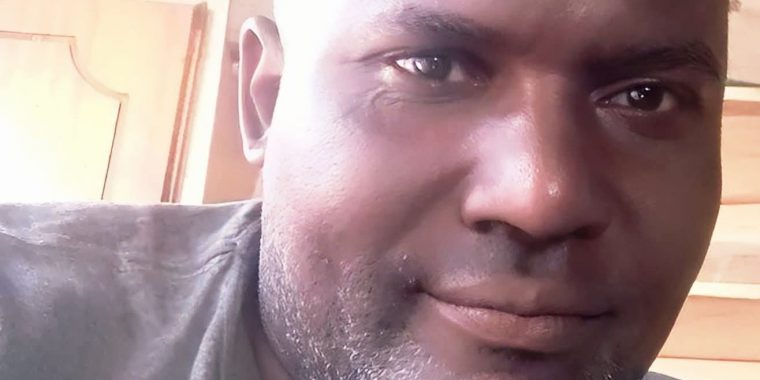
Konjana
narrates
going
through
dark
times
and
making
a
“final
escape”,
saying
he
is
withdrawing
from
being
a
Zanu
PF
councillor
and
from
politics. Following
his
recent
victory
in
the
Chegutu
Ward
1
by-election
on
February
21,
he
was
reported
missing
by
his
family
and
has
not
seen
since
then.
Formerly
a
senior
member
of
the
opposition
MDC
Alliance,
Konjana
had
crossed
floor
to
join
Zanu
PF. His
family
filed
a
missing
person
report
at
Pfupajena
Police
Station
after
he
failed
to
return
home
shortly
after
his
election
win.
While
his
current
whereabouts
remain
a
mystery,
some
reports
suggests
he
may
have
been
abducted
and
killed
due
to
Zanu
PF
internal
rivalries
or
his
past
opposition
ties,
but
today
The
NewsHawks
received
this
statement,
saying
he
is
alive.
Konjana
is
widely
known
for
his
high-profile
legal
battle
against
Zanu
PF
cadre
Dexter
Nduna regarding
the
Chegutu
West
parliamentary
seat
in
the
2018
general
election,
which
he
won
but
was
robbed
by
the
Zimbabwe
Electoral
Commission
(Zec)
that
attributed
the
theft
to
a
“clerical
error”.
Despite
Zec’s
admission
of
error,
Konjana’s
legal
challenges
to
reclaim
the
seat
were
repeatedly
dismissed
by
the
courts
on
procedural
and
technical
grounds
rather
than
the
merits
of
the
case. He
contested
the
same
seat
as
an
independent
candidate
in
2023
but
lost,
eventually
leading
to
his
move
to
Zanu
PF.
The
46-year-old
single
mother
from
Mupamaonde
village
in
Masvingo
province
believed
the
payments
would
secure
admission
to
a
coveted
nursing
programme
at
Silveira
Mission
Hospital.
Instead,
the
money
disappeared
and
her
daughters
were
never
enrolled.
Liliosa
Jakata
reportedly
sold
four
cattle
in
an
attempt
to
secure
nursing
placements
for
her
two
daughters,
Masvingo
Province,
Zimbabwe
on
15
January
2026
Photograph
Pamenus
Tuso/SAAJP
Jakata’s
experience
is
part
of
what
interviews
with
other
victims
and
insiders
in
Zimbabwe’s
health
sector
suggest
is
a
growing
racket
in
which
scamsters
claim
political
connections
and
demand
bribes
from
families
desperate
to
secure
nursing
school
placements.
They
prey
on
the
public’s
widely
held
belief
that
political
influence
can
facilitate
such
placements.
In
Zimbabwe,
nursing
qualifications
are
highly
sought
after.
But,
places
are
limited
and
competition
is
intense.
Trainees
also
receive
government
stipends
while
the
profession
offers
opportunities
for
employment
abroad.
These
pressures
have
created
fertile
ground
for
individuals
claiming
influence
over
recruitment
processes.
Zimbabwe
currently
has
32
nurse
and
midwifery
training
institutions,
according
to
the
country’s
National
Health
Strategy
2021-2025.
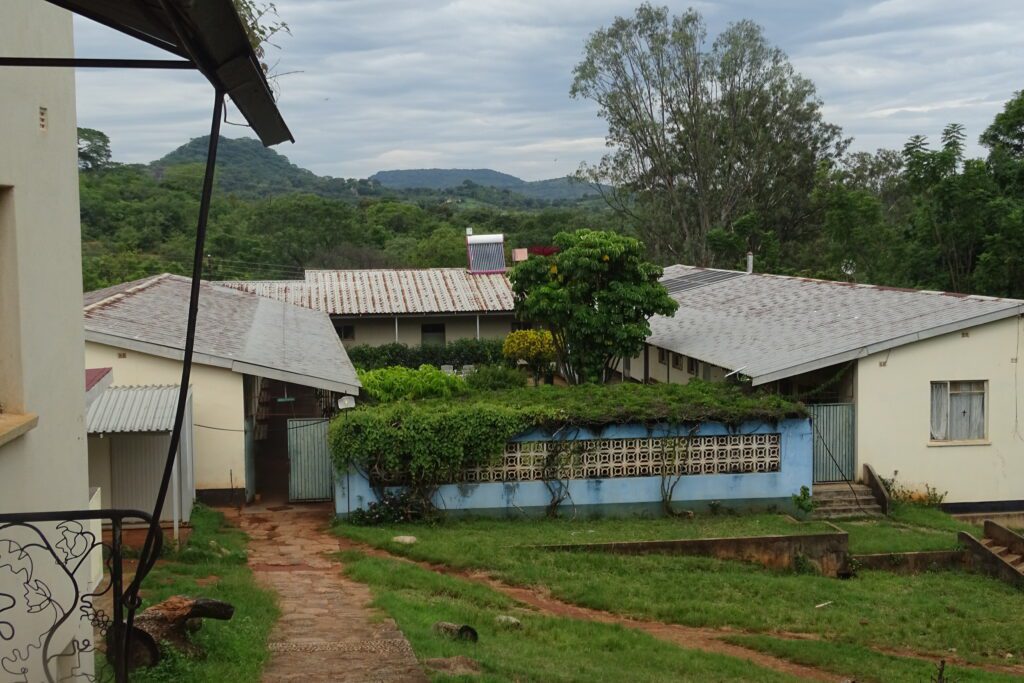
A
general
view
of
Silveira
School
of
Nursing,
allegedly
associated
with
incidents
of
bribery
in
nursing
placements,
Masvingo
Province,
Zimbabwe
on
16
January
2026.
Photograph
Pamenus
Tuso/SAAJP
Recruitment
system
under
scrutiny
In
2019,
the
government
introduced
the
National
Electronic
Recruitment
for
General
Nurse
Training
system
in
an
effort
to
curb
alleged
corruption
and
improve
transparency
in
nursing
recruitment.
The
system
was
discontinued
in
January
2022
after
authorities
said
it
disadvantaged
applicants
in
remote
areas
with
limited
internet
access. Recruitment
was
subsequently
decentralised
to
provinces
and
health
institutions
with
quotas
intended
to
ensure
representation
across
districts.
At
least
half
of
each
intake
is
meant
to
come
from
local
districts.
But
a
senior
official
at
Mpilo
Central
Hospital
in
Bulawayo,
told
this
reporter
that
informal
arrangements
and
quotas
may
influence
the
process.
Speaking
on
condition
of
anonymity,
the
official
described
what
he
called
a
“confidential”
recruitment
structure
operating
alongside
official
procedures.
He
said
that
officials
from
the
Ministry
of
Health,
Ministry
of
State
for
Provincial
Affairs
and
Devolution,
chief
medical
officers
and
provincial
medical
directors
all
have
allocation
quotas
accounting
for
nearly
half
the
nursing
college
placements
at
Mpilo.
The
remaining
quota
is
reserved
for
local
recruits,
although
the
source
claimed
political
actors
and
security
agencies
sometimes
submit
names
within
that
pool
too.
“These
instructions
come
boss-to-boss.
You
will
never
see
official
documents,”
the
source
said.
When
queried,
the
Ministry
of
Health
and
Child
Care
denied
that
such
political
allocations
exist.
“The
quota
system
is
clear
on
how
the
candidates
are
selected,”
ministry
spokesperson
Donald
Mujiri
said,
adding
that
no
informal
allocations
occur
outside
of
that
system.
A
mother’s
ordeal
Jakata’s
case
illustrates
how
some
of
the
scamsters
operate.
Her
ordeal
began
in
August
2024
when
she
visited
Silveira
Mission
Hospital
with
a
sick
child
and
asked
nurses
about
recruitment
procedures.
Her
daughters
had
applied
several
times
previously
for
nursing
training
without
success.
During
the
conversation,
Thomas
Wasosa,
then
a
student
nurse,
offered
to
help
secure
placements
for
the
two
girls.
Months
later,
on
3
June
2025,
Wasosa
phoned
Jakata
claiming
he
had
spoken
to
his
“superiors”
and
that
money
was
required
to
bribe
officials
who
could
fast-track
the
enrolment.
He
referred
her
to
Tapiwa
Marongera,
whom
he
presented
as
a
senior
official
at
the
hospital.
Marongera
demanded
US$1
700
to
secure
placements
for
the
daughters.
The
amount
was
later
reduced
to
US$1
300
after
it
emerged
that
one
daughter
did
not
meet
the
mathematics
requirement.
WhatsApp
messages,
EcoCash
records
and
audio
recordings
show
that
Jakata
transferred
the
money
on
4
June
2025
after
being
told
the
payment
would
be
shared
among
those
involved.
Soon
afterwards,
Wasosa
made
contact
again
and
told
Jakata
that
mathematics
had
been
dropped
as
a
requirement
and
that
both
daughters
now
qualified.
But
another
US$1,000
was
required.
With
no
other
source
of
income,
Jakata
sold
her
four
cattle.
“I
sold
the
four
cattle
I
had
to
raise
the
money.
Those
were
the
only
beasts
I
owned.
Now
I
have
nothing.
All
I
wanted
was
a
chance
for
my
child,”
she
said.
The
additional
cash
was
delivered
at
Nyika
Growth
Point
in
Bikita
district,
she
added.
Jakata’s
daughter
Alice
was
then
instructed
to
travel
to
Harare
to
meet
Wellington
Mutisi,
who
allegedly
promised
to
guide
the
process
further.
In
November
last
year,
the
Masvingo
Mirror
identified
Mutisi
as
a
pro-Zanu
PF
activist
who
rubbed
shoulders
with
the
party’s
elite
and
the
national
commissar
for
Varakashi
4ED,
a
loose
network
of
pro-government
activists
who
operate
online.
The
report
added
that
he?
was
wanted
by
police
for
his
involvement
in
defrauding
Jakata.
According
to
Jakata,
Mutisi
assured
her
that
the
placements
had
been
secured
before
referring
Alice
to
the
office
of
the
Minister
of
State
for
Provincial
Affairs
and
Devolution
in
Masvingo.
It
remains
unclear
whether
the
minister
or
his
office
had
any
knowledge
of
the
alleged
arrangement.
Alice
said
she
travelled
overnight
and
submitted
application
papers
at
the
minister’s
office
where
two
officials
reportedly
received
them.
Despite
repeated
assurances,
neither
daughter
was
called
for
interviews
or
enrolled
in
the
September
2025
intake.
When
Jakata
demanded
answers
she
was
told
the
applications
had
been
deferred
to
the
January
2026
intake.
In
a
WhatsApp
audio
message,
Marongera
said:
“Mother,
if
you
look
at
how
I
handled
the
issue
from
the
beginning
you
will
realise
that
I
was
showing
commitment
and
love…
But
if
the
minister
says
he
will
take
a
certain
number
from
the
list
and
defer
the
rest
to
January,
what
was
I
supposed
to
do?”
Jakata
later
approached
the
nursing
training
office
at
Silveira
Mission
Hospital
and
was
told
Marongera,
Wasosa
and
Mutisi
had
no
role
in
recruitment. Jakarta’s
revelation
led
to
Wasosa’s
arrest.
Masvingo
police
spokesperson
Inspector
Kudakwashe
Dhewa
confirmed
the
case.
“The
case
is
now
before
the
Bikita
Magistrates’
Court.
One
of
the
suspects,
Tapiwa
Marongera
who
is
facing
fraud
charges
is
still
on
the
run,”
Dhewa
said.
According
to
a
response
to
queries
from
the
National
Prosecuting
Authority
of
Zimbabwe
(NPAZ),
Wasosa
was
placed
on
remand
in
October
2025
on
fraud
charges
related
to
soliciting
money
under
the
pretext
of
facilitating
nursing
placements.
Investigations
are
continuing.
Marongera
has
not
been
formally
charged
because
he
could
not
be
located.
Police
are
also
searching
for
another
alleged
accomplice,
identified
by
the
NPAZ
as
Mutisi
William,
but
understood
to
refer
to
Wellington
Mutisi.
When
contacted,
Mutisi
denied
involvement.
“The
case
is
before
the
courts
and
we
leave
it
there…
You
just
want
to
tarnish
my
good
reputation,”
he
said.
Other
victims
Jakata’s
experience
is
not
isolated.
A
teacher
at
Gwindingwi
Secondary
School
in
Bikita
said
she
was
approached
by
a
Zanu-PF
youth
leader
who
promised
to
secure
a
nursing
training
place
for
her
daughter
through
party
connections.
He
demanded
US$1
300.
She
paid
US$450
in
cash
at
Nyika
Growth
Point
taxi
rank
but
her
daughter
was
never
called
for
interviews.
Two
other
alleged
victims
initially
agreed
to
tell
their
stories.
But,
they
later
declined
to
speak,
citing
fears
that
complaining
could
damage
their
chances
of
securing
training
places
in
the
future.
Political
recommendations
Evidence
obtained
during
the
investigation
suggests
political
figures
may
play
a
role
in
recommending
candidates
for
nursing
training.
Bulawayo
Central
Member
of
Parliament
Surrender
Kapokikilu
confirmed
that
he
wrote
a
letter
requesting
“special
consideration”
for
a
nursing
training
applicant.
“MPs
and
local
leadership
are
allowed
to
recommend.
They
have
10%
in
the
quota
system
to
ensure
locals
are
not
short
changed,”
Kapokikilu
said
via
text
message.
Responding
to
questions
submitted
via
WhatsApp,
Donald
Mujiri,
the
Ministry
of
Health
and
Child
Care’s
spokesperson,
denied
the
existence
of
any
arrangement
whereby
specific
quotas
in
nurse
recruitment
are
allocated
to
political
offices
and
senior
officials.
Unanswered
questions
Authorities
say
they
are
unaware
of
widespread
bribery
linked
to
nursing
recruitment.
Responding
to
allegations
that
intermediaries
are
soliciting
payments
while
claiming
influence
over
recruitment
decisions,
the
Ministry
of
Health
and
Child
Care
said
no
formal
reports
had
been
submitted.
The
National
Prosecuting
Authority
of
Zimbabwe
urged
the
public
to
avoid
paying
individuals
who
claim
they
can
facilitate
recruitment.
“Legitimate
recruitment
processes
are
conducted
through
official
channels
and
do
not
require
payments
to
private
individuals,”
said
Kennedy
Khombo
NPAZ
Deputy
Director
Corporate
Affairs
and
Communications.
The
opinion
leaders
caution
that
the
growing
burden
on
household
incomes
and
essential
services
risks
deepening
systemic
weaknesses,
widening
inequality
in
access
to
healthcare
and
reversing
fragile
public
health
gains.
Growing
concern
suggests
the
latest
increases
are
more
than
just
an
economic
challenge
but
have
represented “far
reaching
shocks” placing
further
strain
on
the
country’s
already
overburdened
health
sector
and
broader
social
fabric,
particularly
for
low-income
households.
The
Community
Working
Group
on
Health
(CWGH),
a
network
of
national
membership
based
civil
society
and
community-based
organisations
that
collectively
enhance
community
participation
in
health
in
Zimbabwe,
said
the
health
sector
is
particularly
vulnerable
to
rising
operational
costs
driven
by
fuel
price
hikes.
CWGH
Executive
Director,
Itai
Rusike,
said
Zimbabwe’s
already
fragile
public
health
system
is
facing
a
new
and
immediate
threat.
“The
public
health
sector
is
already
struggling
with
a
plethora
of
issues,
not
least
among
them
inadequate
funding,
challenges
in
accessing
allocated
budgets,
and
the
generally
high
cost
of
care.
Increased
fuel
costs
will
obviously
exacerbate
these
challenges,”
Rusike
said.
Zimbabwe
imports
nearly
all
of
its
fuel,
a
factor
that
exposes
it
to
global
price
fluctuations
and
logistical
costs.
Since
fuel
is
sourced
from
distant
markets
such
as
the
Middle
East,
passing
through
multiple
countries
before
reaching
Zimbabwe,
Rusike
noted
that
would
further
inflate
prices.
He
warned
the
effects
of
rising
fuel
costs
would
be
felt
across
every
layer
of
the
health
delivery
system,
from
national
budgets
to
the
individual
patient.
“These
additional
costs
will
have
an
almost
immediate
impact
on
hospital
and
clinic
budgets.
Facilities
will
have
to
reconfigure
their
budgets,
allocating
more
towards
transport
and
other
fuel-dependent
operations
such
as
referrals,
running
generators,
logistics
and
outreach
programmes.
This
inevitably
means
reduced
activities
or
the
sacrifice
of
other
critical
services,”
he
said.
Zimbabwe’s
health
institutions
already
rely
heavily
on
fuel-powered
generators
due
to
persistent
electricity
outages,
making
them
particularly
sensitive
to
fuel
price
fluctuations.
As
operational
costs
rise,
health
facilities
may
be
forced
to
scale
back
essential
services.
Beyond
health
facilities,
Rusike
said
supply
chains
are
also
at
risk
of
disruption.
“For
the
broader
health
sector,
supply
chains
will
be
affected,
leading
to
shortages
of
essential
commodities
and
subsequent
cost
escalation.
The
transportation
of
medicines,
vaccines,
and
equipment
to
hospitals
and
clinics,
particularly
in
rural
areas,
will
become
more
expensive,
which
could
compromise
outreach
services
such
as
immunisation
campaigns,
maternal
health
visits,
and
disease
surveillance,”
he
explained.
Health
workers
themselves
are
not
spared
as
rising
transport
costs
are
eating
into
already
constrained
incomes,
further
demoralising
staff
in
a
sector
grappling
with
retention
challenges.
“For
health
workers,
transport
costs
will
reduce
their
disposable
income,
while
for
patients,
increased
transport
and
food
costs,
as
well
as
the
cost
of
care,
will
increase
out-of-pocket
expenditure,
which
is
already
high
by
World
Health
Organisation
standards,”
Rusike
said.
He
warned
these
pressures
could
alter
health-seeking
behaviour,
with
patients
delaying
or
defaulting
on
treatment,
potentially
leading
to
adverse
health
outcomes.
At
a
macro
level,
the
government
is
also
likely
to
face
increased
fiscal
pressure.
“The
government
will
need
to
allocate
more
resources
to
cover
operational
and
running
costs
in
the
health
sector.
At
the
same
time,
broader
inflationary
pressures
will
affect
the
social
determinants
of
health,
further
increasing
the
overall
burden
on
the
healthcare
system,”
Rusike
added.
While
Rusike
noted
that
it
is
“not
all
doom
and
gloom,”
he
cautioned
that
price
instability
and
uncertainty
in
global
oil
markets
mean
any
relief
is
unlikely
in
the
short
term.
“Prices
are
generally
sticky
downwards,
so
even
if
supply
stabilises,
the
disruption
has
already
created
uncertainty.
Contracts
are
being
reassessed,
infrastructure
is
affected,
and
people
are
unlikely
to
see
immediate
benefits,”
he
said.
The
impact
of
rising
fuel
prices
is
also
being
felt
sharply
at
household
level,
where
families
are
struggling
to
cope
with
escalating
costs
of
living.
Bulawayo-based
commentator,
Jacqueline
Ndlovu,
said
the
increases
are
placing
a
disproportionate
burden
on
women
and
low-income
families.
“The
recent
fuel
increases
have
brought
many
challenges
within
communities.
Fuel
prices
have
gone
up
twice
within
a
fortnight,
triggering
increases
in
basic
services,
including
transport,”
she
said.
“For
a
working
parent,
especially
a
mother,
transport
costs
alone
are
becoming
unaffordable.
I
board
twice
a
day
and
so
do
my
children.
That
quickly
pushes
costs
beyond
reach.”
Ndlovu
said
the
price
hikes
are
cascading
across
essential
goods,
further
straining
household
budgets.
“Bread
is
now
going
for
between
US$1.10
and
US$1.30,
and
even
basic
commodities
like
potatoes
have
increased
significantly.
What
used
to
cost
a
dollar
is
now
US$1.50.
For
many
families,
these
are
no
longer
affordable,”
she
said.
She
added
many
working-class
women
are
now
walking
long
distances
to
work
to
cut
transport
costs,
only
to
return
home
to
unpaid
care
responsibilities.
“This
is
not
just
about
adjusting
budgets.
It
is
a
systemic
shock
that
is
affecting
how
people
live,
work
and
survive.
Women,
in
particular,
are
bearing
the
brunt,”
Ndlovu
said.
The
rising
costs
are
also
exposing
deeper
vulnerabilities
within
the
labour
market.
“Right
now
we
are
hearing
about
the
nurses’
strike.
If
you
are
earning
around
US$300
and
your
daily
transport
costs
are
US$4,
it
becomes
unsustainable.
Even
sending
a
child
to
school,
which
used
to
cost
a
dollar
a
day,
is
now
double
that,”
Ndlovu
she
said.
Highly
placed
sources
told
CITE
that
the
Ministry
of
Local
Government
and
Public
Works
recently
advised
the
President
of
the
National
Council
of
Chiefs,
Chief
Mtshane
Khumalo,
to
convene
emergency
provincial
assemblies
across
the
country
on
Thursday,
26
March
2026.
These
meetings
were
reportedly
intended
to
consolidate
support
for
the
amendment
bill
before
a
National
Council
of
Chiefs
meeting
scheduled
for
Sunday
29
March
2026.
The
directive
is
said
to
have
come
from
Local
Government
Minister,
Daniel
Garwe,
who
allegedly
urged
provincial
chairpersons
to
make
sure
chiefs
endorse
the
proposed
constitutional
changes
ahead
of
the
national
indaba.
The
developments
come
as
the Constitutional
Amendment
No.
3
Bill,
gazetted
in
February
2026,
continues
to
generate
intense
debate
across
Zimbabwe’s
political
and
civic
landscape.
The
Bill
proposes
sweeping
changes
to
the
governance
framework,
including
extending
presidential
and
parliamentary
terms
from
five
to
seven
years
and
altering
the
method
of
electing
the
President.
If
adopted,
the
changes
could
allow
President
Emmerson
Mnangagwa,
currently
serving
his
final
term
under
the
2013
Constitution,
to
remain
in
office
beyond
2028,
potentially
up
to
2030.
The
amendment
bill
will
also
allow
chiefs,
who
are
constitutionally
mandated
to
be
politically
neutral
to
openly
participate
in
politics
and
join
political
parties.
However,
on
Thursday,
chiefs
from
Matabeleland
North
and
South
were
already
gathered
in
Bulawayo
for
a
workshop
on
capacitation
in
customary
law
and
local
courts,
organised
by
the
Judicial
Service
Commission.
Sources
within
the
chiefs’
establishment
who
spoke
to
CITE
suggested
there
could
be
a
coordinated
effort
to
endorse
the
Bill,
since
the
presence
of
chiefs
from
both
provinces
in
one
location
created
an
opportunity
for
parallel
discussions
on
the
amendment
bill.
Media
invitations
circulating
on
Thursday
also
pointed
to
a
“Constitutional
Amendment
Bill
No.
3
Consultations
for
Traditional
Chiefs
in
the
Matabeleland
Region,”
scheduled
for
the
same
Thursday
evening.
The
media
briefing
is
expected
to
be
addressed
by
Chief
Mtshane
and
legal
experts
as
guest
speakers.
Another
of
the
most
contentious
aspects
of
the
amendment
bill
relates
to
the
role
of
traditional
leaders,
as
the
proposed
amendment
seeks
to
repeal
Section
281(2)
of
the
Constitution,
which
currently
prohibits
chiefs,
headmen
and
village
heads
from
participating
in
partisan
politics.
Under
the
current
Constitution,
traditional
leaders
are
required
to
act
impartially
and
must
not
be
members
of
political
parties,
act
in
a
partisan
manner,
or
further
the
interests
of
any
political
cause.
The
chiefs
are
also
obligated
to
treat
all
individuals
within
their
jurisdictions
equally
and
fairly.
Clause
20
of
the
proposed
amendment
seeks
to
repeal
these
provisions,
effectively
allowing
traditional
leaders
to
openly
participate
in
politics.
The
Bill
suggests
that
their
conduct
would
instead
be
regulated
through
an
Act
of
Parliament.
Analysts
have
warned
that
removing
constitutional
safeguards
that
require
chiefs
to
remain
politically
neutral
will
undermine
the
traditional
leadership
institution,
particularly
in
rural
communities
where
chiefs
play
a
central
role
in
dispute
resolution
and
social
cohesion.
The
push
to
secure
chiefs’
endorsement
also
comes
against
a
backdrop
of
broader
concerns
about
shrinking
civic
space
and
increasing
pressure
on
dissenting
voices.
In
recent
weeks,
critics
of
the
Amendment
Bill
have
reported
intimidation
and
arrests,
raising
questions
about
whether
the
environment
for
public
consultation
is
sufficiently
open
and
inclusive.
Observers
have
also
said
the
involvement
of
traditional
leaders
in
the
ongoing
constitutional
debate
is
significant,
given
their
influence
in
rural
Zimbabwe,
where
a
large
proportion
of
the
population
lives.
“The
unfolding
developments
are
serving
as
a
test
of
both
constitutionalism
and
the
independence
of
traditional
leadership
in
Zimbabwe,”
said
legal
commentator,
Dr
Vusumizi
Sibanda.
Construction
on
the
registry
building,
which
was
launched
in
2001
with
hopes
of
decentralising
services
such
as
passport
and
birth
certificate
applications,
has
been
at
a
standstill
for
years.
In
recent
weeks,
however,
construction
activity
has
intensified,
with
workers
now
plastering
and
roofing
the
structure.
Community
leaders
say
the
project
appears
to
be
nearing
completion.
Sindiso
Sibanda,
chairperson
of
the
Bekezela
residents’
association,
said
the
unfinished
building
had
long
stood
as
a
reminder
of
stalled
development.
“We
thought
it
would
never
be
completed,”
he
said.
“But
now
we
are
seeing
progress.
They
have
plastered
and
are
now
roofing.
We
hope
that
by
the
end
of
next
month
they
will
have
finished.”
Mr
Sibanda
said
the
renewed
activity
had
eased
concerns
that
had
been
raised
about
the
viability
of
the
project,
with
many
residents
now
looking
forward
to
the
practical
benefits
the
completed
registry
office
is
expected
to
bring.
Registry
offices
provide
essential
civil
services,
including
the
processing
of
national
identity
documents,
birth
certificates
and
other
official
records.
Residents
say
having
a
fully
functional
facility
closer
to
home
would
reduce
travel
costs
and
waiting
times.
While
welcoming
the
progress,
Mr
Sibanda
urged
authorities
to
extend
similar
momentum
to
other
infrastructure
projects
in
the
area,
particularly
road
rehabilitation.
“We
wish
such
developments
to
be
finished
even
in
other
places,”
he
said,
adding
that
residents
hoped
local
roads
would
also
be
upgraded
to
an
improved
standard.
Authorities
have
not
yet
announced
an
official
completion
date
for
the
project.
For
now,
residents
say
the
visible
progress
marks
a
significant
shift
from
years
of
inactivity.
In
two
urgent
applications
filed
at
the
Harare
and
Masvingo
High
Courts
on
23
and
24
March
respectively,
the
residents
contend
that
the
scheduled
hearings,
set
to
run
from
30
March
to
2
April,
are
overly
centralised
and
inaccessible
to
many
citizens,
particularly
those
in
remote
areas.
Represented
by
Zimbabwe
Lawyers
for
Human
Rights
(ZLHR),
the
applicants
argue
that
holding
hearings
at
selected
district
centres,
rather
than
across
wards,
will
effectively
disenfranchise
large
segments
of
the
population.
“Some
residents
in
various
provinces
have
asked
Parliament
to
decentralise
public
hearings
…
to
avoid
disenfranchising
people
from
participating
and
contributing
in
the
crucial
consultations
on
the
proposed
Bill,”
ZLHR
said.
The
residents
argue
that
the
choice
of
venues,
including
Hwedza
Centre,
places
an
unfair
burden
on
citizens
who
would
be
required
to
travel
long
distances,
often
on
foot
or
using
limited
and
costly
public
transport.
They
further
submit
that
Parliament
has
not
made
provisions
to
assist
vulnerable
and
indigent
citizens
with
transport,
despite
its
constitutional
obligation
under
Section
328(4)
to
ensure
public
participation
by
providing
the
necessary
facilities.
The
applicants
are
seeking
an
order
compelling
Parliament,
represented
by
Speaker
of
the
National
Assembly
Jacob
Mudenda
and
President
of
the
Senate
Mabel
Chinomona,
to
conduct
the
hearings
in
a
manner
that
fully
complies
with
constitutional
requirements.
The
respondents
in
the
matter
include
the
Minister
of
Justice,
Legal
and
Parliamentary
Affairs,
Ziyambi
Ziyambi,
and
President
Emmerson
Mnangagwa.
The
applicants
argue
that
meaningful
public
participation
is
central
to
safeguarding
the
Constitution
and
that
citizens
must
be
given
a
fair
and
adequate
opportunity
to
contribute
to
discussions
on
proposed
amendments.
They
also
cite
their
constitutional
right
to
freedom
of
expression,
insisting
that
they
must
be
afforded
a
genuine
platform
to
voice
their
views
on
matters
of
national
importance.
In
addition,
the
applicants
are
asking
the
court
to
direct
the
authorities
to
provide
transport
for
affected
communities.
Some
are
also
seeking
an
interdict
to
prevent
the
hearings
from
proceeding
under
the
current
arrangements.
Gift
Konjana,
who
was
the
MDC
Alliance
parliamentary
candidate
for
Chegutu
West
in
the
2018
harmonised
elections
before
later
joining
ZANU-PF,
said
in
a
statement
that
he
is
withdrawing
from
the
current
“toxic
political
environment.”
Konjana
described
going
through
dark
times
and
making
a
“final
escape,”
announcing
that
he
is
stepping
down
as
a
ZANU-PF
councillor
and
leaving
politics
altogether.
He
was
declared
the
winner
of
the
Chegutu
Ward
1
by-election
on
21
February,
contesting
on
a
ZANU-PF
ticket.
Soon
after,
he
went
missing,
prompting
his
family
to
file
a
missing
person
report
at
Pfupajena
Police
Station.
While
his
whereabouts
have
remained
unknown,
some
reports
speculated
that
he
may
have
been
abducted
or
killed
due
to
ZANU-PF
internal
rivalries
or
his
previous
opposition
ties.
On
Thursday,
26
March,
a
statement
attributed
to
Konjana
confirmed
that
he
is
alive.
Part
of
the
statement
reads:
“This
statement
is
made
to
reassure
particularly
my
family,
friends,
fellow
Christians
and
my
community
and
Zimbabwe
that
I,
Gift
Konjana,
by
the
grace
of
God,
am
safe.
“There
are
no
words
sufficient
to
describe
the
weight
of
the
ordeal
I
have
recently
walked
through,
nor
the
depth
of
the
peace
I
feel
being
back
among
you.
“Today,
I
am
writing
this
not
just
as
a
survivor,
but
as
a
living
testimony
to
the
power
of
collective
prayer.
“When
I
was
in
darkness,
isolated
and
facing
the
unknown,
there
were
moments
when
my
own
strength
failed
me.
“However,
I
felt
a
strange,
persistent
covering
and
knew
that
I
was
not
forgotten.
I
know
that
this
was
the
result
of
your
tireless
intercession.
“Thank
you
for
crying
out
on
my
behalf
when
I
was
silenced,
weak
and
vulnerable.
I
am
convinced
that
my
final
escape
was
not
merely
a
stroke
of
luck
or
a
coincidence
of
timing.
It
was
the
direct
answer
to
a
thousand
whispers
sent
to
Heaven.
“Your
prayers
created
a
hedge
of
protection
around
me,
confused
the
path
of
those
who
sought
me
harm
and
ultimately
paved
the
way
for
my
safety.
“This
attempt
was
after
several
other
attempts
on
my
life
and
limb.
Thank
you
once
again
friends
and
fellow
countryman
for
your
prayers.
“I
have
made
the
decision
to
withdraw
from
the
toxic
political
environment
in
Zimbabwe
and
will
not
be
taking
up
the
position
of
councillor
in
Chegutu.
“By
this
statement
I
wish
to
inform
the
relevant
authorities
that
I
will
not
be
taking
up
any
political
post
in
my
life.”
Konjana
is
well
known
for
his
high-profile
legal
battle
against
ZANU-PF’s
Dexter
Nduna
over
the
Chegutu
West
parliamentary
seat
in
the
2018
general
election.
Konjana
narrowly
won
the
race,
but
the
Zimbabwe
Electoral
Commission
(ZEC)
declared
Nduna
the
winner,
and
later
claimed
a
“clerical
error.”
Despite
ZEC
admitting
the
mistake,
Konjana’s
legal
challenges
to
reclaim
the
seat
were
repeatedly
dismissed
by
the
courts
on
procedural
and
technical
grounds,
rather
than
on
the
merits
of
the
case.
He
later
contested
the
same
seat
as
an
independent
candidate
in
2023
but
lost,
which
eventually
led
to
his
decision
to
join
ZANU-PF.
Trump
Nominateith,
Trump
Complaineth
When
He
Doesn’t
Get
His
Way:
Trump
got
big
mad
at
his
justices
at
the
National
Republican
Congressional
Committee
dinner.
And
Then
There
Were
Eight:
Which
of
these
lawyers
is
most
in
need
of
a
disbarment?
Michael
Flynn
Grabs
‘Em
By
The
Treasury:
To
the
tune
of
$1.25M.
Litigant
Swears
Up
And
Down
She
Isn’t
Zooming
In
From
Behind
The
Wheel:
The
live
footage
suggests
otherwise.
Jay
Clayton’s
SDNY
Throws
ICE
Under
The
Bus:
Credibility
still
matters.